Chlorella Benefits: 7 Proven Ways It Supports Health
Discover the potential health benefits of chlorella, from immune support to detoxification, backed by scientific research.
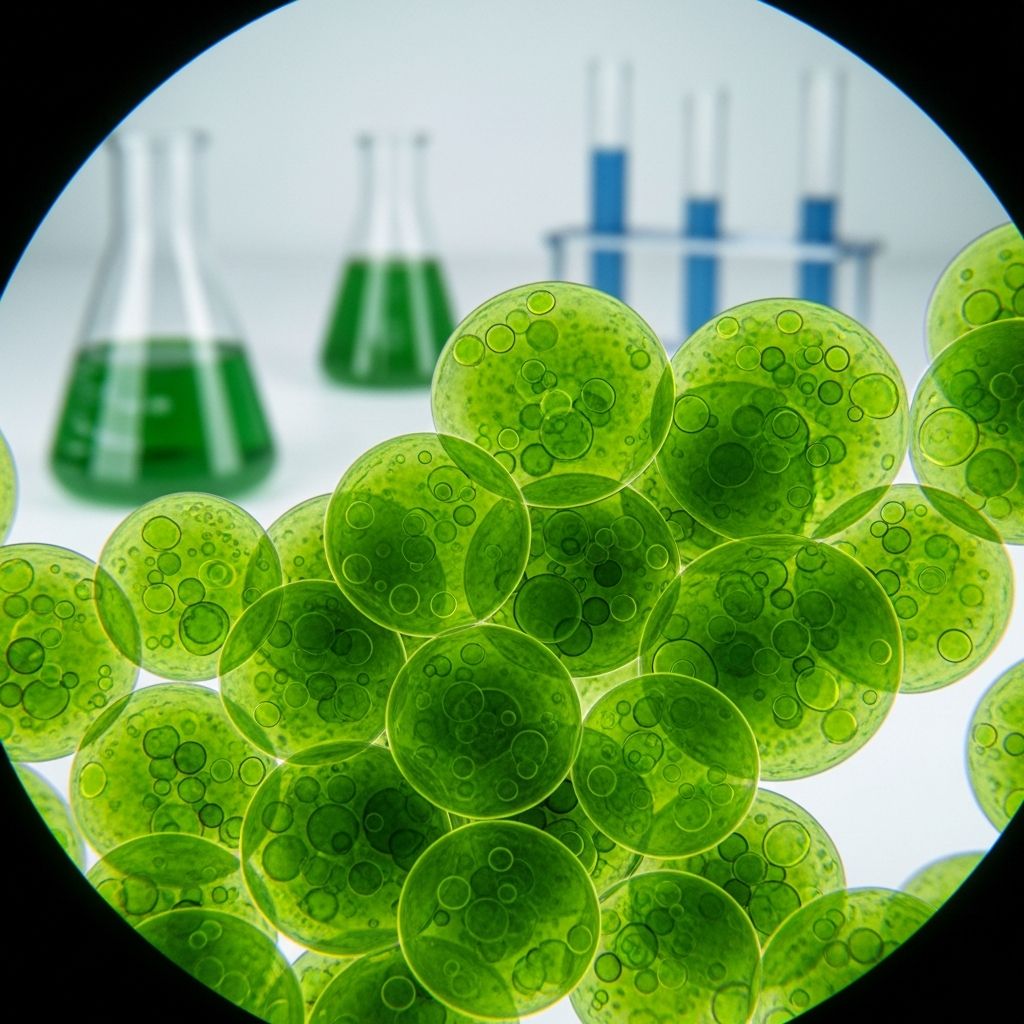
Chlorella is a single-celled, green freshwater algae considered a superfood due to its high nutrient density. Rich in protein, vitamins, minerals, and antioxidants, it has been studied for potential health benefits like immune support, detoxification, and cardiovascular health improvement.
What Is Chlorella?
Chlorella vulgaris and Chlorella pyrenoidosa are the primary species used as dietary supplements. This microalgae thrives in freshwater environments and is cultivated worldwide for its nutritional profile. One teaspoon (3g) of chlorella powder provides approximately 11 kcal, 1.8g protein, 0.1g fat, 0.5g carbohydrates, 3.4mcg iodine, and 6.6mcg vitamin B12, making it a complete protein source with all essential amino acids.
Its cell wall is broken during processing (cracked chlorella) to enhance nutrient bioavailability. Chlorella contains chlorophyll, beta-carotene, lutein, and other carotenoids, contributing to its vibrant green color and antioxidant properties.
7 Science-Backed Benefits of Chlorella
1. Supports Immune Function
Chlorella may enhance immune response by increasing natural killer (NK) cell activity and antibody production. In a small human study, four weeks of supplementation boosted salivary IgA levels, a key mucosal immune marker, and elevated interferon-γ, interleukin-1β, and interleukin-12. Another study in men showed increased immune antibodies after four weeks. Animal research supports its role in preventing myelosuppression from stressors by maintaining cytokine levels like IL-1α and IL-6.
2. May Improve Cholesterol Levels
Multiple studies link chlorella to better lipid profiles. A meta-analysis found it reduces total cholesterol, LDL cholesterol, and fasting blood glucose, though not triglycerides or HDL. In mildly hypercholesterolemic subjects, chlorella lowered total cholesterol, triglycerides, VLDL, and apolipoprotein B while increasing carotenoids like lutein/zeaxanthin. Human trials report drops in LDL by about 8 points, potentially due to inhibited intestinal lipid absorption and antioxidant effects from carotenoids.
3. Promotes Heart Health and Lowers Blood Pressure
Chlorella’s potassium, arginine, fiber, and omega-3s support cardiovascular function. In hypertensive rats, 10-20% chlorella diets reduced blood pressure, total cholesterol, and extended lifespan via synergistic bioactive compounds like carotenoids and phospholipids. Human studies show reduced systolic and diastolic blood pressure, less arterial stiffness, and modest drops of a few points in blood pressure.
4. Aids Detoxification and Heavy Metal Removal
Chlorella binds heavy metals and toxins, aiding elimination. Animal studies demonstrate its effectiveness against high heavy metal loads, though human toxicity is rare and innate detox systems suffice for most. It may also detoxify dietary cholesterol, as seen in a study where chlorella blunted cholesterol rise from eggs.
5. Supports Weight Management
Limited evidence suggests chlorella aids fat metabolism and blood sugar control. A 16-week trial reported reductions in body fat percentage, serum cholesterol, and fasting glucose. Animal studies reinforce improved lipid metabolism.
6. Provides Antioxidant Protection
Rich in carotenoids and chlorophyll, chlorella combats oxidative stress. Supplementation increased erythrocyte lutein 4.6-fold, supporting red blood cell health and potentially benefiting dementia. It lowered lipid peroxides and delayed cataracts in diabetic rats via antioxidants.
7. May Benefit Blood Sugar Control
Chlorella improves fasting glucose and HbA1c in some studies, with antidiabetic effects in animals preventing complications like cataracts. Meta-analyses confirm reductions in fasting blood glucose.
Related Stories



Chlorella Nutrition Facts
| Nutrient (per 3g teaspoon) | Amount |
|---|---|
| Calories | 11 kcal |
| Protein | 1.8g |
| Fat | 0.1g |
| Carbohydrates | 0.5g |
| Iodine | 3.4mcg |
| Vitamin B12 | 6.6mcg |
| Chlorophyll | High |
| Carotenoids (lutein, beta-carotene) | Significant |
This profile positions chlorella as a vegan source of B12, iron, and protein, ideal for plant-based diets.
How to Take Chlorella
- Dosage: 2-3g daily for general health; up to 10g for specific benefits. Start low to assess tolerance.
- Forms: Powder (mix in smoothies), tablets, capsules.
- Timing: With meals to reduce GI upset; consistent daily use for best results.
- Quality: Choose cracked cell wall, third-party tested for contaminants like heavy metals.
Chlorella Side Effects
Generally safe short-term, but possible side effects include diarrhea, nausea, stomach cramps, rash, and increased sun sensitivity. Rare cases report psychosis, kidney damage, low platelets, or reactions like headache and fatigue, often with mixed algae products. Iodine content may affect thyroid function; avoid if hyperthyroid.
Chlorella vs. Spirulina
| Aspect | Chlorella | Spirulina |
|---|---|---|
| Cell Wall | Hard (cracked for digestion) | Soft (easier absorption) |
| Chlorophyll | Higher | Lower |
| Protein | 50-60% | 60-70% |
| Detox Focus | Strong (heavy metals) | Moderate |
| Primary Benefits | Detox, immunity | Energy, protein |
Both are nutrient powerhouses; chlorella excels in detox, spirulina in protein.
Frequently Asked Questions (FAQs)
Is chlorella safe for everyone?
Generally safe short-term, but may cause GI upset or allergies. Consult a doctor if pregnant, breastfeeding, or on medications.
Does chlorella help with detoxification?
Animal studies show heavy metal binding; human evidence is promising but limited.
How much chlorella should I take daily?
2-5g for beginners; studies use 5-10g.
Can chlorella lower cholesterol?
Yes, meta-analyses show reductions in total and LDL cholesterol.
Is chlorella vegan?
Yes, a complete plant protein with B12.
Precautions and Considerations
Research is mostly from small human trials or animals; larger studies needed. Contaminants in low-quality products pose risks. Not a substitute for medical treatment.
References
- Top 5 health benefits of chlorella — BBC Good Food. 2023. https://www.bbcgoodfood.com/health/nutrition/health-benefits-chlorella
- Potential of Chlorella as a Dietary Supplement to Promote Human Health — PMC (National Library of Medicine). 2020-09-18. https://pmc.ncbi.nlm.nih.gov/articles/PMC7551956/
- The Benefits and Dangers of Chlorella — NutritionFacts.org. Accessed 2026. https://nutritionfacts.org/video/the-benefits-and-dangers-of-chlorella/
Similar Articles








Read full bio of medha deb