Chlorella Vs Spirulina: Which Superfood Algae Fits Your Goals
Discover the key differences between chlorella and spirulina, two nutrient-packed algae superfoods, and learn which may suit your health goals best.
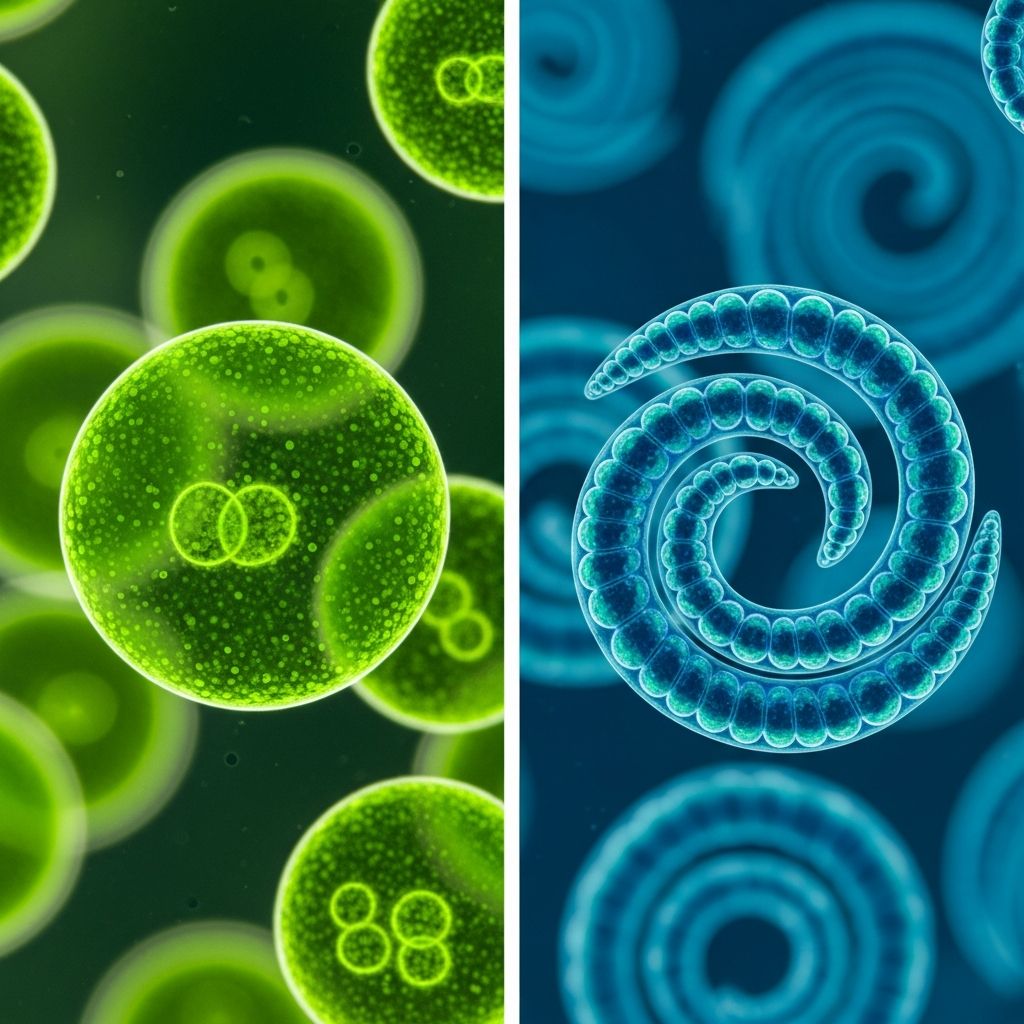
Chlorella and spirulina are two of the most popular microalgae superfoods, praised for their dense nutrient profiles and potential health benefits. Both are single-celled organisms harvested from freshwater and saltwater environments, respectively, and available as powders, tablets, or capsules. While they share similarities in supporting immunity, energy, and detoxification, key differences in their composition make one potentially better suited for specific goals.
What Is Chlorella?
Chlorella is a
freshwater green alga
belonging to the Chlorophyta phylum, thriving in nutrient-rich ponds and lakes. Its vibrant green color comes from high levels ofchlorophyll
, the pigment responsible for photosynthesis. Discovered in the 19th century, chlorella gained attention in the mid-20th century as a potential food source due to its rapid growth and complete protein content.Chlorella’s tough cell wall, made of cellulose, requires processing (like cracking) for better digestibility, allowing the body to access its nutrients. It’s renowned for the
Chlorella Growth Factor (CGF)
, a complex of nucleic acids, peptides, and vitamins that may promote cell regeneration and repair.What Is Spirulina?
Spirulina, or
Arthrospira platensis
, is ablue-green cyanobacteria
(not technically an alga) found in alkaline saltwater lakes like those in Africa and Mexico. Its spiral shape gives it the name “spirulina,” and its blue-green hue derives fromphycocyanin
, a potent antioxidant protein with anti-inflammatory properties.Unlike chlorella, spirulina lacks a rigid cellulose cell wall, making it more easily digestible without additional processing. NASA has even explored spirulina for space travel due to its high protein and efficiency in oxygen production.
Nutritional Comparison: Chlorella vs. Spirulina
Both superfoods are nutrient powerhouses, but their profiles differ. Per ounce (about 28g) dried powder:
| Nutrient | Chlorella (per oz) | Spirulina (per oz) |
|---|---|---|
| Calories | ~100 | ~100 |
| Protein | 50-60% | 60-70% |
| Omega-3s | Higher (ALA form) | Lower, more omega-6 |
| Iron | High | Higher |
| Vitamin A | Higher | High (beta-carotene) |
| Chlorophyll | Very high | Moderate |
| Phycocyanin | Low | Very high |
Chlorella edges out in
omega-3 fatty acids, vitamin C, iron, phosphorus, zinc, and vitamin B2
, supporting brain health, detoxification, and bone structure. Spirulina leads inprotein, copper (nearly 2x DV), thiamin (B1), and phycocyanin
for energy and antioxidant defense. Both provide complete proteins with all essential amino acids, B vitamins (including pseudo-B12 in spirulina), and antioxidants like lutein and beta-carotene.Health Benefits of Chlorella
- Detoxification: Chlorophyll binds heavy metals like mercury and lead, aiding elimination. Studies show reduced dioxin levels in breast milk after supplementation.
- Immune Boost: CGF and beta-glucans enhance white blood cell activity, potentially reducing infection risk.
- Digestion & Gut Health: Fiber and prebiotics promote regularity and beneficial bacteria.
- Anti-Inflammatory & Antioxidant: Lutein, lycopene, and vitamin E combat oxidative stress.
- Exercise Performance: May improve aerobic/anaerobic capacity and recovery by reducing fatigue.
- Mental Health: Tryptophan supports serotonin, easing stress and improving sleep.
Health Benefits of Spirulina
- Antioxidant Power: Phycocyanin fights inflammation, protects the liver, and inhibits harmful gut bacteria.
- Energy & Anemia Support: High iron and B vitamins combat fatigue; effective for mild anemia.
- Cholesterol Management: Beta-carotene and peptides lower LDL while raising HDL.
- Immune & Anti-Viral: Boosts antibody production; may alleviate allergy symptoms.
- Athletic Performance: Enhances endurance, power, and post-exercise recovery.
- Eye & Skin Health: Zeaxanthin and copper support vision and collagen.
Related Stories



Chlorella vs. Spirulina: Key Differences
While overlapping in protein and antioxidants, chlorella excels in
detox and nutrient density
(e.g., more phosphorus for DNA/ATP), ideal for cleansing and overall wellness. Spirulina shines inprotein quality and digestibility
, suiting athletes or those needing quick energy. Chlorella’s cell wall demands “cracked” forms for bioavailability; spirulina absorbs easily. For hair growth, both aid via iron, B vitamins, and aminos.Potential Side Effects and Risks
Both are generally safe but start low (500mg-1g/day) to assess tolerance.
- Common: Green stools, digestive upset, nausea from detox reaction.
- Chlorella-Specific: Rare contamination with toxins if untested; avoid in autoimmune conditions.
- Spirulina-Specific: Possible B12 analog (not fully usable); allergy risk in seafood-sensitive individuals; third-party testing essential for microcystins.
- Interactions: May enhance blood thinners or immunosuppressants; consult a doctor if pregnant, nursing, or on meds.
How to Choose Between Chlorella and Spirulina
- Choose
chlorella
for detox, digestion, omega-3s, or mental support. - Opt for
spirulina
for protein, energy, athletic gains, or iron boost. - **Both** for synergy: Combine for comprehensive nutrition.
Look for organic, third-party tested products (USP/NSF certified). Dosage: 2-5g/day powder or 6-10 tablets.
Frequently Asked Questions (FAQs)
What are the main benefits of chlorella?
Chlorella supports detoxification, immunity, digestion, and cell repair via chlorophyll and CGF.
What are the main benefits of spirulina?
Spirulina boosts energy, reduces inflammation, aids anemia, and enhances performance with phycocyanin and protein.
Is chlorella or spirulina better for detox?
Chlorella is superior for binding toxins due to chlorophyll, though both aid cleansing.
Can I take chlorella and spirulina together?
Yes, they complement each other for amplified benefits without known interactions.
Are they safe for daily use?
Yes, in moderation (1-3g/day), but choose tested brands and consult professionals.
Which is better for weight loss?
Chlorella may edge out due to fiber and metabolism support, but both aid via satiety.
References
- Chlorella vs. Spirulina: What Are Their Benefits & Which Is Better? — HUM Nutrition. 2023. https://www.humnutrition.com/blog/chlorella-vs-spirulina/
- Chlorella vs Spirulina: Which Microalgae Is Better for You? — BODi. 2024. https://www.bodi.com/blog/chlorella-vs-spirulina
- Chlorella vs. Spirulina: Algae Health Facts from a Dietitian — Live it Up. 2024. https://letsliveitup.com/blogs/supergreens/chlorella-vs-spirulina
- Chlorella vs Spirulina: Which Greens Powder is Better for You? — BrainMD. 2023. https://brainmd.com/blog/chlorella-vs-spirulina/
- Chlorella or spirulina: what are the differences and which should… — Darwin Nutrition. 2024. https://www.darwin-nutrition.fr/en/tips/chlorella-and-spirulina/
- What’s the Difference Between Chlorella and Spirulina? — Healthline. 2024-01-15. https://www.healthline.com/nutrition/chlorella-spirulina
Similar Articles








Read full bio of medha deb