Chlorine Rash: Symptoms, Treatment, Prevention
Understand chlorine rash causes, symptoms, treatments, and prevention tips for safe swimming enjoyment.
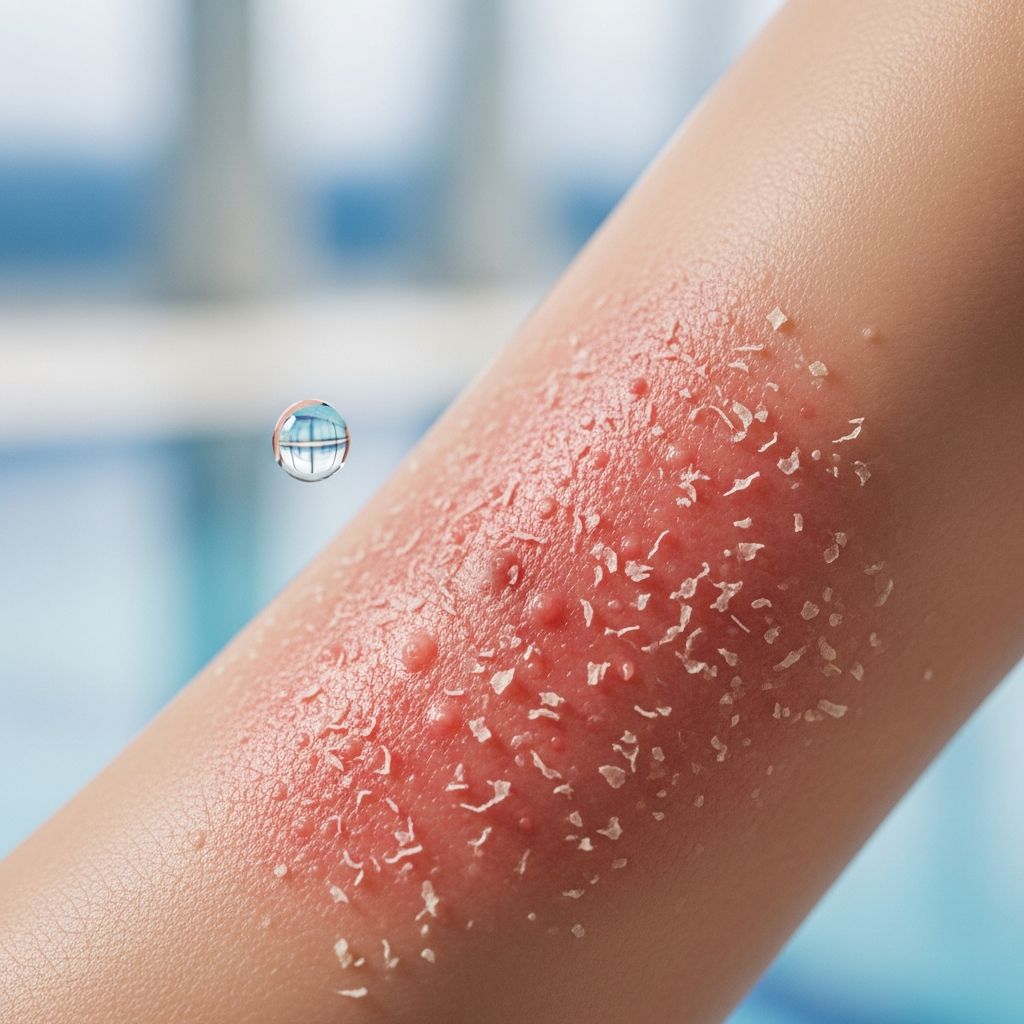
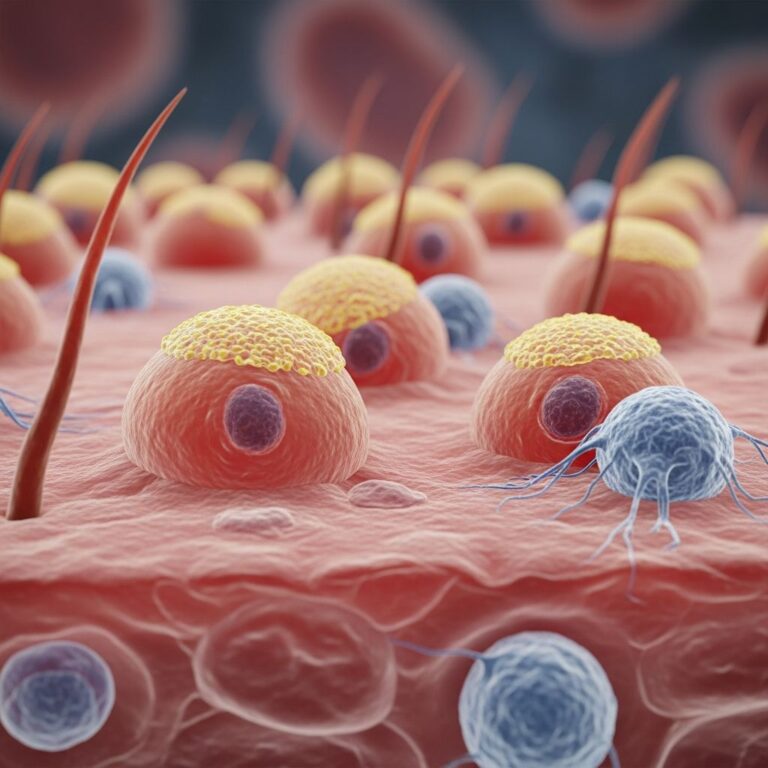
Chlorine rash, a common form of irritant contact dermatitis, develops after skin exposure to chlorinated water in pools or hot tubs. This condition causes itchy, red, inflamed skin but is not a true allergy, as chlorine irritates rather than triggers an immune response.
What Is Chlorine Rash?
Chlorine serves as a powerful disinfectant in swimming pools and hot tubs, killing bacteria and making water safer. However, frequent or prolonged exposure can dry out the skin, leading to irritation, inflammation, and a characteristic rash. Unlike allergies, which involve immune system proteins like IgE antibodies, chlorine rash results from direct chemical irritation, making some individuals—especially those with sensitive skin—more prone.
People at higher risk include competitive swimmers, lifeguards, and professional cleaners who face repeated exposure. Over-chlorinated pools, common in public facilities, exacerbate the issue. Symptoms typically appear hours to days after contact and worsen with re-exposure.
Symptoms of Chlorine Rash
Symptoms vary by skin sensitivity and exposure duration but commonly include:
- Redness and inflammation: Skin turns red, pink, or discolored, more visible on lighter tones but detectable by texture on darker skin.
- Itchiness and tenderness: Intense burning or soreness at affected areas, often the swimsuit line, neck, or arms.
- Scaling or crusting: Dry, flaky skin that may peel or form scaly patches.
- Hives or bumps: Raised, itchy welts resembling urticaria, though not true hives from allergy.
- Skin lesions: Small sores or raw areas from scratching.
Additional effects may involve irritated eyes (redness, stinging) or respiratory symptoms like coughing and sneezing in sensitive individuals. Unlike infectious rashes, chlorine rash is not contagious.
Chlorine Rash vs. Other Swimming Rashes
Not every post-swim rash stems from chlorine. Key differentials include:
Swimmer’s Itch (Cercarial Dermatitis)
This parasitic infection occurs in unchlorinated freshwater or saltwater, where larvae from snails penetrate skin. Symptoms—pimples turning to blisters—appear within 12 hours. Chlorine kills parasites, so it’s absent in properly maintained pools.
Hot Tub Rash (Pseudomonas Folliculitis)
Caused by Pseudomonas bacteria in under-chlorinated, warm hot tubs. It forms pus-filled blisters around hair follicles, itchy folliculitis. High heat breaks down chlorine, allowing bacterial growth.
Quick Comparison Table:
| Rash Type | Water Type | Onset | Key Symptoms |
|---|---|---|---|
| Chlorine Rash | Chlorinated pools/hot tubs | Hours to days | Red, itchy, dry skin; no blisters |
| Swimmer’s Itch | Fresh/saltwater | Within 12 hours | Pimples to blisters; burning |
| Hot Tub Rash | Hot tubs (contaminated) | 1-2 days | Pus-filled folliculitis bumps |
Treatment for Chlorine Rash
Most cases resolve at home within 1-3 days (peaking at 3-4 days), but severe symptoms warrant medical advice. Avoid further chlorine exposure to prevent worsening.
At-Home Remedies
- Immediate rinse: Shower with cool water and mild soap to remove chlorine residue. Pat dry; avoid rubbing.
- Moisturize: Apply fragrance-free lotions like Aquaphor or petroleum jelly to restore skin barrier.
- Hydrocortisone cream (1% OTC): Reduces inflammation and itch; apply thinly 2-3 times daily, avoiding face/eyes.
- Antihistamines: Oral diphenhydramine or cetirizine eases itching, especially for hives-like symptoms.
- Oatmeal baths: Colloidal oatmeal soothes irritated skin; soak 15-20 minutes.
- Cold compresses: Alleviate swelling and discomfort.
For persistent symptoms (>1 week), infected areas (pus, fever), or facial involvement, consult a dermatologist. Prescription steroids or antibiotics may be needed.
Related Stories



Prevention Tips for Chlorine Rash
Proactive steps minimize risk, ideal for sensitive skin:
- Pre-swim shower: Wet skin with fresh water to reduce chlorine absorption.
- Barrier protection: Apply petroleum jelly or waterproof lotions to vulnerable areas.
- Limit exposure: Cap swims at 30-60 minutes; take breaks.
- Post-swim routine: Rinse swimsuit, shower immediately, wear loose cotton clothes.
- Choose well-maintained pools: Avoid overly chlorinated water (strong smell indicates excess).
- Swimwear care: Rinse and air-dry suits to prevent residue buildup.
Frequent swimmers may benefit from de-chlorinating shampoos or full-body washes.
When to See a Doctor
Seek care if:
- Rash spreads, blisters, or oozes pus (possible infection).
- Symptoms persist >7 days despite treatment.
- Severe swelling, pain, or breathing issues occur.
- Frequent recurrences suggest sensitivity needing evaluation.
Dermatologists can perform patch tests to rule out other irritants or allergies.
Frequently Asked Questions (FAQs)
Is chlorine rash contagious?
No, chlorine rash is not contagious; it’s a non-infectious irritation.
How long does chlorine rash last?
Typically 1-4 days with treatment; longer if re-exposed.
Can you be allergic to chlorine?
No true allergy; it’s irritant dermatitis, though rare sensitivities mimic one.
Does chlorine rash spread?
It doesn’t spread person-to-person but can worsen on exposed skin with re-exposure.
Is hot tub rash the same as chlorine rash?
No; hot tub rash is bacterial, chlorine rash is chemical irritation.
Key Takeaways
Chlorine rash affects many swimmers but is manageable with prompt rinsing, OTC creams, and prevention. Differentiate from swimmer’s itch or infections for proper care. Enjoy pools safely by limiting exposure and protecting skin.
References
- Chlorine rash: Appearance, treatment, prevention — Medical News Today. 2019-05-03. https://www.medicalnewstoday.com/articles/323134
- Chlorine Rash: Treatment and Prevention — Healthline. Accessed 2026. https://www.healthline.com/health/chlorine-rash
- How to recognize and prevent chlorine rash — Austin Regional Clinic. Accessed 2026. https://www.austinregionalclinic.com/blogs/article/how-to-recognize-and-prevent-chlorine-rash
- Chlorine Allergy | Causes, Symptoms & Treatment — American College of Allergy, Asthma & Immunology (ACAAI). Accessed 2026. https://acaai.org/allergies/allergic-conditions/chlorine-allergy/
Similar Articles








Read full bio of Sneha Tete