Chlorine Rash: Symptoms, Treatment, Prevention
Understand chlorine rash causes, symptoms, treatments, and prevention tips for safe swimming enjoyment.
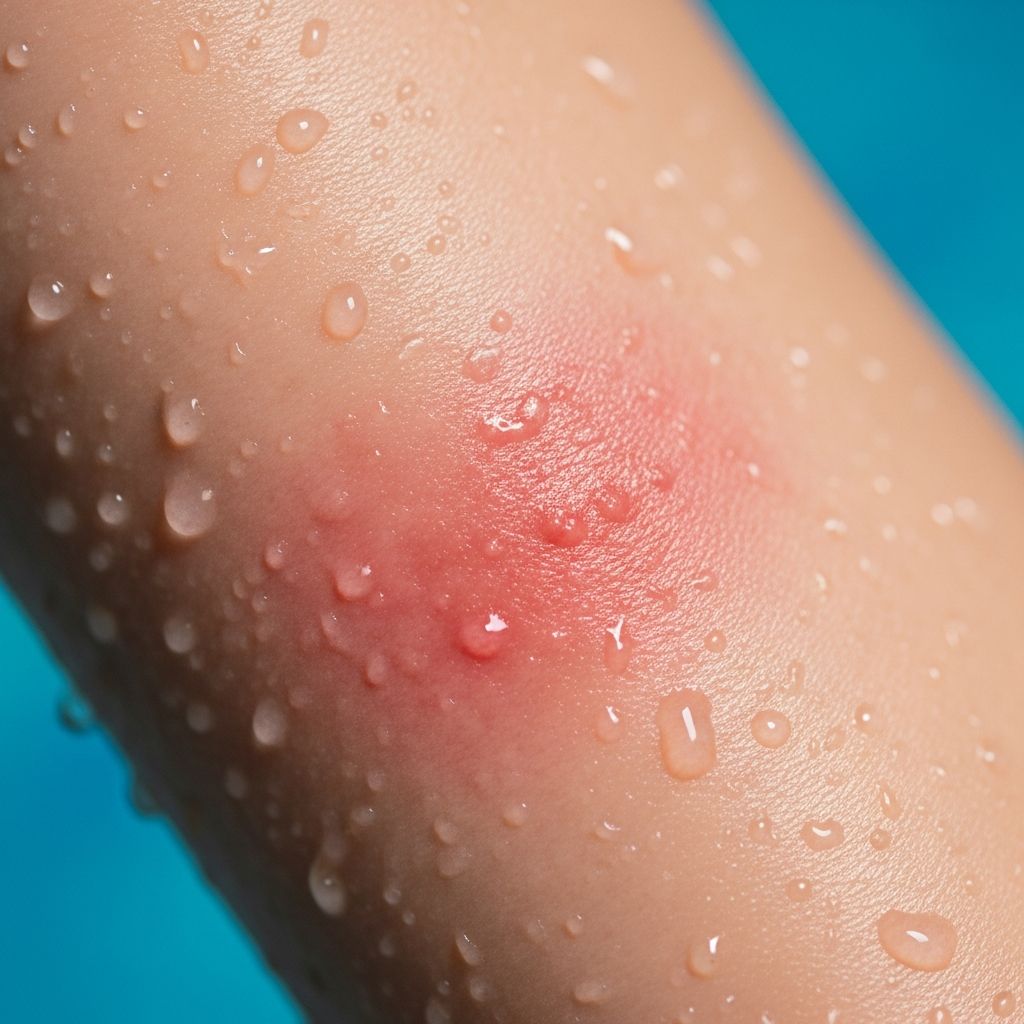
Chlorine rash, also known as pool rash or irritant contact dermatitis, develops when skin is exposed to chlorinated water in swimming pools or hot tubs. This common condition affects swimmers of all ages, causing discomfort that ranges from mild itching to severe inflammation.
What Is Chlorine Rash?
Chlorine serves as a powerful disinfectant in pools, eliminating harmful bacteria to keep water safe. However, its strong oxidizing properties strip away the skin’s natural oils and moisture barrier, leading to dryness, irritation, and inflammation. Unlike a true allergy, which involves an immune response producing antibodies, chlorine rash is irritant contact dermatitis—a non-allergic reaction where the chemical directly damages skin cells.
Sensitive skin types, those with pre-existing conditions like eczema, or individuals with prolonged exposure—such as competitive swimmers—are at higher risk. Chlorine reacts with sweat, urine, or lotions to form chloramines, which intensify irritation. Symptoms often appear hours or days after exposure and worsen with repeated contact.
Symptoms of Chlorine Rash
Recognizing chlorine rash early helps in prompt treatment. Common signs include:
- Redness and inflammation: Affected areas show pink or red patches, more visible on lighter skin tones.
- Itching and tenderness: Intense itchiness prompts scratching, worsening the condition.
- Dry, scaly skin: Skin feels tight, flaky, or crusty due to moisture loss.
- Hives or small bumps: Raised welts or lesions may form, especially in sensitive individuals.
- Blisters or peeling: Severe cases involve fluid-filled blisters and shedding skin.
Additional effects can include sore, watery eyes or respiratory symptoms like coughing from inhaled chloramines. On darker skin tones, inflammation and bumps are key indicators since redness may be less apparent.
Chlorine Rash vs. Other Rashes
Not every post-swim rash stems from chlorine. Distinguishing it from similar conditions prevents misdiagnosis.
Swimmer’s Itch (Cercarial Dermatitis)
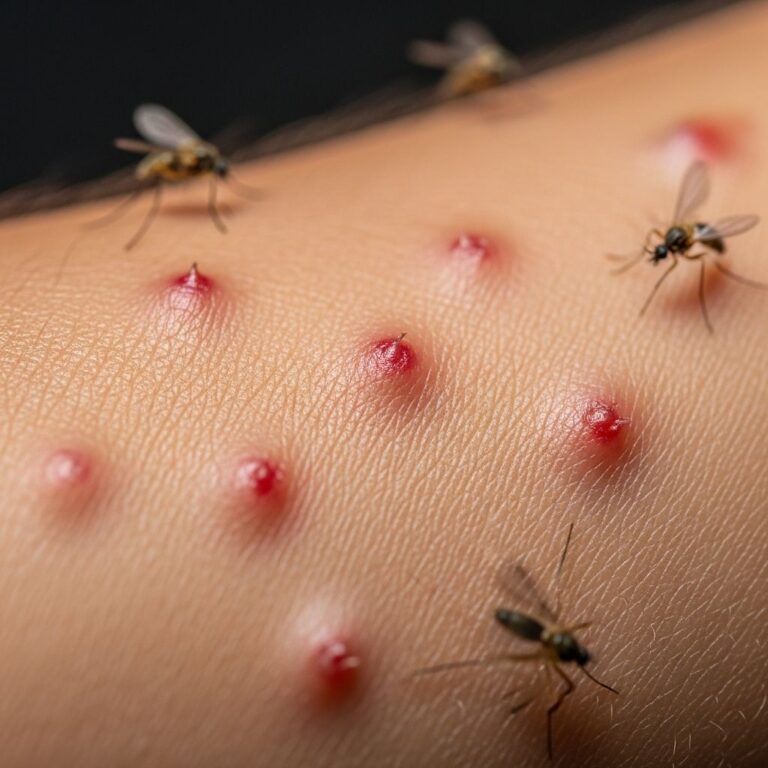
Swimmer’s itch arises from parasitic larvae in freshwater lakes or oceans, not pools—chlorine kills these parasites. Symptoms like pimples and blisters emerge within 12 hours, confined to exposed areas.
Hot Tub Rash (Pseudomonas Folliculitis)
Caused by bacteria in poorly maintained hot tubs, this presents as itchy, pus-filled bumps around hair follicles.
Heat Rash
Blocked sweat ducts in hot, humid conditions cause this prickly sensation, unrelated to chemicals.
| Condition | Cause | Key Symptoms | Setting |
|---|---|---|---|
| Chlorine Rash | Chlorine irritant | Red, itchy, dry skin; worsens with re-exposure | Pools/hot tubs |
| Swimmer’s Itch | Parasite larvae | Pimples to blisters in 12 hrs | Fresh/saltwater |
| Hot Tub Rash | Pseudomonas bacteria | Pus-filled bumps | Hot tubs |
| Heat Rash | Sweat duct blockage | Prickly heat, small bumps | Hot/humid environments |
Treatment for Chlorine Rash
Most cases resolve with home care, focusing on soothing irritation and restoring the skin barrier.
- Immediate rinse: Shower with lukewarm water and mild soap to remove chlorine residue.
- Moisturize: Apply fragrance-free lotions or aloe vera to hydrate dry skin.
- Hydrocortisone cream (1% OTC): Reduces inflammation and itching; avoid face/eyes.
- Antihistamines: Oral options like diphenhydramine ease hives and itch.
- Cool compresses: Alleviate burning sensation.
Related Stories



Avoid scratching to prevent infection. Symptoms typically improve in a few days. For severe cases—persistent rash, blisters, fever, or breathing issues—seek medical care; prescription steroids or antibiotics may be needed.
Prevention of Chlorine Rash
Proactive steps minimize risk without avoiding pools entirely.
- Pre-swim shower: Rinse off lotions, oils, and sweat to reduce chloramine formation.
- Barrier protection: Wear waterproof lotions, petroleum jelly on dry areas, or full-body suits.
- Post-swim routine: Shower immediately with a chlorine-neutralizing wash.
- Hydrate skin: Moisturize liberally after swimming.
- Pool maintenance: Well-balanced pH (7.2-7.8) lowers irritation risk.
Competitive swimmers may benefit from professional skin consultations.
When to See a Doctor
Consult a healthcare provider if:
- Rash persists beyond 3-5 days despite treatment.
- Signs of infection appear: pus, increased swelling, fever.
- Severe symptoms: widespread hives, breathing difficulty (rare allergic reaction).
- Eye involvement or chronic recurrence.
Dermatologists can patch-test for sensitivities or prescribe stronger therapies.
Frequently Asked Questions (FAQs)
Is chlorine rash an allergy?
No, it’s irritant contact dermatitis, not a true allergy. True chlorine allergies are rare and involve immune responses.
How long does chlorine rash last?
Typically 1-3 days with proper care; severe cases up to a week.
Can children get chlorine rash?
Yes, children’s thinner skin makes them more susceptible. Use extra prevention.
Does chlorine rash affect hair or eyes?
Hair becomes dry and brittle; eyes may redden or sting from vapor exposure.
Is swimmer’s itch prevented by chlorine?
Yes, chlorine kills the parasites causing swimmer’s itch in pools.
Long-Term Effects and Special Considerations
Repeated exposure can exacerbate conditions like atopic dermatitis, leading to chronic dryness or ‘pool dermatitis.’ Swimmers with eczema should consult dermatologists for tailored regimens. Pregnant individuals or those with respiratory issues may need extra caution due to inhalation risks.
For athletes, balancing training with skin health involves regular moisturizing and occasional pool breaks. Advances in pool chemistry, like saltwater systems, reduce chlorine needs but don’t eliminate risks.
References
- Chlorine rash: Appearance, treatment, prevention — Medical News Today. 2023-05-15. https://www.medicalnewstoday.com/articles/323134
- Chlorine Rash: Causes, Symptoms, and Prevention — UrgiClinic. 2024-01-10. https://www.urgiclinic.com/chlorine-rash-causes-symptoms-and-prevention
- Chlorine Rash: Treatment and Prevention — Healthline. 2023-11-20. https://www.healthline.com/health/chlorine-rash
- Does Pool Water Affect your Skin and Hair? — Cleveland Clinic Newsroom. 2024-06-17. https://newsroom.clevelandclinic.org/2024/06/17/does-pool-water-affect-your-skin-and-hair
- Chlorine Allergy | Causes, Symptoms & Treatment — ACAAI Public Website. 2023-07-12. https://acaai.org/allergies/allergic-conditions/chlorine-allergy/
- Pooling the evidence: A review of swimming and atopic dermatitis — PMC (NCBI). 2024-03-05. https://pmc.ncbi.nlm.nih.gov/articles/PMC10946598/
Similar Articles








Read full bio of medha deb