Chlorophyll Benefits: 7 Science-Backed Health Effects
Discover the science-backed health benefits of chlorophyll, from detoxification and weight management to cancer prevention and skin health.
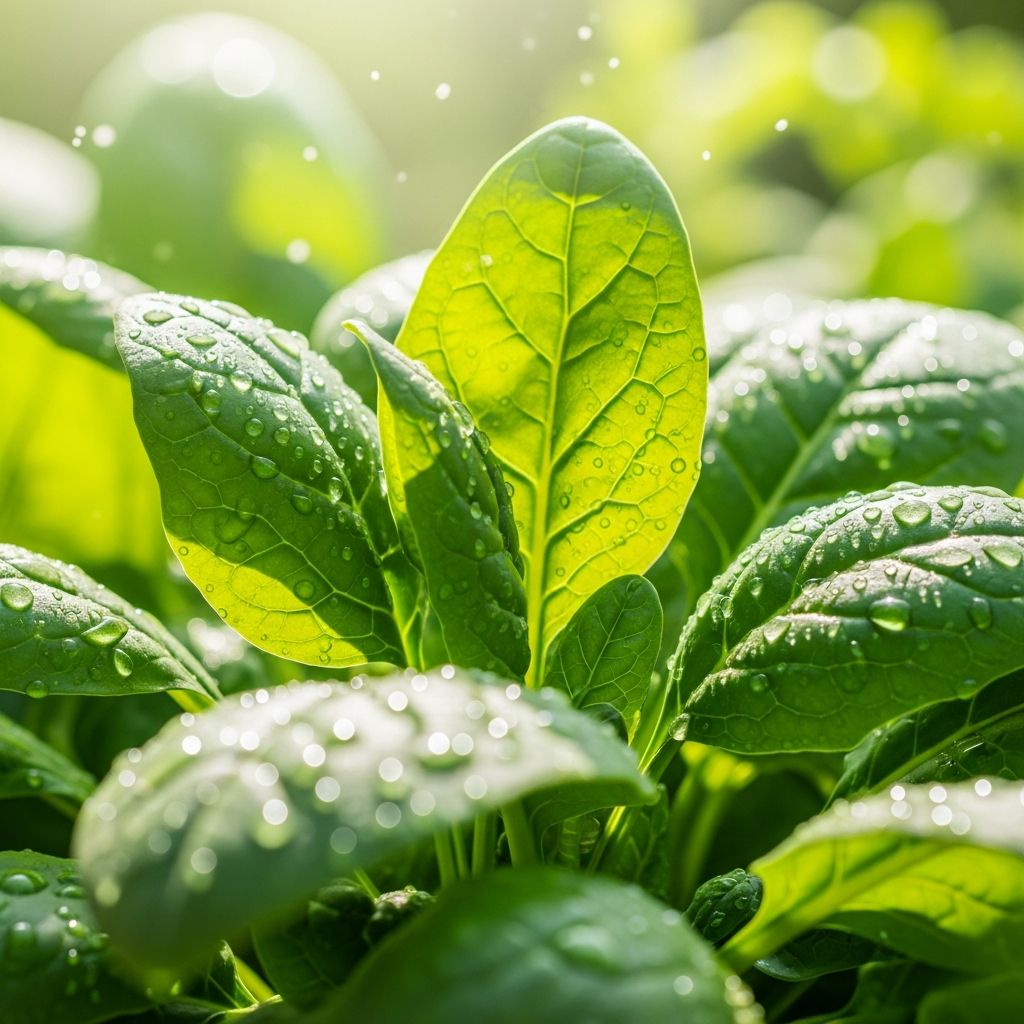
Chlorophyll, the green pigment powering photosynthesis in plants, offers promising health benefits when consumed through foods or supplements. Research highlights its roles in detoxification, weight management, antioxidant protection, and potentially reducing cancer risk.
What Is Chlorophyll?
Chlorophyll is a naturally occurring pigment that gives plants, algae, and some bacteria their vibrant green color. It absorbs sunlight to convert carbon dioxide and water into glucose and oxygen through photosynthesis. Structurally similar to heme in human hemoglobin, chlorophyll consists of a porphyrin ring with a magnesium atom at its center, unlike the iron in heme.
Humans obtain chlorophyll primarily from green vegetables like spinach, kale, parsley, and wheatgrass. During digestion, chlorophyll a and b convert to metal-free derivatives like pheophytins and pheophorbides, which may drive many observed health effects.
Chlorophyll supplements, often as chlorophyllin (a water-soluble derivative), provide concentrated doses. These are popular in liquid form added to water, but evidence on bioavailability remains limited.
Potential Health Benefits of Chlorophyll
Emerging research suggests chlorophyll and its derivatives offer antioxidant, anti-inflammatory, and detoxifying properties. Here’s a breakdown of key benefits supported by studies:
1. Powerful Antioxidant Effects
Chlorophyll neutralizes reactive oxygen species (ROS), reducing oxidative stress linked to chronic diseases. In vitro and animal studies show chlorophyll a and b scavenging free radicals, protecting cells from damage.
Leafy greens rich in chlorophyll correlate with lower inflammation markers and improved overall health in human observational data.
2. May Aid in Cancer Prevention
Chlorophyllin binds to carcinogens like aflatoxins, preventing DNA adduct formation. A human study in China found 100 mg chlorophyllin three times daily for 4 months reduced urinary aflatoxin-DNA adducts by 55% in high-risk individuals.
Animal research demonstrates chlorophyll inhibiting pancreatic tumor growth and limiting colon cancer risk via increased fiber and antioxidants from chlorophyll-rich diets. Test-tube studies confirm antiproliferative effects on cancer cells.
3. Supports Weight Loss and Appetite Control
Thylakoids (chlorophyll-containing plant membranes) suppress appetite and promote satiety. A study of overweight women taking thylakoid supplements daily for 3 months reported significant weight loss, reduced cravings for sweets, and lower LDL cholesterol.
In high-fat diet-fed mice, chlorophyll-rich extracts from spinach and Spirulina reduced body weight gain, fat mass, triglycerides, and improved glucose tolerance while enhancing gut microbiota diversity.
| Study | Population/Model | Key Findings |
|---|---|---|
| Thylakoid supplementation | Overweight women | Weight loss, appetite suppression, lower cholesterol |
| Spirulina extract | Mice on HFD | Reduced fat accumulation, increased thermogenesis |
| Spinach extract | Mice on HFD | Improved glucose tolerance, reduced inflammation |
4. Promotes Skin Healing and Anti-Aging
Topical and oral chlorophyll may accelerate wound healing and reduce acne. Its anti-inflammatory and antibacterial properties combat skin infections. Limited human studies suggest improved skin elasticity and reduced photoaging signs.
5. Detoxification and Protection Against Toxins
Related Stories



Chlorophyll chelates heavy metals and endocrine disruptors, aiding their excretion. It protects against oxidative damage to endocrine organs like ovaries and thyroid. This detoxification may also support brain health by eliminating neurotoxins linked to cognitive decline.
6. Improves Gut Health and Microbiome
Chlorophyll acts as a prebiotic, fostering beneficial gut bacteria. Human trials with thylakoids increased microbiome diversity, potentially enhancing lipid and glucose metabolism.
7. Blood Building and Deodorizing Effects
A pilot study found wheatgrass (70% chlorophyll) reduced blood transfusion needs in thalassemia patients, hinting at red blood cell support. Anecdotal reports claim natural deodorizing by neutralizing odors.
How to Get More Chlorophyll
- Foods: Spinach, kale, Swiss chard, parsley, cilantro, matcha, spirulina, wheatgrass, alfalfa sprouts.
- Juices/Smoothies: Blend greens with fruits for palatable chlorophyll boosts.
- Supplements: Liquid chlorophyllin (100-300 mg/day), thylakoid powders, or green superfood blends. Start low to assess tolerance.
Aim for 100-300 mg daily from diet or supplements, but prioritize whole foods for fiber synergy.
Chlorophyll Supplements: Benefits vs. Risks
Supplements offer convenience but lack robust long-term human data. Potential side effects include green stools, digestive upset, or allergic reactions. Consult a doctor, especially if pregnant, breastfeeding, or on medications.
Limited evidence supports claims like immune boosting or fungus elimination; more rigorous trials needed.
Chlorophyll Water Recipe
Simple Recipe: Mix 1 tsp liquid chlorophyll (100 mg) in 16 oz water with lemon and cucumber slices. Consume daily for hydration and potential detox support.
Frequently Asked Questions (FAQs)
Is liquid chlorophyll safe to drink daily?
Generally safe at recommended doses (100-300 mg/day), but may cause GI upset. Consult healthcare provider for personalized advice.
Does chlorophyll help with weight loss?
Promising small studies show appetite suppression and modest weight reduction, especially with thylakoids, but not a miracle solution.
Can chlorophyll prevent cancer?
It blocks carcinogen absorption in studies, reducing risk markers, but not a proven cure. Combine with a plant-rich diet.
What’s the best source of chlorophyll?
Whole green vegetables provide fiber and nutrients alongside chlorophyll; supplements suit those needing concentrated doses.
Does chlorophyll detox the body?
It binds toxins for excretion and supports antioxidants, aiding natural detox pathways.
Bottom Line
Incorporate chlorophyll-rich greens for evidence-based benefits like detoxification, weight support, and antioxidant protection. While supplements show promise, whole foods offer comprehensive nutrition. More human research will clarify optimal use.
References
- Enhancing Health Benefits through Chlorophylls and Chlorophyll-Rich Agrofood: An Overview — Hosikian A, et al. PubMed Central. 2023-07-28. https://pmc.ncbi.nlm.nih.gov/articles/PMC10384064/
- Liquid Chlorophyll Benefits and Risks — Healthline. 2023. https://www.healthline.com/health/liquid-chlorophyll-benefits-risks
- Liquid Chlorophyll: Are the Benefits Real? — GoodRx. 2024. https://www.goodrx.com/well-being/supplements-herbs/liquid-chlorophyll-water
- 6 things to know about chlorophyll — MD Anderson Cancer Center. 2024-05-01. https://www.mdanderson.org/cancerwise/what-are-the-benefits-of-drinking-chlorophyll-6-things-to-know.h00-159460056.html
Similar Articles








Read full bio of medha deb