Chlortalidone Tablets (Hylaton): Essential Guide For Patients
Comprehensive guide to chlortalidone tablets (Hylaton): uses, dosage, side effects, and essential patient information for managing hypertension and fluid retention.
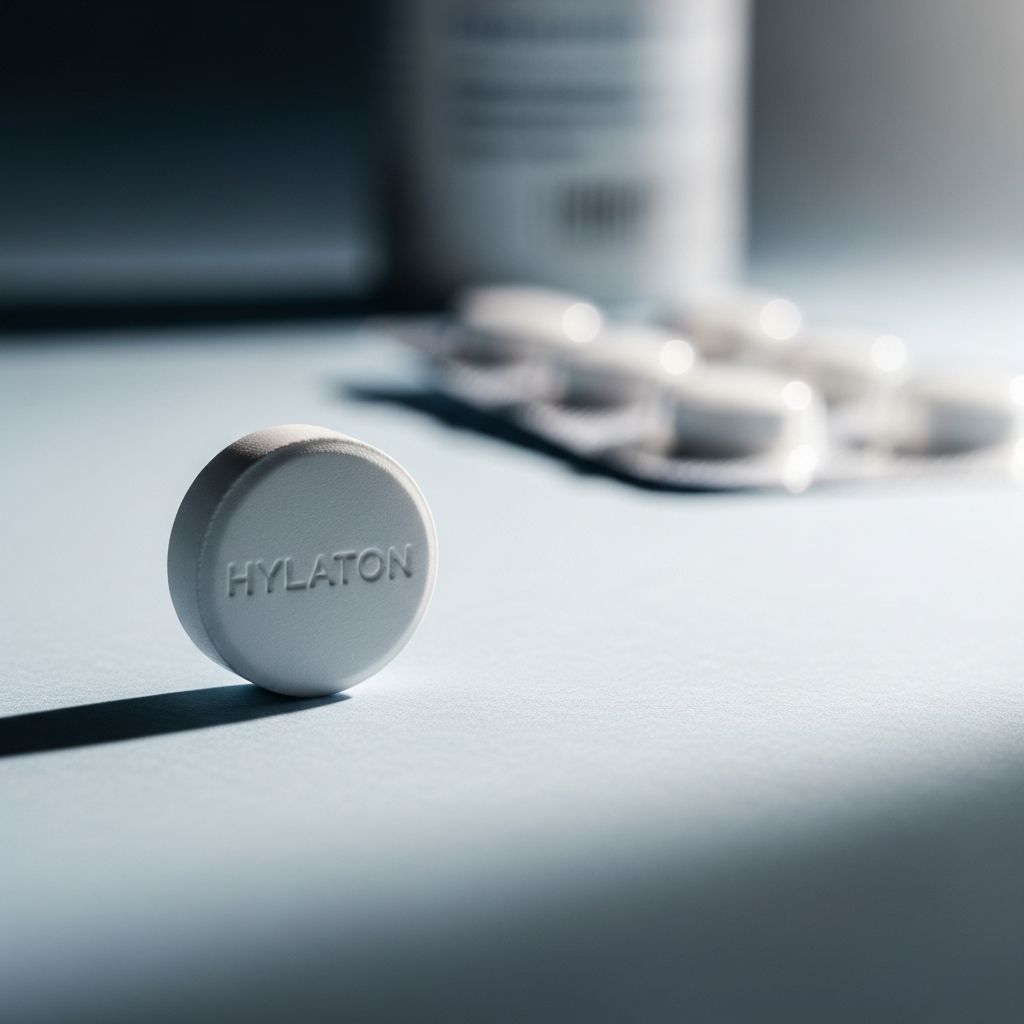
Chlortalidone is a ‘water tablet’ (a diuretic) that helps increase urine production to reduce fluid buildup in the body. It is best taken in the morning with breakfast to minimize nighttime urination. Side effects are typically mild, such as nausea or dizziness, but should be monitored.
About chlortalidone
Chlortalidone belongs to a group of medicines known as thiazide-related diuretics. These medications work by prompting the kidneys to produce more urine, thereby removing excess salt and water from the body. This action helps lower blood pressure and alleviate fluid retention associated with various conditions.
Commonly used for high blood pressure (hypertension), chlortalidone reduces the heart’s workload and prevents damage to blood vessels, lowering the risk of strokes, heart attacks, and kidney problems. It is also effective for fluid retention (edema) in heart failure, liver cirrhosis, renal diseases like nephrotic syndrome, and even diabetes insipidus, where excessive dilute urine production causes constant thirst.
| Type of medicine | Thiazide-related diuretic |
|---|---|
| Used for | High blood pressure; fluid retention; heart failure; diabetes insipidus |
| Also called | Chlorthalidone (in US); Hylaton®; Combination brands: Tenoret® (with atenolol), Tenoretic® |
| Available as | Tablets (typically 50 mg, e.g., Hylaton 50mg) |
In heart failure, chlortalidone supports the heart by reducing fluid overload, improving its pumping efficiency. For diabetes insipidus, its mechanism is less clear but helps manage excessive urination and thirst. It is often combined with other antihypertensives in single tablets to simplify dosing and improve adherence.
Key facts about chlortalidone
- Chlortalidone starts working within 2 hours, with peak effects in 12-24 hours, lasting up to 72 hours, making it suitable for once-daily dosing.
- It is more potent and longer-acting than many thiazide diuretics, providing sustained blood pressure control.
- Not suitable for everyone; caution in those with gout, diabetes, lupus, low potassium/sodium, high calcium, or Addison’s disease.
- May be prescribed alongside other drugs for enhanced effect, reducing overall pill burden.
Before taking chlortalidone
To ensure safe use, discuss your full medical history with your doctor or pharmacist. Important considerations include allergies, current medications, and specific health conditions.
Do not take chlortalidone if:
- You are allergic to chlortalidone, other thiazides, or sulfonamides.
- You have severe kidney or liver problems, or cannot urinate.
Tell your doctor if you have:
- Gout, diabetes, or lupus (SLE), as diuretics can worsen these.
- Low blood sodium/potassium or high calcium levels.
- Adrenal gland issues like Addison’s disease.
- History of skin reactions to diuretics or sulfonamides.
- Diabetes, as it may affect blood sugar control—monitor levels closely.
- Upcoming surgery or dental work, as it can interact with anesthetics.
Inform your doctor about all medicines, including over-the-counter, herbal remedies, and supplements, to avoid interactions like those with NSAIDs, lithium, or digoxin.
How to take chlortalidone
Related Stories



Follow your doctor’s instructions precisely. Read the patient information leaflet (PIL) for detailed guidance on your specific tablets.
Dosage: Typically ½-1 tablet (25-50 mg) daily for hypertension; up to 100 mg for edema or 200 mg max in some cases. For diabetes insipidus, starting dose may be 100 mg twice daily. Elderly or those with kidney issues may need lower doses.
- Take in the morning with or after breakfast to avoid sleep disruption from increased urination.
- Food helps prevent stomach upset.
- If you miss a dose before 6 pm, take it soon; otherwise, skip and resume normally. Never double up.
Regular blood tests may be needed to check electrolytes, kidney function, and blood sugar. For diabetics, test glucose frequently.
Do not buy over-the-counter meds without pharmacist advice. Inform healthcare providers of your treatment before procedures.
Common questions about chlortalidone
- Can I drive? Possible dizziness from low blood pressure—do not drive until you know how it affects you.
- Alcohol interaction? Increases dizziness risk; limit intake.
- Pregnancy/breastfeeding? Not recommended—discuss alternatives.
- Duration? Often long-term for hypertension; do not stop without advice.
Side-effects of chlortalidone
Most side effects are mild and improve over time. Serious ones are rare but require immediate medical attention.
| Common side effects | What to do |
|---|---|
| Loss of appetite, nausea, stomach upset | Take after food; usually mild |
| Dizziness (especially on standing) | Stand slowly; avoid driving/tools if affected |
| Feeling weak or tired | Rest; persists? See doctor |
| Muscle cramps | May indicate low potassium; doctor may prescribe supplements |
Serious side effects (seek urgent help):
- Severe allergic reaction (rash, swelling, breathing issues).
- Electrolyte imbalance: thirst, confusion, seizures, cramps (low sodium/potassium).
- High calcium: nausea, vomiting, confusion.
- Vision changes or eye pain (fluid buildup).
- Pancreatitis: severe abdominal/back pain.
- Skin reactions or photosensitivity.
Hypokalemia (low potassium) risk is lower than with thiazides but monitor via blood tests. Gout flares possible due to uric acid changes.
How to cope with chlortalidone side effects
- Dizziness: Rise slowly from sitting/lying; stay hydrated but follow salt/fluid advice.
- Stomach issues: Take with meals.
- Cramps/weakness: Eat potassium-rich foods (bananas, spinach) unless advised otherwise; supplements if prescribed.
- Sun sensitivity: Use sunscreen, cover up.
Report persistent or worsening effects to your doctor. Dose adjustments or alternatives may be needed.
Pregnancy and breastfeeding
Chlortalidone is not recommended during pregnancy due to risks to the fetus, such as low amniotic fluid or birth defects. Use effective contraception if sexually active. For breastfeeding, it passes into milk and may harm the baby—discuss safer options.
Other medicines, food, drink and driving
- Interactions: Avoid NSAIDs (ibuprofen), as they reduce effectiveness; caution with blood pressure meds, lithium, digoxin, antidiabetics.
- Food/Drink: No major issues; licorice can worsen low potassium.
- Driving: Impaired if dizzy; assess personally.
Frequently Asked Questions (FAQs)
Q: When is the best time to take chlortalidone?
A: In the morning with breakfast to avoid nighttime urination.
Q: Does chlortalidone cause weight loss?
A: Temporary water weight loss from diuresis, not fat loss.
Q: Can I take it with other blood pressure meds?
A: Yes, often combined; doctor will monitor.
Q: How long until it works for blood pressure?
A: Full effects in 2-4 weeks; continue as prescribed.
Q: What if I have low potassium?
A: Doctor may test/add supplements; eat potassium-rich foods.
References
- Chlortalidone tablets (Hylaton) — Patient.info. 2023-03-28. https://patient.info/medicine/chlortalidone-tablets-hylaton
- THALITONE (chlorthalidone) Prescribing Information — FDA (U.S. Food and Drug Administration). 2019. https://www.accessdata.fda.gov/drugsatfda_docs/label/2019/019574s017lbl.pdf
- Chlorthalidone (oral route) Description — Mayo Clinic. Accessed 2026. https://www.mayoclinic.org/drugs-supplements/chlorthalidone-oral-route/description/drg-20071817
- Hylaton 50mg Tablets PIL — Medicines.org.uk (MHRA). Accessed 2026. https://www.medicines.org.uk/emc/files/pil.11981.pdf
- Hylaton 50mg Tablets Summary — Medicines.org.uk (MHRA). Accessed 2026. https://www.medicines.org.uk/emc/product/11982/pil
- Chlorthalidone: MedlinePlus Drug Information — MedlinePlus (National Library of Medicine). Accessed 2026. https://medlineplus.gov/druginfo/meds/a682342.html
Similar Articles








Read full bio of Sneha Tete