Cholecystectomy (Gallbladder Removal): Surgery & Recovery
Complete guide to gallbladder removal surgery, including laparoscopic and open procedures, recovery timeline, and what to expect.
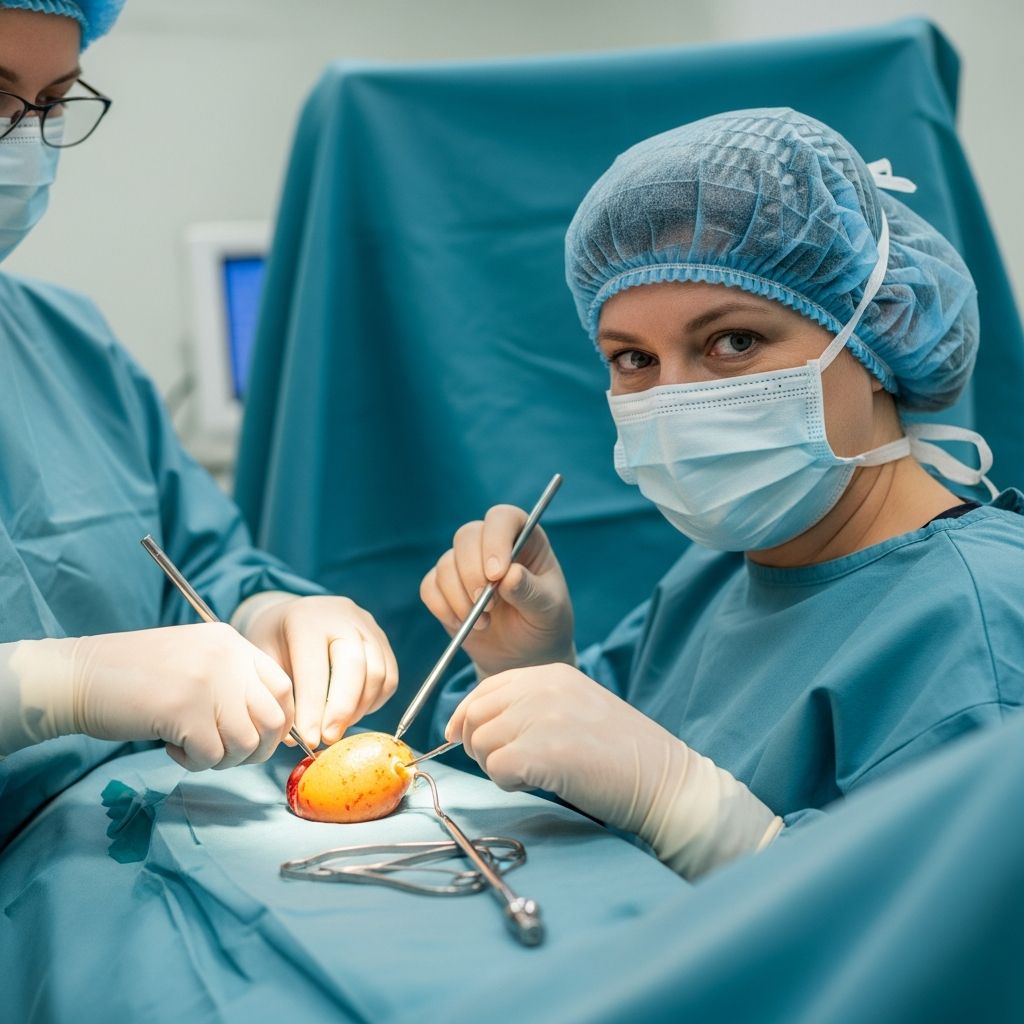
A cholecystectomy is a surgical procedure to remove your gallbladder, a small hollow organ that stores bile to help your digestive system break down fats. If you have chronic or persistent gallbladder disease, your doctor may recommend this surgery. Gallstones are the most common reason for gallbladder removal. You can live a healthy, normal life without a gallbladder, and this is one of the most common procedures performed worldwide. In the United States, most surgeons perform this surgery as a laparoscopic procedure, which uses minimally invasive techniques to reduce pain and speed up recovery.
What Is a Gallbladder and Why Do You Need Removal Surgery?
Your gallbladder is a small organ located beneath your liver on the right side of your abdomen. Its primary function is to store bile, a digestive fluid produced by your liver. When you eat fatty foods, your gallbladder contracts and releases bile into your small intestine to help digest those fats. However, when bile contains too much cholesterol or bilirubin, gallstones can form inside the gallbladder. These hardened deposits can block the flow of bile in your digestive system, causing significant problems.
Gallstone blockages can lead to several complications. When bile flow is obstructed, you may experience bloating, nausea, vomiting, and severe pain in your abdomen, shoulder, back, or chest. In some cases, gallstones can also block the ducts that channel bile from the liver or gallbladder to the intestine. This blockage can cause the gallbladder to become infected, or it may lead to jaundice, characterized by yellowing of your skin or eyes. Additionally, a blockage in the common bile duct can irritate the pancreas, potentially causing pancreatitis. Cholecystectomy is the only treatment that can reliably prevent these problems from recurring.
Understanding the Two Types of Cholecystectomy
There are two main surgical approaches to gallbladder removal: laparoscopic and open cholecystectomy. Most modern surgeons prefer the laparoscopic approach due to its minimally invasive nature, but the choice depends on your individual circumstances and medical history.
Laparoscopic Cholecystectomy
Laparoscopic cholecystectomy is the standard approach for most patients. During this procedure, your surgeon makes several small incisions in your abdomen, typically four small cuts about one-half inch each. A laparoscope, which is a narrow tube with a tiny video camera attached, is inserted through one incision near your navel. This allows your surgeon to see the inside of your abdomen on a video monitor. Through the other small incisions, your surgeon inserts specialized surgical instruments to carefully dissect your gallbladder away from surrounding tissue, tie off the blood supply, and remove it.
Your surgeon may also perform a cholangiogram, a special X-ray taken during surgery, to check for gallstones in your common bile duct. If stones are found, they may be removed during the same procedure. A laparoscopic cholecystectomy typically takes 60 to 90 minutes. The main advantages of this approach include smaller incisions, less post-operative pain, faster recovery time, and the ability to go home the same day in most cases.
Open Cholecystectomy
An open cholecystectomy involves making a single larger incision, typically 5 to 6 inches long, below your ribs on the right side of your abdomen or sometimes in the center of the abdomen. Your surgeon pulls back the muscle and tissue to expose your liver and gallbladder, then carefully removes the gallbladder. The blood supply is tied off and divided. Like the laparoscopic approach, a cholangiogram may be performed to check for stones in the common bile duct, and any stones found are removed at that time. The incision is closed with surgical clips and stitches. An open cholecystectomy also takes approximately one to two hours.
Related Stories



Your surgeon may need to convert from a laparoscopic approach to an open procedure during surgery due to scar tissue from previous surgeries, complications discovered during the procedure, or other anatomical considerations. This conversion is done to ensure your safety and the successful removal of your gallbladder.
Preparation for Gallbladder Removal Surgery
Proper preparation is essential for a successful surgical outcome. Your healthcare team will provide specific instructions tailored to your situation. Generally, you’ll need to fast for several hours before your surgery—typically nothing to eat or drink after midnight the night before your procedure. Your care team will review your current medications and may ask you to stop taking certain medications before surgery.
You’ll undergo standard pre-operative tests, which may include blood work, an electrocardiogram (EKG), and sometimes imaging studies like ultrasound or CT scans to confirm gallstone diagnosis and rule out other complications. On the day of surgery, you’ll arrive at the hospital early to check in. You’ll be given an intravenous (IV) line for fluids and medications. Your surgical team will review your medical history, discuss the procedure one final time, and answer any remaining questions. You’ll then be given general anesthesia, which will relax your muscles, prevent pain, and help you fall asleep. A breathing tube will be placed down your throat to keep your airway open during surgery.
What to Expect During Surgery
The specifics of your surgery depend on whether you’re having a laparoscopic or open procedure. For laparoscopic surgery, your abdomen will be inflated with carbon dioxide gas, a harmless substance that gives your surgeon better visibility of your organs. Your surgeon will insert the laparoscope through the incision at your navel and examine your gallbladder and surrounding anatomy on the video monitor. Using long instruments inserted through additional small incisions, your surgeon will grasp and dissect your gallbladder away from surrounding tissue, ligate the blood vessels, and remove the organ. If necessary, your surgeon may perform imaging tests such as X-rays or ultrasound to check for any problems in your bile duct before closing the incisions.
For open surgery, after making the larger incision and pulling back tissue and muscle to expose your organs, your surgeon directly visualizes your gallbladder and surrounding structures. The gallbladder is carefully dissected from surrounding tissue, the blood supply is tied off and divided, and the organ is removed. Again, a cholangiogram may be performed if indicated. The larger incision is then closed with surgical clips and stitches.
Recovery Timeline and Post-Operative Care
Your recovery depends on the type of surgery performed. After laparoscopic cholecystectomy, most people go home the same day or after an overnight stay. The small incisions cause minimal tissue damage, resulting in less pain and faster healing. You can typically resume light activities within a few days and return to normal activities within one to two weeks. Some mild discomfort, bloating, or shoulder pain from the carbon dioxide gas is normal and usually resolves within a few days.
Recovery from open cholecystectomy takes longer because of the larger incision. You may need to stay in the hospital for one to two days after surgery. Complete recovery typically takes four to six weeks. During this time, you should avoid heavy lifting and strenuous activities. Your surgeon will provide specific restrictions and activity guidelines.
Regardless of the surgical approach, you should expect some post-operative discomfort. Your surgeon may prescribe pain medication to manage this. You’ll be given instructions about when to remove bandages, how to care for your incisions, and when you can shower or bathe. Most people can resume a normal, healthy eating plan after their recovery. A small number of people develop longer-term digestive difficulties after gallbladder removal, though the reasons for this are unclear.
Potential Complications and Risks
Cholecystectomy is a safe procedure with a low risk of complications. However, as with any surgery, potential risks exist. These may include infection at the incision site, bleeding, bile duct injury, blood clots, and reactions to anesthesia. Some patients may experience temporary bloating, nausea, or discomfort. In rare cases, the bile duct may be injured during surgery, which might require additional treatment.
You should contact your doctor if you experience fever, increasing pain despite medication, excessive bleeding or discharge from incisions, signs of infection, persistent nausea or vomiting, or difficulty with bowel movements. Your surgeon will discuss specific warning signs and provide you with clear instructions on when to seek medical attention.
Why Cholecystectomy Is Effective
Cholecystectomy is the most effective and only reliable long-term treatment for gallstones. Since most gallstones develop inside the gallbladder, removing the organ significantly reduces the chance that you’ll experience problems from gallstones again. If gallstones have caused you to visit the hospital once, they’re likely to do so again. Unlike medications or dietary changes that might provide temporary relief, cholecystectomy permanently eliminates the problem. Many people prefer having a planned procedure to facing repeat episodes of painful gallstone emergencies.
Frequently Asked Questions
Q: Can I live a normal life without a gallbladder?
A: Yes, absolutely. You can live a healthy, completely normal life without a gallbladder. Bile will continue to be produced by your liver and will flow directly into your small intestine rather than being stored in the gallbladder. Most people notice no difference in their digestive function after recovery.
Q: How long does gallbladder removal surgery take?
A: A laparoscopic cholecystectomy typically takes 60 to 90 minutes, while an open cholecystectomy takes approximately one to two hours. The exact time depends on your individual anatomy, any complications discovered during surgery, and whether your surgeon needs to check or clear your bile ducts.
Q: When can I return to work after gallbladder removal?
A: After laparoscopic surgery, many people can return to light desk work within one to two weeks. After open surgery, expect four to six weeks before returning to work. Your surgeon will provide specific guidelines based on your job’s physical demands and your individual recovery progress.
Q: Will I need to follow a special diet after gallbladder removal?
A: Most people can resume a normal, healthy eating plan after recovery. You may want to avoid very fatty or greasy foods initially if you experience digestive upset, but there are typically no permanent dietary restrictions. Your surgeon and dietitian can provide specific recommendations.
Q: What are the signs that I need emergency care after surgery?
A: Contact your doctor immediately if you develop fever, severe or worsening pain despite medication, excessive bleeding or drainage from incisions, signs of infection, persistent nausea or vomiting, or difficulty passing stools.
Q: Is laparoscopic surgery better than open surgery?
A: For most patients, laparoscopic surgery is preferred because it uses smaller incisions, causes less pain, results in faster recovery, and allows you to go home the same day. However, open surgery may be necessary in certain situations, such as extensive scarring or complications. Your surgeon will determine the best approach for your individual case.
References
- Cholecystectomy (Gallbladder Removal): Surgery & Recovery — Cleveland Clinic. 2024. https://my.clevelandclinic.org/health/procedures/21614-gallbladder-removal
- Cholecystectomy (Gallbladder Removal) — Mayo Clinic. 2024. https://www.mayoclinic.org/tests-procedures/cholecystectomy/about/pac-20384818
- Laparoscopic Cholecystectomy (Gallbladder Removal) — Cleveland Clinic Abu Dhabi. 2024. https://www.clevelandclinicabudhabi.ae/en/health-hub/health-resource/treatments-and-procedures/laparoscopic-cholecystectomy
- Gallstones (Cholelithiasis): Symptoms, Causes & Treatment — Cleveland Clinic. 2024. https://my.clevelandclinic.org/health/diseases/7313-gallstones
- Gallbladder: What Is It, Function, Location & Anatomy — Cleveland Clinic. 2024. https://my.clevelandclinic.org/health/body/21690-gallbladder
Similar Articles








Read full bio of medha deb