Cholecystitis: Gallbladder Inflammation Symptoms & Treatment
Understanding cholecystitis: causes, symptoms, diagnosis, and effective treatment options for gallbladder inflammation.
What Is Cholecystitis?
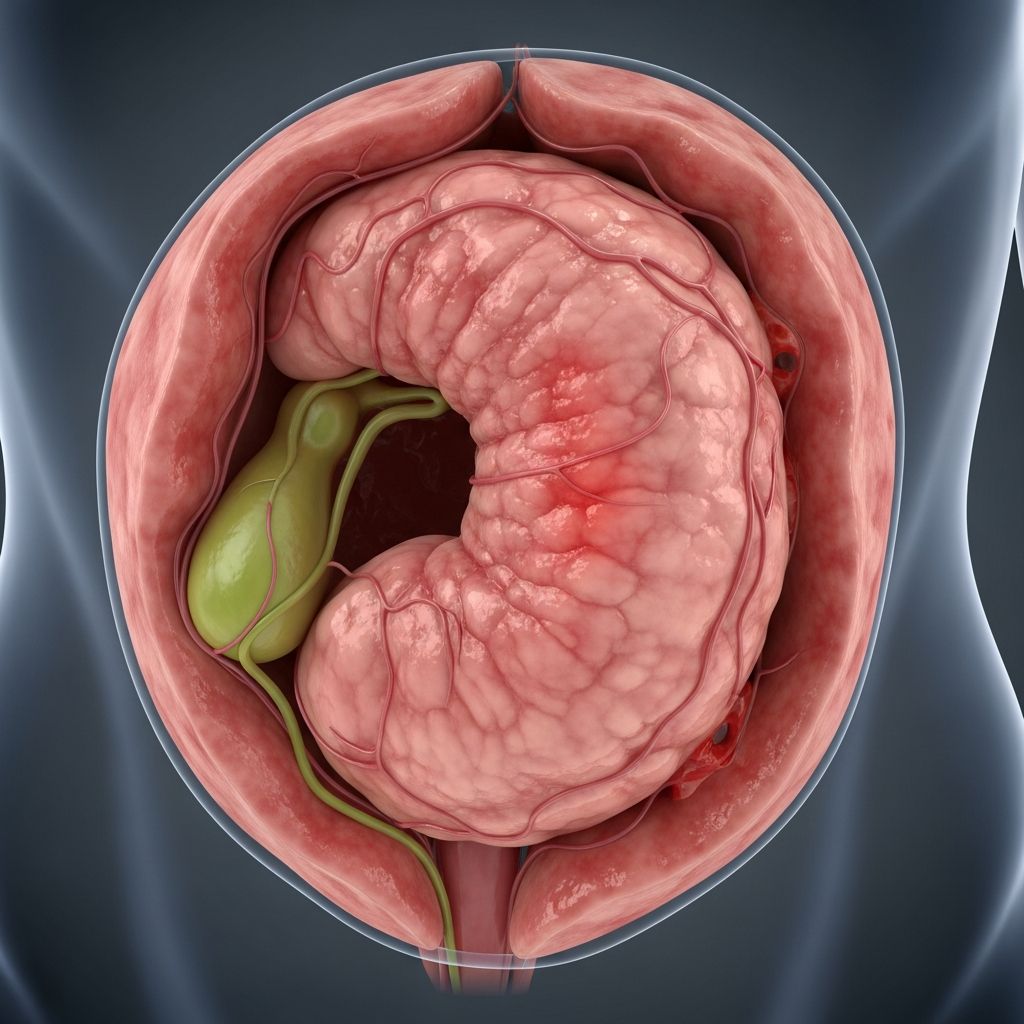
Cholecystitis (pronounced ko-leh-sis-TY-tiss) is inflammation of your gallbladder, a small, pear-shaped organ located beneath your liver in the upper right portion of your abdomen. Your gallbladder plays a crucial role in your digestive system by storing bile—a digestive fluid produced by your liver—and releasing it into your small intestine to help break down dietary fats. When infection or obstruction occurs in your gallbladder or the bile ducts connected to it, inflammation, pain, and swelling can develop, leading to cholecystitis.
Your gallbladder communicates with your digestive system through tiny pipelines called bile ducts. When these ducts become blocked or when bacteria infect the gallbladder, the resulting inflammation can range from mild to severe and potentially life-threatening if left untreated. Understanding cholecystitis is essential because it affects a significant portion of the population and can have serious consequences if not managed properly.
Types of Cholecystitis
Acute Cholecystitis
Acute cholecystitis refers to sudden, severe inflammation of the gallbladder. This type typically develops rapidly and worsens progressively as your gallbladder becomes increasingly swollen. In acute cholecystitis, a gallstone usually completely blocks the bile duct, preventing bile from flowing normally out of the gallbladder. This obstruction causes bile to back up into the gallbladder, creating pressure, inflammation, and potentially bacterial infection. Acute cholecystitis is a medical emergency requiring immediate hospitalization and intervention.
Chronic Cholecystitis
Chronic cholecystitis develops when a gallstone partially obstructs your gallbladder in an intermittent, on-and-off manner. Rather than a complete blockage, the stone may shift position, causing symptoms to appear and disappear. You might experience discomfort only occasionally, particularly after consuming heavy, fatty meals when your gallbladder contracts to release bile. Over time, repeated inflammation can cause scar tissue to develop inside your gallbladder, reducing its ability to contract effectively and further compromising bile flow. Chronic cholecystitis tends to be less immediately severe than acute cases, but the long-term inflammation can cause cumulative damage to the organ.
Causes of Cholecystitis
Gallstones as Primary Cause
Gallstones blocking your bile ducts represent the most common cause of both acute and chronic cholecystitis. Gallstones are hardened pieces of bile residue that form in your gallbladder. These stones typically accumulate at the bottom of your gallbladder but can travel through the bile ducts. When a gallstone becomes lodged in a bile duct or at the opening of your gallbladder, it obstructs the normal flow of bile. This obstruction causes bile to accumulate in your gallbladder, creating an environment conducive to inflammation and bacterial infection.
Risk Factors for Gallstone Development
While cholecystitis most commonly results from gallstones, your risk of developing gallstones increases if you have certain characteristics or conditions. Understanding these risk factors helps identify individuals at higher risk:
Related Stories



– Female gender (women are statistically more prone to gallstones)- Advanced age- Obesity and excess body weight- Rapid weight loss- High cholesterol levels- Diabetes- Sedentary lifestyle- Family history of gallstones or gallbladder disease- Certain medications (particularly those affecting cholesterol metabolism)- Pregnancy- Cirrhosis or liver disease
Other Potential Causes
While less common than gallstone obstruction, other factors can trigger cholecystitis. These include bacterial or viral infections affecting the gallbladder directly, tumors obstructing bile flow, bile duct strictures (narrowing), or complications from other abdominal conditions. In some cases, acalculous cholecystitis develops without gallstones present, sometimes occurring after major surgery, severe trauma, or during critical illness. Additionally, inflammation from conditions like pancreatitis can extend to affect the gallbladder and surrounding structures.
Symptoms and Signs of Cholecystitis
Primary Symptoms
The hallmark symptom of cholecystitis is sudden, severe abdominal pain located in the upper right portion of your abdomen. This pain often develops unexpectedly and can be debilitating. The pain typically originates in the upper right quadrant and may radiate to the center of your abdomen, your back, or the area between your shoulder blades. Many patients describe the discomfort as sharp, stabbing, or cramping in nature.
Associated Symptoms
Cholecystitis rarely occurs in isolation. Patients typically experience accompanying symptoms that may include:
– Nausea and vomiting- Fever and chills- Tenderness in the upper right abdomen- Swelling and bloating- Indigestion- Loss of appetite- Yellowing of skin and eyes (jaundice) in some cases- Right upper quadrant tenderness upon examination- Elevated white blood cell count
The severity and combination of symptoms can vary depending on whether you have acute or chronic cholecystitis. Acute cases typically present more dramatically with severe pain and systemic symptoms like fever, whereas chronic cases may produce milder, more intermittent symptoms that wax and wane over time.
Diagnostic Procedures
Ultrasound Imaging
Right upper quadrant ultrasound is the imaging study of choice for diagnosing cholecystitis. This non-invasive, radiation-free imaging technique can clearly visualize your gallbladder and surrounding structures. In patients with cholecystitis, ultrasound typically reveals several characteristic findings: the presence of gallstones, thickened gallbladder walls, and pericholecystic fluid (fluid surrounding the gallbladder indicating inflammation). Ultrasound is fast, accurate, and readily available, making it the first-line diagnostic tool in most medical centers.
HIDA Scan (Hepatobiliary Scintigraphy)
When cholecystitis is suspected but ultrasound results are inconclusive or negative, a HIDA (hydroxyiminodiacetic acid) scan can confirm the diagnosis. During this nuclear medicine study, radioactive material is injected and concentrates in your liver, then is excreted into the bile. In a normal functioning gallbladder, this tracer material would fill the organ. However, in cholecystitis caused by cystic duct obstruction, the gallbladder fails to visualize on the scan because the tracer cannot enter the obstructed organ. This nonvisualization of the gallbladder is a key diagnostic finding confirming cholecystitis.
Endoscopic Ultrasound
For patients with symptomatic gallstones but negative standard ultrasound findings, endoscopic ultrasound (EUS) may provide additional diagnostic information. This technique combines ultrasound imaging with endoscopy, allowing detailed visualization of the gallbladder and bile ducts from within the gastrointestinal tract. EUS is particularly useful for identifying small stones or detecting subtle abnormalities that conventional ultrasound might miss.
Laboratory Tests
Blood tests can support a cholecystitis diagnosis by revealing elevated white blood cell counts indicating infection or inflammation, and elevated liver enzymes suggesting bile duct involvement. These laboratory findings, combined with imaging studies, strengthen the diagnostic certainty.
Complications of Untreated Cholecystitis
Cholecystitis that remains untreated can progress to serious, potentially life-threatening complications. Understanding these risks emphasizes the importance of prompt medical attention and definitive treatment:
Gangrenous Cholecystitis
Severe inflammation and swelling in your gallbladder can compromise blood flow to the organ’s tissue, causing tissue death (gangrene). This complication can lead to gallbladder perforation—the organ splitting or tearing—which allows bile and bacteria to spill into your abdominal cavity. This creates a medical emergency requiring immediate surgical intervention.
Chronic Complications
Even when acute episodes resolve, chronic cholecystitis causes progressive damage through long-term inflammation. Scar tissue develops inside the gallbladder, reducing its contractility and impairing its ability to release bile effectively. Additionally, gallbladder cancer, though rare, represents a long-term complication associated with chronic cholecystitis and chronic gallstone disease. Pancreatitis (inflammation of the pancreas) can develop when gallstones block the common bile duct where it connects with the pancreatic duct.
Biliary System Complications
Backed-up bile can overflow into your bloodstream, making you systemically ill and affecting multiple organ systems. Your digestive system loses access to the bile it requires for proper fat digestion and nutrient absorption. Bile duct infections (cholangitis) can develop, causing additional inflammation and infection throughout your biliary system.
Treatment Approaches
Immediate Hospital Care
Cholecystitis requires immediate hospital treatment regardless of type or cause. Hospital care begins with supportive measures including intravenous fluids to maintain hydration, pain management medications, and antibiotics to address or prevent infection. Your medical team will work to stabilize your condition while determining the underlying cause and planning definitive treatment.
Surgical Treatment
Cholecystectomy—surgical removal of the gallbladder—represents the definitive treatment for cholecystitis. Most cholecystectomies in the United States are performed laparoscopically, a minimally invasive approach using small incisions and specialized instruments. Laparoscopic surgery offers advantages including shorter recovery time, less postoperative pain, and faster return to normal activities compared to open surgery. In cases where laparoscopic approach is not feasible due to anatomy or other factors, open cholecystectomy may be necessary.
Alternative Approaches for High-Risk Patients
In rare cases where cholecystitis was caused by a separately treatable condition unrelated to gallstones, surgery might not be necessary. Additionally, patients at prohibitively high surgical risk may not be candidates for immediate cholecystectomy. These individuals might undergo ultrasound-guided percutaneous cholecystostomy, a procedure that places a drainage tube directly into the gallbladder to relieve obstruction and allow inflammation to subside without surgery.
Management of Recurrent Episodes
Even if your present cholecystitis episode resolves—the stuck gallstone becomes dislodged or symptoms improve—both acute and chronic cholecystitis are bound to recur if the underlying gallbladder problem remains. Gallstones that have caused acute cholecystitis once are likely to do so again. Repeat episodes can eventually lead to chronic cholecystitis, and both conditions cause cumulative damage to your gallbladder. Therefore, definitive surgical treatment is recommended following resolution of an acute episode, typically within a few weeks after hospitalization.
Prevention Strategies
While not all cholecystitis cases are preventable, certain lifestyle modifications can reduce your risk of developing gallstones and cholecystitis:
– Maintain a healthy weight through balanced nutrition and regular exercise- Avoid rapid weight loss, which increases gallstone formation risk- Consume a diet low in saturated fats and high in fiber- Stay physically active with regular exercise- Limit dietary cholesterol intake- Manage diabetes effectively if you have this condition- Take medications as prescribed if you have high cholesterol
Prognosis and Outcomes
Most people with cholecystitis treated appropriately have excellent outcomes following cholecystectomy. The procedure effectively eliminates recurrent cholecystitis episodes and prevents serious complications. Recovery from laparoscopic cholecystectomy is typically quick, with most patients returning to normal activities within 2-3 weeks. Open surgery requires a longer recovery period but remains a safe and effective treatment option when necessary.
Frequently Asked Questions About Cholecystitis
Q: Can cholecystitis go away on its own?
A: While acute cholecystitis symptoms may temporarily improve with supportive care, the underlying cause typically remains. Gallstones that triggered the inflammation do not dissolve or disappear without treatment, making recurrence highly likely. Definitive treatment through cholecystectomy is recommended to prevent future episodes and complications.
Q: How long does it take to recover from gallbladder removal surgery?
A: Recovery time depends on the surgical approach. Laparoscopic cholecystectomy typically involves 2-3 weeks recovery before returning to normal activities, though some restrictions may persist longer. Open surgery requires 4-6 weeks or longer for full recovery. Your surgeon will provide specific guidance based on your individual circumstances.
Q: Is cholecystitis life-threatening?
A: Untreated cholecystitis can develop serious, potentially life-threatening complications including gangrenous cholecystitis with gallbladder perforation. However, when diagnosed and treated promptly in a hospital setting, outcomes are generally excellent. This is why seeking immediate medical attention for severe upper abdominal pain is crucial.
Q: Can you live without a gallbladder?
A: Yes, you can live normally without a gallbladder. The organ stores bile, but your liver continues producing bile even without a gallbladder to store it. Bile flows directly into your small intestine rather than being released in concentrated amounts. Most people experience no significant digestive problems after gallbladder removal.
Q: What should I do if I suspect cholecystitis?
A: Severe abdominal pain always deserves medical attention. If you experience sudden, severe pain in your upper right abdomen accompanied by nausea and vomiting, go to the emergency room or call emergency services. These hallmark symptoms suggest cholecystitis or another serious condition requiring immediate evaluation and treatment.
References
- Cholecystitis — Cleveland Clinic. 2024. https://my.clevelandclinic.org/health/diseases/15265-gallbladder-swelling–inflammation-cholecystitis
- Gallstones and Cholecystitis — Cleveland Clinic Department of Digestive Disease. 2024. https://my.clevelandclinic.org/departments/digestive/medical-professionals/hepatology/gallbladder-biliary-tract-disease
- Chronic Cholecystitis: Causes, Symptoms & Diagnosis — Healthline. 2024. https://www.healthline.com/health/chronic-cholecystitis
- Gallbladder Pain: Causes & Treatment — Cleveland Clinic. 2024. https://my.clevelandclinic.org/health/symptoms/23355-gallbladder-pain
- Gallbladder Disease: Symptoms, Treatment & What it Is — Cleveland Clinic. 2024. https://my.clevelandclinic.org/health/diseases/22976-gallbladder-disease
- Gallstones: Watch and wait, or intervene? — Cleveland Clinical Journal of Medicine. 2018. https://www.ccjm.org/content/85/4/323
Similar Articles








Read full bio of medha deb