Cholecystitis: Causes, Symptoms, and Treatment
Understanding gallbladder inflammation: symptoms, causes, diagnosis, and effective treatment options.
What is Cholecystitis?
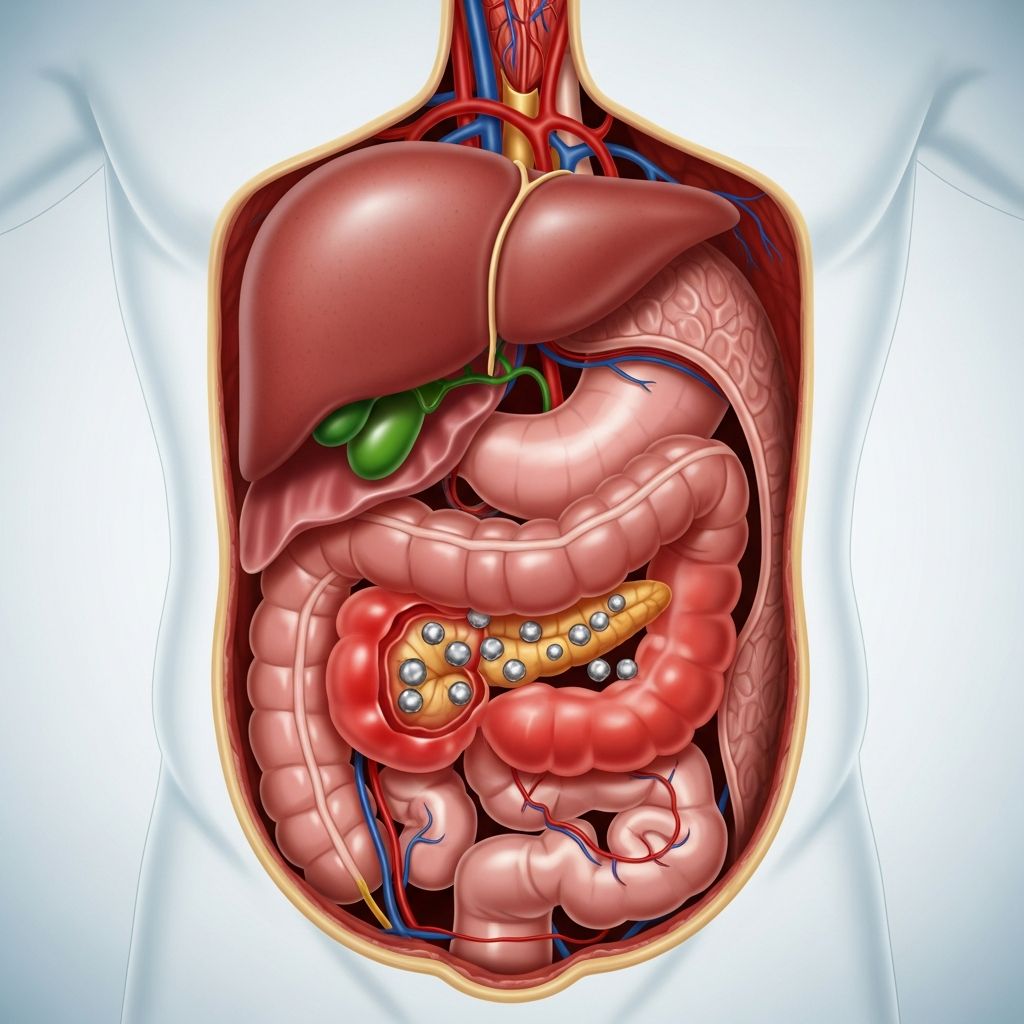
Cholecystitis is the medical term for inflammation of the gallbladder, a small organ located beneath the liver that stores bile to help digest fats. This condition occurs when the gallbladder becomes irritated and swollen, typically due to an obstruction preventing normal bile drainage. Cholecystitis can develop suddenly (acute cholecystitis) or gradually over time (chronic cholecystitis), and both forms require prompt medical attention to prevent serious complications.
The gallbladder plays an essential role in the digestive process by storing bile produced by the liver and releasing it into the small intestine when needed. When this organ becomes inflamed, it can cause significant discomfort and interfere with normal digestive function. Understanding the causes, symptoms, and treatment options for cholecystitis is crucial for managing this condition effectively.
Understanding the Gallbladder
The gallbladder is a small, pear-shaped organ located in the upper right portion of the abdomen, just beneath the liver. Its primary function is to store and concentrate bile, a digestive fluid that helps break down fats in food. When you eat, especially foods high in fat, the gallbladder contracts and releases bile into the small intestine through the bile ducts. This coordinated process is essential for proper digestion and nutrient absorption.
The bile ducts form a network of tubes that transport bile from the liver through the gallbladder and into the small intestine. The cystic duct specifically connects the gallbladder to the main bile duct. When these ducts become blocked or when bile cannot flow properly, the gallbladder can become inflamed, leading to cholecystitis.
Causes of Cholecystitis
Gallstones: The Primary Cause
Gallstones are the most common cause of cholecystitis, accounting for the majority of cases. These hard deposits form when cholesterol, bile pigments, and other substances in the bile harden into stone-like structures. Gallstones typically develop at the bottom of the gallbladder but can travel through the bile ducts. When a gallstone becomes lodged in the cystic duct or the opening to the gallbladder, it blocks the flow of bile, causing it to accumulate in the gallbladder and triggering inflammation.
The buildup of bile creates increased pressure within the gallbladder, leading to distention and irritation of the gallbladder wall. This stagnant bile creates an environment favorable for bacterial growth, which can lead to infection and intensify the inflammatory response.
Other Contributing Factors
While gallstones cause most cases of cholecystitis, other factors can contribute to the development of this condition:
- Bile duct changes: Structural alterations or scarring of the bile ducts can impede normal bile flow
- Tumors: Cancerous or benign growths can block bile drainage from the gallbladder
- Infections: Certain bacterial or parasitic infections can cause gallbladder inflammation
- Severe illness: Critical medical conditions or prolonged hospitalization can contribute to acalculous cholecystitis (inflammation without gallstones)
- Total parenteral nutrition (TPN): Extended intravenous feeding without oral intake increases the risk of acalculous cholecystitis
- Bile duct sludge: Thickened bile and microscopic particles can accumulate and block the ducts
Related Stories



Symptoms of Cholecystitis
Acute Cholecystitis Symptoms
Acute cholecystitis presents with sudden onset symptoms that require immediate medical attention. The primary symptom is a sharp, intense pain in the upper right portion of the abdomen or in the center of the upper abdomen, just below the breastbone. This pain may spread toward the right shoulder blade or midback. Additional symptoms of acute cholecystitis include:
- Nausea and vomiting
- Fever, which may indicate infection
- Pain that lasts longer than six hours
- Abdominal bloating and distention
- Loss of appetite
In acute cholecystitis, the pain typically begins after eating, particularly after consuming fatty or heavy foods. The pain may be constant or intermittent but generally persists for several hours, distinguishing it from simple biliary colic, which is brief and resolves within 30 minutes to a few hours.
Chronic Cholecystitis Symptoms
Chronic cholecystitis develops gradually and presents with milder, intermittent symptoms compared to the acute form. Patients may experience recurring episodes of discomfort, known as biliary colic, characterized by:
- Right upper quadrant abdominal pain that comes and goes
- Bloating and indigestion
- Nausea following meals
- Intolerance to fatty or spicy foods
- Discomfort that may radiate to the midback or right shoulder
Symptoms of chronic cholecystitis often appear hours after eating heavy meals and may persist for years before a definitive diagnosis is made. The pain is typically less severe than acute presentations but can significantly impact quality of life and dietary choices.
Risk Factors for Cholecystitis
Certain factors increase the likelihood of developing cholecystitis. Understanding these risk factors can help with prevention and early detection:
- Age: Cholecystitis becomes more common with advancing age
- Gender: Women are more likely to develop gallstones and cholecystitis than men
- Obesity: Excess body weight increases gallstone formation risk
- Family history: Genetic predisposition plays a role in gallstone development
- Pregnancy: Hormonal changes during pregnancy increase gallstone risk
- Rapid weight loss: Sudden weight reduction accelerates gallstone formation
- High cholesterol: Elevated cholesterol levels contribute to gallstone development
- Diabetes: This condition increases the risk and severity of complications
Diagnosis of Cholecystitis
Clinical Examination
Diagnosis begins with a thorough medical history and physical examination. Your healthcare provider will ask about your symptoms, their duration, and any triggering factors. During the physical exam, your doctor may perform specific tests to assess gallbladder tenderness and function.
Laboratory Tests
Blood tests can reveal signs of inflammation and infection. Common laboratory findings in cholecystitis include elevated white blood cell count, increased liver enzymes, and elevated bilirubin levels, indicating bile backup or liver involvement.
Imaging Studies
Several imaging techniques can confirm cholecystitis diagnosis:
- Ultrasound: The primary imaging modality, ultrasound can visualize gallstones, bile duct dilation, and gallbladder wall thickening
- CT scan: Provides detailed cross-sectional images of the abdomen and can identify complications such as perforation or gangrene
- HIDA scan: This nuclear medicine study evaluates gallbladder function and bile duct patency by tracking a radioactive tracer through the biliary system
- ERCP: Endoscopic retrograde cholangiopancreatography allows direct visualization of the bile ducts and enables therapeutic intervention to remove stones
Treatment Approach
Initial Hospital Management
Cholecystitis requires hospital treatment to manage inflammation and prevent complications. Initial management focuses on supportive care:
- Fasting: You will not eat or drink initially to reduce stress on the inflamed gallbladder
- Intravenous fluids: IV fluids prevent dehydration and maintain electrolyte balance while your gallbladder rests
- Pain relief: Medications are provided to control pain and discomfort
- Antibiotics: If infection is suspected or confirmed, broad-spectrum antibiotics effective against common bacteria are administered
Surgical Treatment
Surgery to remove the gallbladder (cholecystectomy) represents the definitive treatment for cholecystitis. This procedure is recommended for most patients with this condition. Surgical intervention is preferred because it eliminates the source of inflammation and prevents recurrent episodes.
Laparoscopic Cholecystectomy
Laparoscopic cholecystectomy is the preferred surgical method for most patients. This minimally invasive procedure uses small incisions in the abdomen through which a tiny video camera and specialized surgical instruments are inserted. Carbon dioxide gas inflates the abdomen to provide the surgeon with adequate working space. The advantages of this approach include:
- Smaller incisions than open surgery
- Reduced pain and faster recovery
- Lower infection risk
- Shorter hospital stay
- Faster return to normal activities
Early laparoscopic cholecystectomy during the initial hospitalization remains the preferred approach and has been shown to reduce postoperative complications and mortality compared to delayed intervention.
Open Cholecystectomy
In cases where laparoscopic surgery is not appropriate or cannot be completed safely, open cholecystectomy may be performed. This traditional surgical approach involves a larger incision and provides an alternative when laparoscopic techniques are contraindicated.
Alternative Procedures
In select cases, endoscopic retrograde cholangiopancreatography (ERCP) may be used to remove stones blocking the bile ducts without removing the gallbladder, though surgical removal is ultimately preferred for most patients.
Complications of Untreated Cholecystitis
If cholecystitis remains untreated, serious and potentially life-threatening complications can develop:
- Gangrene: Tissue death in the gallbladder wall due to prolonged inflammation and reduced blood supply, most common in elderly patients and those with diabetes
- Perforation: A hole in the gallbladder wall that allows bile and bacteria to leak into the abdominal cavity
- Gallbladder rupture: Complete rupture of the organ, causing peritonitis (abdominal cavity infection)
- Bile duct obstruction: Persistent stone obstruction leading to jaundice and liver complications
- Sepsis: Severe systemic infection resulting from bacterial spread
Recovery and Lifestyle Management
After successful treatment for cholecystitis, most patients enjoy excellent outcomes with minimal long-term effects. Recovery depends on the type of treatment received. Patients who undergo laparoscopic cholecystectomy typically return to normal activities within 1-2 weeks, while open surgery recovery may take 4-6 weeks.
Dietary modifications may be recommended post-recovery, with gradual reintroduction of normal foods. While the gallbladder is removed, the body adapts by releasing bile continuously rather than in response to meals, allowing most people to eat normally again, though some may experience loose stools or bloating initially.
Prevention Strategies
While not all cases of cholecystitis can be prevented, certain lifestyle modifications may reduce your risk of developing gallstones and subsequent inflammation:
- Maintain a healthy weight through balanced diet and regular exercise
- Avoid rapid weight loss; lose weight gradually if needed
- Limit high-fat and high-cholesterol foods
- Increase fiber intake through fruits, vegetables, and whole grains
- Stay well-hydrated by drinking adequate water
- Avoid prolonged fasting periods
When to Seek Medical Attention
Seek immediate medical attention if you experience sudden, severe upper right abdominal pain, especially if accompanied by fever, vomiting, or signs of infection. Do not delay seeking care, as prompt treatment significantly improves outcomes and reduces the risk of serious complications.
Frequently Asked Questions
Q: What is the difference between acute and chronic cholecystitis?
A: Acute cholecystitis presents suddenly with severe pain and typically requires emergency hospital treatment and surgery. Chronic cholecystitis develops gradually with intermittent, milder symptoms that come and go over time, often triggered by fatty meals.
Q: Can cholecystitis be treated without surgery?
A: Initial treatment always involves hospital supportive care with fasting, IV fluids, antibiotics, and pain management. However, surgery to remove the gallbladder remains the definitive treatment. In rare cases where cholecystitis results from a separately treatable cause, surgery might be avoided.
Q: How long does recovery take after gallbladder removal?
A: Recovery time depends on the surgical method. Laparoscopic cholecystectomy typically requires 1-2 weeks for return to normal activities, while open surgery recovery takes 4-6 weeks.
Q: Will I be able to eat normally after gallbladder removal?
A: Yes, most people can resume a normal diet after recovery. The body adapts to continuous bile release rather than meal-triggered release, though some individuals may initially experience loose stools or bloating.
Q: Is cholecystitis life-threatening?
A: Untreated cholecystitis can lead to serious complications including perforation, gangrene, and sepsis, which can be life-threatening. However, with prompt medical treatment, the prognosis is generally excellent.
Q: Can gallstones form again after cholecystectomy?
A: No, gallstones cannot form again because the gallbladder, where stones develop, has been removed. However, stones can occasionally form in the bile ducts, though this is rare.
References
- Cholecystitis (gallbladder inflammation) — Healthdirect. 2024. https://www.healthdirect.gov.au/cholecystitis-gallbladder-inflammation
- Acute Cholecystitis — StatPearls, National Institutes of Health. 2024. https://www.ncbi.nlm.nih.gov/books/NBK459171/
- Cholecystitis (Gallbladder Inflammation): Symptoms & Treatment — Cleveland Clinic. 2024. https://my.clevelandclinic.org/health/diseases/15265-gallbladder-swelling–inflammation-cholecystitis
- Cholecystitis – Diagnosis and Treatment — Mayo Clinic. 2024. https://www.mayoclinic.org/diseases-conditions/cholecystitis/diagnosis-treatment/drc-20364895
- Acute Cholecystitis — National Health Service (NHS). 2024. https://www.nhs.uk/conditions/acute-cholecystitis/
- Cholecystitis – Symptoms and Causes — Mayo Clinic. 2024. https://www.mayoclinic.org/diseases-conditions/cholecystitis/symptoms-causes/syc-20364867
Similar Articles








Read full bio of Sneha Tete