Cholecystitis Symptoms: Signs, Causes & Treatment
Understanding cholecystitis: Learn about symptoms, causes, risk factors, and treatment options for gallbladder inflammation.
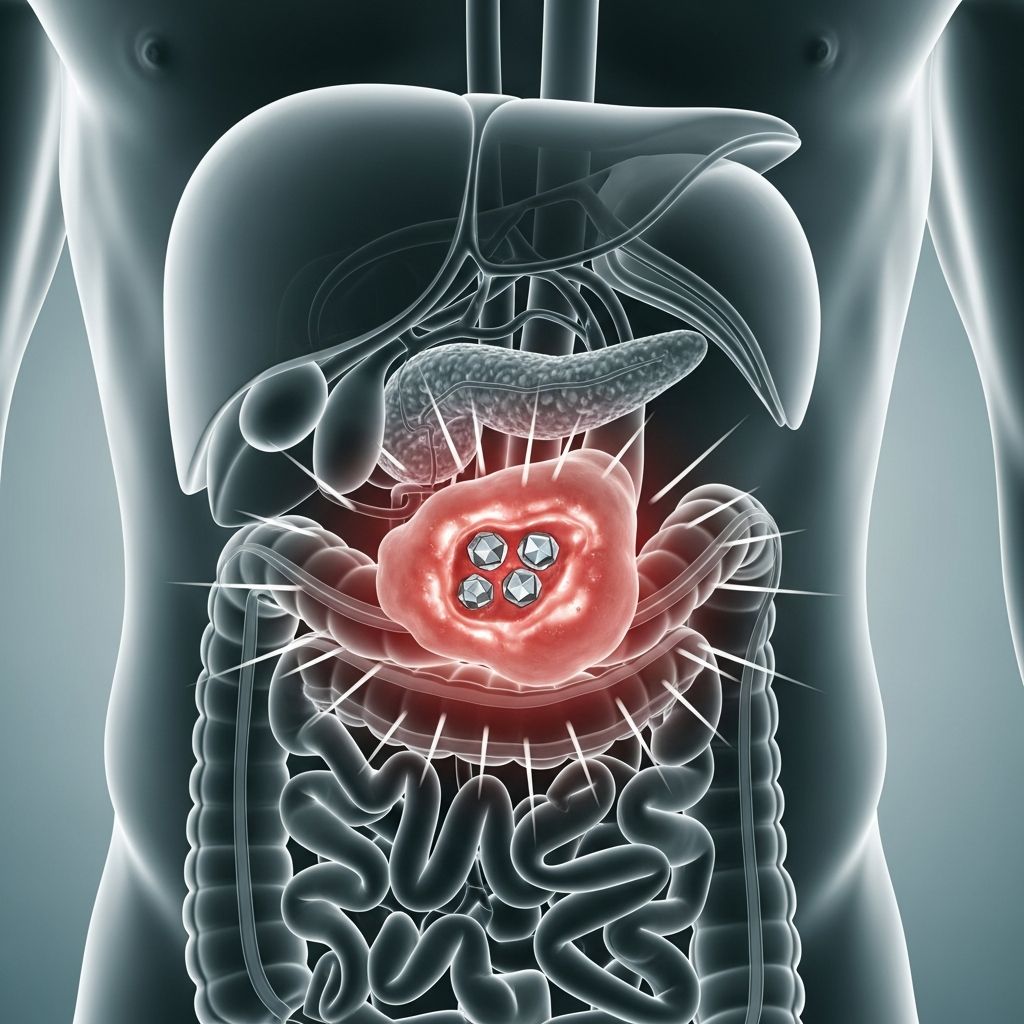
What Is Cholecystitis?
Cholecystitis is inflammation and swelling of the gallbladder, a small, pear-shaped organ located on the right side of the abdomen beneath the liver. The gallbladder plays a crucial role in digestion by storing and releasing bile, a fluid that helps break down fats in food. When the gallbladder becomes inflamed, it can cause significant discomfort and requires prompt medical attention to prevent serious complications.
The condition can develop suddenly (acute cholecystitis) or gradually over time (chronic cholecystitis). Understanding the differences between these forms, recognizing symptoms early, and knowing when to seek medical care are essential for managing this condition effectively.
Understanding the Gallbladder’s Role
The gallbladder is a small organ that serves as a storage facility for bile produced by the liver. When you eat, especially foods containing fat, the gallbladder contracts and releases bile into the small intestine through the cystic duct. This bile aids in the digestion and absorption of dietary fats. When the gallbladder becomes inflamed or its ducts become blocked, this normal digestive process is disrupted, leading to the symptoms and complications associated with cholecystitis.
Symptoms of Cholecystitis
The symptoms of cholecystitis vary depending on whether the condition is acute or chronic, but they generally develop in the upper abdominal region. Recognizing these symptoms early can help you seek appropriate medical care.
Common Symptoms
- Severe pain in the upper right or center of the abdomen: This is the most characteristic symptom, often described as intense and persistent.
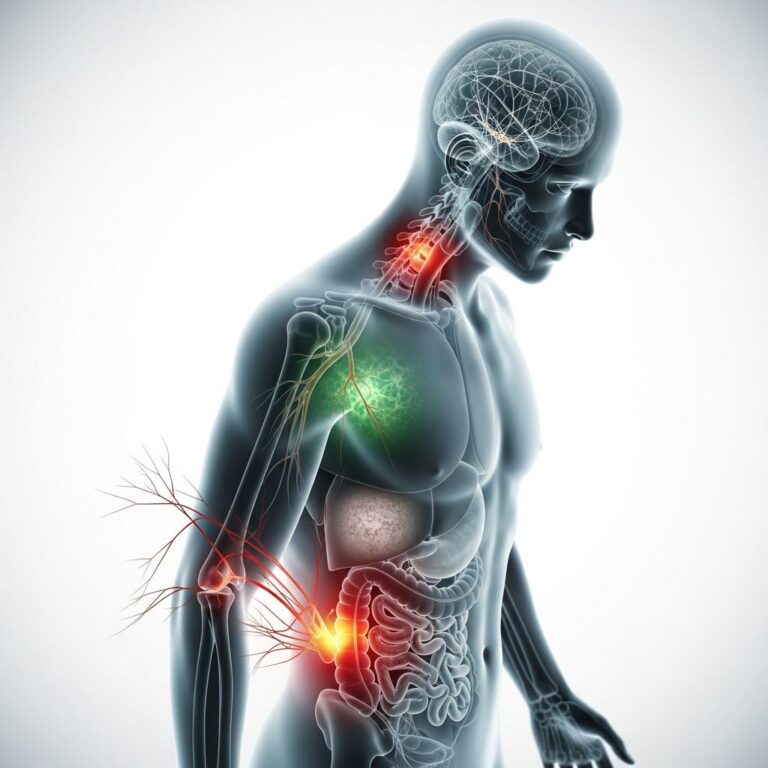
- Pain radiating to the right shoulder or back: The discomfort may extend beyond the abdomen to nearby areas.
- Tenderness when the abdomen is touched: The affected area becomes sensitive to even light pressure.
- Nausea and vomiting: These digestive symptoms often accompany the pain.
- Fever: An elevated body temperature may indicate inflammation or infection.
- Abdominal bloating: The abdomen may feel distended and uncomfortable.
- Loss of appetite: You may experience little desire to eat or feel averse to food.
- Sweating and chills: These symptoms may accompany fever in acute cases.
When Symptoms Occur
Cholecystitis symptoms often emerge after eating, particularly following a meal that is large or high in fat. This is because fatty foods trigger gallbladder contractions, which can worsen inflammation if the gallbladder is already affected. In acute cholecystitis, pain typically starts suddenly and does not resolve without treatment. In chronic cases, symptoms develop gradually over weeks or months and may come and go intermittently.
Acute vs. Chronic Cholecystitis
Understanding the difference between acute and chronic cholecystitis can help you recognize the severity of your condition and understand what to expect during treatment.
Acute Cholecystitis
Acute cholecystitis develops suddenly and presents with severe, persistent symptoms. The pain is intense and worsens without treatment, particularly when taking deep breaths. A blood test typically reveals an elevated white blood cell count, indicating inflammation or infection. Acute cholecystitis usually follows a dietary trigger, most commonly the consumption of high-fat foods. This form requires prompt medical intervention to prevent complications such as perforation, infection, or tissue death. Hospitalization is often necessary, during which patients may receive intravenous fluids, antibiotics, and pain medication while abstaining from food.
Chronic Cholecystitis
Chronic cholecystitis develops gradually, with symptoms worsening over weeks or months. Unlike acute cholecystitis, fever and chills are typically absent. The pain may be intermittent rather than constant, and patients may experience intolerance to fatty or spicy foods. Symptoms can persist for years before a definitive diagnosis is made. A doctor will typically ask about your medical history to determine if cholecystitis has recurred, as chronic cases often repeat. While chronic cholecystitis progresses more slowly, it can eventually develop into the acute form if left untreated.
Causes of Cholecystitis
Cholecystitis develops when the gallbladder becomes inflamed, usually due to obstruction or impaired function. Several factors can trigger this condition.
Related Stories



Primary Causes
- Gallstones: The most common cause, occurring in approximately 95% of acute cholecystitis cases. Gallstones are hard particles of bile that form in the gallbladder and can block the cystic duct, preventing bile from draining properly.
- Bile duct blockage: Thickened bile, tiny particles called biliary sludge, or other obstructions can prevent normal bile flow, leading to bile accumulation and inflammation.
- Tumors: Growths in or near the gallbladder can obstruct bile drainage, causing bile to build up and trigger inflammation.
- Infection: Viral infections, including those associated with AIDS and other immunodeficiency conditions, can cause gallbladder swelling and irritation.
- Kinking or scarring of bile ducts: Structural abnormalities can impede normal bile flow and lead to cholecystitis.
- Serious illness: Severe illnesses can damage blood vessels and reduce blood flow to the gallbladder, causing inflammation.
- Acalculous cholecystitis: This form occurs without gallstones, typically in critically ill patients or those receiving prolonged total parenteral nutrition (TPN).
Secondary Causes
Cholecystitis can also result from abdominal injury due to burns, trauma, or surgery; sepsis; shock; immune deficiency; and prolonged fasting. When bile stagnates in the gallbladder due to any obstruction, it creates an environment favorable for bacterial colonization, which intensifies the inflammatory response and can lead to secondary infections.
Risk Factors for Cholecystitis
Certain factors increase your likelihood of developing cholecystitis. While having gallstones is the primary risk factor, other elements can elevate your risk:
- Gender: Women are more susceptible to cholecystitis than men.
- Age: The highest incidence occurs during the fourth decade of life (around age 40).
- Obesity: Being significantly overweight increases gallstone formation risk.
- Dietary habits: Consuming high-fat, fatty, or greasy foods regularly increases risk.
- Family history: A genetic predisposition to gallstones runs in families.
- Metabolic conditions: Diabetes and other metabolic disorders increase susceptibility.
- Delayed medical treatment: Waiting to seek care for gallbladder symptoms increases complication risk.
- Advanced age: The elderly face higher risks of serious complications.
The classic clinical profile for those at highest risk has been summarized as “fat, forty, fertile, and flatulent,” referring to overweight individuals around age 40, often women of childbearing age, with gastrointestinal issues.
Complications of Untreated Cholecystitis
Without prompt treatment, cholecystitis can develop serious complications that threaten your health and require emergency intervention.
Major Complications
- Gangrene: Untreated cholecystitis can cause tissue in the gallbladder to die, particularly affecting older individuals, those with diabetes, and those who delay seeking treatment.
- Perforation and rupture: Gangrene or severe inflammation can cause the gallbladder wall to tear, allowing bile and bacteria to leak into the abdominal cavity. This is a medical emergency requiring immediate surgery.
- Secondary bacterial infection: Stagnant bile creates conditions favorable for bacterial growth, potentially leading to severe infections like emphysematous cholecystitis, a rare but life-threatening complication.
- Gallbladder distention: Severe bile accumulation causes the gallbladder to stretch and swell, increasing pain and perforation risk.
- Fistula formation: A large gallstone may erode the gallbladder wall, creating an abnormal connection between the gallbladder and duodenum, leading to stomach acid leakage.
- Fibrosis and shrinking: Chronic inflammation causes gallbladder tissue to thicken and scar, reducing its function over time.
Diagnosis of Cholecystitis
Healthcare providers use several methods to diagnose cholecystitis. Your doctor will begin by reviewing your symptoms and medical history, then perform a physical examination. During examination, they will assess tenderness over the gallbladder area. Murphy’s sign—a hallmark finding where patients experience pain during deep breathing while the gallbladder is being palpated—may be observed.
Blood tests typically reveal an elevated white blood cell count, indicating inflammation or infection. Imaging studies, primarily ultrasound, confirm the diagnosis by showing gallbladder wall thickening (greater than 3 mm), edema, pericholecystic fluid, and the presence of gallstones or sludge. These imaging findings are essential for confirming acute calculous cholecystitis.
Treatment Options for Cholecystitis
Treatment depends on the severity of your condition and whether cholecystitis is acute or chronic.
Conservative Management
Mild cases may be managed conservatively with rest and dietary modifications. Patients should avoid fatty, greasy, and spicy foods that trigger symptoms. Pain management and anti-inflammatory medications may provide relief during recovery.
Hospital-Based Treatment
Many cholecystitis cases require hospitalization. During hospitalization, patients typically undergo nothing-by-mouth (NPO) status, meaning no solid or liquid foods. Intravenous fluids maintain hydration while allowing the gallbladder to rest. Antibiotics treat or prevent bacterial infections, and pain medications manage discomfort. This supportive care allows inflammation to subside.
Surgical Intervention
Definitive treatment for cholecystitis is cholecystectomy, the surgical removal of the gallbladder. This procedure may be performed laparoscopically (minimally invasive) or through open surgery. Laparoscopic cholecystectomy is the preferred approach when feasible, offering faster recovery times and less post-operative pain compared to open surgery. Surgery is indicated for acute cholecystitis cases and is often recommended for chronic cholecystitis to prevent symptom recurrence.
Prevention of Cholecystitis
While not all cases of cholecystitis can be prevented, you can reduce your risk through lifestyle modifications. Maintain a healthy weight through balanced diet and regular exercise, as obesity increases gallstone formation. Limit high-fat foods and adopt a diet rich in fiber to support gallbladder health. Eat regular meals at consistent times to promote normal gallbladder function. Lose weight gradually if overweight, as rapid weight loss can paradoxically increase gallstone formation. Stay well-hydrated and maintain overall good health. If you have a family history of gallstones or cholecystitis, inform your healthcare provider so they can monitor you more closely.
Frequently Asked Questions
Q: How quickly do cholecystitis symptoms develop?
A: Acute cholecystitis symptoms develop suddenly and are severe, often requiring emergency care. Chronic cholecystitis symptoms develop gradually over weeks or months and may come and go intermittently.
Q: Can cholecystitis go away on its own?
A: Acute cholecystitis typically requires medical treatment and often surgical intervention. Without treatment, complications can develop. Chronic cholecystitis may fluctuate but usually requires definitive treatment through surgery.
Q: What should I eat if I have cholecystitis?
A: During acute episodes, avoid all food and consume clear liquids only. Once improving, eat low-fat foods like lean proteins, vegetables, whole grains, and fruits. Avoid fatty, greasy, and spicy foods that trigger symptoms.
Q: How is acute cholecystitis different from chronic cholecystitis?
A: Acute cholecystitis develops suddenly with severe symptoms, often requiring hospitalization. Chronic cholecystitis develops gradually with intermittent symptoms. Acute cases typically lack fever, while chronic cases usually lack fever initially.
Q: What happens if cholecystitis is left untreated?
A: Untreated cholecystitis can lead to serious complications including gangrene, gallbladder perforation, bacterial infection, and sepsis. These complications can be life-threatening and require emergency surgery.
Q: Is cholecystectomy the only treatment for cholecystitis?
A: While cholecystectomy is definitive treatment, some mild cases may be managed conservatively with rest, hydration, antibiotics, and pain management. However, most cholecystitis cases eventually require surgical removal of the gallbladder.
Q: Can men get cholecystitis?
A: Yes, both men and women can develop cholecystitis, though women have higher susceptibility. The condition can affect individuals of any age but is most common during the fourth decade of life.
Q: What should I do if I suspect I have cholecystitis?
A: Seek immediate medical attention if you experience severe abdominal pain, especially in the upper right quadrant, accompanied by fever, nausea, or vomiting. These symptoms warrant urgent evaluation to confirm diagnosis and begin appropriate treatment.
References
- Cholecystitis – Symptoms and Causes — Mayo Clinic. 2024. https://www.mayoclinic.org/diseases-conditions/cholecystitis/symptoms-causes/syc-20364867
- Cholecystitis: Symptoms, Causes, Diagnosis, and Treatment — Medical News Today. 2024. https://www.medicalnewstoday.com/articles/172067
- Acute Cholecystitis — StatPearls, National Center for Biotechnology Information (NCBI), U.S. National Library of Medicine. 2024. https://www.ncbi.nlm.nih.gov/books/NBK459171/
Similar Articles








Read full bio of Sneha Tete