Cholestasis of Pregnancy: Causes, Symptoms & Treatment
Understanding cholestasis of pregnancy: symptoms, diagnosis, and management strategies for expectant mothers.
What Is Cholestasis of Pregnancy?
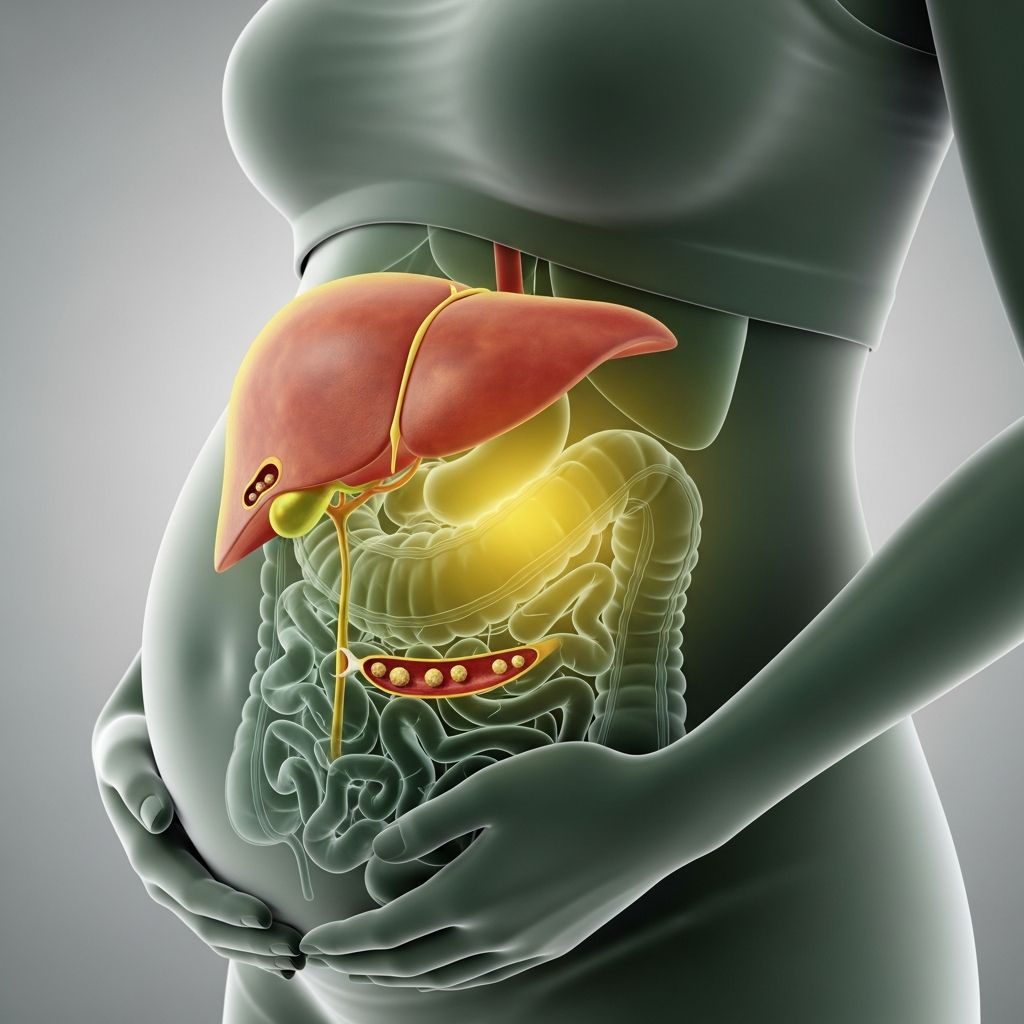
Cholestasis of pregnancy, also known as intrahepatic cholestasis of pregnancy (ICP) or obstetric cholestasis, is a liver condition unique to pregnancy that affects the way your body processes bile acids. This condition is characterized by impaired bile flow, which leads to elevated levels of bile acids accumulating in the maternal bloodstream. While it is the most common pregnancy-specific liver disorder, cholestasis of pregnancy remains relatively rare, occurring in approximately 0.3 to 0.5 percent of pregnancies among the general population.
During pregnancy, your liver plays a crucial role in removing waste from your body and from your developing fetus’s blood. When cholestasis develops, your liver isn’t functioning optimally, causing bile to build up. This can lead to bile levels rising to potentially unsafe levels that may stress your fetus’s liver and create complications for both you and your baby. Typically, cholestasis of pregnancy develops in the third trimester, around week 28 of pregnancy, when pregnancy hormone levels reach their highest concentrations.
Understanding the Causes of Cholestasis of Pregnancy
The exact causes of cholestasis of pregnancy are complex and involve multiple factors. Research suggests that hormonal changes during pregnancy play the most significant role in its development. During pregnancy, estrogen and progesterone levels increase dramatically, reaching record highs. These elevated hormone levels alter the way your liver processes bile acids, impairing the normal excretion of bile.
Hormonal Influences
The hormonal hypothesis explains much of cholestasis of pregnancy’s development. When estrogen levels are particularly high during pregnancy, they inhibit bile secretion in the liver, reducing bile flow and contributing to cholestasis. This theory is further supported by the fact that cholestasis symptoms typically resolve rapidly after delivery when estrogen levels drop significantly. Additionally, the hormone human chorionic gonadotropin (hCG) has been implicated in the pathophysiology of cholestasis, with research indicating a potential correlation between elevated hCG levels and the onset of this condition.
Genetic and Environmental Factors
In some cases, cholestasis of pregnancy is genetic, meaning you’re at higher risk if your biological parents experienced this condition during their pregnancies. The etiology of cholestasis involves genetic, hormonal, and environmental factors, though the complete understanding of how these elements interact remains an area of ongoing research. Women carrying certain genetic variations may be more susceptible to developing cholestasis when exposed to the hormonal environment of pregnancy.
Risk Factors
Several factors increase your likelihood of developing cholestasis of pregnancy:
– Family history of cholestasis of pregnancy- Multiple pregnancies (twins, triplets, etc.)- Advanced maternal age- Previous history of cholestasis in prior pregnancies- History of liver disease- Seasonal variation (more common in certain seasons)
Recognizing the Symptoms of Cholestasis of Pregnancy
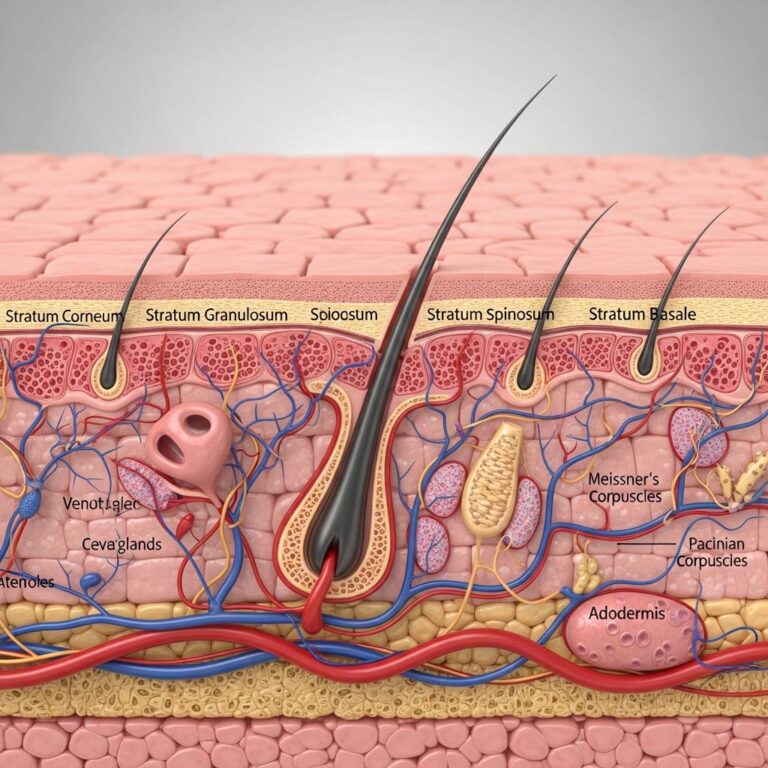
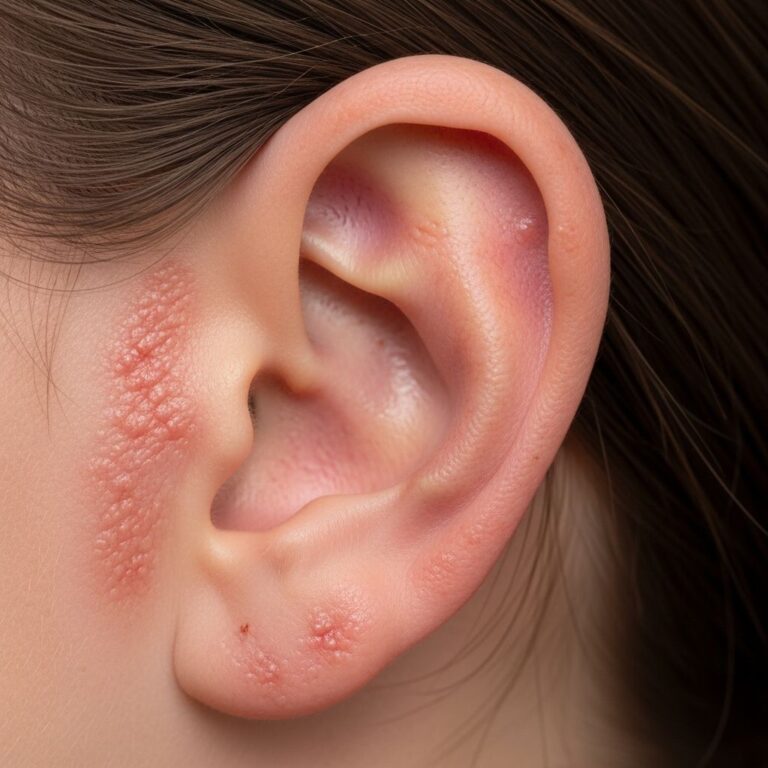
The primary and most distinctive symptom of cholestasis of pregnancy is severe itching, medically known as pruritus. This symptom can be quite intense and significantly impact your quality of life during pregnancy. Unlike many other conditions that cause itching, cholestasis of pregnancy does not produce a rash, which is an important distinguishing characteristic.
Primary Symptoms
The severe itching associated with cholestasis typically begins on your hands and feet and progressively spreads to other parts of your body. The itching is usually worse at night, which can lead to sleep disturbances and affect your overall well-being during pregnancy. The itching results from a buildup of bile acids and other metabolites that accumulate in the bloodstream, causing the skin to become hypersensitive. Many women find the itching intensely uncomfortable, and the sleep disruption can add additional stress during an already demanding time.
Related Stories



Less Common Signs
While severe itching is the hallmark symptom, some women may experience additional signs including:
– Yellowing of the skin (jaundice)- Yellowing of the whites of the eyes- Pale stools- Dark urine- Nausea or loss of appetite- Fatigue- Abdominal pain or discomfort
Diagnostic Process for Cholestasis of Pregnancy
Your pregnancy care provider diagnoses cholestasis of pregnancy through a combination of physical examination and blood tests. The diagnostic process is relatively straightforward but requires careful medical evaluation to confirm the condition and assess its severity.
Clinical Examination
Your healthcare provider will perform a physical examination to assess your symptoms and look for signs such as jaundice or scratching marks from intense itching. They will also review your medical history, including any family history of cholestasis or liver disease.
Blood Tests and Bile Acid Measurement
The key diagnostic test is the serum bile acid test, which measures the level of bile acids in your bloodstream. This test is essential for confirming the diagnosis and determining the severity of your condition. Your provider will also order liver function tests to evaluate how well your liver is functioning. Elevated bile acid levels above the normal range strongly suggest cholestasis of pregnancy. The severity of bile acid elevation can help guide treatment decisions, as women with total bile acid values of 100 micromol/L or higher may be advised for earlier delivery to reduce fetal risks.
Maternal Complications Associated with Cholestasis
While cholestasis of pregnancy primarily poses risks to the developing fetus, pregnant women may also experience certain complications related to this condition.
Vitamin K Absorption Issues
One of the maternal complications is a temporary disruption in how the body absorbs fat, which could result in decreased levels of vitamin K-dependent factors involved with blood clotting. This can increase the risk of hemorrhage (heavy internal bleeding), though this complication is relatively rare. If you develop cholestasis, your healthcare provider may recommend vitamin K supplementation to mitigate this risk.
Associated Pregnancy Complications
Cholestasis of pregnancy is also associated with increased risks of other pregnancy complications, including preeclampsia and gestational diabetes. These conditions require additional monitoring and management throughout your pregnancy. The presence of cholestasis indicates the need for more comprehensive prenatal care.
Sleep and Quality of Life
The severe itching and sleep disturbances caused by cholestasis can significantly impact maternal quality of life during pregnancy. Sleep deprivation during pregnancy can lead to increased stress, anxiety, and fatigue, all of which can affect overall maternal health and well-being.
Fetal Complications and Risks
The developing baby faces more serious risks from cholestasis of pregnancy. When bile acid levels are elevated in maternal blood, these acids accumulate in fetal circulation, increasing the risk of adverse fetal outcomes. Complications may include:
– Preterm birth (being born too early)- Fetal distress during labor- Meconium aspiration (breathing in amniotic fluid contaminated with meconium, the baby’s first stool)- Stillbirth (death of the baby late in pregnancy before delivery)- Lung problems from breathing complications- Perinatal mortality
Research findings indicate that cholestasis of pregnancy poses a substantial risk to the developing fetus, elevating the likelihood of preterm delivery and other serious complications. These risks underscore the importance of close fetal monitoring and potentially early delivery in cases of severe cholestasis.
Management and Treatment Strategies
Managing cholestasis of pregnancy involves a combination of monitoring, medication, dietary adjustments, and potentially early delivery to minimize risks to both mother and baby.
Medical Monitoring
Your pregnancy care provider will monitor you closely for the remainder of your pregnancy. This typically involves regular fetal monitoring to ensure your baby is doing well. Depending on the severity of your condition, you may need more frequent appointments and specialized monitoring techniques.
Dietary Recommendations
Your healthcare provider may recommend limiting certain foods based on your specific condition. However, there isn’t a standard restrictive diet to follow if you have cholestasis of pregnancy. Instead, you should focus on maintaining a balanced diet with emphasis on fruits, vegetables, lean meat, and other protein sources during pregnancy. A nutritious diet supports both your health and your baby’s development.
Pharmacological Treatment
Medical management may include medications to help reduce bile acid levels and manage symptoms. Your healthcare provider will determine the most appropriate treatment based on your specific situation and the severity of your condition.
Early Delivery Considerations
In some cases, your healthcare provider may recommend early delivery to decrease the risk of stillbirth and other serious fetal complications. Studies suggest that elective early delivery, typically around 35 to 36 weeks of gestation for women with total bile acid values of 100 micromol/L or higher, may be advised to diminish the risk of unexpected fetal demise. If your provider delivers your baby early, they’ll likely administer a steroid to help mature your baby’s lungs and provide a vitamin K supplement to prevent internal bleeding.
Important Information About Your Baby’s Health
It’s important to understand that just because you have cholestasis during pregnancy doesn’t automatically mean your baby will be unhealthy. With proper medical management and monitoring, many women with cholestasis have healthy pregnancies and deliver healthy babies. The key is maintaining close communication with your healthcare provider and following their recommendations for monitoring and treatment.
Recovery and Long-Term Outlook
One of the positive aspects of cholestasis of pregnancy is that it is a temporary condition. Obstetric cholestasis goes away by itself after you’ve delivered your baby. Once you give birth and your hormone levels normalize, your symptoms will likely resolve, and your liver function should return to normal. However, you should be aware that if you become pregnant again, there is a possibility that cholestasis could recur, particularly if you had it in a previous pregnancy.
Frequently Asked Questions
Q: How common is cholestasis of pregnancy?
A: Cholestasis of pregnancy is rare, occurring in approximately 0.3 to 0.5 percent of pregnancies in the general population. However, it is the most common pregnancy-specific liver disorder.
Q: When does cholestasis of pregnancy typically develop?
A: Cholestasis of pregnancy typically develops in the third trimester, around week 28 of pregnancy, when pregnancy hormone levels are at their highest. However, it can occasionally start earlier.
Q: Is cholestasis of pregnancy hereditary?
A: In some cases, yes. You’re at higher risk if your biological parents experienced cholestasis during pregnancy. Genetic factors play a role in susceptibility to this condition.
Q: Will the itching go away after delivery?
A: Yes, cholestasis of pregnancy symptoms, particularly the severe itching, typically resolve after you deliver your baby as hormone levels normalize.
Q: Does cholestasis mean my baby will have problems?
A: Not necessarily. While cholestasis does increase certain risks, with proper medical monitoring and management, many women with cholestasis deliver healthy babies.
Q: What should I do if I notice severe itching during pregnancy?
A: Contact your healthcare provider immediately. Severe itching, especially if it starts on your hands and feet and worsens at night, should be evaluated for cholestasis of pregnancy.
References
- A Comprehensive Review of Cholestasis of Pregnancy and Its Maternal-Fetal Complications — National Center for Biotechnology Information (NCBI). 2024-04-15. https://pmc.ncbi.nlm.nih.gov/articles/PMC11109475/
- Cholestasis of Pregnancy: Symptoms and Treatment — The Bump. 2025. https://www.thebump.com/a/cholestasis-of-pregnancy
- Cholestasis of Pregnancy – Symptoms and Causes — Mayo Clinic. 2024. https://www.mayoclinic.org/diseases-conditions/cholestasis-of-pregnancy/symptoms-causes/syc-20363257
- Cholestasis of Pregnancy: Causes, Symptoms & Treatment — Cleveland Clinic. 2024. https://my.clevelandclinic.org/health/diseases/17901-cholestasis-of-pregnancy
- Cholestasis: Definition, Symptoms, Treatment, Causes — Cleveland Clinic. 2024. https://my.clevelandclinic.org/health/diseases/24554-cholestasis
- Pregnancy Rashes: Why They Happen and What To Do — Cleveland Clinic. 2024. https://health.clevelandclinic.org/pregnancy-rash
- Cholestasis of Pregnancy — Cedars-Sinai. 2024. https://www.cedars-sinai.org/health-library/diseases-and-conditions/c/cholestasis-of-pregnancy.html
Similar Articles








Read full bio of Sneha Tete