Cholestatic Pruritus: 5-Step Management Guide For Relief
Understanding the causes, symptoms, and effective management strategies for itch in cholestatic liver diseases.
What is cholestatic pruritus?
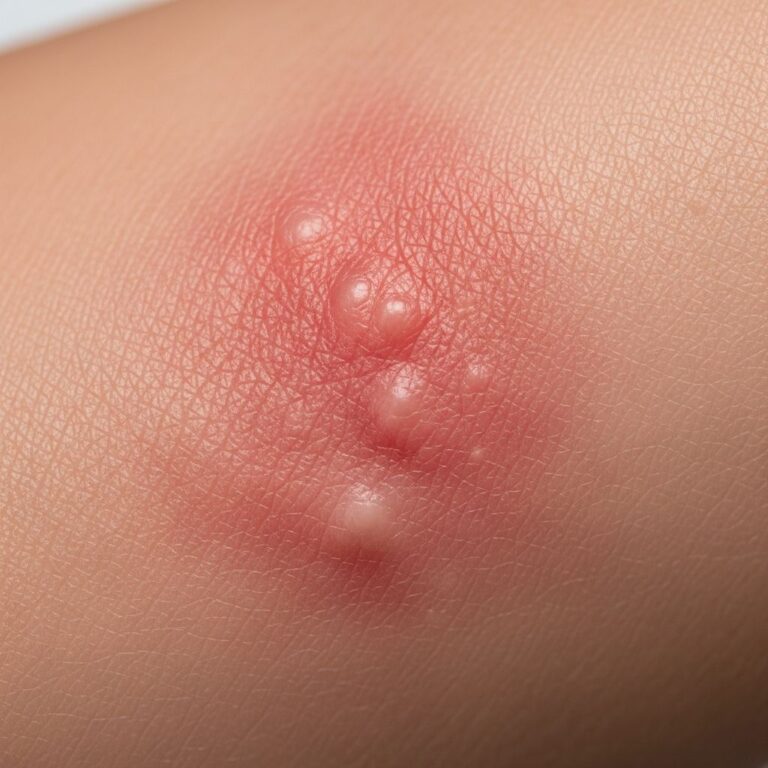
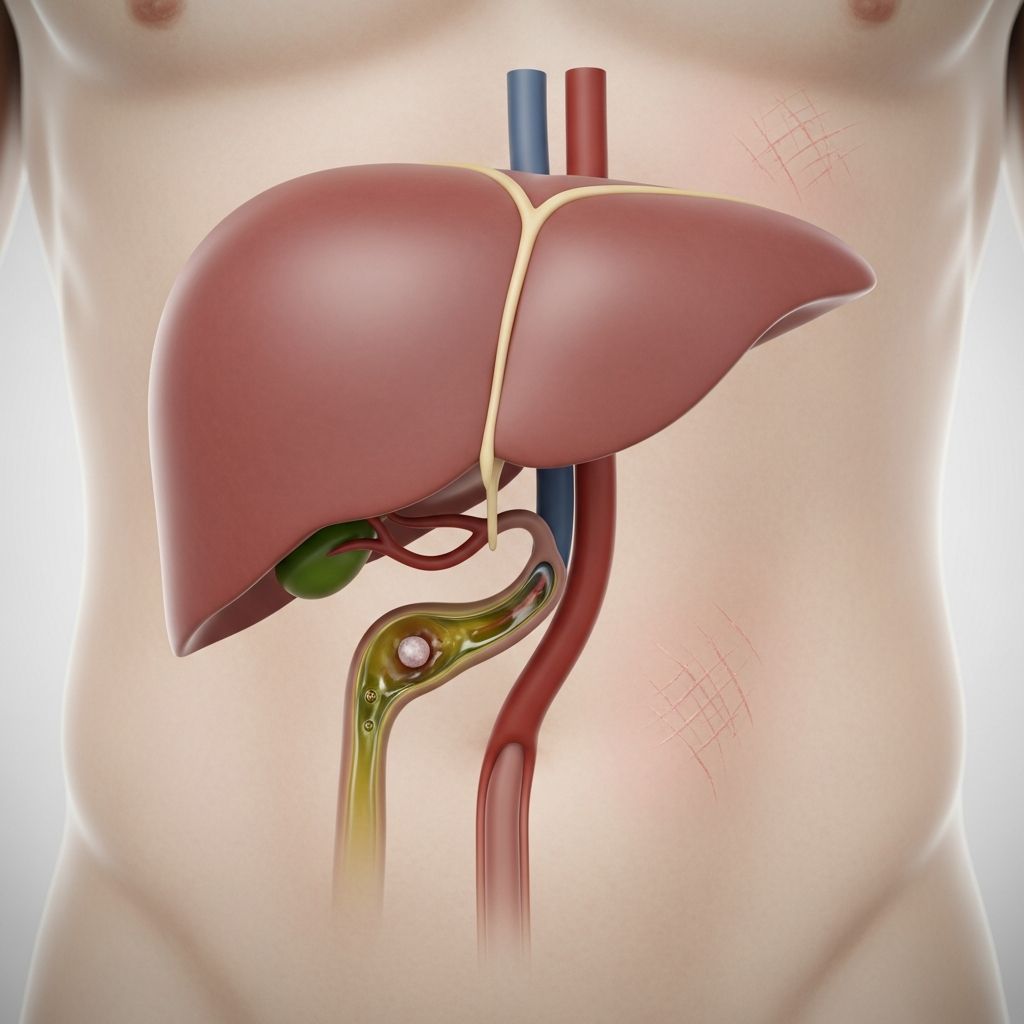
Cholestatic pruritus refers to intense, often intractable itching associated with cholestasis, a condition where bile flow from the liver is impaired or obstructed. This symptom arises due to the accumulation of bile constituents in the skin and systemic circulation, triggering sensory nerve endings. Unlike histamine-mediated itch in allergic conditions, cholestatic pruritus is driven by multiple pruritogens and profoundly impacts quality of life, sleep, and mental health. Patients describe it as a deep, burning sensation that worsens at night, leading to excoriations, skin thickening (lichenification), and secondary infections from scratching.
Who gets cholestatic pruritus?
Cholestatic pruritus affects individuals with underlying cholestatic liver diseases. Prevalence varies by condition:
- Primary biliary cholangitis (PBC): Up to 70% of patients experience pruritus, often early in the disease course.
- Primary sclerosing cholangitis (PSC): Approximately 25-60% prevalence.
- Intrahepatic cholestasis of pregnancy (ICP): Affects 0.5-2% of pregnancies, typically in the third trimester, resolving post-delivery.
- Progressive familial intrahepatic cholestasis (PFIC): High incidence in children with genetic mutations impairing bile transport.
- Other causes: Drug-induced cholestasis, Alagille syndrome, and secondary biliary obstruction from gallstones or malignancy.
A genetic predisposition likely contributes, as not all cholestatic patients develop pruritus despite similar bile acid elevations.
Clinical features
The hallmark is generalized pruritus without primary skin lesions, though chronic scratching causes excoriations, hyperpigmentation, and nodular prurigo. Itching is most severe on palms and soles but can involve the entire body. Symptoms intensify nocturnally, disrupting sleep. Other cholestasis signs include jaundice, dark urine, pale stools, fatigue, and elevated liver enzymes (ALP, GGT, bilirubin). In ICP, it may prompt preterm delivery risks. Visual scoring tools like the 10-cm visual analogue scale (VAS) quantify severity.
Pathophysiology
The exact mechanism remains elusive, but cholestasis leads to retention of pruritogenic substances that activate itch-specific C-fiber neurons via receptors like TGR5 and MRGPRX2. Key candidates include:
- Bile acids: Hydrophobic types (e.g., chenodeoxycholic acid) correlate with itch intensity in some studies.
- Lysophosphatidic acid (LPA): Produced by autotaxin (elevated in cholestasis), activates itch pathways; plasma levels predict symptom severity.
- Endogenous opioids: Increased levels in cholestatic patients; antagonists relieve symptoms.
- Others: Serotonin, progesterone metabolites (in ICP), bilirubin, and autonomic imbalance.
Pruritogens originate in the liver, excreted via bile, and accumulate peripherally. Intensity decreases with liver transplantation or end-stage failure, supporting hepatic origin. Neural transmission involves spinothalamic tract to the brain’s itch center.
Diagnosis
Diagnosis is clinical, based on pruritus with cholestatic liver tests (raised ALP, GGT, bilirubin) and exclusion of other causes (e.g., dry skin, allergies, renal failure). Liver biopsy or imaging (ultrasound, MRCP) identifies underlying disease. No specific biomarker exists, but serum autotaxin and bile acid profiles aid research. Differential includes non-cholestatic pruritus (e.g., uraemic, lymphoma).
Management
Treatment is stepwise: address underlying cholestasis first, then symptom relief. Ursodeoxycholic acid (UDCA) is standard for PBC/PSC (13-15 mg/kg/day), reducing pruritus in 20-30%. For ICP, UDCA improves outcomes. Non-responders require antipruritics in sequence, trialed 2-4 weeks each.
Step 1: General measures
- Cool environment, oatmeal baths, emollients (e.g., Cetraben) to hydrate skin and reduce irritation.
- Avoid hot baths, alcohol, spicy foods; trim nails to minimize damage.
- Antihistamines (e.g., hydroxyzine 25 mg nocte): Sedative effect only; no anti-pruritic benefit as non-histamine mediated.
Related Stories



Step 2: Bile acid sequestrants
Cholestyramine (4-16 g/day, first-line): Anion-exchange resin binds intestinal bile acids, reducing reabsorption. Effective in 75% per case series; RCTs show mixed results due to poor compliance (gritty taste, GI upset: constipation, bloating). Alternatives: colestipol, colesevelam (tablets, less effective).
Step 3: Rifampicin
150-600 mg/day (not for ICP due to teratogenicity): Antibacterial that induces bile acid metabolism enzymes (PXR agonist). RCTs show 40-60% response; monitor LFTs for hepatotoxicity. Mechanism unclear but reduces bile acids/LPA.
Step 4: Opioid antagonists
Naltrexone 12.5-50 mg/day or naloxone IV: Block upregulated endogenous opioids. Meta-analyses confirm efficacy (50-80% relief), but 30% experience opioid-withdrawal-like effects (nausea, piloerection). Start low dose.
Step 5: Antidepressants
Sertraline 75-100 mg/day: SSRI effective in PBC RCTs, independent of mood effects; safe profile. Others (e.g., mirtazapine) lack evidence.
Refractory cases
| Treatment | Dose/Regimen | Evidence | Side Effects |
|---|---|---|---|
| Phototherapy (UVB/NB-UVB) | 3-5x/week | Case series: 60% improvement | Burns, skin aging |
| Plasmapheresis | 1-4 sessions | Removes pruritogens; temporary | Infection, hypotension |
| Albumin dialysis (MARS) | 6-8h sessions | 95% response in cohorts | Coagulopathy |
| IBAT inhibitors (e.g., linerixibat) | 90 mg BID | Phase 3 trials ongoing | Diarrhea |
| Fibrates (bezafibrate) | 400 mg/day | Improves cholestasis/pruritus | Myalgia |
| Liver transplant | – | Curative for severe cases | Surgical risks |
Intrahepatic cholestasis of pregnancy (ICP)
ICP-specific: UDCA first-line; avoid rifampicin. Monitor fetal well-being; deliver at 37 weeks if severe. Pruritus resolves postpartum.
Complications
Chronic pruritus causes insomnia, depression, reduced appetite, and social isolation. Skin complications include infections, scarring. In ICP, risks fetal distress, preterm birth, meconium-stained liquor.
Prevention
Early UDCA in PBC/PSC/ICP prevents progression. Genetic counseling for PFIC. Avoid cholestatic drugs (e.g., estrogens, antibiotics).
FAQ
Is cholestatic pruritus curable?
Treating the underlying liver disease often resolves it; refractory cases may require advanced therapies or transplant.
Why does it worsen at night?
Circadian changes in skin temperature, bile acid peaks, and reduced distractions amplify sensation.
Can antihistamines help?
No direct benefit; sedation may aid sleep.
What is the first-line treatment?
Cholestyramine after general measures.
Does liver transplant cure pruritus?
Yes, in most cases, confirming hepatic origin.
References
- Scratching the Itch: Management of pruritus in cholestatic liver disease — American Association for the Study of Liver Diseases (AASLD). 2023. https://www.aasld.org/liver-fellow-network/core-series/clinical-pearls/scratching-itch-management-pruritus-cholestatic
- Cholestatic pruritus: Emerging mechanisms and therapeutics — National Center for Biotechnology Information (PMC). 2021-01-21. https://pmc.ncbi.nlm.nih.gov/articles/PMC7825249/
- Cholestatic Pruritus — DermNet NZ. 2024. https://dermnetnz.org/topics/cholestatic-pruritus
- Drug treatment of pruritus in liver diseases — National Center for Biotechnology Information (PMC). 2016. https://pmc.ncbi.nlm.nih.gov/articles/PMC4952797/
- Cholestasis: Definition, Symptoms, Treatment, Causes — Cleveland Clinic. 2023-08-04. https://my.clevelandclinic.org/health/diseases/24554-cholestasis
- Cholestatic pruritis — West Midlands Palliative Care. 2023. https://www.westmidspallcare.co.uk/wmpcp/guide/liver-failure/cholestatic-pruritis/
Similar Articles








Read full bio of Sneha Tete