Cholesterol: 6 Causes And How To Lower Your Levels
Learn about cholesterol types, blood levels, and cardiovascular health implications.
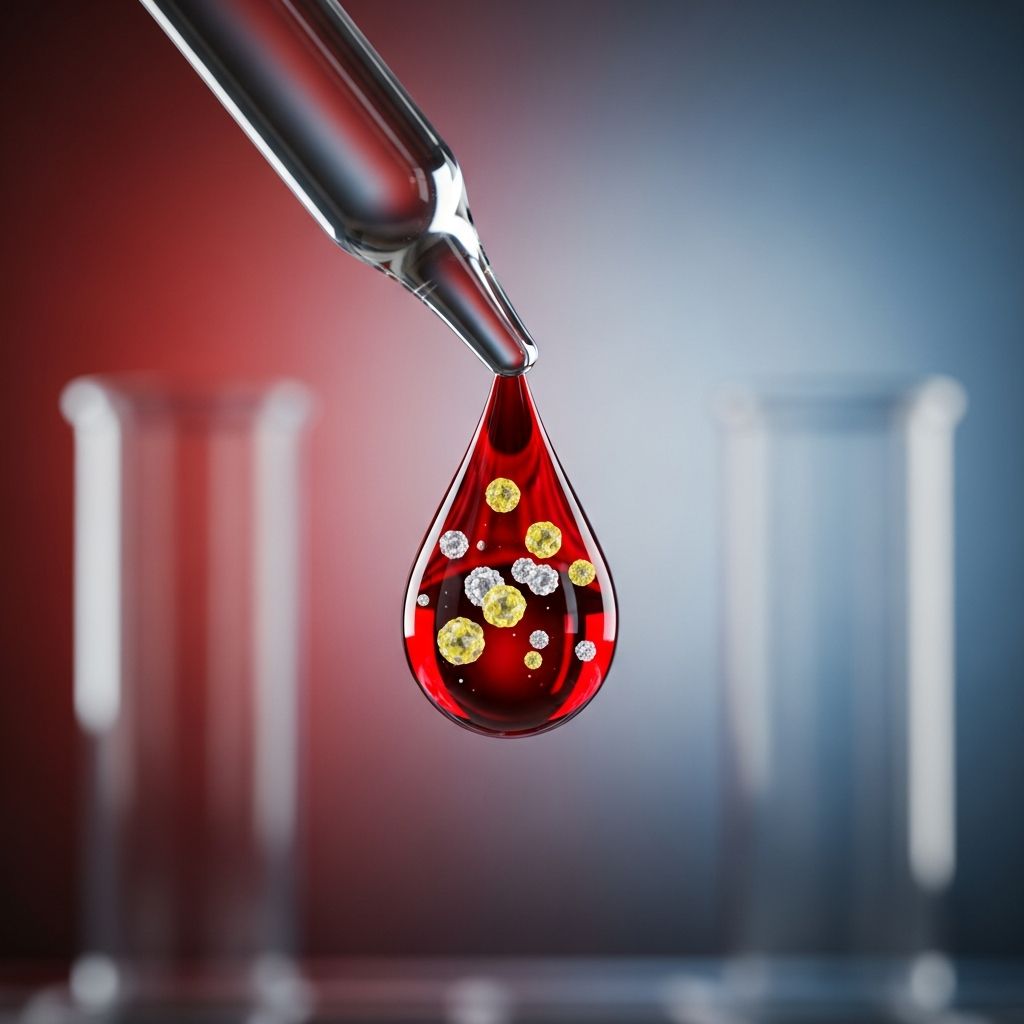
Cholesterol is a waxy, fat-like substance found in your blood and cells. While your body needs some cholesterol to function properly, excessive amounts can accumulate in your arteries and increase your risk of heart disease and stroke. Understanding cholesterol, how it moves through your bloodstream, and what healthy levels look like is essential for maintaining cardiovascular health and preventing serious health complications.
What Is Cholesterol?
Cholesterol is a sterol (a type of organic molecule) that serves several critical functions in your body. It helps produce hormones, vitamin D, and substances that aid digestion. Your liver produces most of the cholesterol your body needs, but you also obtain cholesterol from foods, particularly those derived from animals such as meat, dairy products, and eggs.
Since cholesterol is a fatty substance, it cannot dissolve directly in your blood, which is water-based. Instead, cholesterol travels through your bloodstream attached to proteins in packages called lipoproteins. These lipoproteins carry cholesterol to and from your cells, and understanding the different types is crucial for assessing your cardiovascular risk.
Types of Cholesterol and Lipoproteins
Cholesterol travels through your body via two main types of lipoproteins, each with different effects on your health:
Low-Density Lipoprotein (LDL) Cholesterol
LDL cholesterol is often called “bad” cholesterol because it can accumulate on the inner walls of your arteries, forming plaques. This process, known as atherosclerosis, narrows your arteries and restricts blood flow to your heart and brain. The higher your LDL cholesterol levels, the greater your risk of heart attack, stroke, and coronary artery disease. Research shows that LDL-C ranges from 50 to 70 mg/dL in populations free of atherosclerotic disease, suggesting these are optimal levels for cardiovascular protection. Multiple clinical trials have demonstrated that maintaining LDL-C levels below 70 mg/dL is associated with improved clinical outcomes and even atherosclerosis regression, with no identified threshold below which patients stop benefiting from LDL reduction.
High-Density Lipoprotein (HDL) Cholesterol
HDL cholesterol is often called “good” cholesterol because it helps remove LDL cholesterol from your arteries and transport it to your liver for disposal. Higher HDL levels are protective against heart disease and stroke. HDL acts as a cleanup mechanism, helping to prevent the buildup of dangerous plaques in your arterial walls. Maintaining adequate HDL levels is an important component of cardiovascular health.
Triglycerides
Triglycerides are another type of fat in your blood. While they differ from cholesterol, elevated triglyceride levels often occur alongside high LDL or low HDL cholesterol and can increase your cardiovascular risk. Triglycerides come primarily from excess calories, sugar, and alcohol in your diet.
Related Stories



Understanding Your Cholesterol Numbers
A lipid panel test measures your cholesterol and triglyceride levels. Understanding what these numbers mean helps you and your healthcare provider assess your cardiovascular risk and determine appropriate management strategies.
| Cholesterol Type | Healthy Level | Borderline | High |
|---|---|---|---|
| Total Cholesterol | Less than 200 mg/dL | 200-239 mg/dL | 240 mg/dL and above |
| LDL Cholesterol | Less than 100 mg/dL | 100-129 mg/dL | 130 mg/dL and above |
| HDL Cholesterol | 60 mg/dL and above | 40-59 mg/dL | Less than 40 mg/dL |
| Triglycerides | Less than 150 mg/dL | 150-199 mg/dL | 200 mg/dL and above |
Your healthcare provider may recommend lower LDL targets if you have existing heart disease, diabetes, or other significant cardiovascular risk factors. Individual goals depend on your overall health profile and medical history.
Causes of High Cholesterol
High cholesterol can result from various factors, some within your control and others determined by genetics:
Dietary Factors
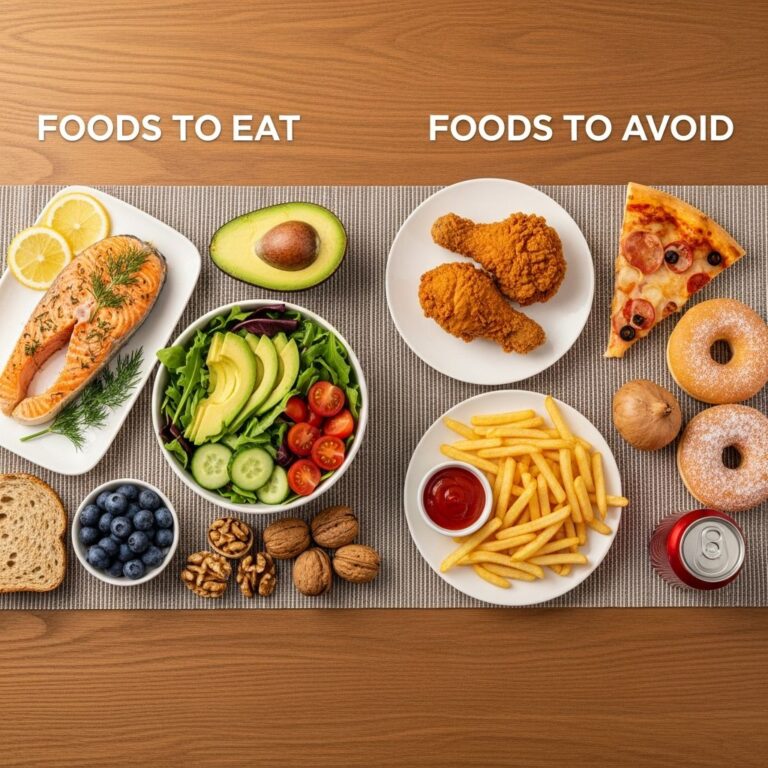
Foods high in saturated fats and trans fats can raise your LDL cholesterol levels. These include fatty meats, full-fat dairy products, tropical oils, and processed foods. Reducing intake of these foods and increasing consumption of fiber-rich vegetables, whole grains, and lean proteins can help lower cholesterol.
Physical Activity
A sedentary lifestyle contributes to high cholesterol. Regular physical activity helps raise HDL cholesterol and lower LDL cholesterol and triglycerides. The American Heart Association recommends at least 150 minutes of moderate-intensity aerobic activity per week.
Weight
Being overweight or obese increases cholesterol levels. Losing excess weight, even modest amounts of 5-10% of body weight, can improve your cholesterol profile significantly.
Smoking
Smoking lowers HDL cholesterol and damages blood vessels, making LDL more likely to accumulate in arterial walls. Quitting smoking is one of the most beneficial steps you can take for your cardiovascular health.
Genetics
Family history plays a significant role in cholesterol levels. Some people inherit genetic mutations that cause familial hypercholesterolemia, resulting in very high cholesterol levels even with healthy lifestyle habits. Genetic factors can account for up to 50% of cholesterol variation among individuals.
Age and Sex
Cholesterol levels typically rise with age in both men and women. Women’s cholesterol levels often increase more sharply after menopause due to declining estrogen levels.
Health Risks of High Cholesterol
High cholesterol is a major risk factor for cardiovascular disease. When LDL cholesterol is elevated, it deposits on artery walls, forming plaques that narrow blood vessels and reduce blood flow. This process, atherosclerosis, can lead to serious complications including heart attack, stroke, and peripheral artery disease. Coronary artery disease remains a leading cause of death worldwide, despite the development of effective cholesterol-lowering medications.
The danger of high cholesterol is that it typically produces no symptoms. Many people have dangerously high cholesterol levels without knowing it, which is why regular screening is critical, particularly as you age or if you have risk factors for heart disease.
Treatment and Management Options
Managing high cholesterol involves both lifestyle modifications and, when necessary, medication.
Lifestyle Changes
Dietary modifications represent the first line of therapy. Reducing saturated fat intake to less than 7% of daily calories, eliminating trans fats, and increasing soluble fiber through oats, beans, and fruits can significantly lower LDL cholesterol. Regular physical activity, maintaining a healthy weight, managing stress, and quitting smoking all contribute to improved cholesterol levels.
Medication
When lifestyle changes alone are insufficient, medications can help achieve cholesterol targets. Statins are commonly prescribed as the first-line pharmacological treatment and work by inhibiting cholesterol production in your liver. Other medication classes include ezetimibe, PCSK9 inhibitors, and bile acid sequestrants, each working through different mechanisms to lower cholesterol.
Research shows that proper adherence to cholesterol-lowering drugs can prevent substantial cardiovascular events. If guideline-recommended cholesterol treatment was fully implemented, approximately 39,196 fewer coronary deaths, 96,330 fewer nonfatal heart attacks, 87,559 fewer coronary revascularizations, and 65,063 fewer strokes could occur annually in the United States alone. Additionally, this would translate to approximately $25.3 billion in annual direct healthcare cost reductions.
Screening and Monitoring
The American Heart Association recommends cholesterol screening beginning at age 20, with repeat testing at least once every four to six years for adults with normal cholesterol levels. Those with high cholesterol or risk factors for heart disease should be screened more frequently and have their treatment monitored regularly.
A lipid panel provides comprehensive information about your cholesterol status and helps guide treatment decisions. Your healthcare provider will consider your age, sex, family history, existing health conditions, and other cardiovascular risk factors when determining your appropriate cholesterol targets and recommended treatments.
Frequently Asked Questions
Q: At what age should I have my cholesterol checked?
A: The American Heart Association recommends cholesterol screening beginning at age 20. If your results are normal, repeat testing every four to six years. If you have risk factors for heart disease or elevated cholesterol, more frequent screening is recommended.
Q: Can I lower cholesterol through diet alone?
A: Dietary changes can lower cholesterol by 10-15%, but many people require medication to reach optimal levels. The combination of healthy lifestyle changes and medication, when prescribed, provides the best results.
Q: Are statins safe to take long-term?
A: Statins have been extensively studied and are considered safe for long-term use in most people. Like all medications, they can have side effects, but for most patients, the cardiovascular benefits significantly outweigh potential risks.
Q: Does high cholesterol cause symptoms?
A: High cholesterol typically produces no symptoms, which is why it’s called a “silent” condition. Regular screening is the only way to know if your cholesterol levels are elevated.
Q: Can I have high cholesterol if I eat healthy and exercise?
A: Yes. Genetics play a significant role in cholesterol levels. Some people inherit genes that cause high cholesterol despite maintaining healthy lifestyles. If you have a family history of high cholesterol or heart disease, regular screening is especially important.
Q: What is the ideal LDL cholesterol level?
A: For most people, LDL cholesterol should be less than 100 mg/dL. Those with heart disease or multiple risk factors may need to achieve levels below 70 mg/dL or even lower for optimal protection.
References
- LDL Cholesterol: The Lower the Better — Johns Hopkins University, Medical Clinics of North America. January 2012. https://pure.johnshopkins.edu/en/publications/ldl-cholesterol-the-lower-the-better-4
- With Proper Adherence to Cholesterol-Lowering Drugs, Thousands of Cardiovascular Events Could Be Avoided — Pharmacy Times, referencing Johns Hopkins Bloomberg School of Public Health research published in Journal of General Internal Medicine. 2025. https://www.pharmacytimes.com/view/with-proper-adherence-to-cholesterol-lowering-drugs-thousands-of-cardiovascular-events-could-be-avoided
- Tens of Thousands of Heart Attacks and Strokes Could Be Avoided Each Year if Cholesterol-Lowering Drugs Were Used According to Guidelines — Johns Hopkins Bloomberg School of Public Health. 2025. https://publichealth.jhu.edu/2025/tens-of-thousands-of-heart-attacks-and-strokes-could-be-avoided-each-year-if-cholesterol-lowering-drugs-were-used-according-to-guidelines
Similar Articles








Read full bio of medha deb