Cholesterol Testing Guide: What To Expect In 2025
Understand cholesterol testing, from preparation and procedure to interpreting results and managing levels for optimal heart health.
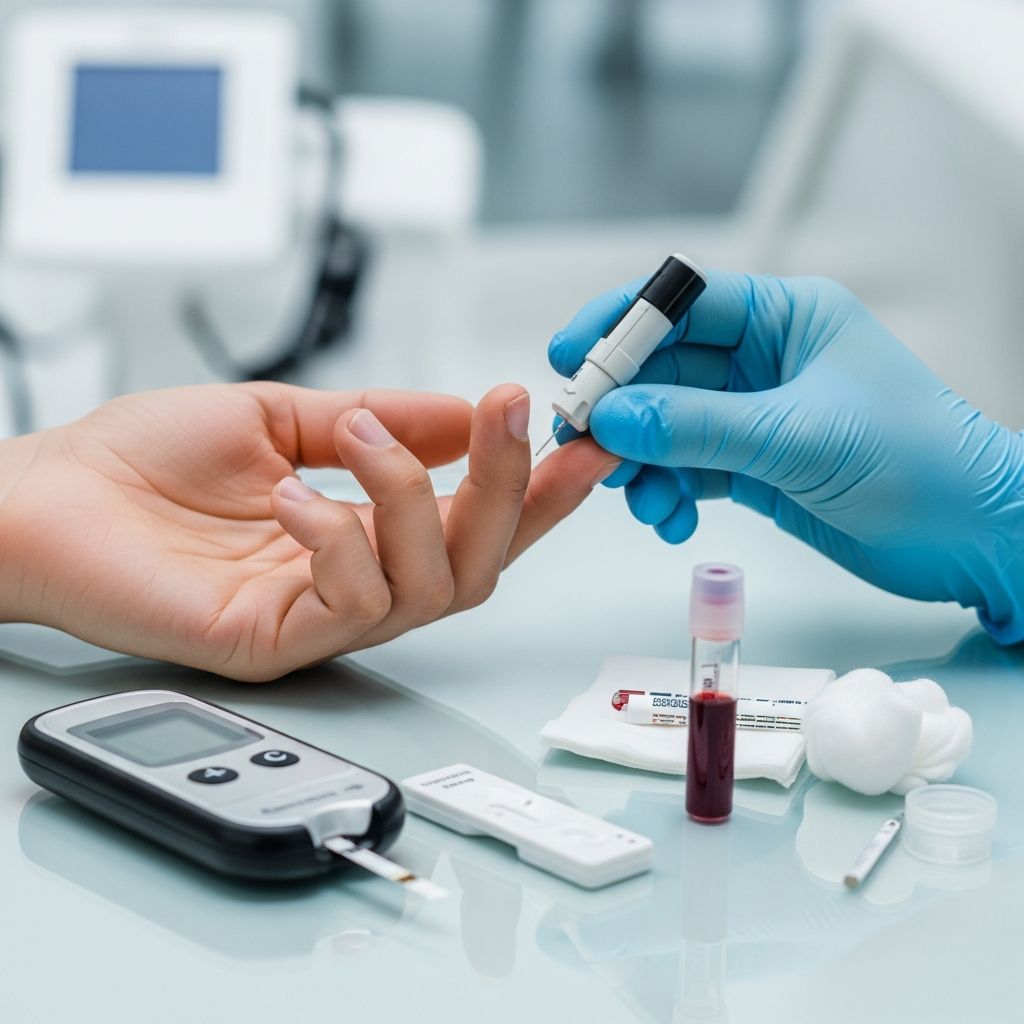
Cholesterol testing, often called a lipid panel or profile, measures fats in your blood to assess heart disease risk. This simple blood draw detects high levels that can lead to artery blockages without causing noticeable symptoms.
Why Cholesterol Testing Matters for Your Health
High cholesterol contributes to plaque buildup in arteries, known as atherosclerosis, increasing chances of heart attacks and strokes. Since it rarely shows symptoms, routine screening is crucial, especially for adults over 20.
Your blood carries cholesterol via lipoproteins: low-density lipoprotein (LDL, or “bad” cholesterol) deposits in arteries, while high-density lipoprotein (HDL, or “good” cholesterol) removes excess. Triglycerides, another fat, store energy but elevate risk when high alongside low HDL or high LDL.
Testing provides a baseline to track changes from diet, exercise, or medications. Early detection allows lifestyle adjustments or treatments to prevent cardiovascular issues.
Who Needs Cholesterol Tests and How Often?
Guidelines recommend screening for all adults aged 20 and older every 4-6 years if healthy. More frequent tests suit those with risk factors like diabetes, obesity, smoking, hypertension, or family history of early heart disease.
- Adults 20+: Baseline at 20, then every 4-6 years.
- Ages 9-11 and 17-21: For children with family history.
- High-risk individuals: Annually or as advised.
Providers may add a coronary artery calcium (CAC) scan for advanced risk assessment.
Preparing for Your Cholesterol Test
Most tests require fasting 9-12 hours beforehand, avoiding food, drinks (except water), and certain medications to ensure accurate triglyceride and LDL readings. Non-fasting options measure total and HDL cholesterol reliably.
Schedule morning appointments post-overnight fast. Inform your provider about medications, supplements, or recent illnesses, as they can influence results.
The Cholesterol Testing Procedure Step-by-Step
The process is quick and minimally invasive, typically lasting under 5 minutes.
- Site preparation: Technician cleans your arm with antiseptic and applies a tourniquet to swell the vein.
- Blood draw: A needle punctures the vein; blood fills a vial or syringe. You may feel a brief sting.
- Completion: Tourniquet removal, needle extraction, and pressure with a bandage to stop bleeding.
Samples go to a lab analyzing total cholesterol, HDL, LDL (calculated or direct), triglycerides, and sometimes non-HDL. Results arrive in days.
Understanding Your Cholesterol Test Results
Results appear in mg/dL (U.S.) or mmol/L (elsewhere). Key components include:
- Total cholesterol: Sum of all types.
- LDL: Primary artery-clogging culprit.
- HDL: Protective; higher is better.
- Triglycerides: Energy fat; high levels signal risk.
- Non-HDL: Total minus HDL; targets artery-clogging fats.
Healthy ranges vary by age, sex, and risk. Here’s a summary table for adults 20+:
| Type | Desirable (mg/dL) | Borderline High (mg/dL) | High (mg/dL) |
|---|---|---|---|
| Total Cholesterol | <200 | 200-239 | ≥240 |
| LDL | <100 | 100-129 | ≥130 |
| HDL (Men) | ≥40 | 40-59 | ≥60 (best) |
| HDL (Women) | ≥50 | 50-59 | ≥60 (best) |
| Triglycerides | <150 | 150-199 | ≥200 |
Related Stories



For children under 19: Total <170, LDL <110, HDL >45.
Interpreted with your health history; ratios like total/HDL or non-HDL guide risk.
Home Cholesterol Testing Options
Over-the-counter kits offer convenience via finger prick. Place blood on a strip; some use meters for readings.
These quantify total cholesterol accurately but miss full profiles. Use as screening; confirm highs (>200 mg/dL total) with lab tests and consult providers.
What If Your Levels Are High?
Elevated results prompt action. Lifestyle changes often suffice initially:
- Diet: Reduce saturated fats, trans fats; boost fiber, fruits, veggies, omega-3s.
- Exercise: 150 minutes weekly moderate activity raises HDL, lowers LDL/triglycerides.
- Weight management: Losing 5-10% body weight improves numbers.
- Quit smoking: Boosts HDL.
- Limit alcohol: Moderation prevents triglyceride spikes.
Medications like statins may be prescribed for persistent highs or high risk.
Factors Influencing Cholesterol Levels
Beyond diet, genetics (familial hypercholesterolemia), age (rises post-40), sex (pre-menopausal women often lower), and conditions like hypothyroidism or kidney disease affect levels. Pregnancy temporarily elevates them.
Advanced Testing and Monitoring
For precision, direct LDL measures avoid fasting errors. Advanced panels check particle size or apolipoproteins. Retest every 4-6 years or sooner post-changes.
Common Myths About Cholesterol Testing
- Myth: Only older people need tests. Fact: Start at 20.
- Myth: High cholesterol causes immediate symptoms. Fact: It’s silent.
- Myth: Home tests replace doctor visits. Fact: They’re preliminary.
Frequently Asked Questions (FAQs)
Do I need to fast for every cholesterol test?
Not always; non-fasting works for total/HDL. Full panels often require 9-12 hour fast.
How accurate are home cholesterol kits?
They reliably measure total cholesterol but consult professionals for full analysis.
What foods should I avoid before testing?
All food/drink except water during fasting; high-fat meals skew results.
Can exercise affect test results?
Vigorous activity pre-test may lower triglycerides temporarily; follow prep instructions.
When should children get tested?
Ages 9-11 and 17-21 if family history; otherwise per provider.
Regular cholesterol testing empowers proactive heart health management. Discuss results with your healthcare team for personalized plans.
References
- How to Get Your Cholesterol Tested — American Heart Association. 2023. https://www.heart.org/en/health-topics/cholesterol/how-to-get-your-cholesterol-tested
- Cholesterol — U.S. Food and Drug Administration (FDA). 2024. https://www.fda.gov/medical-devices/home-use-tests/cholesterol
- Cholesterol Levels — MedlinePlus (National Library of Medicine). 2025. https://medlineplus.gov/lab-tests/cholesterol-levels/
- Cholesterol Test — Mayo Clinic. 2024-10-15. https://www.mayoclinic.org/tests-procedures/cholesterol-test/about/pac-20384601
- Cholesterol Numbers: What Do They Mean — Cleveland Clinic. 2024. https://my.clevelandclinic.org/health/articles/11920-cholesterol-numbers-what-do-they-mean
- Testing for Cholesterol — Centers for Disease Control and Prevention (CDC). 2025. https://www.cdc.gov/cholesterol/testing/index.html
Similar Articles








Read full bio of Sneha Tete