Cholinergic Urticaria: Symptoms, Causes & Treatment
Understanding heat-induced hives: causes, symptoms, and evidence-based treatment options.
What Is Cholinergic Urticaria?
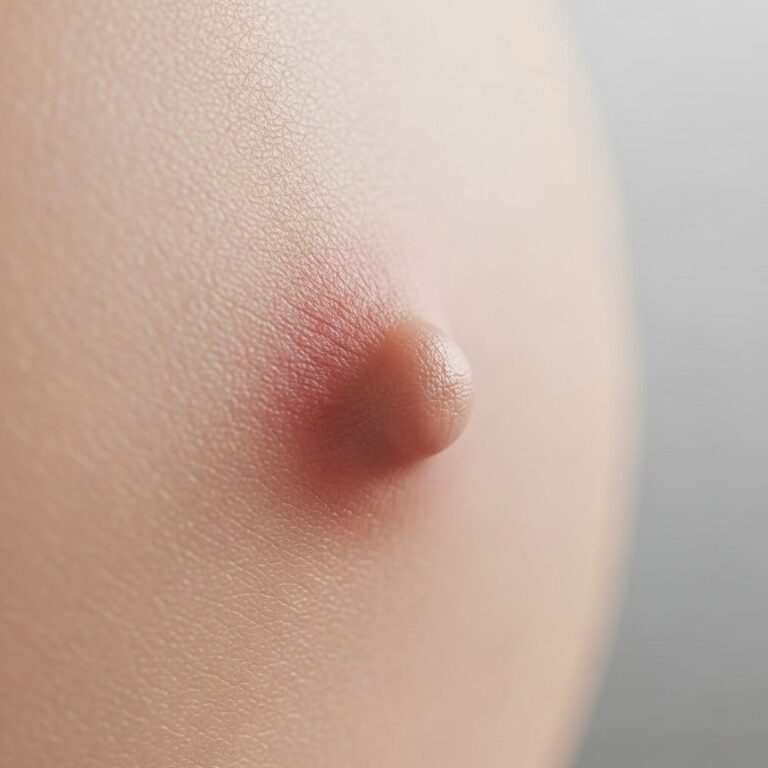
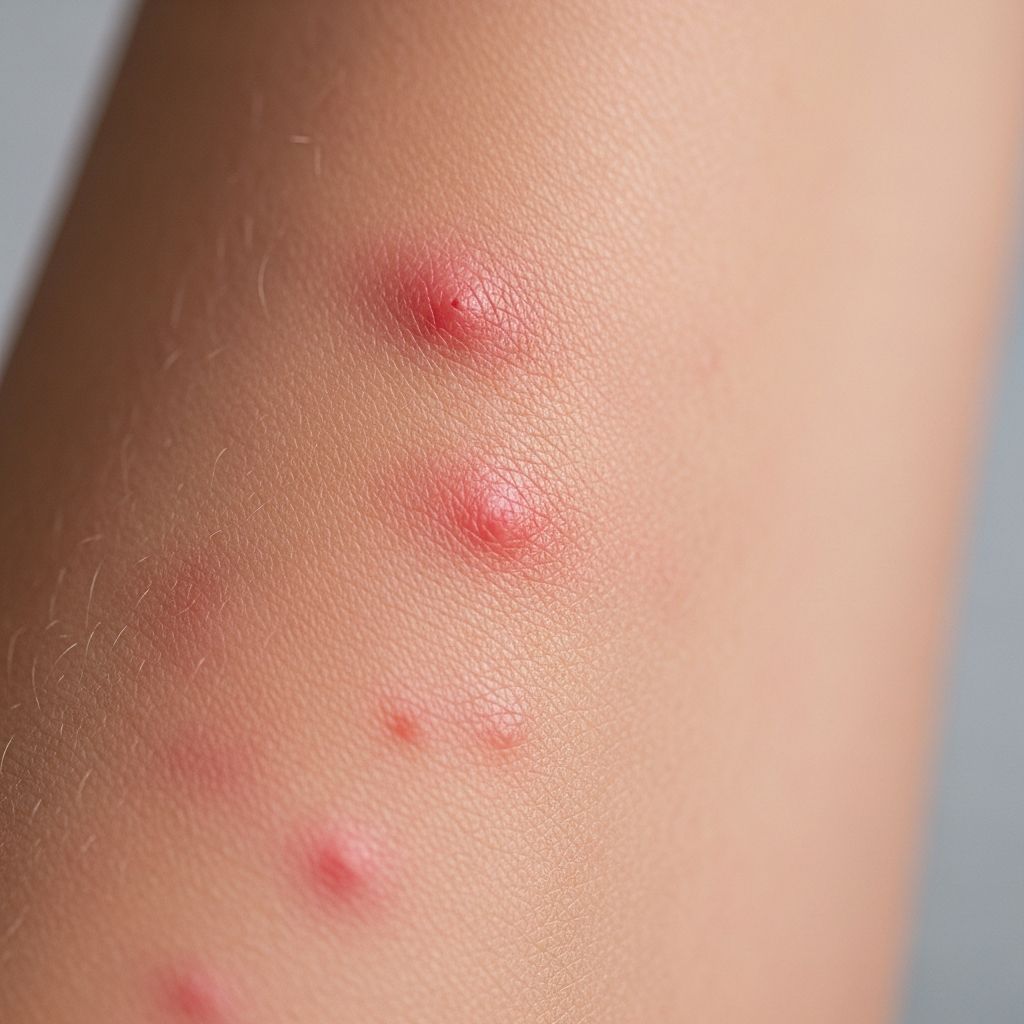
Cholinergic urticaria (also called heat urticaria or heat bumps) is a subtype of chronic inducible urticaria characterized by the development of small, itchy papular wheals that appear when core body temperature rises. This condition involves an abnormal skin reaction triggered by increased perspiration and the release of acetylcholine, a neurotransmitter involved in sweating and temperature regulation.
The condition manifests as tiny hives typically surrounded by large patches of red, inflamed skin. Most commonly, skin lesions appear on the trunk and upper extremities, though they may appear almost anywhere on the body except the palms, soles of the feet, and armpits. Symptoms usually resolve quickly, typically within 15 minutes to 1 hour of the triggering stimulus being removed.
Symptoms of Cholinergic Urticaria
The primary symptoms of cholinergic urticaria include:
- Itching and stinging sensations on the skin, which may be intense
- Papular wheals – small, raised red bumps that appear in clusters
- Erythema – large patches of red, inflamed skin surrounding the hives
- Swelling in affected areas of the body
Symptoms are typically mild to moderate in severity, though some individuals may experience more pronounced reactions. The skin manifestations are preceded by the warming stimulus and typically emerge within minutes of temperature elevation.
Causes and Triggers
Cholinergic urticaria is triggered by any activity or circumstance that elevates core body temperature, causing excessive sweating. Common triggers include:
- Physical exercise – the most frequent trigger
- Hot baths or showers and exposure to warm environments
- Spicy food consumption – can increase metabolic heat production
- Hot beverages such as coffee, tea, or soup
- Emotional stress – stress-induced perspiration in susceptible individuals
- Warm weather and sun exposure
Pathophysiology
The exact mechanism of cholinergic urticaria involves multiple overlapping pathways. Key factors include:
- Acetylcholine release: When body temperature rises, acetylcholine is released from nerve endings as part of the normal sweating response. In susceptible individuals, this neurotransmitter triggers an abnormal mast cell degranulation.
- Histamine release: Mast cells release histamine and other inflammatory mediators, which cause the characteristic itching, swelling, and erythema.
- Sweat allergy: Some evidence suggests abnormal sensitivity to inflammatory substances present in sweat itself contributes to the reaction.
- Poral occlusion: Blockage of sweat ducts may trap sweat in the dermis, intensifying the inflammatory response in some subtypes.
- Hypohidrosis: Reduced or abnormal sweating function may exacerbate symptoms in certain cases.
The interplay of these mechanisms varies among individuals, which explains why treatment responses differ and why multiple therapeutic approaches may be necessary.
Risk Factors and Epidemiology
Cholinergic urticaria can affect individuals of any age but is more common in younger people, particularly those aged 15–35 years. It is classified as a chronic inducible urticaria, meaning it is triggered by specific external stimuli rather than occurring spontaneously.
Certain factors may increase susceptibility, including a personal or family history of atopic conditions (asthma, eczema, allergic rhinitis) and heightened skin reactivity. However, the exact genetic and environmental risk factors remain incompletely understood.
Diagnosis
Related Stories



Diagnosis of cholinergic urticaria is primarily clinical, based on characteristic symptoms triggered by heat or sweating. The condition should be suspected when a patient presents with localized, small papular wheals appearing during or shortly after activities that increase core body temperature.
Confirmation may involve:
- Clinical history – detailed account of triggers and symptom pattern
- Physical examination – observation of wheals and distribution
- Passive heating test or exercise challenge test – controlled heat exposure or exercise to reproduce symptoms and confirm diagnosis
Laboratory testing (skin prick tests, specific IgE testing) is typically not required unless other allergic conditions are suspected.
Treatment Options
Pharmacological Treatments
First-line therapy involves the use of antihistamines, particularly second-generation, non-sedating histamine H1 receptor antagonists (H1RAs). Commonly prescribed medications include:
- Cetirizine – a standard first-line antihistamine
- Hydroxyzine – an antihistamine with mild sedating properties
However, a significant proportion of patients do not respond adequately to standard-dose antihistamine therapy. In such cases, treatment escalation may include:
- High-dose antihistamine therapy: Up-dosing H1RA to four-fold higher than standard doses has been shown to improve disease activity in fewer than half of refractory cases.
- Dual antihistamine therapy: Adding a histamine H2 receptor antagonist (such as lafutidine) to H1RA therapy reduces itching severity, frequency of whealing, and wheal size in patients refractory to H1RA monotherapy.
- Ketotifen: A mast cell stabilizer and antihistamine with asthma medication properties that has demonstrated clinical effectiveness in patients unresponsive to conventional antihistamines.
Advanced Pharmacological Options
For severe or refractory cholinergic urticaria, additional medications may be considered:
- Omalizumab: An anti-IgE monoclonal antibody approved in Europe for physician urticaria, including cholinergic subtypes. Clinical evidence supports its efficacy in severe cases, though treatment failure has been documented in some patients.
- Danazol: An anabolic steroid that may increase protease inhibitors; however, side effects limit widespread use.
- Leukotriene inhibitors: Medications such as montelukast (Singulair) may provide symptom relief in combination with other therapies.
- Beta-blockers: Propranolol and other beta-blockers have been used in combination with antihistamines and other agents.
- Anticholinergics: Scopolamine butylbromide and other anticholinergic agents reduce sweating, thereby lowering the risk of hives by interrupting the cholinergic pathway.
- Corticosteroids: Systemic or intravenous corticosteroid therapy may be administered during acute flares, particularly in severe cases.
- Immunosuppressives: Cyclosporine and dapsone have been investigated for refractory cases, though evidence remains limited.
Topical and Procedural Treatments
- Keratolytic agents: Topical application of agents such as adapalene gel may reduce keratotic plugs and improve sweat duct function in hypohidrotic subtypes, potentially improving symptoms within weeks.
- Botulinum toxin injection: Localized botulinum toxin injection has been reported as effective in some cases by reducing local sweating.
- Ultraviolet (UV) phototherapy: Controlled UV exposure may provide symptomatic benefit in select patients.
- Desensitization therapy: Gradual exposure to sweat (induced through controlled exercise) may stimulate body adaptation and reduce allergic sensitivity over time.
Emergency Management
Patients experiencing severe reactions—such as shortness of breath, angioedema, or anaphylaxis—should have access to epinephrine (adrenaline) auto-injectors (EpiPen). If symptoms do not improve within 5–15 minutes of the first injection, a second dose may be administered if available.
Lifestyle Modifications and Trigger Avoidance
While pharmacological treatment addresses symptoms, lifestyle strategies are essential for minimizing flare-ups:
- Avoid heat exposure: Limit strenuous exercise in warm environments, avoid prolonged sun exposure, and maintain cooler body temperatures when possible
- Dietary modifications: Eliminate or minimize spicy foods, hot beverages, and alcohol consumption, which can elevate core temperature
- Stress management: Practice relaxation techniques, meditation, deep breathing exercises, and ensure adequate sleep, as stress-induced perspiration is a recognized trigger
- Pre-exercise preparation: Gradually acclimate to exercise in cool environments; consider exercising during cooler times of day
- Clothing: Wear lightweight, breathable fabrics that promote heat dissipation
Natural and Home Remedies
Complementary approaches may provide symptomatic relief alongside medical treatment:
- Cold compresses: Apply cold, damp cloths to affected areas to reduce itching and inflammation
- Herbal remedies: Compresses made from chamomile or pansy plants, which possess anti-inflammatory properties, may soothe skin irritation
- Flaxseed porridge: Topical application has traditional anti-inflammatory use
These natural approaches should complement, not replace, medical treatment prescribed by a dermatologist.
Prognosis and Course
Cholinergic urticaria often improves with age, and in some cases may resolve spontaneously after several years. The condition typically does not significantly impair quality of life if triggers are avoided and symptoms are well-managed pharmacologically. However, while treatment helps control symptoms, it may not completely prevent the condition in all individuals.
When to Seek Medical Care
Consultation with a dermatologist is recommended if:
- Itching and hives appear consistently after heat exposure or sweating
- Symptoms persist despite home care measures
- Reactions are severe or affect quality of life
- Signs of angioedema (facial swelling) or respiratory symptoms develop
FAQs
Q: Can cholinergic urticaria be cured?
A: Although there is no permanent cure, cholinergic urticaria is highly manageable through medication and lifestyle modifications. Many individuals experience improvement with age, and symptoms may resolve spontaneously over time.
Q: Is cholinergic urticaria dangerous?
A: Most cases are mild and cause only itching and minor skin irritation. However, severe reactions with angioedema or anaphylaxis, though rare, can occur and warrant emergency medical attention and epinephrine availability.
Q: Can I exercise if I have cholinergic urticaria?
A: Yes, but with precautions. Exercise in cool environments, maintain hydration, and consider pre-treatment with antihistamines. Gradually acclimate to exercise to reduce symptom severity.
Q: How long do symptoms last?
A: Most symptoms resolve within 15 minutes to 1 hour of the heat stimulus being removed and body temperature returning to normal.
Q: What is the most effective treatment?
A: Second-generation antihistamines are the first-line treatment. For refractory cases, escalation to high-dose antihistamines, dual therapy with H2 antagonists, or advanced agents like omalizumab may be necessary.
Q: Can dietary changes help?
A: Yes. Avoiding spicy foods, hot beverages, and alcohol can reduce the frequency and severity of flare-ups by minimizing core body temperature elevation.
Conclusion
Cholinergic urticaria is a common, manageable heat-induced skin condition affecting the quality of life of many individuals, particularly younger adults. While no cure exists, a combination of pharmacological treatments—ranging from first-line antihistamines to advanced biologic agents—and lifestyle modifications provides effective symptom control. Early diagnosis, appropriate medical management, and patient education on trigger avoidance are essential for optimal outcomes. Most individuals experience significant improvement in symptoms over time, with many achieving complete resolution of the condition as they age.
References
- Cholinergic Urticaria: Symptoms, Causes & Treatment — Tua Saúde. 2024. https://www.tuasaude.com/en/cholinergic-urticaria/
- Cholinergic urticaria: Symptoms, treatment, and causes — Medical News Today. 2020. https://www.medicalnewstoday.com/articles/320916
- Cholinergic Urticaria: The Hives from Heat or Sweat — Metro Boston Clinician Partners. https://metrobostoncp.com/blogs/cholinergic-urticaria/
- Cholinergic Urticaria: Subtype Classification and Clinical Approach — National Center for Biotechnology Information (NCBI/PubMed Central). 2022. https://pmc.ncbi.nlm.nih.gov/articles/PMC9476404/
- Cholinergic Urticaria: Hives From Heat or Sweat — WebMD. https://www.webmd.com/allergies/cholinergic-urticaria-facts
- Persistent cholinergic urticaria — American Academy of Allergy, Asthma & Immunology (AAAAI). https://www.aaaai.org/allergist-resources/ask-the-expert/answers/old-ask-the-experts/cholinergics
Similar Articles








Read full bio of medha deb