Chondroitin Sulfate: Evidence-Based Guide To Joint Relief
Explore chondroitin sulfate's role in joint support, from cartilage protection to pain management for better mobility.
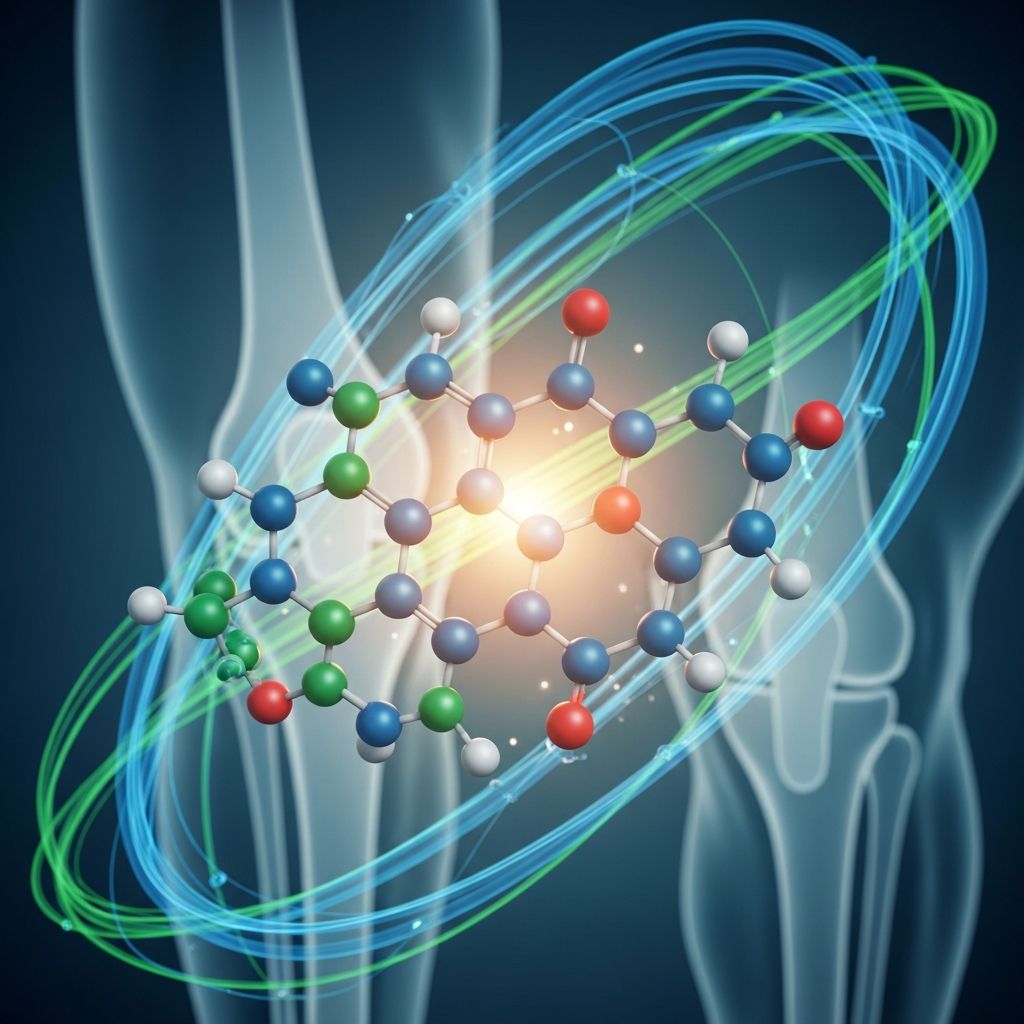
Chondroitin sulfate stands out as a naturally occurring compound essential for maintaining the structural integrity of cartilage in joints. Found abundantly in connective tissues, it plays a critical role in cushioning bones during movement and absorbing mechanical stress. As people age or engage in repetitive physical activities, cartilage degradation can lead to discomfort and reduced mobility, prompting interest in supplementation.
This guide delves into the science behind chondroitin sulfate, its potential advantages for joint conditions like osteoarthritis, practical usage recommendations, and strategies to maximize benefits through holistic approaches. By synthesizing findings from clinical research, it provides a balanced view of what users can realistically expect.
The Science of Chondroitin in Cartilage Function
At its core, chondroitin sulfate contributes to the extracellular matrix of cartilage by binding water molecules, which enhances the tissue’s resilience and shock-absorbing properties. This hydration mechanism allows joints to withstand compression without damage, much like a well-lubricated shock absorber in machinery.
Biochemically, chondroitin inhibits destructive enzymes such as matrix metalloproteinases that degrade collagen and proteoglycans, key building blocks of cartilage. It also promotes the synthesis of new matrix components, fostering a regenerative environment within the joint space. Animal and lab studies reinforce this by showing reduced cartilage breakdown and stimulated repair processes.
- Hydration support: Attracts and retains water for joint flexibility.
- Enzyme modulation: Limits breakdown of structural proteins.
- Synthesis stimulation: Aids production of collagen and proteoglycans.
Primary Benefits for Osteoarthritis Management
Osteoarthritis (OA), characterized by progressive cartilage loss and joint inflammation, affects millions worldwide. Chondroitin supplementation targets these issues by alleviating pain, improving function, and potentially slowing disease progression.
Clinical evidence indicates modest yet significant improvements in knee OA symptoms. A review of multiple trials reported better pain scores and joint mobility in supplemented groups compared to placebos. High-quality, pharmaceutical-grade formulations showed the strongest effects, suggesting product purity matters.
| Benefit | Evidence Level | Key Findings |
|---|---|---|
| Pain Reduction | Moderate | 26 studies: Improved symptoms vs. placebo |
| Function Improvement | Moderate | Enhanced daily activities, less stiffness |
| Cartilage Preservation | Emerging | Slower loss via imaging studies |
These outcomes often manifest gradually over 3-6 months, offering sustained relief rather than immediate analgesia.
Comparing Chondroitin Alone vs. Combinations
While standalone chondroitin focuses on matrix stability and anti-inflammatory actions, pairing it with glucosamine amplifies effects. Glucosamine fuels glycosaminoglycan production, complementing chondroitin’s retention and protective roles.
The GAIT trial, involving over 1,500 participants with knee OA, tested this duo against celecoxib and placebo. Combinations provided relief comparable to NSAIDs for moderate-to-severe pain, with fewer gastrointestinal risks.
- Solo use: Ideal for targeted cartilage hydration and mild symptoms.
- Combo therapy: Synergistic for comprehensive OA support.
- Other pairings: With MSM or hyaluronic acid for enhanced lubrication.
Related Stories



Optimal Dosage and Administration Tips
Standard dosing ranges from 800-1200 mg daily, often split into 2-3 doses to improve absorption. Pharmaceutical-grade products, like those from reputable manufacturers, ensure bioavailability.
Timing matters: Taking with meals reduces stomach upset, and consistent daily intake builds therapeutic levels. Long-term use (6+ months) yields best results, as short-term trials show limited impact.
For personalized dosing:
- Mild OA: 800 mg/day
- Moderate OA: 1200 mg/day
- Severe cases: Consult provider for combo regimens
Potential Side Effects and Safety Profile
Chondroitin is generally well-tolerated, with side effects mild and infrequent, including nausea, diarrhea, or bloating in under 10% of users. Derived from bovine, porcine, or marine sources, it poses low allergy risk for most, though shellfish-sensitive individuals should opt for lab-synthesized versions.
Precautions include:
- Bleeding disorders: May enhance anticoagulant effects; monitor with warfarin.
- Prostate issues: Rare PSA elevation reports.
- Pregnancy: Insufficient data; avoid unless advised.
High-quality sourcing minimizes contaminants like heavy metals.
Enhancing Results with Lifestyle Factors
Supplements work best alongside supportive habits. Low-impact exercises like swimming or cycling maintain joint mobility without excess stress. A diet rich in anti-inflammatory foods—omega-3s from fish, antioxidants from berries—bolsters effects.
Weight management reduces joint load; every pound lost eases knee pressure by 4x. Vitamin D and collagen-rich foods further support connective tissue.
Research Landscape and Future Directions
While promising, evidence remains mixed due to study variability in dose, duration, and quality. Recent trials favor high-molecular-weight chondroitin for superior outcomes, akin to NSAIDs but safer long-term.
Ongoing research explores injectable forms for cataracts and broader anti-inflammatory applications. Regulatory bodies like the FDA approve it for surgical viscosupplementation, hinting at untapped potential.
Frequently Asked Questions (FAQs)
Does chondroitin regrow cartilage?
No direct regrowth, but it supports repair mechanisms and slows loss, per imaging studies.
How long until chondroitin works?
Typically 2-3 months for noticeable pain relief and function gains.
Is chondroitin safe for long-term use?
Yes, with a favorable profile over years in trials.
Can vegetarians take chondroitin?
Fermentation-derived vegan options exist, though less common.
Does it interact with medications?
Minimal; caution with blood thinners.
Choosing Quality Supplements
Look for third-party tested products with 90%+ purity. Certifications from USP or NSF ensure potency. Avoid cheap imports lacking standardization.
In summary, chondroitin sulfate offers a science-backed option for joint support, particularly in OA, when used judiciously with lifestyle integration.
References
- How to Use Chondroitin for Optimal Joint Health — Wellbeing Nutrition. 2023. https://wellbeingnutrition.com/blogs/performance-sports/how-to-use-chondroitin-for-optimal-joint-health
- Chondroitin Sulfate: Benefits, Downsides, Dosage, and More — Healthline. 2023-10-15. https://www.healthline.com/nutrition/chondroitin
- Chondroitin Sulfate – Uses, Side Effects, and More — WebMD. 2024. https://www.webmd.com/vitamins/ai/ingredientmono-744/chondroitin-sulfate
- Chondroitin | Uses, side-effects — Arthritis UK. 2023. https://www.arthritis-uk.org/information-and-support/understanding-arthritis/arthritis-treatments/complementary-and-alternative-treatments/types-of-complementary-treatments/chondroitin/
- Glucosamine, Chondroitin for Osteoarthritis Pain — Arthritis Foundation. 2023. https://www.arthritis.org/health-wellness/treatment/complementary-therapies/supplements-and-vitamins/glucosamine-chondroitin-osteoarthritis-pain
Similar Articles








Read full bio of medha deb