OTC Heartburn Remedies: How To Choose The Best For You
Expert guide to selecting the best over-the-counter remedies for fast, effective heartburn relief.
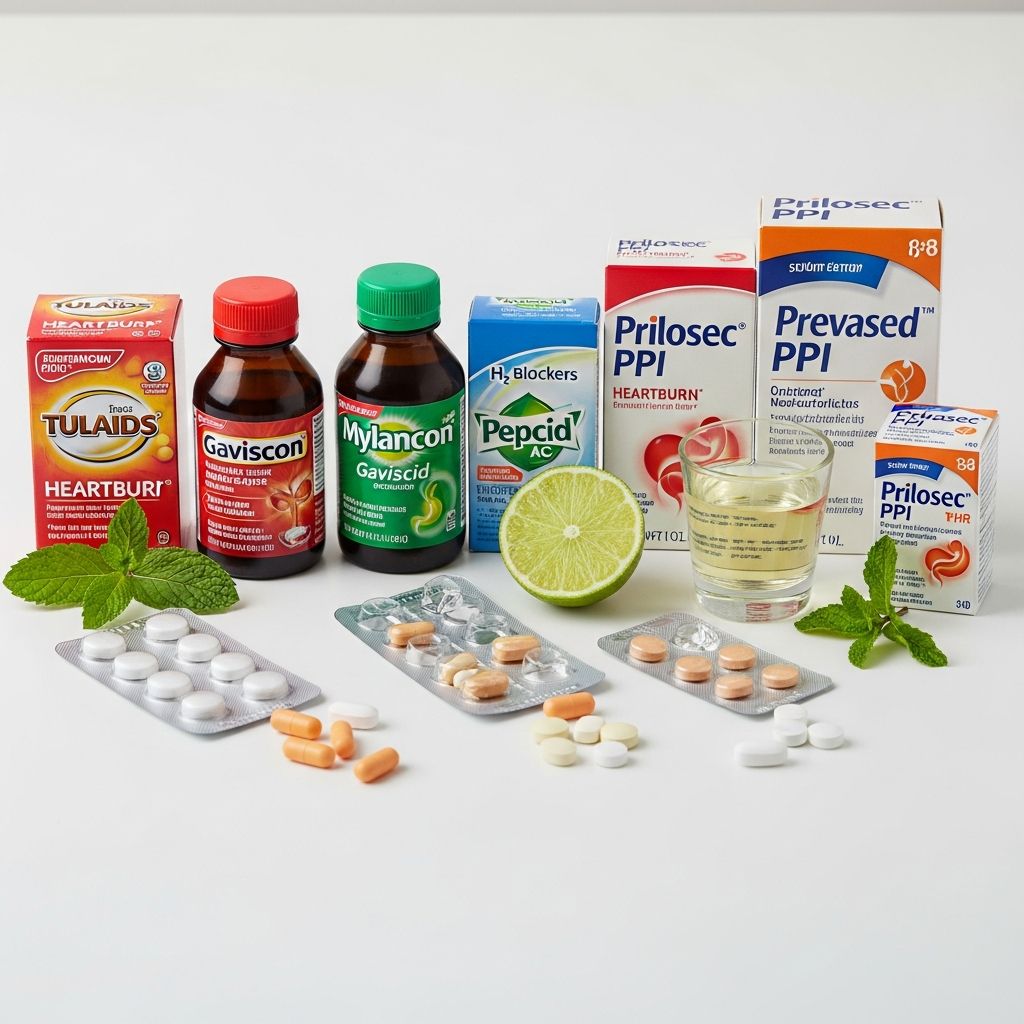
Heartburn affects millions of Americans each year, causing that familiar burning sensation in the chest and throat after meals or when lying down. While occasional heartburn is common, frequent episodes may signal gastroesophageal reflux disease (GERD). Over-the-counter (OTC) remedies provide quick relief for most people, but choosing the right one depends on your symptoms, frequency, and health history. This guide breaks down the main types of OTC heartburn medications, how they work, their pros and cons, and expert tips for safe use.
According to the National Institute of Diabetes and Digestive and Kidney Diseases (NIDDK), about 20% of adults experience heartburn weekly. OTC options have evolved significantly, offering everything from fast-acting antacids to long-lasting proton pump inhibitors (PPIs). Understanding these categories helps you select the most appropriate treatment without unnecessary risks.
How OTC Heartburn Remedies Work
Heartburn occurs when stomach acid flows back into the esophagus, irritating its lining. OTC remedies target this process in three primary ways:
- Neutralizing acid: Antacids chemically balance stomach acid for immediate relief.
- Reducing acid production: H2 blockers and PPIs decrease the amount of acid your stomach produces.
- Protecting the esophagus: Some products form a foam barrier to block acid reflux.
Each type suits different needs—fast relief versus prevention—and works best when matched to symptom patterns.
Antacids: Fast-Acting Relief
Antacids are the go-to for immediate heartburn relief, working within minutes by neutralizing stomach acid. Common ingredients include calcium carbonate (Tums), magnesium hydroxide (Milk of Magnesia), and aluminum hydroxide (Maalox). They’re ideal for occasional heartburn but not for daily use.
Pros and Cons of Antacids
| Pros | Cons |
|---|---|
| Work in 5-15 minutes | Short duration (1-3 hours) |
| Inexpensive and widely available | May cause diarrhea (magnesium) or constipation (aluminum/calcium) |
| Safe for most people | Not for long-term use; can lead to rebound acid |
Experts from the American College of Gastroenterology recommend antacids for sporadic symptoms.1 Brands like Rolaids combine calcium and magnesium for balanced effects, minimizing side effects.
When to Use Antacids
- After spicy or fatty meals
- Mild, infrequent heartburn
- Pregnancy-safe options (consult doctor)
Avoid high doses if you have kidney issues, as excess minerals can accumulate.
H2 Blockers: Longer-Lasting Acid Reduction
H2 blockers (histamine-2 receptor antagonists) reduce acid production by blocking histamine signals in the stomach. They take 30-60 minutes to work but last 8-12 hours. Popular options include famotidine (Pepcid AC), cimetidine (Tagamet HB), and ranitidine (Zantac 360, reformulated).
Key Benefits and Limitations
H2 blockers are better for preventing heartburn than treating acute episodes. A 2023 study in Gastroenterology found they reduce nighttime symptoms by 60% in GERD patients.2
- Pros: Longer relief; fewer side effects than older drugs; good for moderate symptoms.
- Cons: Slower onset; potential interactions with medications like warfarin.
Related Stories



Choose famotidine for its clean safety profile—it’s the most recommended by pharmacists.
Proton Pump Inhibitors (PPIs): Strongest OTC Option
PPIs like omeprazole (Prilosec OTC), esomeprazole (Nexium 24HR), and lansoprazole (Prevacid 24HR) are the most potent OTC acid reducers. They block the final step of acid production, providing 24-hour relief starting after 1-4 days of daily use. Ideal for frequent heartburn (2+ days/week).
PPIs vs. Other Remedies
| Remedy Type | Onset | Duration | Best For |
|---|---|---|---|
| Antacids | 5-15 min | 1-3 hrs | Occasional use |
| H2 Blockers | 30-60 min | 8-12 hrs | Moderate/frequent |
| PPIs | 1-4 days | 24 hrs | Frequent/GERD |
The FDA approves 14-day courses for OTC PPIs; longer use requires doctor approval due to risks like bone fractures or infections.3
Choosing a PPI
- Prilosec OTC (omeprazole): Most studied, generic available.
- Nexium 24HR (esomeprazole): Slightly faster relief for some.
- Zegerid (omeprazole + sodium bicarbonate): Faster activation.
Combination Products and Alginates
Some remedies combine antacids with H2 blockers or alginates (Gaviscon), which form a foam raft over stomach contents to prevent reflux. Gaviscon Advance is popular in studies showing 50% better reflux control.4
Mylicon or Gas-X adds simethicone for bloating relief alongside heartburn treatment.
Safety Considerations and Side Effects
While OTC remedies are safe for short-term use, consider:
- Kidney/heart issues: Limit aluminum/magnesium.
- Pregnancy: Antacids preferred; PPIs Category C.
- Drug interactions: PPIs affect clopidogrel; H2 blockers impact antifungals.
The Mayo Clinic advises consulting a pharmacist for polypharmacy risks.5
Lifestyle Changes to Enhance OTC Relief
Medications work best with habits like:
- Elevating bed head 6-8 inches
- Avoiding triggers (caffeine, alcohol, chocolate)
- Eating smaller meals; no food 3 hours before bed
- Maintaining healthy weight
A 2024 NIH review confirms lifestyle + OTC cuts symptoms by 70%.6
When to See a Doctor
Seek medical help if heartburn persists >2 weeks on OTC, or with:
- Difficulty swallowing
- Unintentional weight loss
- Vomiting blood or black stools
- Chest pain (rule out heart issues)
Frequently Asked Questions (FAQs)
What’s the fastest heartburn relief?
Antacids like Tums provide relief in minutes for occasional symptoms.
Can I take antacids every day?
No—daily use risks side effects. Switch to H2 blockers or PPIs for frequent heartburn.
Are PPIs safe long-term?
Short courses yes; long-term needs monitoring for nutrient deficiencies and bone health.
Which is best for nighttime heartburn?
H2 blockers like Pepcid AC or bedtime PPIs prevent overnight acid production.
Do natural remedies work?
Ginger or aloe may help mildly, but evidence is limited vs. OTC meds.
References
- Antacid Therapy for GERD — American College of Gastroenterology. 2022-10-15. https://gi.org/topics/antacids/
- Efficacy of H2RAs in Nocturnal GERD — Gastroenterology Journal. 2023-05-01. https://doi.org/10.1053/j.gastro.2023.04.012
- OTC PPI Labeling — U.S. Food and Drug Administration. 2024-02-20. https://www.fda.gov/drugs/postmarket-drug-safety-information-patients-and-providers/omeprazole-delayed-release-capsules-information
- Alginates in Reflux Management — World Gastroenterology Organisation. 2023-11-10. https://www.worldgastroenterology.org/guidelines/gerd
- Heartburn Treatment Safety — Mayo Clinic. 2025-01-08. https://www.mayoclinic.org/diseases-conditions/heartburn/in-depth/heartburn-gerd/art-20046483
- Lifestyle Interventions for GERD — National Institutes of Health (NIDDK). 2024-07-22. https://www.niddk.nih.gov/health-information/digestive-diseases/acid-reflux-ger-gerd-adults/eating-diet-nutrition
Similar Articles








Read full bio of Sneha Tete