How to Choose the Healthiest Peanut Butter
Expert guide to selecting nutritious peanut butter: what to look for and brands to trust.
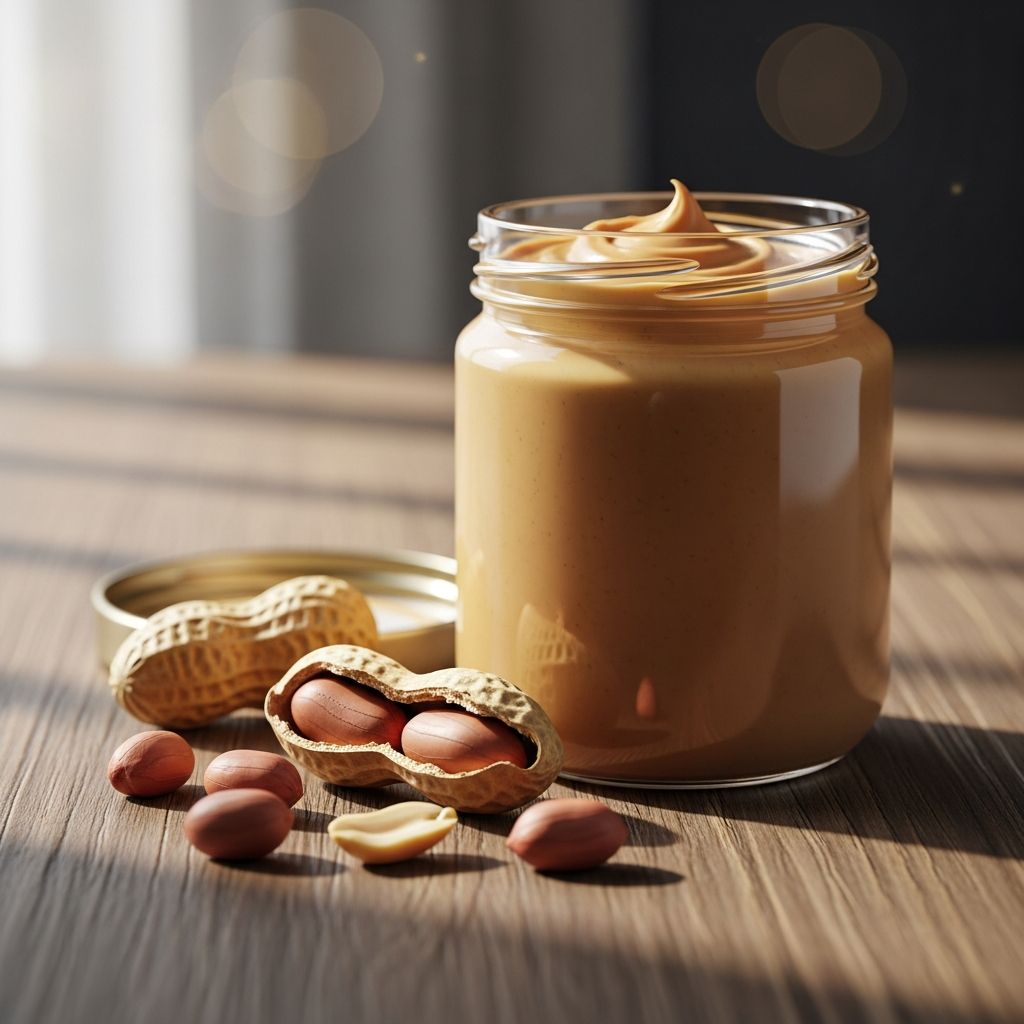
Peanut butter is a beloved staple in many households, offering protein, healthy fats, and satisfying taste. However, not all peanut butters are created equal. With numerous brands and varieties lining grocery store shelves, selecting a nutritious option requires understanding what to look for in labels and ingredients. This guide will help you navigate the peanut butter aisle and make informed choices that align with your health goals.
Understanding Peanut Butter Labels and Ingredients
The foundation of choosing healthy peanut butter begins with reading the ingredient list. According to nutrition experts, quality peanut butter should contain only peanuts, with no added oil or sugar. A pinch of salt is the only acceptable addition to maintain flavor and preservation. This simplicity is key—fewer ingredients mean fewer additives that could compromise nutritional value.
When examining labels, pay special attention to these critical ingredients:
- Peanuts: Should be the first and ideally only ingredient
- Palm oil: Avoid if possible, as it contains saturated fats that may increase heart disease risk and raises environmental concerns
- Hydrogenated vegetable oil: This is particularly problematic, as it harbors trans fats that negatively affect heart health, inflammation, and blood sugar control
- Sugar and sweeteners: Added sugars are unnecessary since peanuts contain natural sweetness
- Monoglycerides and diglycerides: These texture-improving additives contain trans fats and may come from animal sources
The Importance of Organic and Natural Options
When possible, organic peanuts are recommended as they won’t have fungicide and pesticide residues. Organic certification ensures that peanuts are grown without synthetic pesticides, which is particularly important given that peanuts are susceptible to fungal contamination during growth.
Natural peanut butter—which contains no hydrogenated oils or added sugar—represents another excellent choice. These products embrace transparency and simplicity, free from artificial additives that can detract from the nutritional profile. While the debate continues about whether organic is definitively healthier than natural, both options are superior to conventional peanut butters loaded with additives.
Top-Rated Healthy Peanut Butter Brands
Based on nutritionist recommendations and dietitian testing, several brands consistently rank as the healthiest choices:
Best Overall: Smucker’s Organic Chunky Peanut Butter
Smucker’s Organic Chunky Peanut Butter ranks as a top choice, containing only organic peanuts and a minimal amount of salt. The roasting process perfectly develops the natural nuttiness of the peanuts, making each bite flavorful without requiring additives. This option is particularly appealing for those prioritizing organic certification and clean ingredients.
Best Natural Option: Smucker’s Natural Chunky Peanut Butter
For those seeking a non-organic alternative, Smucker’s Natural Chunky performs exceptionally well. The primary difference from its organic counterpart is the absence of organic certification, though the ingredient list remains pristine. The peanuts are perfectly roasted and easy to emulsify, making it ideal for spreading on toast, oatmeal, or vegan banana bread. Its affordability combined with excellent taste and nutrition makes it highly recommendable.
Related Stories



Best for Simplicity: Crazy Richard’s Peanut Butter
Crazy Richard’s No Salt Peanut Butter represents the ultimate in simplicity—just peanuts, nothing else. This option is perfect for those monitoring sodium intake or preferring to control salt amounts in their diet.
Best Creamy Option: Kirkland Organic Peanut Butter
Kirkland Organic Peanut Butter from Costco delivers a smooth, creamy consistency with organic peanuts and minimal salt. This option works well for those preferring creamy texture over chunky varieties and offers excellent value through Costco’s bulk purchasing model.
Premium Choice: Just About Foods Organic Peanut Butter
Just About Foods organic peanut butter ranks exceptionally high for flavor and ethical sourcing. The organic peanuts are non-GMO and cultivated in Mexico using regenerative agriculture, which benefits both land and farming communities. The flavor delivers clear notes of dry-roasted peanuts with a hint of salt and subtle natural sweetness—all without added sugars, oils, or stabilizers.
Fresh Taste: Peanut Butter & Co
Peanut Butter & Co delivers undeniably fresh-tasting peanuts in every bite. Though peanuts are roasted and blanched before grinding, the finished product tastes noticeably fresher than many competitors, making it an excellent choice for those prioritizing flavor quality.
What to Avoid in Peanut Butter
Certain brands and formulations should be avoided if health is your priority:
- Jif Creamy Peanut Butter: Contains hydrogenated vegetable oils and mono/diglycerides with trans fats; may contain animal-derived ingredients
- Skippy Creamy Peanut Butter: Contains hydrogenated vegetable oil and added sugar, both problematic for heart and metabolic health
- Peter Pan Original varieties: Contain hydrogenated vegetable oils with trans fats
- Jif Natural Creamy: Despite the “natural” label, contains palm oil, salt, sugar, and molasses—unnecessary additions to peanut butter
- Justin’s Classic: Contains palm oil, which isn’t necessary and raises environmental concerns
Powdered Peanut Butter: An Alternative Option
For those watching calorie or fat intake, powdered peanut butters offer an alternative. These products contain significantly reduced fat content—up to 70% less fat than standard peanut butters—while maintaining protein content. However, they require reconstitution with water and may retain some graininess that detracts from the traditional creamy experience. Hale Naturals PPB ranks as the best powdered option, though it contains natural sweeteners that some prefer to avoid.
Texture Considerations and Personal Preference
Beyond ingredients, personal preference matters. Some prefer creamy spreads, while others enjoy the texture of chunky varieties with visible peanut pieces. The ideal peanut butter should have appropriate texture—creamy enough to spread easily but with well-balanced particle size if chunky. Products that become overly lumpy or grainy at the bottom of the jar indicate stabilizer issues and should be avoided.
Storage and Shelf Life
Natural peanut butters without added oils may separate, with oils rising to the top. This is normal and indicates the absence of stabilizers. Simply stir before each use or refrigerate to minimize separation. Alternatively, many high-quality natural peanut butters now use minimal natural stabilizers that prevent separation without compromising health benefits.
Nutritional Benefits of Quality Peanut Butter
Quality peanut butter provides substantial nutritional value, including protein for muscle maintenance, healthy monounsaturated fats supporting heart health, fiber for digestive function, and micronutrients like vitamin E, magnesium, and potassium. Choosing peanut butter with minimal additives ensures you receive these benefits without unnecessary calories from added sugars or concerning trans fats from hydrogenated oils.
Frequently Asked Questions
Q: Is organic peanut butter always healthier than natural peanut butter?
A: While organic peanut butter avoids pesticide residues, the scientific jury remains somewhat divided on whether this translates to significantly better health outcomes. Both organic and natural peanut butters without added sugar, oils, and stabilizers are excellent choices. What matters most is the absence of problematic additives rather than organic certification alone.
Q: Why should I avoid hydrogenated vegetable oil in peanut butter?
A: Hydrogenated vegetable oils contain trans fats, which are widely recognized as harmful to heart health, may increase inflammation, and can negatively affect blood sugar control. This makes them considerably more problematic than other oils sometimes used in peanut butter.
Q: What about natural separation in peanut butter?
A: Natural separation, where oil rises to the top, is a sign of quality—it indicates the peanut butter contains no stabilizers. This is normal and healthy. Simply stir before use or refrigerate to minimize separation.
Q: Can I use peanut butter for weight loss?
A: Yes, quality peanut butter can support weight loss when consumed in appropriate portions. The protein and healthy fats promote satiety, helping reduce overall calorie consumption. Avoid varieties with added sugars, and measure portions carefully.
Q: How do I know if a peanut butter is truly natural?
A: Check the ingredient list for just peanuts and optionally salt. Avoid products listing sugar, oils (especially hydrogenated), sweeteners, or other additives. The shorter the ingredient list, the more natural the product.
Q: Is creamy or chunky peanut butter healthier?
A: Neither is inherently healthier—the choice is purely personal preference. What matters is selecting either style from a brand with clean, minimal ingredients rather than the texture itself.
References
- Best Healthy & Natural Peanut Butters – Ranked — MyWellbeing Journal. 2018-12-29. https://mywellbeingjournal.com/2018/12/29/best-healthy-natural-peanut-butters-ranked/
- Ranking Peanut Butter Brands by How Healthy They Are — Mel Magazine. Nutritionist Shanna Lee, author of The Soul Frequency: Your Healthy, Awakened and Authentic Life. https://melmagazine.com/en-us/story/healthiest-peanut-butter-brands
- Healthiest Peanut Butters For Weight Loss (Dietitian Tested and Ranked) — One Pot Wellness. https://onepotwellness.com/best-tasting-natural-peanut-butter/
- Best Peanut Butter: RANKED BEST TO WORST (Blind Taste Test) — True Food TV. https://www.youtube.com/watch?v=lGT6RT8GuDo
- We Tried And Ranked 8 Peanut Butter Brands With No Added Sugar — Tasting Table. https://www.tastingtable.com/1972947/peanut-butter-brands-no-additives-ranked/
Similar Articles








Read full bio of medha deb