Choosing Heart-Healthy Oils for Home Cooking
Select the best heart-healthy cooking oils to reduce cholesterol and support cardiovascular wellness.
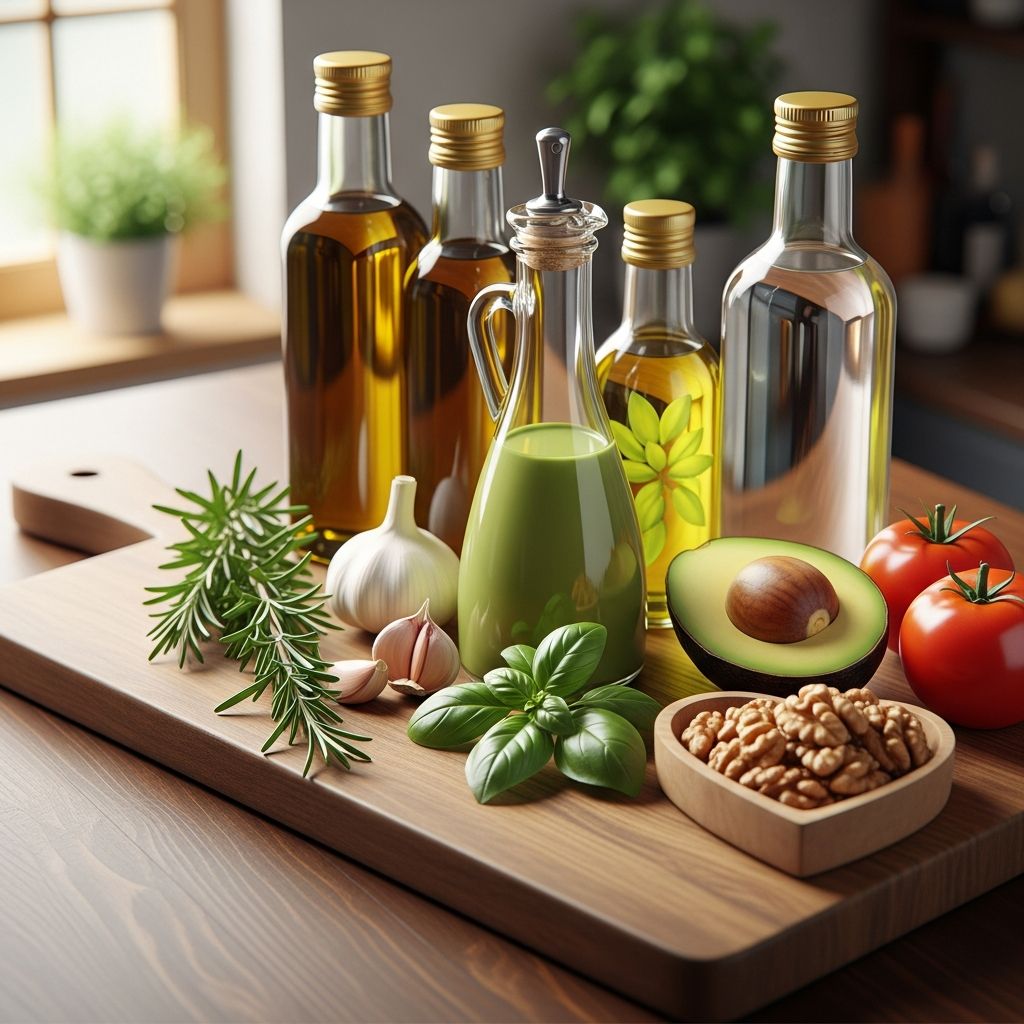
When it comes to maintaining a healthy heart, the oils you use in your kitchen play a surprisingly significant role. The type of fat you consume can directly impact your cholesterol levels, blood pressure, and overall cardiovascular health. Yet many people remain uncertain about which oils to stock in their pantries and which to avoid. Understanding the differences between various cooking oils and their effects on heart health is essential for making informed dietary choices.
Why Cooking Oils Matter for Heart Health
Cooking oils are not created equal. Some oils can help reduce harmful cholesterol and lower your risk of heart disease, while others may increase your cardiovascular risk. The key lies in understanding which fats are beneficial and which should be limited or avoided altogether.
Research from Harvard T.H. Chan School of Public Health demonstrates that consuming more than half a tablespoon of olive oil daily may lower heart disease risk significantly. A landmark study published in the Journal of the American College of Cardiology found that people who consumed more than half a tablespoon of olive oil per day had lower rates of premature death from cardiovascular disease and other causes compared to those who rarely or never consumed olive oil. This groundbreaking research represents the first long-term study in the United States to demonstrate such substantial health benefits.
The reason certain oils promote heart health relates to their fatty acid composition. Oils rich in monounsaturated and polyunsaturated fats can help reduce low-density lipoprotein (LDL) cholesterol, often called “bad” cholesterol, while maintaining or even increasing high-density lipoprotein (HDL) cholesterol, known as “good” cholesterol.
The Best Oils for Heart Health
Extra Virgin Olive Oil: The Gold Standard
Extra virgin olive oil (EVOO) stands out as one of the most heart-healthy cooking oils available. Among all edible plant oils, olive oil contains the highest percentage of monounsaturated fat, which actively lowers LDL cholesterol and increases HDL cholesterol. Beyond cholesterol management, olive oil has been shown to lower blood pressure and contains plant-based compounds with anti-inflammatory and antioxidant properties that reduce disease processes, including heart disease.
Extra virgin olive oil is the fatty fraction of olive juice extracted only through mechanical and physical processes without refinement. This lack of processing preserves both its sensory characteristics and health properties. Terms like “first-pressed” and “cold-pressed” emphasize that EVOO is an unrefined, natural product that undergoes a single, simple milling process without any processing that would alter its quality.
EVOO is the staple fat source for the Mediterranean diet, which the American Heart Association emphasizes for preventing cardiovascular disease. This diet has been studied extensively and consistently shows remarkable cardiovascular benefits. Olive oil is central to this dietary pattern, with Mediterranean populations consuming it regularly for over 5,000 years.
Related Stories



Canola Oil: The Versatile Choice
Canola oil represents another excellent heart-healthy option, particularly for cooking applications where neutral flavor is preferred. Strong evidence demonstrates the heart-healthy benefits of canola oil, along with soybean, corn, safflower, sunflower, and other plant oils. Canola oil is virtually flavorless, making it ideal for baked goods and applications where you want the taste of other ingredients to shine through.
Other Plant-Based Oils
Beyond olive and canola oils, several other plant-based oils provide cardiovascular benefits. Soybean, corn, safflower, and sunflower oils all contain beneficial fats that support heart health. These oils work well for sautéing, marinades, and various cooking methods. Including several different heart-healthy plant oils in your kitchen allows you to select the most appropriate option for each cooking application.
Understanding Different Grades of Olive Oil
Not all olive oils are created equal. The refining process significantly impacts the oil’s health properties and flavor profile.
Extra Virgin Olive Oil (EVOO)
EVOO represents the highest quality and most health-beneficial form of olive oil. It undergoes minimal processing, maintaining its natural compounds and antioxidants. European studies have shown better health results with EVOO, which contains a higher amount of plant compounds and antioxidants than other edible oils. While EVOO can be more expensive than other vegetable oils, its superior nutritional profile and rich flavor make it a worthwhile investment for dressings and finishing dishes.
Regular Olive Oil
Regular olive oil has been refined, bleached, deodorized, and then blended with 5% to 15% EVOO. Terms like “pure” or “light” are marketing descriptions for this type of oil, referring to its lighter flavor, aroma, or color rather than its calorie content or fat composition. While still a healthier option than many alternatives, regular olive oil does not contain the same concentration of beneficial plant compounds as extra virgin varieties.
Best Uses for Different Oils in Your Kitchen
Different cooking applications call for different oils. Understanding the best use for each type helps you maximize both flavor and nutritional benefits.
| Oil Type | Best Uses | Flavor Profile | Heat Stability |
|---|---|---|---|
| Extra Virgin Olive Oil | Salad dressings, finishing dishes, drizzling on vegetables, bread dipping | Rich, fruity, robust | Medium |
| Regular Olive Oil | Light sautéing, low to medium heat cooking, baking | Mild, neutral | Medium |
| Canola Oil | Baking, frying, sautéing, general cooking | Virtually flavorless | High |
| Soybean Oil | Cooking, marinades, salad dressings | Neutral | Medium-High |
| Sunflower Oil | Cooking, salad dressings, marinades | Neutral to mild | Medium-High |
Since extra virgin olive oil has a fragrant aroma and strong flavor, it works best for dressing salads or vegetables, as a replacement for butter on whole-grain bread, or incorporated into dishes like mashed potatoes where its flavor enhances rather than overwhelms. Canola oil, being virtually flavorless, tends to work well in baked goods and other applications where you want other ingredients to take center stage. Other plant oils can be used for sautéing, marinades, and general cooking purposes.
Oils to Limit or Avoid
While certain oils promote heart health, others can increase your cardiovascular risk and should be limited or eliminated from your diet.
Butter and Margarine
Butter, a saturated fat, can raise LDL cholesterol levels. When cooking, olive oil and other plant-based oils provide much healthier substitutes for butter, margarine, and other types of animal fat. Replacing unhealthy fats with olive oil is associated with a lower risk of dying from cardiovascular disease.
Trans Fats
Trans fats should be avoided entirely. These artificially created fats are among the most harmful substances you can consume for your cardiovascular health. They raise LDL cholesterol while lowering HDL cholesterol, creating a particularly dangerous situation for heart health. Fortunately, trans fats have been largely removed from the food supply in many countries, but checking labels remains important.
Incorporating Healthy Oils Into Your Diet
Making the switch to heart-healthy cooking oils is a practical step toward better cardiovascular health. Harvard School of Public Health recommends using olive, canola, and other plant oils in cooking, on salads, and at the table, since these healthy fats reduce harmful cholesterol and are good for the heart.
Start by replacing saturated and trans fats with plant-based oils. Use olive oil as your primary oil for salad dressings and finishing touches on dishes. Keep canola oil on hand for baking and general cooking. Maintain a small collection of other plant oils for variety and different cooking applications. Over time, these changes will become automatic, and your cardiovascular system will benefit significantly.
According to Christopher Gardner, director of nutrition research studies at Stanford Prevention Research Center, no single food or nutrient has as much health impact as the whole dietary pattern. However, maintaining a moderate amount of plant-based fat and reducing refined grains and sugars are important goals for any healthy dietary pattern.
The Economics of Heart-Healthy Oils
One practical consideration when selecting cooking oils is cost. Extra virgin olive oil typically costs more than regular olive oil or canola oil. However, EVOO’s superior flavor means you can use less to achieve satisfying taste, offsetting the higher price point. For a balanced approach, keep several healthy plant oils on hand for different uses. Reserve your premium EVOO for applications where its flavor truly shines, such as salad dressings and finishing dishes, while using more affordable options like canola oil for general cooking purposes.
Frequently Asked Questions
Q: How much olive oil should I consume daily for heart health benefits?
A: Research suggests that consuming more than half a tablespoon of olive oil daily may lower heart disease risk and reduce premature mortality from cardiovascular disease and other causes.
Q: Is extra virgin olive oil better than regular olive oil for cooking?
A: Extra virgin olive oil contains more beneficial plant compounds and antioxidants, making it nutritionally superior. However, its lower smoke point makes it better suited for salad dressings and finishing dishes rather than high-heat cooking. Regular olive oil or canola oil work better for cooking applications.
Q: Can I use olive oil for baking?
A: Yes, you can use regular olive oil or canola oil for baking. However, extra virgin olive oil’s strong flavor may not be ideal for most baked goods. Canola oil, being virtually flavorless, is typically the better choice for baking applications.
Q: What should I replace if I switch to heart-healthy oils?
A: Replace butter, margarine, and other animal fats with plant-based oils like olive oil and canola oil. Avoid trans fats entirely and limit saturated fats. This substitution can significantly reduce your heart disease risk.
Q: Are all plant-based oils equally heart-healthy?
A: While many plant-based oils offer cardiovascular benefits, olive oil stands out for its particularly high monounsaturated fat content and beneficial plant compounds. Canola, soybean, sunflower, and safflower oils also provide heart-healthy benefits and make excellent alternatives.
Q: How should I store my cooking oils?
A: Store oils in cool, dark places away from heat and light, which can degrade their quality. Extra virgin olive oil should be stored in a dark bottle to protect its beneficial compounds. Most oils keep well for one to two years when properly stored.
Conclusion
Choosing heart-healthy oils for your kitchen represents a simple yet powerful step toward better cardiovascular health. By understanding which oils provide the greatest benefits, how to use them appropriately, and which fats to avoid, you can make dietary choices that actively protect your heart. Whether you prioritize extra virgin olive oil for its nutritional profile and flavor or prefer the versatility of canola oil for cooking, incorporating plant-based oils into your daily routine can help reduce cholesterol levels, lower blood pressure, and decrease your risk of heart disease. Start today by examining your current oil selections and making the switch to heart-healthy alternatives that support your long-term health and wellness.
References
- The benefits of adding a drizzle of olive oil to your diet — American Heart Association. 2022-09-28. https://www.heart.org/en/news/2022/09/28/the-benefits-of-adding-a-drizzle-of-olive-oil-to-your-diet
- Harvard’s New Healthy Eating Guidelines: Drizzle On the Olive Oil — Harvard School of Public Health. 2011. https://www.californiaoliveranch.com/articles/harvards-new-healthy-eating-guidelines-drizzle-on-the-olive-oil
- Monounsaturated Fatty Acids and Health — American Heart Association. 2024. https://www.heart.org/en/healthy-living/healthy-eating/eat-smart/fat
Similar Articles








Read full bio of medha deb