Chorea: Symptoms, Causes, Diagnosis & Treatment
Understanding chorea: involuntary movements, underlying causes, and effective treatment options.
What is Chorea?
Chorea is a neurological movement disorder characterized by involuntary, unpredictable, and irregular movements that flow from one part of the body to another. The term “chorea” derives from the Greek word for “dance,” reflecting the distinctive dance-like quality of the movements. These uncontrolled movements can range from small, fidgety motions to large, vigorous gestures that significantly impact daily functioning. Unlike other movement disorders, chorea movements are non-stereotyped, meaning they do not repeat in a predictable pattern. In mild cases, chorea may appear purposeful or mask itself as simple restlessness, making it challenging to distinguish from normal behavior. However, in severe presentations, chorea manifests as violent, flowing movements that disrupt essential activities such as speaking, eating, walking, and maintaining balance.
Understanding the Causes of Chorea
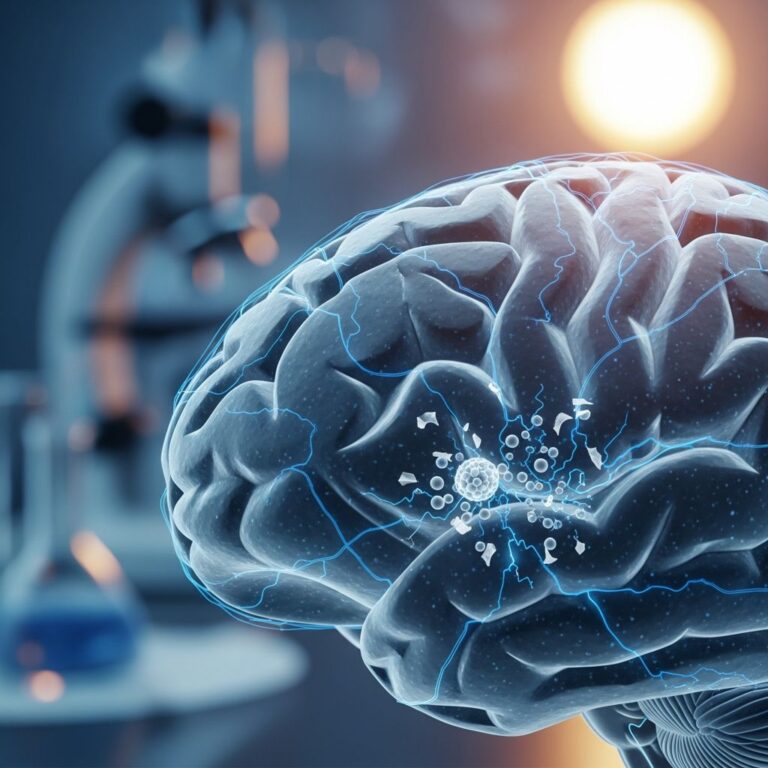
Chorea originates in the basal ganglia, an area of the brain that plays a crucial role in controlling movement and coordinating motor functions. The condition develops when this brain region receives excessive amounts of dopamine, a neurotransmitter essential for nerve function. This dopamine excess disrupts normal motor control mechanisms, resulting in the characteristic involuntary movements. Multiple underlying conditions can trigger chorea, and understanding these causes is essential for proper diagnosis and treatment planning.
Genetic Causes
The most widely recognized cause of chorea is Huntington’s disease, a hereditary neurological disorder that typically manifests in adulthood. Huntington’s disease causes progressive neurodegeneration in the basal ganglia, leading to chorea as one of its primary motor symptoms. Individuals with a family history of Huntington’s disease carry a 50% chance of inheriting the condition. The disease usually emerges between ages 35 and 40, though juvenile-onset Huntington’s disease can develop earlier with different symptom presentations.
Infectious and Post-Infectious Causes
Sydenham chorea represents the most common form of acquired chorea, developing in children following strep throat or rheumatic fever caused by group A beta-hemolytic Streptococcus infection. This condition occurs when the immune system’s response to the bacterial infection inadvertently affects the nervous system. Symptoms typically appear up to six months after the initial infection, presenting as rapid, involuntary, uncoordinated movements resembling dance-like motions. Sydenham chorea is more prevalent in developing countries where antibiotic therapy for strep infections may be limited.
Autoimmune and Systemic Disorders
Autoimmune diseases such as systemic lupus erythematosus can trigger chorea through immune-mediated mechanisms affecting brain function. Additionally, various endocrine and metabolic disorders, including hypothyroidism and other hormonal imbalances, can precipitate chorea development. These conditions affect the delicate neurochemical balance required for normal motor control.
Other Potential Causes
Brain injuries, including traumatic brain injury, stroke, and brain tumors, may result in chorea. Certain medications can also induce chorea as a side effect, particularly those affecting dopamine levels or receptor sensitivity. Metabolic disorders and other rare neurological conditions may similarly present with choreic movements.
Recognizing Symptoms of Chorea
Chorea manifests through a variety of characteristic movements and symptoms that healthcare providers recognize during clinical evaluation. Understanding these symptoms helps patients and families identify the condition early and seek appropriate medical attention.
Characteristic Movement Patterns
Several distinctive movement patterns define chorea and aid in clinical diagnosis:
Milkmaid’s Grip: Individuals with chorea struggle to maintain sustained muscle contraction, resulting in an inability to maintain steady grip strength. Instead of holding objects firmly, they exhibit a repetitive squeezing and releasing motion resembling the action of milking a cow. This involuntary release makes holding objects and performing fine motor tasks extremely challenging.
Related Stories



Jack-in-the-Box Tongue (Harlequin’s Tongue): When attempting to protrude the tongue, it uncontrollably pops in and out of the mouth in rapid, involuntary movements. This distinctive symptom reflects the choreic involvement of facial and oral musculature and is easily recognized by trained neurologists.
Distinctive Gait: People with chorea develop a characteristic walking pattern recognizable to movement disorder specialists. The involuntary movements of the legs and torso create an unusual, often jerky gait that affects balance and stability.
Additional Symptoms
Beyond these hallmark signs, chorea produces:
Involuntary jerking or writhing movements affecting the arms, legs, face, and tongue. Muscle rigidity or contractures that restrict movement. Slow or unusual eye movements that affect vision and coordination. Difficulty walking, maintaining posture, and preserving balance, increasing fall risk. Speech and swallowing difficulties that can impact nutrition and communication.
Impact on Daily Life
Chorea’s severity determines its impact on functional abilities. Mild chorea may cause minimal disruption, allowing individuals to mask symptoms as fidgetiness. However, moderate to severe chorea significantly interferes with essential daily activities. Individuals may struggle with driving, professional work, self-care tasks, social participation, and maintaining independence. In children, severe chorea disrupts school attendance, academic performance, and peer relationships. The unpredictable nature of symptom fluctuation adds another challenge, as movements may intensify with fatigue or emotional stress.
Diagnosis of Chorea
Healthcare providers diagnose chorea primarily through clinical observation and patient history. A thorough diagnostic approach includes multiple components to identify both the condition and its underlying cause.
Clinical Assessment
Physicians begin by observing characteristic movement patterns and assessing how movements affect voluntary motor control. They perform standardized neurological examinations to evaluate the presence, distribution, and severity of involuntary movements. A detailed medical history explores symptom onset, progression, family history, recent infections, medications, and systemic conditions.
Diagnostic Testing
While clinical observation remains primary, additional testing helps identify underlying causes. Imaging studies such as MRI or CT scans may reveal structural brain abnormalities, evidence of stroke, or characteristic changes associated with specific conditions. Blood tests can detect infections, autoimmune markers, metabolic disorders, and genetic conditions. Genetic testing proves essential for suspected Huntington’s disease. The specific tests ordered depend on the suspected underlying cause based on clinical presentation and history.
Treatment Approaches for Chorea
Treatment strategy depends on the underlying cause, symptom severity, and individual patient factors. Some cases of chorea resolve spontaneously without intervention, while others require active management to improve function and quality of life.
Treating Underlying Conditions
When chorea stems from an identifiable underlying disorder, treating that condition often improves choreic symptoms. For example, appropriate antibiotic therapy for strep infection prevents or reduces Sydenham chorea development. Managing metabolic disorders such as hypothyroidism can alleviate associated chorea. Addressing autoimmune conditions through immunosuppressive therapy may reduce chorea symptoms.
Medication Management
When chorea requires direct symptomatic treatment, medications that reduce dopamine activity or enhance other neurotransmitter systems prove effective. These medications work by modulating basal ganglia function and reducing excessive involuntary movement. However, these medications carry potential side effects including fatigue, low blood pressure, sedation, and metabolic effects. Healthcare providers carefully balance symptom control against side effect burden.
Physical and Occupational Therapy
Physical therapy helps maintain muscle strength, improve balance, and develop compensatory strategies for movement control. Occupational therapy assists with adaptive techniques for daily activities and environmental modifications that enhance safety and independence. Both therapies may cause temporary muscle soreness but provide substantial long-term functional benefits.
Behavioral and Psychiatric Support
Many conditions causing chorea, particularly Huntington’s disease, involve psychiatric symptoms such as depression, anxiety, irritability, or behavioral changes. Mental health support, counseling, and psychiatric medications address these concurrent symptoms, improving overall quality of life and treatment outcomes.
Special Considerations in Juvenile Chorea
Chorea in children, particularly Sydenham chorea and juvenile-onset Huntington’s disease, presents unique challenges. Juvenile Huntington’s disease may feature contracted and rigid muscles, tremors, frequent falls, and even seizures. Behavioral and cognitive changes including attention difficulties and school performance decline often precede or accompany motor symptoms. Early identification and intervention prove crucial for optimizing educational and social outcomes in affected children.
Prognosis and Long-Term Outcomes
Prognosis varies considerably depending on the underlying cause. Most children with Sydenham chorea experience full recovery with no long-term complications, though a small percentage develop heart complications. Huntington’s disease follows a progressive course with gradual symptom worsening over decades. Early intervention, comprehensive symptom management, and multidisciplinary medical support significantly influence functional outcomes and quality of life across all chorea types.
Frequently Asked Questions
Q: What exactly causes the involuntary movements in chorea?
A: Chorea results from dysfunction in the basal ganglia, the brain region controlling movement. Excessive dopamine in this region disrupts normal motor control, causing the characteristic involuntary, unpredictable movements. Various underlying conditions, from genetic disorders to infections, can trigger this dopamine excess.
Q: Can chorea be cured?
A: Cure depends on the underlying cause. Sydenham chorea often resolves completely with time and treatment of the underlying strep infection. Chorea from metabolic disorders may improve with treatment of the metabolic condition. However, chorea from progressive conditions like Huntington’s disease cannot be cured, though symptoms can be managed to maintain function.
Q: How is chorea different from other movement disorders?
A: Chorea is distinguished by its brief, irregular, unpredictable, and non-stereotyped movements that flow from one body part to another. Unlike tremor (rhythmic shaking) or dystonia (sustained muscle contractions), chorea movements appear random and appear to lack consistent pattern or purpose.
Q: Will chorea affect my ability to work or attend school?
A: This depends on severity. Mild chorea may cause minimal functional impact. Moderate to severe chorea can significantly affect work performance, school attendance, and independent functioning. However, with appropriate treatment, occupational accommodations, and therapeutic support, many individuals maintain productivity and educational progress.
Q: What should I do if I suspect I have chorea?
A: Consult a healthcare provider, preferably a neurologist, who can perform appropriate clinical assessment and testing. Early diagnosis enables timely identification and treatment of underlying causes, potentially improving outcomes and preventing complications.
References
- Chorea & Huntington’s Disease — Movement Disorder Society. 2025. https://www.movementdisorders.org/MDS/About/Movement-Disorder-Overviews/Chorea–Huntingtons-Disease.htm
- Huntington’s Disease: Symptoms and Causes — Mayo Clinic. 2024. https://www.mayoclinic.org/diseases-conditions/huntingtons-disease/symptoms-causes/syc-20356117
- Sydenham Chorea: What It Is, Symptoms & Treatment — Cleveland Clinic. 2024. https://my.clevelandclinic.org/health/diseases/23077-sydenham-chorea
- Chorea: The Causes, Symptoms, and Treatments — WebMD. 2024. https://www.webmd.com/brain/what-to-know-chorea
- Huntington’s Disease: What It Is, Symptoms & Treatment — Cleveland Clinic. 2024. https://my.clevelandclinic.org/health/diseases/14369-huntingtons-disease
- Movement Disorders: What They Are, Symptoms & Types — Cleveland Clinic. 2024. https://my.clevelandclinic.org/health/diseases/24847-movement-disorders
Similar Articles








Read full bio of Sneha Tete