Chorioamnionitis: Causes, Symptoms, Diagnosis & Treatment
Understanding chorioamnionitis: infection risks, complications, and treatment options for pregnant patients.
What Is Chorioamnionitis?
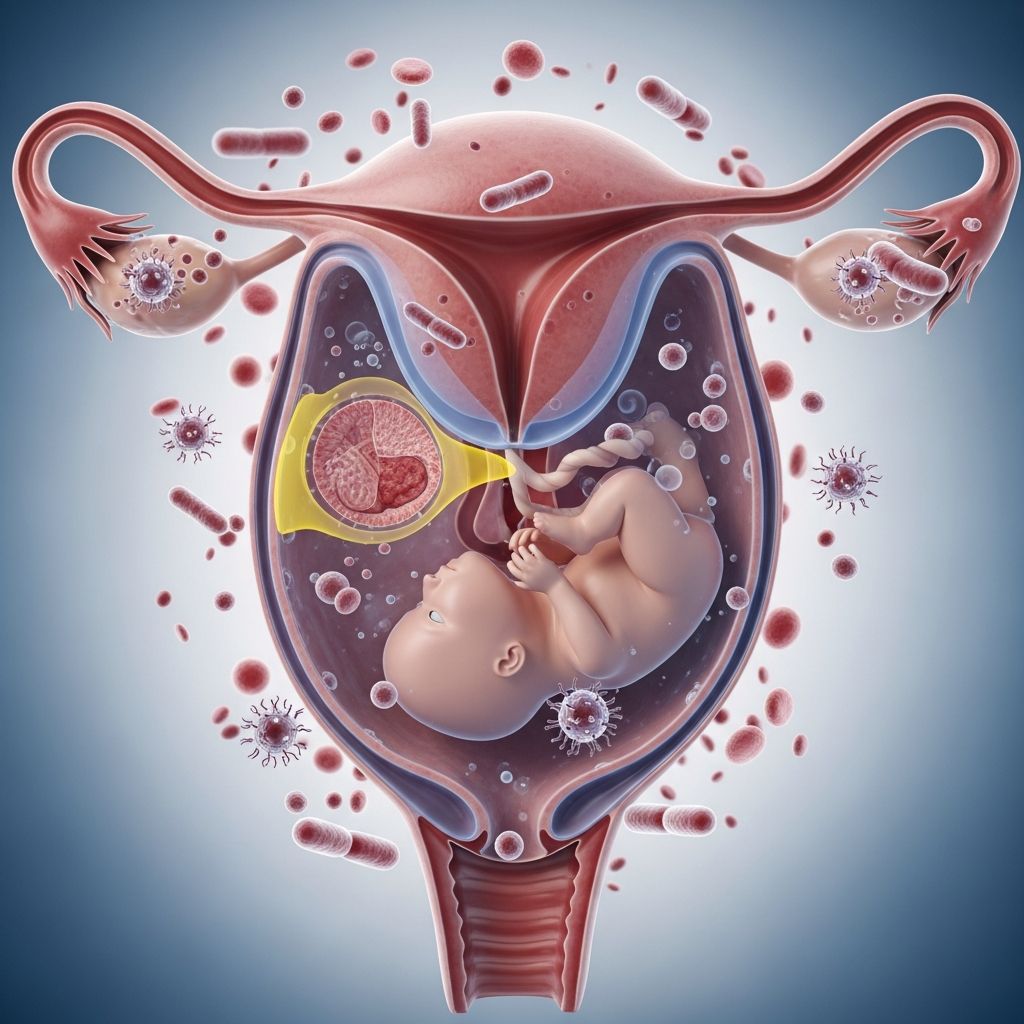
Chorioamnionitis is a bacterial infection that develops during pregnancy when bacteria enter the tissues, membranes, or amniotic fluid surrounding a developing fetus. This condition represents a significant concern in obstetric care because it can affect both the pregnant person and the unborn baby if left untreated. The infection occurs in approximately 1% to 5% of births in the United States and remains one of the leading causes of premature labor and delivery.
The condition specifically affects several critical structures surrounding the fetus. Understanding these structures helps clarify how the infection develops and why prompt treatment is essential for optimal outcomes.
Key Structures Affected by Chorioamnionitis
When bacteria invade the environment surrounding a developing fetus, they can affect multiple protective layers and tissues:
- Amnion: The innermost membrane that directly surrounds and protects the developing embryo and fetus throughout pregnancy
- Chorion: The outer membrane layer that surrounds the amnion and plays a crucial role in placenta development
- Amniotic Fluid: The protective liquid that surrounds and cushions the fetus, providing temperature regulation and protection from injury
- Placenta: The temporary organ that forms in the uterus, responsible for providing oxygen and essential nutrients to the developing fetus
Types of Chorioamnionitis
Medical professionals distinguish between two primary classifications of chorioamnionitis based on how the infection is identified and whether symptoms are present.
Clinical Chorioamnionitis
Clinical chorioamnionitis presents with observable symptoms and clinical signs that indicate an active infection or inflammatory response. Mothers with clinical chorioamnionitis typically experience fever, maternal tachycardia, elevated white blood cell counts, and other measurable clinical indicators. This type is more straightforward to diagnose because symptoms are apparent and can be detected through physical examination and laboratory testing.
Histologic Chorioamnionitis
Histologic chorioamnionitis is detected through microscopic examination of cell samples by pathologists who can identify inflammatory changes in the placental tissues. Importantly, histologic chorioamnionitis may not cause any noticeable symptoms, making it more challenging to detect during pregnancy. This asymptomatic presentation means some cases may go undetected until after delivery when tissue samples are examined.
Causes and Risk Factors
Chorioamnionitis develops when bacteria ascend from the vagina into the uterus, bypassing the normal protective barriers that exist during pregnancy. Several factors increase the likelihood of developing this infection.
Primary Causes
Bacterial infection is the primary cause of chorioamnionitis. The most common bacteria responsible include Group B Streptococcus and Escherichia coli, though other pathogenic bacteria can also cause the condition. The infection typically results from ascending bacteria that travel from the lower reproductive tract into the upper uterine environment.
Contributing Risk Factors
Multiple factors can increase susceptibility to chorioamnionitis development:
- Prolonged rupture of membranes (water breaking before labor begins)
- Premature rupture of membranes, particularly in the final month of pregnancy
- Multiple vaginal examinations during the final month of pregnancy or during labor
- Prolonged labor
- Tobacco and alcohol use during pregnancy
- Poor prenatal care and monitoring
- Maternal infections or sexually transmitted infections
Related Stories



Signs and Symptoms
Early detection of chorioamnionitis symptoms is critical for preventing serious complications. Both pregnant individuals and healthcare providers should be familiar with the characteristic warning signs that may indicate infection.
Maternal Symptoms
Pregnant people with chorioamnionitis typically experience one or more of the following symptoms:
- Fever: Elevated body temperature is one of the most common initial signs of infection
- Rapid heart rate: Maternal tachycardia (elevated heart rate above 100 beats per minute) indicates the body’s response to infection
- Uterine tenderness: Pain or tenderness when the uterus is touched or examined
- Unusual vaginal discharge: Changes in the color, consistency, or odor of vaginal secretions
- Abdominal pain: Discomfort or pain in the lower abdominal region
Fetal Indicators
Healthcare providers also monitor for signs in the fetus that may indicate chorioamnionitis:
- Fetal tachycardia: An abnormally rapid fetal heart rate (above 160 beats per minute)
- Fetal inflammatory response: Signs of inflammatory markers in fetal blood or amniotic fluid
Laboratory and Diagnostic Findings
Medical professionals often observe elevated white blood cell counts in maternal blood samples, reflecting the body’s immune response to infection. Additionally, amniotic fluid analysis may reveal purulent or foul-smelling fluid, further confirming the diagnosis.
Diagnosis
Healthcare providers use multiple diagnostic approaches to confirm or rule out chorioamnionitis. Early and accurate diagnosis is essential for initiating appropriate treatment promptly.
Clinical Assessment
The initial diagnosis typically begins with a comprehensive clinical evaluation. Providers assess the presence of characteristic symptoms including fever, maternal and fetal tachycardia, uterine tenderness, and any abnormal vaginal discharge. A detailed history including risk factors and timeline of symptom onset helps establish suspicion for the condition.
Laboratory Tests
Blood tests provide objective evidence of infection. A complete blood count revealing elevated white blood cell levels (typically exceeding 15,000 cells per cubic millimeter) supports the diagnosis. Blood cultures may be performed to identify the specific bacteria responsible for the infection.
Amniotic Fluid Analysis
Examination of amniotic fluid through amniocentesis can provide definitive diagnostic information. Analysis may reveal elevated white blood cell counts, positive bacterial cultures, or the presence of inflammatory markers in the amniotic fluid itself.
Imaging Studies
Ultrasound examination can help assess fetal well-being, monitor heart rate patterns, and evaluate the volume and character of amniotic fluid. Some cases may show polyhydramnios (excess amniotic fluid) or other findings consistent with intrauterine infection.
Treatment Options
Prompt treatment of chorioamnionitis is essential to prevent serious complications in both the mother and baby. The approach typically involves multiple components working together to address the infection and manage the pregnancy.
Antibiotic Therapy
Antibiotics form the cornerstone of chorioamnionitis treatment. Typically, broad-spectrum antibiotics are administered intravenously to address the infection effectively. Common antibiotic combinations include:
- Ampicillin combined with gentamicin plus either clindamycin or metronidazole
- For penicillin-allergic patients: Vancomycin combined with gentamicin, or gentamicin plus clindamycin
Starting antibiotic therapy during labor (intrapartum) is more effective than beginning treatment after delivery. Early administration reduces hospital stays for both mother and newborn and decreases the risk of serious complications.
Delivery Considerations
In many cases of chorioamnionitis, healthcare providers recommend delivering the baby as soon as safely possible. Cesarean section is often performed to expedite delivery and reduce fetal exposure to the infected amniotic environment. The timing of delivery depends on various factors including gestational age, maternal stability, and fetal condition.
Fever Management
Managing maternal fever is an important component of treatment. Medications to lower body temperature help reduce the risk of neurological complications in both mother and baby. Antipyretic medications work alongside antibiotic therapy to control infection and its inflammatory effects.
Neonatal Treatment
Babies born to mothers with chorioamnionitis also receive antibiotics immediately after delivery to prevent or treat any infection acquired during gestation or birth. Close monitoring of the newborn for signs of infection and complications is essential during the immediate postpartum period.
Complications
Untreated or inadequately managed chorioamnionitis can lead to serious, potentially life-threatening complications for both the pregnant individual and the baby.
Maternal Complications
Pregnant people with chorioamnionitis face several significant health risks:
- Sepsis and bacteremia: The infection can spread into the bloodstream, causing severe systemic infection that may be life-threatening
- Endometritis: Inflammation and infection of the uterine lining that can persist after delivery
- Pelvic abscess: Localized collection of infected material in the pelvic cavity
- Postpartum hemorrhage: Excessive bleeding after delivery
- Blood clots: Thrombotic complications including septic pelvic thrombophlebitis
- Surgical site infections: Increased risk if Cesarean delivery is performed
Fetal and Neonatal Complications
Babies exposed to chorioamnionitis face multiple serious health threats:
- Neonatal sepsis: Life-threatening infection in the newborn period, potentially fatal if not treated promptly
- Pneumonia: Lung infection occurring in approximately 5-10% of babies born to mothers with chorioamnionitis
- Meningitis: Infection of the brain and spinal cord lining, occurring in less than 1% of term infants but more common in premature babies
- Fetal inflammatory response syndrome: Widespread inflammatory response that can damage multiple organ systems
- Cerebral palsy: Brain damage resulting from oxygen deprivation, with chorioamnionitis increasing the risk of cerebral palsy approximately four-fold even in term infants
- Bronchopulmonary dysplasia: Chronic lung disease affecting preterm infants
- Developmental delays and long-term disabilities: Neurological complications that may persist into childhood and beyond
The risk of serious complications is particularly elevated in preterm infants, who have immature organ systems and greater vulnerability to infection and inflammatory responses.
Chorioamnionitis and Cerebral Palsy
One of the most concerning long-term complications of chorioamnionitis is cerebral palsy. Research indicates that chorioamnionitis significantly increases the risk of this permanent neurological condition.
How the Connection Occurs: Chorioamnionitis can cause cerebral palsy by depriving the fetus or newborn of oxygen for an extended period. This oxygen deprivation, known as asphyxia, leads to brain damage that may result in lifelong disability. The inflammatory response triggered by infection can also directly damage developing brain tissue through multiple mechanisms.
Risk Magnitude: Even in babies delivered at or near term, chorioamnionitis increases the risk of cerebral palsy four-fold compared to pregnancies without infection. The risk is substantially higher in preterm infants with chorioamnionitis.
Timing and Prevention: The sooner chorioamnionitis is detected and treated, the lower the risk and severity of cerebral palsy and other neurological complications. Early intervention with antibiotics and supportive care can significantly reduce the likelihood of permanent brain damage.
Prevention and Risk Management
While not all cases of chorioamnionitis are preventable, several strategies can reduce the risk or catch the condition early when intervention is most effective.
Early Detection
Healthcare providers should vigilantly monitor for signs of infection in pregnant individuals, particularly those with risk factors. Regular prenatal visits and prompt evaluation of concerning symptoms enable early diagnosis and treatment, substantially reducing complication rates.
Risk Factor Awareness
Both pregnant individuals and their healthcare providers should be aware of significant risk factors. Enhanced monitoring and preventive measures are especially important for those with:
- Previous history of chorioamnionitis or intrauterine infections
- Tobacco or alcohol use during pregnancy
- Prolonged membrane rupture
- Multiple vaginal examinations planned in the final weeks of pregnancy
Preventive Measures
Several interventions can reduce chorioamnionitis risk:
- Limiting the number of vaginal examinations, especially in the final month of pregnancy
- Antibiotic prophylaxis when membranes rupture prematurely, which can prevent infection development
- Regular screening for and treatment of maternal infections and sexually transmitted infections
- Avoiding tobacco and alcohol use throughout pregnancy
- Maintaining consistent prenatal care with appropriate monitoring
Frequently Asked Questions
Q: How common is chorioamnionitis?
A: Chorioamnionitis occurs in approximately 1% to 5% of births in the United States. It represents one of the most common causes of premature labor and delivery, making it a significant concern in obstetric practice.
Q: Can chorioamnionitis affect my baby after birth?
A: Yes, chorioamnionitis can cause long-term complications in babies, including cerebral palsy, developmental delays, chronic lung disease, and other neurological conditions. The severity depends on infection timing, duration, and how quickly treatment was initiated.
Q: Is chorioamnionitis always symptomatic?
A: No. Histologic chorioamnionitis may not produce any noticeable symptoms during pregnancy. Only clinical chorioamnionitis presents with obvious signs such as fever and maternal tachycardia. This is why regular prenatal monitoring is important.
Q: How quickly does treatment need to start?
A: Prompt treatment is essential. Starting antibiotics during labor is significantly more effective than beginning treatment after delivery. Early administration reduces hospital stays and decreases the risk of serious complications for both mother and baby.
Q: Will I need a Cesarean section if diagnosed with chorioamnionitis?
A: In many cases, yes. Healthcare providers often recommend expedited delivery by Cesarean section to reduce fetal exposure to the infected amniotic environment and prevent serious complications. However, the specific approach depends on individual circumstances and clinical stability.
Q: Can chorioamnionitis recur in future pregnancies?
A: While previous chorioamnionitis increases vigilance in future pregnancies, it does not necessarily mean recurrence will occur. Enhanced monitoring and preventive measures can help reduce the risk in subsequent pregnancies.
References
- Chorioamnionitis: Causes, Symptoms, Diagnosis & Treatment — Cleveland Clinic. 2024. https://my.clevelandclinic.org/health/diseases/12309-chorioamnionitis
- Chorioamnionitis — National Institutes of Health, National Center for Biotechnology Information. 2024. https://pmc.ncbi.nlm.nih.gov/articles/PMC12492799/
- Chorioamnionitis: Symptoms, Complications, Treatment & More — Healthline Media. 2024. https://www.healthline.com/health/pregnancy/infections-chorioamnionitis
- Association of chorioamnionitis and its duration with neonatal morbidity and mortality — Nature Publishing Group, Journal of Perinatology. 2019. https://www.nature.com/articles/s41372-019-0341-x
- Chorioamnionitis and Cerebral Palsy — Cerebral Palsy Guidance. 2024. https://cerebralpalsyguidance.com/cerebral-palsy/causes/chorioamnionitis/
Similar Articles








Read full bio of Sneha Tete