Chorionic Villus Sampling (CVS): Prenatal Testing
Understanding CVS: A comprehensive guide to prenatal genetic testing procedures.
What is Chorionic Villus Sampling (CVS)?
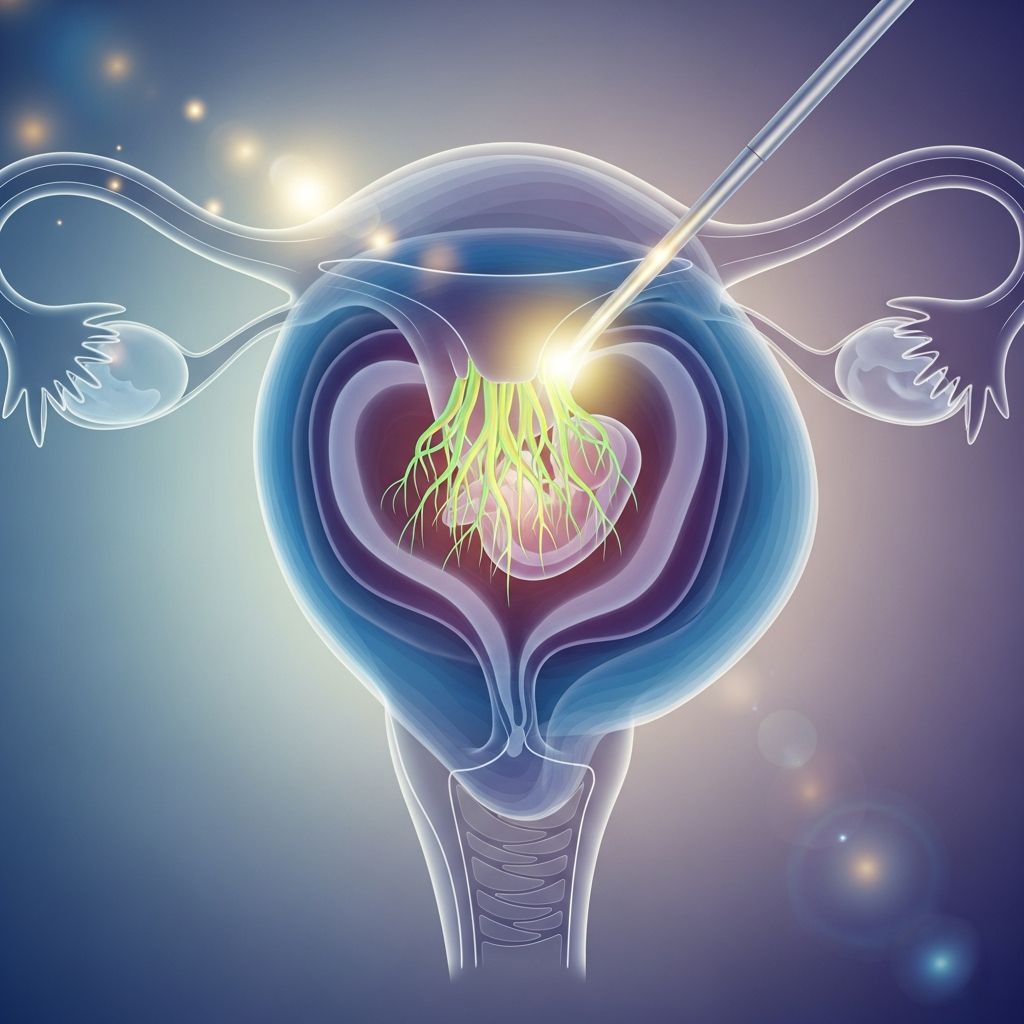
Chorionic villus sampling, commonly known as CVS, is a prenatal diagnostic procedure used during pregnancy to detect genetic and chromosomal abnormalities in the developing fetus. This test examines cells from the placenta, which shares the same genetic makeup as the fetus, making it possible to identify conditions such as Down syndrome (trisomy 21), Edwards syndrome (trisomy 18), and Patau syndrome (trisomy 13). CVS can also be used to diagnose single-gene disorders such as cystic fibrosis and Tay-Sachs disease in pregnancies at higher risk.
The procedure involves taking a small sample of tissue from the chorionic villi, which are finger-like projections extending from the chorionic membrane into the placenta. Because these cells originate from the fertilized egg, they typically have the same genetic composition as the fetus, allowing healthcare providers to assess the baby’s genetic health. Unlike some other prenatal tests, CVS can be performed relatively early in pregnancy, offering parents the opportunity to make informed decisions about their pregnancy management sooner rather than later.
When Is CVS Performed?
CVS is typically offered between 10 to 14 weeks of pregnancy, with most procedures performed between weeks 11 and 14. The timing of CVS is one of its significant advantages compared to amniocentesis, another prenatal diagnostic test that is usually performed later in pregnancy, typically between 15 and 20 weeks. This earlier timing allows expectant parents to receive diagnostic information during the first trimester, potentially providing more time to consider their options and make decisions about pregnancy care.
Before scheduling CVS, your healthcare provider will conduct an ultrasound to confirm your gestational age and ensure the timing is appropriate for the procedure. This confirmation is essential to ensure the test is performed at the optimal stage of pregnancy when the procedure is most safe and effective.
Types of CVS Procedures
There are two main methods used to perform CVS, and your healthcare provider will determine which approach is most suitable based on your individual circumstances and the position of your placenta.
Transabdominal CVS
Transabdominal CVS is the more commonly used method. During this procedure, your healthcare provider inserts a thin needle through your abdominal wall and into the uterus to reach the placenta. The abdomen is first cleansed with an antiseptic solution to reduce the risk of infection. Your provider uses ultrasound imaging to carefully guide the needle to the appropriate location on the placenta, ensuring precise placement and maximizing the quality of the tissue sample. Once positioned correctly, a small sample of placental tissue is drawn into a syringe for laboratory analysis. This method is often preferred because it has a slightly lower miscarriage rate compared to the transcervical approach.
Transcervical CVS
In the transcervical approach, a thin plastic tube or catheter is inserted through the vagina and cervix to reach the placenta. Similar to the transabdominal method, ultrasound guidance is used throughout the procedure to ensure accurate placement of the catheter. Your healthcare provider then uses gentle suction through the catheter to extract a small sample of chorionic villus tissue. Some women describe this method as feeling similar to having a Pap smear. The transcervical approach may be preferred if the placenta is positioned in a location that makes the abdominal approach more difficult, such as when the placenta is on the back wall of the uterus or in a posterior position.
Related Stories



What to Expect During the Procedure
Before your CVS procedure, you will meet with a genetic counselor or maternal-fetal medicine specialist who will discuss the benefits, risks, and limitations of the test. This genetic counseling session is an important opportunity to ask questions and ensure you feel comfortable with your decision to proceed with the procedure.
On the day of your procedure, you’ll first have an ultrasound to assess the placenta’s location and confirm your gestational age. The actual CVS procedure typically takes only about 10 minutes, though the entire appointment may last 30 to 45 minutes when including preparation, counseling, and post-procedure monitoring.
Most patients report that CVS is either painless or causes only minimal discomfort. However, some women may experience cramping similar to menstrual period cramps during or shortly after the procedure. These cramps typically subside within a few hours. You can usually return home shortly after the procedure and may resume your normal activities the next day, though your provider may recommend avoiding strenuous activities, exercise, or sexual intercourse for 48 to 72 hours afterward.
CVS Results and Timeline
After your CVS procedure, the tissue sample is sent to a specialized laboratory where experts analyze the cells to examine the DNA, chromosomes, and enzymes of the fetus. The laboratory process involves growing the cells in a special fluid and examining them for abnormalities.
Preliminary results may be available within 48 hours in urgent situations where rapid information is needed. However, most patients receive preliminary results within a few days, with final comprehensive results typically available within 7 to 14 days after the procedure. The timeline for complete results depends on the specific tests ordered and the complexity of the analysis required. Your genetic counselor will contact you with the final results and discuss their implications, including any recommendations for follow-up testing or additional counseling.
What CVS Can and Cannot Detect
Conditions CVS Can Detect
CVS can identify significant chromosomal differences and abnormalities, including:
- Down syndrome (trisomy 21)
- Edwards syndrome (trisomy 18)
- Patau syndrome (trisomy 13)
- Extra or missing pieces of chromosomes
- Single-gene disorders such as cystic fibrosis and Tay-Sachs disease in at-risk pregnancies
- Can also determine the sex of the fetus
Conditions CVS Cannot Detect
It is important to understand the limitations of CVS. The test cannot detect:
- Neural tube defects involving the spinal column or brain
- Rh incompatibility between mother and baby
- Birth defects not caused by genetic factors
- Structural birth defects such as heart conditions or cleft lip or palate
- Issues related to brain function, such as autism and intellectual disability
For detection of structural abnormalities, your healthcare provider will recommend an ultrasound around 18 to 20 weeks of pregnancy.
Risks and Safety Considerations
CVS is considered a safe procedure with minimal risk when performed by experienced healthcare providers. However, like any invasive medical procedure, it carries some risks that you should discuss with your provider. The primary risk associated with CVS is a small possibility of miscarriage. Research indicates that the miscarriage rate following CVS is quite low, and miscarriage rates are slightly higher when the test is performed through the cervix compared to the abdominal approach.
Other potential risks include infection or vaginal bleeding, though these complications are rare. Some women may experience spotting or light bleeding after the procedure, which typically resolves on its own. If you experience heavy bleeding, severe cramping, fever, or vaginal discharge after your CVS procedure, contact your healthcare provider immediately.
Preparation and Aftercare
There is minimal preparation required before your CVS procedure. You should continue taking any medications prescribed by your healthcare provider unless specifically instructed otherwise. You may eat and drink normally before the test. It is advisable to arrange for someone to drive you home after the procedure, as some women prefer to rest afterward, even though the procedure is minimally invasive.
After your CVS, follow your provider’s recommendations regarding activity restrictions. Most providers suggest avoiding strenuous exercise, sexual intercourse, and heavy lifting for 48 to 72 hours following the procedure. You can typically resume light activities and normal daily tasks the next day. Rest for several hours after returning home is generally recommended.
Genetic Counseling and Decision-Making
Genetic counseling is a crucial component of the CVS process, recommended before you undergo the procedure. During this session, a certified genetic counselor or maternal-fetal medicine specialist will:
- Explain your individual risk factors for genetic conditions
- Discuss the benefits and limitations of CVS testing
- Review potential risks associated with the procedure
- Answer your questions about test results and their implications
- Provide information about support resources and follow-up care
- Help you make an informed decision about whether CVS is appropriate for your situation
This counseling session allows you to make an unhurried and well-informed decision about prenatal diagnosis options. It is important to remember that CVS testing is optional, and the decision to proceed should be made carefully after thorough discussion with your healthcare team.
Frequently Asked Questions
Q: Is CVS painful?
A: Most people find CVS painless or only mildly uncomfortable. Some women may experience mild cramping similar to period pains, but this typically resolves within a few hours. The actual procedure takes only about 10 minutes.
Q: How accurate is CVS testing?
A: CVS is highly accurate for detecting chromosomal abnormalities and genetic conditions it is designed to identify. However, it cannot detect all birth defects or genetic conditions, particularly structural abnormalities that require ultrasound assessment.
Q: What is the miscarriage risk with CVS?
A: CVS carries a small miscarriage risk, though rates vary by procedure type and provider experience. The risk is slightly higher with transcervical CVS than with transabdominal CVS. Your healthcare provider can discuss specific risk estimates based on your individual circumstances.
Q: When will I receive my CVS results?
A: Preliminary results are typically available within a few days, with most final results available within 7 to 14 days. In urgent situations, preliminary results may be available within 48 hours.
Q: Can CVS determine the baby’s sex?
A: Yes, CVS can determine the sex of the fetus through analysis of the chromosomes in the placental tissue sample.
Q: What should I do to prepare for CVS?
A: Minimal preparation is required. Continue your normal activities and medications unless instructed otherwise. Attend genetic counseling before the procedure to discuss risks and benefits. Arrange transportation home after the test.
Q: Can I have CVS if I’m Rh-negative?
A: Yes, you can have CVS if you are Rh-negative. Your healthcare provider may recommend treatment after the procedure to prevent Rh sensitization if your baby is Rh-positive.
References
- Chorionic villus sampling – NHS — National Health Service (NHS). 2024. https://www.nhs.uk/tests-and-treatments/chorionic-villus-sampling-cvs/
- Chorionic Villus Sampling Information — Mount Sinai Health System. 2024. https://www.mountsinai.org/health-library/tests/chorionic-villus-sampling
- Chorionic Villus Sampling — Merck Manual Consumer Version. 2024. https://www.merckmanuals.com/home/multimedia/video/chorionic-villus-sampling
- Chorionic Villus Sampling — March of Dimes. 2024. https://www.marchofdimes.org/find-support/topics/planning-baby/chorionic-villus-sampling
- FAQ: Chorionic Villus Sampling (CVS) — UCSF Health. 2024. https://www.ucsfhealth.org/education/faq-chorionic-villus-sampling-cvs
- Chorionic Villus Sampling (CVS): What It Is, Benefits & Risks — Cleveland Clinic. 2024. https://my.clevelandclinic.org/health/diagnostics/4028-chorionic-villus-sampling-for-prenatal-diagnosis
Similar Articles








Read full bio of medha deb