Choristoma: Causes, Signs, Diagnosis, And Treatment Guide
Rare benign tumours of normal tissue in abnormal locations: types, causes, diagnosis, and management.
What is choristoma?
**Choristoma** is a rare
benign tumour
composed of microscopically normal tissue derived from germ cell layers that is foreign to the anatomical site where it is located. These ectopic growths, also known as heterotopic or ectopic tissue tumours, arise from developmental anomalies where mature tissue develops in an abnormal position. Unlike hamartomas, which represent disorganized overgrowth of indigenous tissue, choristomas feature histologically normal cells in ectopic sites, such as skin, mucosa, or internal organs.Choristomas are classified by the type of ectopic tissue involved, including epidermal, osseous (bone), cartilage, salivary gland, phakomatous (lens-related), respiratory, gastrointestinal, or neural tissues. In dermatology, they most commonly appear in the oral cavity or skin, though rarer internal presentations occur in the brain, eye, or gastrointestinal tract. Their benign nature distinguishes them from malignant neoplasms, but they can mimic other lesions clinically, necessitating careful diagnosis.
Demographics
Choristoma can manifest at any age, from newborns to the elderly. Specific subtypes show demographic patterns:
- **Epidermal choristoma**: Exclusively reported in males, often on the tongue.
- **Lingual osseous choristoma**: Predominantly affects females in their third and fourth decades of life.
- **Phakomatous choristoma**: Typically presents in newborns around the eyelid or orbit.
- **Salivary gland choristoma**: Also common in neonates, often in the middle ear or external auditory canal.
Overall incidence is low, with fewer than 200 cases of lingual osseous choristoma documented in medical literature. No strong racial or geographic predispositions are noted, though underreporting may skew data.
Causes
Choristomas result from
developmental abnormalities
during embryogenesis. They form when embryonic tissue is sequestered or trapped along fusion lines of germ cell layers (ectoderm, mesoderm, endoderm). For instance:- Dermoid cysts, a subtype of choristoma, arise from ectodermal elements trapped at embryonic fusion sites, such as the midline face or scalp.
- Osseous choristomas may stem from aberrant ossification of the tongue’s mesenchymal tissue during fetal development.
The precise trigger for late-life presentation remains unclear. Theories include chronic mechanical irritation promoting growth or hormonal influences unmasking dormant embryonic rests. Unlike neoplastic growths, choristomas lack genetic mutations driving proliferation; they represent misplaced differentiation rather than dysregulated cell division.
Clinical features
Presentations vary by subtype and location. Most are asymptomatic but noticed for cosmetic or functional reasons.
Epidermal choristoma
Appears as a
brown to black pigmented macule
(3–11 mm) on the dorsum of the tongue. Differential includes congenital melanotic macule or melanocytic naevus.Osseous choristoma
Presents as a
pedunculated, painless hard lump
on the posterior tongue, behind the foramen caecum. Common on gingiva or buccal mucosa. Size ranges 5–30 mm; may cause speech or swallowing discomfort if large.Phakomatous choristoma
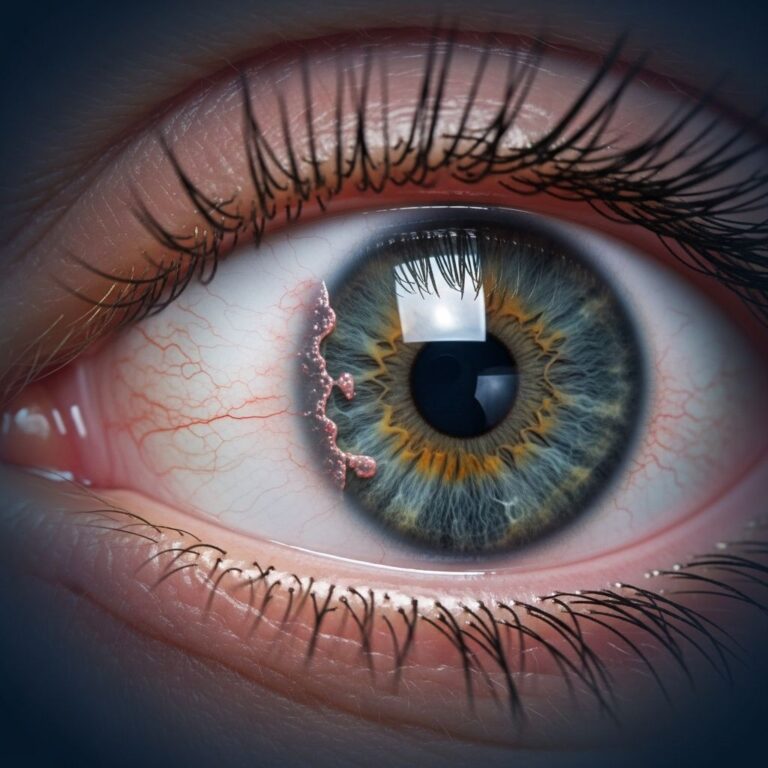
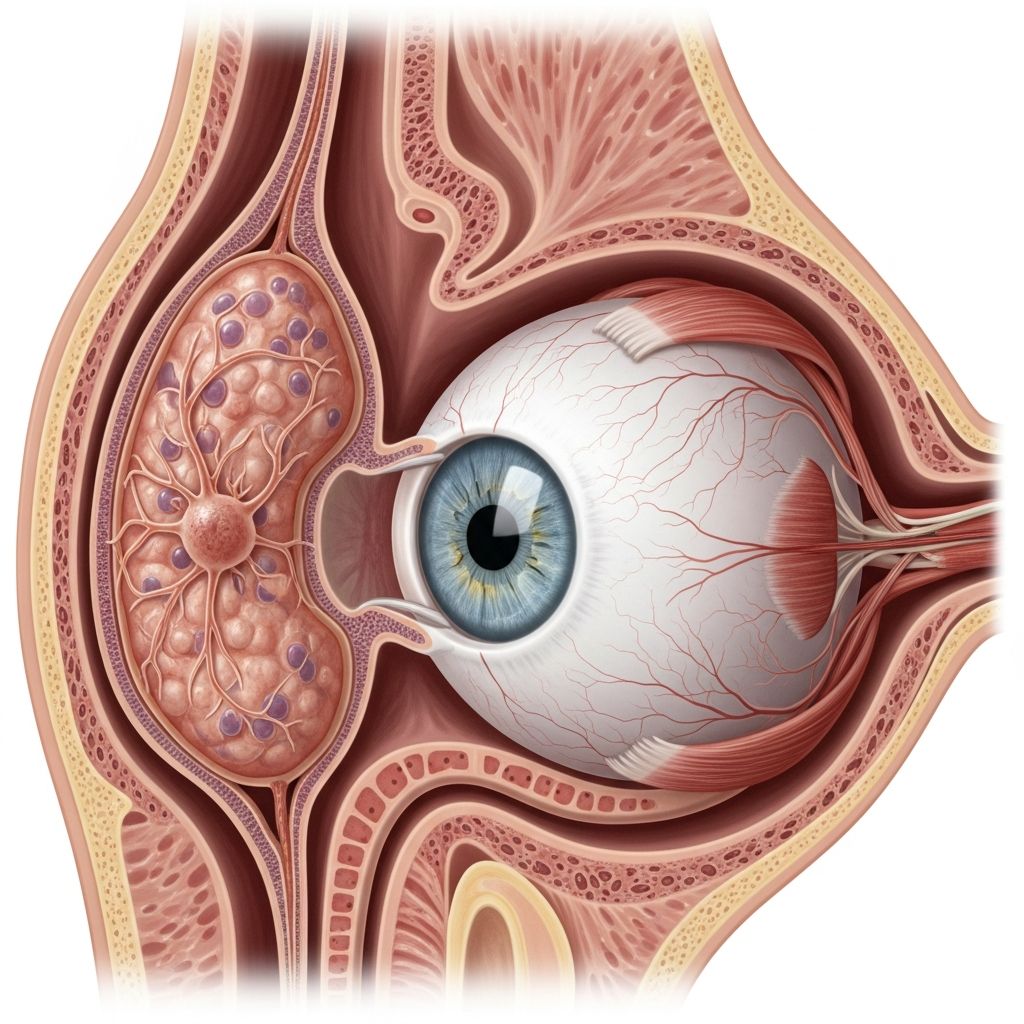
Occurs near the
orbit or eyelid
in infants, resembling a firm nodule. Must differentiate from rhabdomyosarcoma due to location.Salivary gland choristoma
Related Stories



In the
auditory canal
, it forms a mass causing conductive hearing loss and recurrent infections.Dermoid cyst (cutaneous choristoma subtype)
Solitary, firm, doughy lump (0.5–6 cm) on face (eyebrow, nose), neck, or scalp. Often congenital (40% at birth), linked to pits or sinus tracts.
Internal choristomas (e.g., pancreatic in stomach) are rarer and detected incidentally via imaging.
Diagnosis
Definitive diagnosis requires
histological examination
via biopsy or excision. Key features include normal mature tissue in an ectopic site:- Epidermal choristoma: Ectopic stratified squamous epithelium with adnexal structures.
- Osseous: Mature lamellar bone with osteocytes in Haversian canals.
- Dermoid cyst: Keratinizing squamous lining with hair follicles, sebaceous glands, and hair shafts.
Imaging (ultrasound, CT) aids preoperative assessment, especially for osseous lesions showing radiopaque density. Clinical suspicion arises from atypical lesions; excision biopsy is both diagnostic and therapeutic.
| Subtype | Key Histology | Special Stains |
|---|---|---|
| Dermoid cyst | Squamous epithelium + pilosebaceous units | None required |
| Osseous | Lamellar bone + marrow | von Kossa for calcification |
| Phakomatous | Lens-like epithelial cells | Immunohistochemistry (cytokeratins) |
Treatment
**Surgical excision** is the standard, curative approach. Complete removal prevents recurrence. Techniques include:
- Transoral excision for lingual lesions under local/general anesthesia.
- Shelling out for cystic variants, preserving margins.
- Avoid incomplete removal to minimize regrowth risk.
Asymptomatic lesions may be observed, but excision is recommended for cosmetics, symptoms, or diagnostic confirmation. Non-surgical options (laser, cryotherapy) are unsuitable due to deep extension.
Outcome
Choristomas are
benign
with negligible malignant transformation risk. Post-excisionrecurrence is extremely low
(<1%). Complications are rare: infection, scarring, or nerve injury in oral sites. Long-term follow-up is unnecessary unless symptomatic.Frequently Asked Questions (FAQs)
Q: Is choristoma cancerous?
A: No, choristoma is a benign growth of normal tissue in the wrong place, with no malignant potential.
Q: Can choristoma appear anywhere on the body?
A: Primarily skin/oral cavity, but also internal organs like brain, gut, or ear.
Q: Why do some choristomas appear late in life?
A: Likely due to chronic irritation stimulating dormant embryonic tissue, though exact mechanism unknown.
Q: Is biopsy always needed for choristoma?
A: Yes, histology confirms ectopic normal tissue; imaging supports but doesn’t diagnose.
Q: Does choristoma recur after removal?
A: Extremely rare if fully excised; incomplete removal increases risk.
Related topics
References
- Choristoma — DermNet NZ (Dr David Veitch, Dr Amanda Oakley). 2015-11. https://dermnetnz.org/topics/choristoma
- Dermoid cysts — DermNet NZ (Vanessa Ngan). 2003. https://dermnetnz.org/topics/dermoid-cyst
- Dermoid cyst pathology — DermNet NZ (Assoc Prof Patrick Emanuel). 2013. https://dermnetnz.org/topics/dermoid-cyst-pathology
Similar Articles








Read full bio of Sneha Tete