Chronic Angle-Closure Glaucoma Explained
Discover the subtle dangers of chronic angle-closure glaucoma, its progression from narrow angles, symptoms, diagnosis, and vital treatment strategies to safeguard vision.
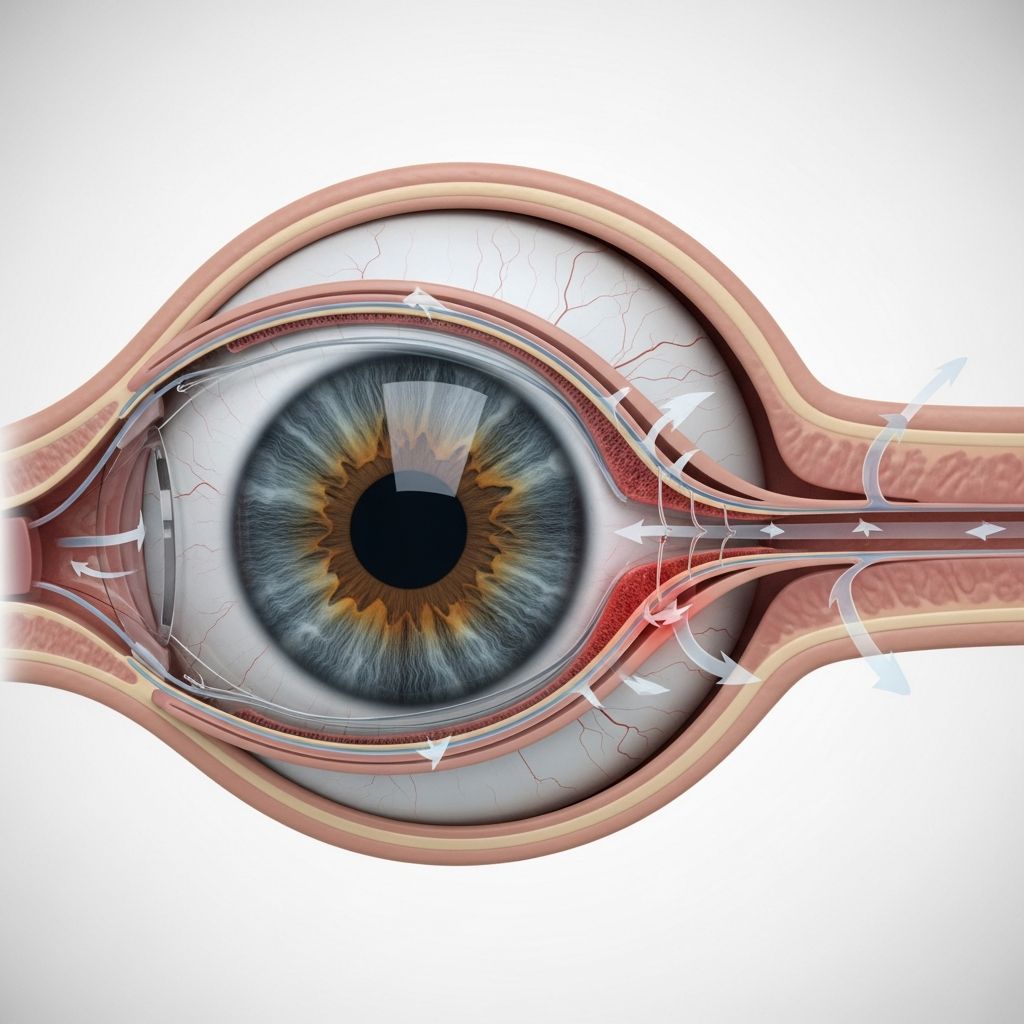
Chronic angle-closure glaucoma represents a progressive form of this serious eye disorder where the drainage pathway in the eye gradually narrows, leading to sustained high pressure that damages the optic nerve over time. Unlike its acute counterpart, this condition often advances without dramatic symptoms, making regular eye exams essential for early detection and intervention.
The Anatomy of the Eye’s Drainage System
The eye maintains its shape and nourishes internal tissues through a clear fluid called aqueous humor, produced by the ciliary body and drained via the trabecular meshwork located at the iridocorneal angle. In chronic angle-closure glaucoma, structural factors cause the iris to encroach on this angle, impeding fluid outflow and elevating intraocular pressure (IOP). This pressure buildup compresses optic nerve fibers, resulting in gradual vision loss if untreated.
Key anatomical features include a shallow anterior chamber and a thicker lens, common in certain populations, which predispose individuals to angle narrowing. Over years, scar tissue forms between the iris and meshwork, known as peripheral anterior synechiae (PAS), further obstructing drainage.
How Chronic Angle-Closure Differs from Acute Forms
While acute angle-closure glaucoma strikes suddenly with excruciating pain, nausea, and halos around lights due to rapid IOP spikes above 40 mm Hg, the chronic variant progresses insidiously. Intermittent episodes may occur, resolving spontaneously, but repeated subclinical attacks lead to permanent angle closure.
| Feature | Acute Angle-Closure | Chronic Angle-Closure |
|---|---|---|
| Onset | Sudden (hours) | Gradual (months/years) |
| Symptoms | Severe pain, vomiting, halos | Mild discomfort, blurred vision |
| IOP Rise | Rapid, extreme | Slow, moderate |
| Treatment Urgency | Emergency | Ongoing management |
This table highlights critical distinctions, emphasizing why chronic cases often evade notice until significant damage occurs.
Recognizing Subtle Warning Signs
Patients with chronic angle-closure glaucoma may experience episodic eye discomfort, mild redness, or headaches that improve with rest, mimicking primary open-angle glaucoma. Blurred vision, particularly in low light, and subtle brow aches signal angle compromise. Unlike acute attacks, systemic symptoms like nausea are rare.
- Mild ocular ache: Often unilateral, easing overnight due to pupil constriction.
- Intermittent blurring: Vision clears temporarily but worsens progressively.
- Head discomfort: Frontal or brow pain linked to IOP fluctuations.
- Reduced peripheral sight: Early optic nerve damage manifests as tunnel vision.
These signs warrant prompt ophthalmologic evaluation, as untreated progression leads to irreversible field loss.
Risk Factors and Who Is Most Vulnerable
Certain demographics face higher risks: individuals over 40, females, Asians (especially East Asians), hyperopes (farsighted), and those with family history. Anatomical predispositions like shallow anterior chambers or plateau iris syndrome exacerbate vulnerability. Secondary causes include neovascularization from diabetes or vein occlusions pulling the iris forward.
Medications inducing pupil dilation, such as anticholinergics or certain antidepressants, can trigger closure in susceptible eyes. Lifestyle factors like prolonged dim lighting may contribute to intermittent attacks.
Diagnostic Approaches for Accurate Identification
Diagnosis hinges on comprehensive examination. Slit-lamp biomicroscopy assesses anterior chamber depth, while gonioscopy directly visualizes the angle, revealing narrowness or synechiae. Tonometry measures IOP, often elevated asymmetrically. Optic nerve head evaluation via fundoscopy or optical coherence tomography (OCT) detects cupping and nerve fiber loss. Provocative tests like dark-room or pharmacologic mydriasis may unmask latent closure risk.
Related Stories



- Gonioscopy: Gold standard for angle grading (e.g., Shaffer system).
- Pachymetry: Corneal thickness influences IOP readings.
- Visual field testing: Perimetry charts peripheral defects.
Ultrasound biomicroscopy provides detailed anterior segment imaging for complex cases.
Treatment Strategies to Preserve Vision
Management aims to open the angle, lower IOP, and halt optic neuropathy. Laser peripheral iridotomy (LPI) creates a hole in the iris, equalizing pressure and preventing pupillary block—effective in 75-90% of chronic cases. Prophylactic LPI is recommended for the fellow eye in unilateral disease.
Medications include topical prostaglandins, beta-blockers, alpha-agonists, and carbonic anhydrase inhibitors to reduce aqueous production. Oral agents serve acutely. Refractory cases require lens extraction, trabeculectomy, or tube shunts.
Long-Term Monitoring and Prognosis
Post-treatment, lifelong follow-up tracks IOP, angle status, and visual fields every 3-6 months initially. Compliance with drops prevents rebound closure. Prognosis excels with early intervention; delayed diagnosis risks 20-30% field loss within five years.
Patient education on avoiding triggers and recognizing acute symptoms is vital.
Prevention: Proactive Steps for At-Risk Individuals
Routine screenings for those over 40 or with risk factors detect narrow angles pre-symptomatically. Avoid mydriatics without gonioscopy clearance. Hyperopia correction may deepen chambers.
- Annual dilated exams for high-risk groups.
- Pupil-constricting drops (pilocarpine) as interim prophylaxis.
- Lifestyle: Adequate lighting to prevent dilation.
FAQs on Chronic Angle-Closure Glaucoma
What causes the drainage angle to close gradually?
Iris adhesion to the trabecular meshwork via synechiae blocks outflow over time.
Can chronic angle-closure affect both eyes?
Yes, often bilaterally but asymmetrically; treat both preventively.
Is surgery always necessary?
No, laser iridotomy suffices for many; surgery for advanced damage.
How does it impact daily life?
Early treatment maintains normal function; advanced cases cause field loss affecting driving.
Are there home remedies?
No; professional care is essential—self-treatment risks blindness.
Emerging Research and Future Directions
Ongoing studies explore minimally invasive glaucoma surgery (MIGS) and novel lasers for synechiae. Genetic screening for at-risk populations holds promise.
References
- Angle-Closure Glaucoma — Merck Manual Professional Edition. Douglas J. Rhee, MD. 2023. https://www.merckmanuals.com/professional/eye-disorders/glaucoma/angle-closure-glaucoma
- Angle-Closure Glaucoma: Symptoms & Treatment — Cleveland Clinic. 2024. https://my.clevelandclinic.org/health/diseases/angle-closure-glaucoma
- Glaucoma – Symptoms and causes — Mayo Clinic. 2025. https://www.mayoclinic.org/diseases-conditions/glaucoma/symptoms-causes/syc-20372839
- What Is Angle‑Closure Glaucoma? Types, Risks & Care — Glaucoma Research Foundation. 2024. https://glaucoma.org/types/angle-closure-glaucoma
- Chronic Closed Angle Glaucoma — StatPearls, NCBI Bookshelf. 2023. https://www.ncbi.nlm.nih.gov/books/NBK559098/
Similar Articles








Read full bio of medha deb