Chronic Arsenic Poisoning: What You Need To Know
Understanding the insidious effects of long-term arsenic exposure on skin, nerves, and cancer risk.
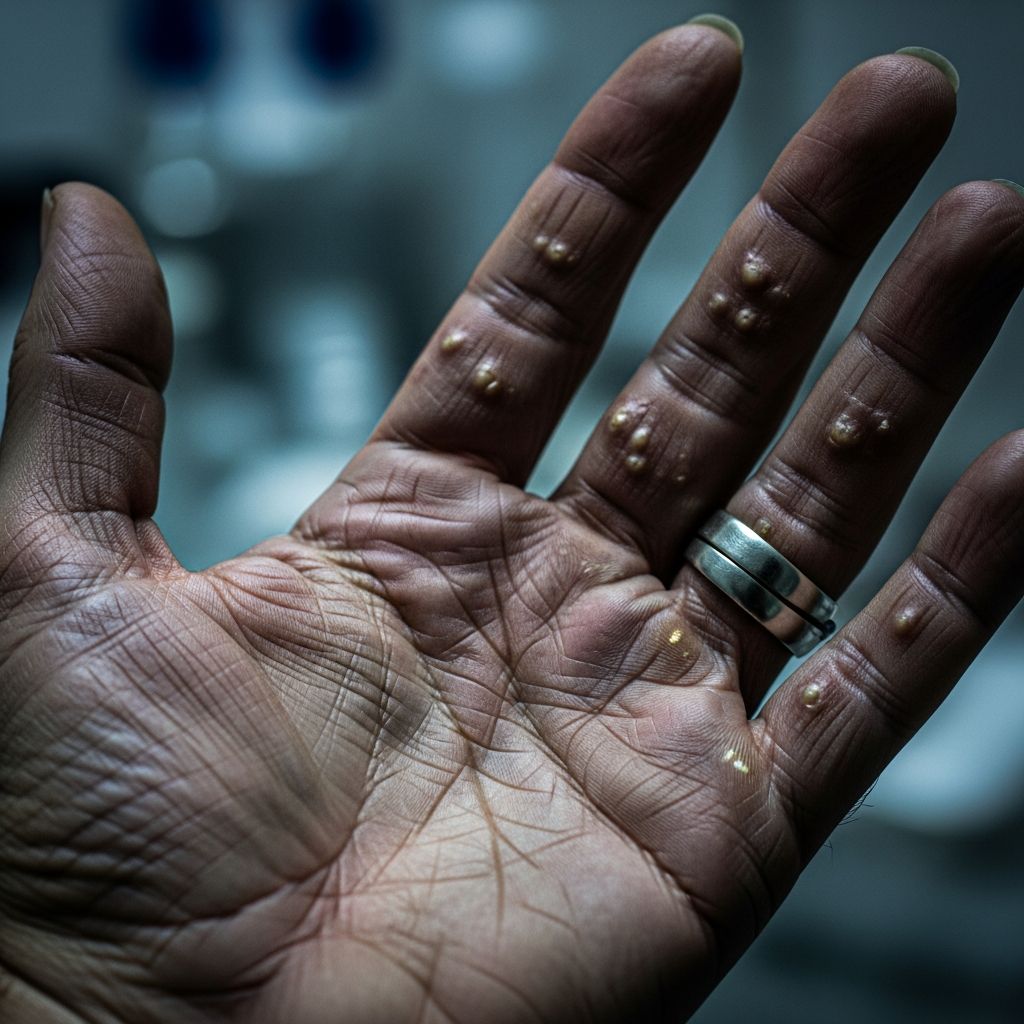
Chronic arsenic poisoning, also known as arsenicosis, results from prolonged low-level exposure to arsenic, a toxic metalloid found naturally in groundwater and certain foods. This condition primarily affects the skin, peripheral nerves, and increases cancer risk, with symptoms emerging after months to years of exposure. What is arsenic? Arsenic is a naturally occurring semi-metallic chemical that exists in the earth’s crust. It can contaminate drinking water through geological sources, enter the food chain via rice and seafood, or occur in industrial settings like mining and pesticide production. Globally, over 200 million people are at risk from arsenic-contaminated groundwater, particularly in regions like Bangladesh, India, and parts of South America.
Who gets chronic arsenic poisoning?
Individuals in endemic areas relying on contaminated well water are most vulnerable. Farmers, miners, and workers in smelters or pesticide industries face occupational risks. Children and pregnant women are particularly susceptible due to higher absorption rates and developmental impacts. Populations in arsenic hotspots, such as the Ganges Delta, show prevalence rates up to 20-30% with visible skin signs.
What causes chronic arsenic poisoning?
The primary cause is ingestion of inorganic arsenic via drinking water exceeding 10 µg/L (WHO guideline). Food sources contribute, especially rice irrigated with arsenic-rich water, absorbing up to 10 times more arsenic than other grains. Occupational inhalation in mining or glass production adds risk. Unlike acute poisoning from high doses, chronic exposure involves daily intake of 10-50 µg, accumulating over years.
What are the clinical features of chronic arsenic poisoning?
Skin features
Skin changes are the earliest and most characteristic signs, appearing after 5-10 years of exposure. Diffuse hyperpigmentation affects the trunk, flexures, and eyelids, described as ‘raindrop’ or ‘splotchy’ patterns with surrounding hypopigmentation. Palmar and plantar hyperkeratosis manifests as diffuse thickening or discrete keratoses (‘hard nodules’), prone to fissuring and secondary infection. These lesions indicate high exposure and precede skin cancer.
Cancer risk
Chronic exposure dramatically elevates risks of non-melanoma skin cancers (squamous cell carcinoma, basal cell carcinoma) arising in keratotic areas, and internal cancers (lung, bladder, kidney). Lifetime risk of skin cancer can exceed 10% in heavily exposed groups. Bowen’s disease (intraepidermal squamous cell carcinoma) presents as red, scaly plaques on legs or trunks.
Neuropathy
Symmetric sensorimotor peripheral neuropathy develops after 1-2 years, starting with painful dysesthesias in a stocking-glove distribution. Motor weakness, muscle wasting, and gait instability follow. Severe cases mimic Guillain-Barré syndrome but are irreversible in 20-30% of patients.
Other features
- Mees’ lines: Transverse white bands on fingernails/toenails, appearing 4-6 weeks post-exposure.
- Cardiovascular: Peripheral vascular disease, ‘blackfoot disease’ with gangrene in Taiwan.
- Respiratory: Rhinitis, conjunctivitis, laryngitis; increased lung cancer risk.
- Gastrointestinal: Anorexia, weight loss, hepatomegaly.
- Renal: Proteinuria, renal failure in advanced cases.
- Malignant disease: Beyond skin, risks for lung, bladder, liver cancers.
How is chronic arsenic poisoning diagnosed?
Diagnosis combines clinical suspicion, exposure history, and tests. Skin biopsy confirms hyperkeratosis or malignancy. Nail clippings show arsenic levels >0.5 µg/g. 24-hour urine arsenic >100 µg indicates recent exposure; hair/nail for chronic. Water testing is crucial in endemic areas.
| Test | Normal Value | Elevated in Arsenicosis |
|---|---|---|
| Urine arsenic (24h) | <50 µg | >100 µg |
| Nail arsenic | <0.1 µg/g | >0.5 µg/g |
| Hair arsenic | <0.1 µg/g | >1 µg/g |
Treatment of chronic arsenic poisoning
No specific antidote exists; management focuses on exposure cessation. Skin keratoses may respond to cryotherapy, curettage, or topical imiquimod; oral retinoids like acitretin for widespread lesions. Chelation with DMSA or DMPS shows benefit if started early, reducing urinary arsenic and improving neuropathy in trials. Symptomatic care includes analgesics for pain, regular skin surveillance for cancer. Recovery varies: skin improves in weeks-months, neuropathy may persist lifelong.
Related Stories



What is the outcome for chronic arsenic poisoning?
Prognosis depends on exposure duration and cessation timeliness. Skin changes partially reverse, but neuropathy and cancers may progress. Skin cancer risk remains elevated lifelong, necessitating annual dermatology checks. In endemic areas, community interventions like safe wells have reduced incidence by 70%.
Prevention of chronic arsenic poisoning
- Screen well water; use filters or alternative sources if >10 µg/L.
- Promote rice cooking methods (wash, boil with excess water).
- Occupational: PPE, ventilation in high-risk industries.
- Public health: Surveillance, education in endemic regions.
Related topics
- Acute arsenic poisoning
- Skin cancers
- Peripheral neuropathy
Frequently asked questions
What is the main source of chronic arsenic poisoning?
Contaminated groundwater used for drinking and irrigation is the primary source worldwide.
Can skin changes from arsenic reverse?
Hyperpigmentation often fades after exposure stops, but keratoses and cancer risk persist.
Is chelation therapy effective for chronic cases?
Yes, DMPS/DMSA can reduce symptoms if initiated early, per clinical trials.
How soon do symptoms appear?
Skin signs after 5+ years; neuropathy in 1-2 years of exposure.
Is arsenic in rice a big concern?
Yes, especially in arsenic-endemic areas; proper cooking mitigates risk.
References
- Chronic arsenic poisoning — DermNet NZ. 2023. https://dermnetnz.org/topics/chronic-arsenic-poisoning
- Arsenic Toxicity – StatPearls — NCBI Bookshelf, NIH. 2023-10-01. https://www.ncbi.nlm.nih.gov/books/NBK541125/
- How Should Patients Overexposed to Arsenic Be Treated — CDC/ATSDR. 2023. https://archive.cdc.gov/www_atsdr_cdc_gov/csem/arsenic/patient_exposed.html
- Arsenic Poisoning — California Poison Control System. 2024. https://calpoison.org/content/arsenic-poisoning
- Arsenic Poisoning — Iowa HHS. 2023. https://hhs.iowa.gov/health-prevention/providers-professionals/center-acute-disease-epidemiology/epi-manual/environmental-disease/arsenic-poisoning
Similar Articles








Read full bio of medha deb