Chronic Granulomatous Disease: 5 Genetic Causes & Treatments
Understanding CGD: Genetic immune deficiency affecting phagocytes and innate immunity.
Chronic Granulomatous Disease
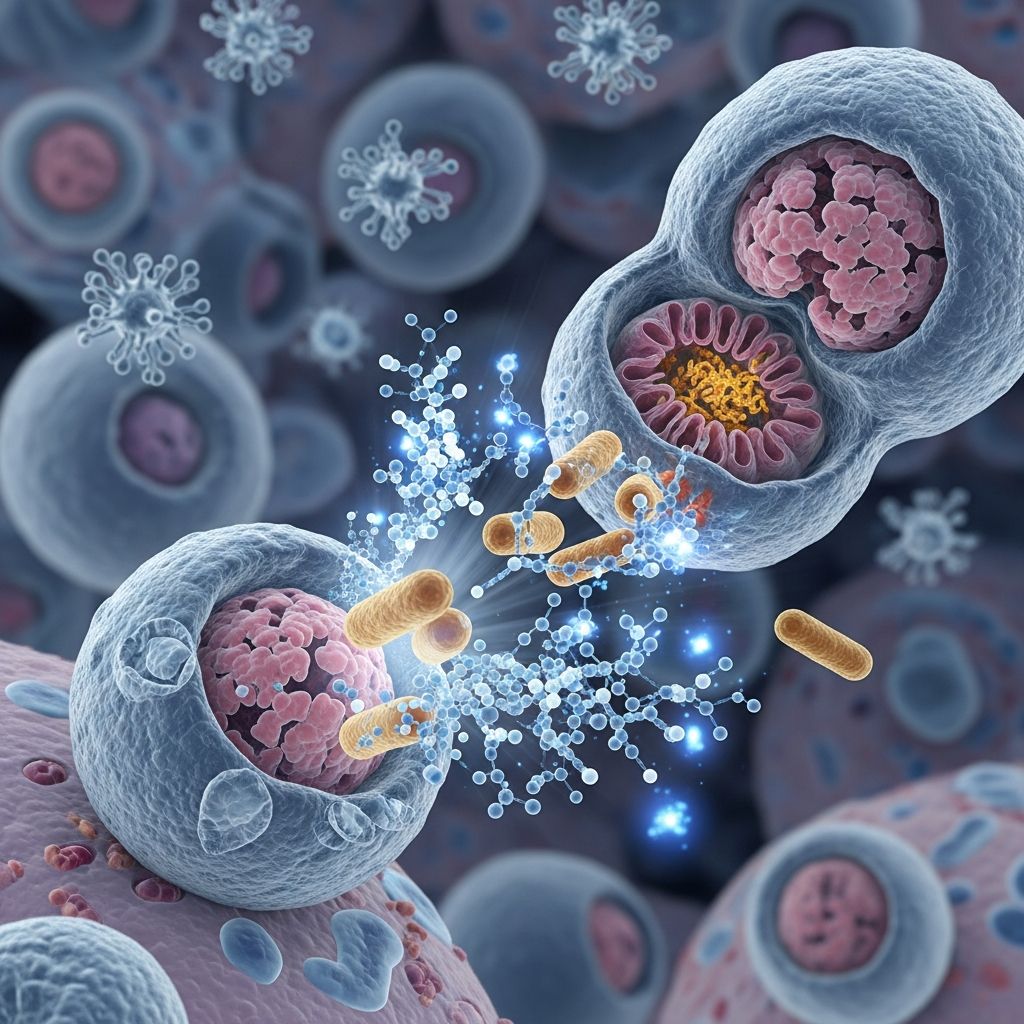
Chronic granulomatous disease (CGD) is a primary immune deficiency caused by functional defects in neutrophils and macrophages, the white blood cells responsible for fighting infections. This rare inherited disorder impairs the ability of phagocytes to produce reactive oxygen species, which are essential for destroying certain bacteria and fungi. Also known as chronic septic granulomatosis, Bridges-Good syndrome, and Quie syndrome, CGD represents a significant challenge in immunology and requires lifelong management.
Introduction and Overview
Chronic granulomatous disease is characterized by the body’s inability to eliminate certain microorganisms effectively due to defective NADPH oxidase enzyme function. First identified in the 1950s, CGD is a heterogeneous condition that manifests as recurrent life-threatening infections and granuloma formation throughout various organ systems.
The fundamental problem in CGD lies in the phagocytes’ impaired capacity to form reactive oxygen species, particularly superoxide and hydrogen peroxide. These reactive oxygen species are critical components of the respiratory burst—the mechanism by which immune cells kill ingested pathogens. Without adequate production of these antimicrobial compounds, phagocytes cannot effectively eliminate certain bacteria, fungi, and other microorganisms, leading to chronic infections and inflammatory complications.
Demographics and Epidemiology
Chronic granulomatous disease is a rare condition, occurring in approximately 1 in 250,000 to 500,000 births worldwide. The disease predominantly affects males, though females can develop severe forms under specific genetic circumstances. Understanding the epidemiology of CGD is essential for early recognition and diagnosis, particularly in pediatric populations where the majority of cases present during infancy.
Genetic Causes and Inheritance Patterns
Five distinct genetic mutations are associated with chronic granulomatous disease, each affecting the production or function of NADPH oxidase complex components. The inheritance patterns vary based on which gene is mutated:
- X-linked recessive inheritance: Accounts for approximately 70% of CGD cases. This mutation affects males, who have only one X chromosome and therefore express the disease phenotype when carrying the mutation. Females can be carriers but typically do not manifest severe disease unless X-inactivation is skewed toward the mutated allele.
- Autosomal recessive inheritance: Four distinct mutations follow autosomal recessive patterns, collectively accounting for about 30% of cases. Both males and females can be affected when inheriting mutations on both copies of the involved autosomal genes. These autosomal forms generally carry a better prognosis compared to X-linked disease.
Genetic testing can identify specific mutations and establish the inheritance pattern, which has important implications for genetic counseling and prognosis. The functional consequence of all these mutations is the same: inadequate production or function of NADPH oxidase, the enzyme complex essential for generating the respiratory burst.
Pathophysiology and Cellular Mechanisms
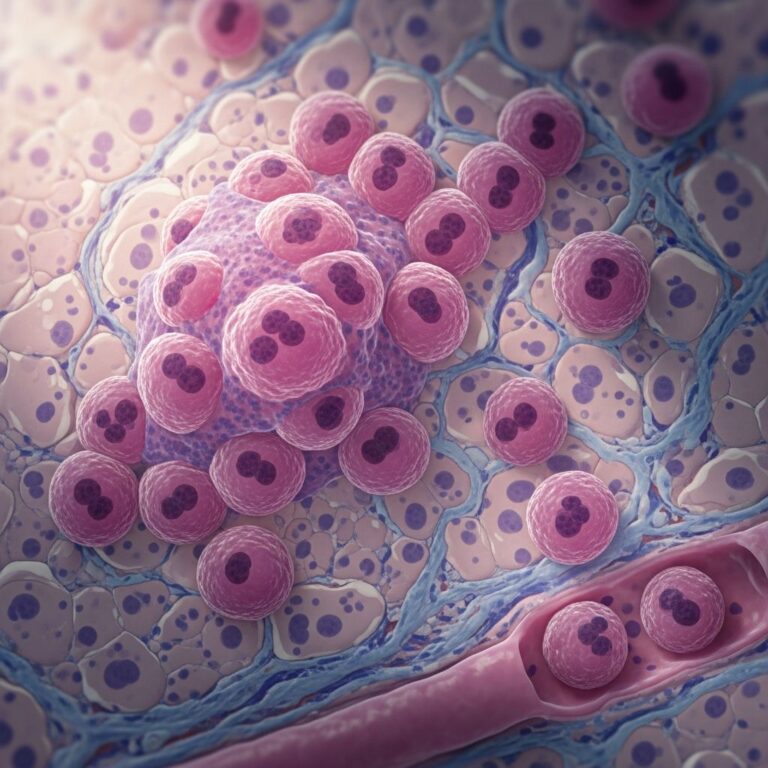
The defective NADPH oxidase in CGD leads to multiple cellular and immune dysfunction mechanisms. Patients with CGD cannot properly form hydrogen peroxide and superoxide within phagocytes. Additionally, research indicates that CGD patients cannot enhance neutrophil extracellular traps (NETs)—web-like structures that neutrophils normally form to trap and kill bacteria and fungi. The reduced hydrogen peroxide formation directly impairs NET formation capacity, further compromising antimicrobial defense.
Another important mechanism involves reduced efferocytosis, the process by which phagocytes remove apoptotic inflammatory cells. This defect may contribute to the granulomatous inflammation characteristic of CGD. Granulomas—collections of activated macrophages and other immune cells—form as the body attempts to wall off pathogens it cannot kill, creating chronic inflammatory lesions in various organs.
Related Stories



Signs and Symptoms
The clinical presentation of chronic granulomatous disease varies based on age of onset and disease severity. Early recognition of symptoms is crucial for prompt diagnosis and management.
Infantile Presentation
Most patients experience their first CGD symptoms during infancy or early childhood. Common initial manifestations include:
- Recurrent infections of the skin, particularly bacterial infections
- Infections involving the lymph nodes, lungs, and gastrointestinal tract
- Dermatitis and persistent skin lesions
- Failure to thrive and poor growth
- Gastrointestinal complications including obstruction and bloody diarrhea from colitis
- Hepatomegaly (enlarged liver) and splenomegaly (enlarged spleen)
Cutaneous Manifestations
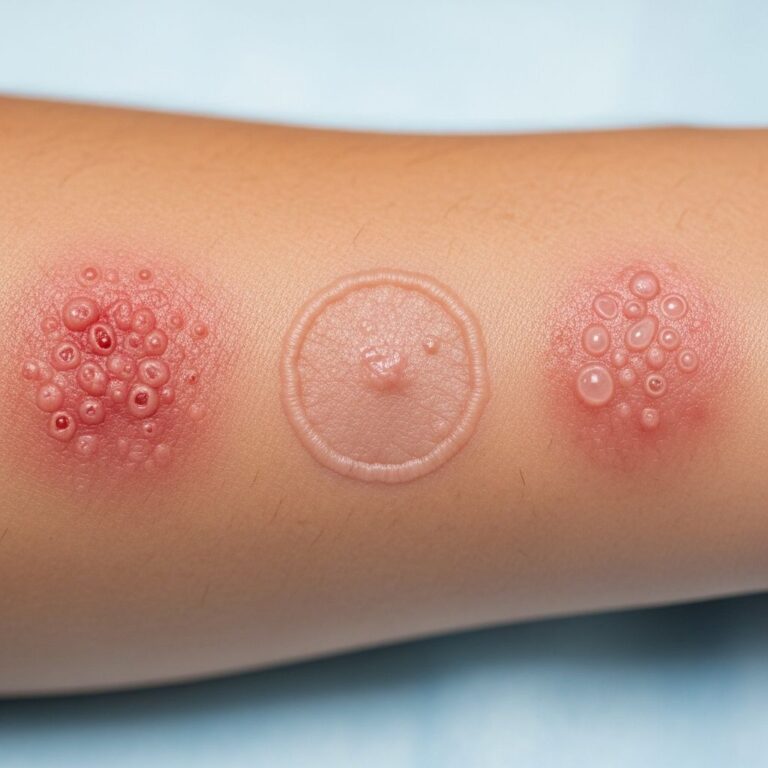
Skin involvement occurs in 60% to 70% of CGD patients and represents one of the most visible signs of disease. Cutaneous manifestations include infections caused by bacteria and fungi, as well as inflammatory lesions. These may present as granulomatous lesions, abscesses, or dermatitis. Diagnostic and therapeutic challenges arise because causative organisms are often difficult to isolate from skin lesions. In some cases, organisms cultured from lesions are normally non-pathogenic skin commensals, suggesting that CGD patients have compromised local immune defenses even against typically benign bacteria.
Systemic Complications
Beyond skin manifestations, CGD affects multiple organ systems:
- Respiratory tract: Recurrent pneumonias and bronchial granuloma formation
- Gastrointestinal system: Colitis, intestinal granulomas causing obstruction, and bleeding
- Genitourinary system: Granulomatous obstruction of the ureter and bladder
- Liver and spleen: Granulomatous inflammation and recurrent infections
- Lymphoid tissue: Lymphadenitis and lymph node enlargement
- Bones and joints: Osteomyelitis and arthralgia
- Other organs: Ocular granulomas affecting the retina, and involvement of various other tissues
In some cases, CGD manifests primarily as chronic inflammation rather than overt pyogenic infections. Granuloma formation becomes the dominant feature, leading to organ dysfunction through mechanical obstruction or tissue infiltration.
Diagnosis and Diagnostic Testing
Diagnosis of chronic granulomatous disease relies on clinical suspicion based on patient history and specific recurrent infection patterns, combined with specialized laboratory testing that directly assesses phagocyte function.
Clinical Diagnosis
The diagnostic workup begins with a detailed history of recurrent infections, particularly in young patients with unusual organisms or recurrent bacterial and fungal infections. A family history of similar conditions or early mortality in male relatives should raise suspicion for X-linked CGD.
Laboratory Testing
Definitive diagnosis requires functional assessment of phagocyte oxidative capacity. The most commonly used tests include:
- Dihydrorhodamine-123 (DHR) assay: Also known as the Neutrophil Oxidative Burst Measurement test, this is the gold standard for CGD diagnosis. DHR assesses phagocyte production of hydrogen peroxide and other reactive oxygen species. The test is highly sensitive and accurate, measuring the oxidative burst capacity of neutrophils and other phagocytes using flow cytometry.
- Cytochrome c reduction assay: Measures superoxide production by phagocytes in response to stimulation.
- Nitroblue tetrazolium (NBT) slide test: A traditional diagnostic test that detects superoxide production. While useful, NBT is less accurate than DHR and is being replaced in many centers by the more sensitive DHR assay.
- Amplex Red assay: An alternative method for detecting hydrogen peroxide production.
Genetic Testing
After functional diagnosis of CGD is established, genetic testing is performed to identify the specific mutation and determine the inheritance pattern. This information is valuable for genetic counseling, prognosis assessment, and family screening. Identifying whether the mutation is X-linked or autosomal recessive influences expected disease severity and survival outcomes.
Treatment and Management
While chronic granulomatous disease was invariably fatal when first identified in the 1950s, modern treatment approaches have dramatically improved outcomes. Current management is based on three fundamental principles:
- Lifelong antibacterial and antifungal prophylaxis
- Early diagnosis and treatment of infections
- Aggressive management of infectious complications
Prophylactic Therapy
Prophylaxis forms the cornerstone of CGD management and has proven remarkably effective. The global standard combination includes:
- Trimethoprim-sulfamethoxazole: A broad-spectrum antibiotic that prevents bacterial infections, particularly those caused by catalase-positive organisms
- Itraconazole: An antifungal agent that prevents serious fungal infections, most notably invasive aspergillosis
- Interferon-gamma therapy: Used in some countries to enhance phagocyte function, though this therapy is not universally accepted and acceptance varies by region
This combination of prophylactic therapies has achieved remarkable results, reducing severe infections from approximately one per patient per year to almost one per patient per ten years. The dramatic reduction in infection frequency has extended survival and significantly improved quality of life.
Management of Infections
Despite prophylaxis, infections still occur and require prompt recognition and aggressive treatment. Antifungal therapy should be started before fungal infection is confirmed if clinical suspicion is high. Some refractory fungal infections may require surgical removal to achieve cure.
Anti-inflammatory Management
Oral glucocorticoids are commonly prescribed to manage the inflammatory manifestations of CGD, particularly granulomatous complications affecting organ function. However, tumor necrosis factor-alpha inhibitors are not generally recommended in CGD patients due to association with high-risk infections.
Immunizations
Live bacterial vaccines should be avoided in CGD patients due to the risk of vaccine-strain infections. Standard inactivated vaccines can be administered, though their effectiveness may be limited by the underlying immune deficiency.
Definitive Treatment: Bone Marrow Transplantation
Chronic granulomatous disease can be cured by bone marrow (hematopoietic stem cell) transplantation, which replaces defective phagocytes with normally functioning cells from a healthy donor. However, bone marrow transplantation is a complex procedure with significant risks and is not available to all patients. It is typically reserved for patients with severe disease or poor prognosis and requires careful consideration of donor availability and patient factors.
Prognosis and Long-term Outcomes
The prognosis for chronic granulomatous disease has improved substantially with advances in medical technology and treatment approaches. On average, CGD patients now survive at least 40 years with long-term prophylactic antimicrobial therapy, a dramatic improvement from the fatal outcomes seen before modern treatment.
Several factors influence individual prognosis. Autosomal recessive forms of CGD generally carry a better prognosis compared to X-linked disease. Females with less than 20% of normal oxidase activity can present with a severe CGD phenotype, including photosensitive skin rashes, oral ulcers, joint pain, and inflammatory bowel disease when X-inactivation is skewed toward the mutated allele.
With good adherence to prophylactic regimens and proper skin hygiene, many patients are able to lead full and healthy lives, though some restrictions apply. Regular monitoring for infections, maintenance of prophylactic therapy, and close follow-up with specialized immunology teams are essential for optimal outcomes.
Frequently Asked Questions
Q: Can chronic granulomatous disease be cured?
A: Bone marrow transplantation can cure CGD by replacing defective phagocytes with normally functioning cells. However, this procedure is complex and carries significant risks, making it appropriate only for select patients. Lifelong prophylactic therapy allows most patients to achieve excellent disease control and longevity.
Q: Is CGD hereditary?
A: Yes, CGD is inherited genetically. Approximately 70% of cases follow X-linked recessive inheritance (affecting males), while 30% follow autosomal recessive patterns (affecting both males and females). Genetic counseling is recommended for families with CGD.
Q: What is the life expectancy for someone with CGD?
A: With modern prophylactic treatment, CGD patients can expect to live at least 40 years on average, with many living into their 50s and beyond. Life expectancy continues to improve as treatment options advance.
Q: How is CGD diagnosed in infants?
A: CGD diagnosis in infants involves clinical history of recurrent infections combined with functional testing of phagocyte oxidative capacity, particularly the DHR assay. Early diagnosis allows prompt initiation of prophylactic therapy and improved outcomes.
Q: What restrictions apply to CGD patients?
A: Common restrictions include avoiding live vaccines, maintaining strict prophylactic medication adherence, careful attention to skin hygiene, and avoiding activities with high infection risk. Most patients can participate in normal activities with appropriate precautions.
References
- Chronic Granulomatous Disease — National Center for Biotechnology Information (NCBI). 2024. https://www.ncbi.nlm.nih.gov/books/NBK493171/
- Cutaneous manifestations of chronic granulomatous disease. A report of four cases and review of the literature — Journal of the American Academy of Dermatology. 1997. https://pubmed.ncbi.nlm.nih.gov/9204051/
- Chronic Granulomatous Disease (CGD) — Boston Children’s Hospital. 2024. https://www.childrenshospital.org/conditions-treatments/chronic-granulomatous-disease-cgd
- Cutaneous Inflammatory Manifestations of Chronic Granulomatous Disease — JAMA Dermatology. 2024. https://jamanetwork.com/journals/jamadermatology/fullarticle/2820686
Similar Articles








Read full bio of Sneha Tete