Chronic Hives: Causes, Symptoms & Treatment Options
Understanding chronic hives: Explore causes, symptoms, diagnosis, and effective treatment strategies.
Chronic Hives (Chronic Idiopathic Urticaria): Causes & Treatment
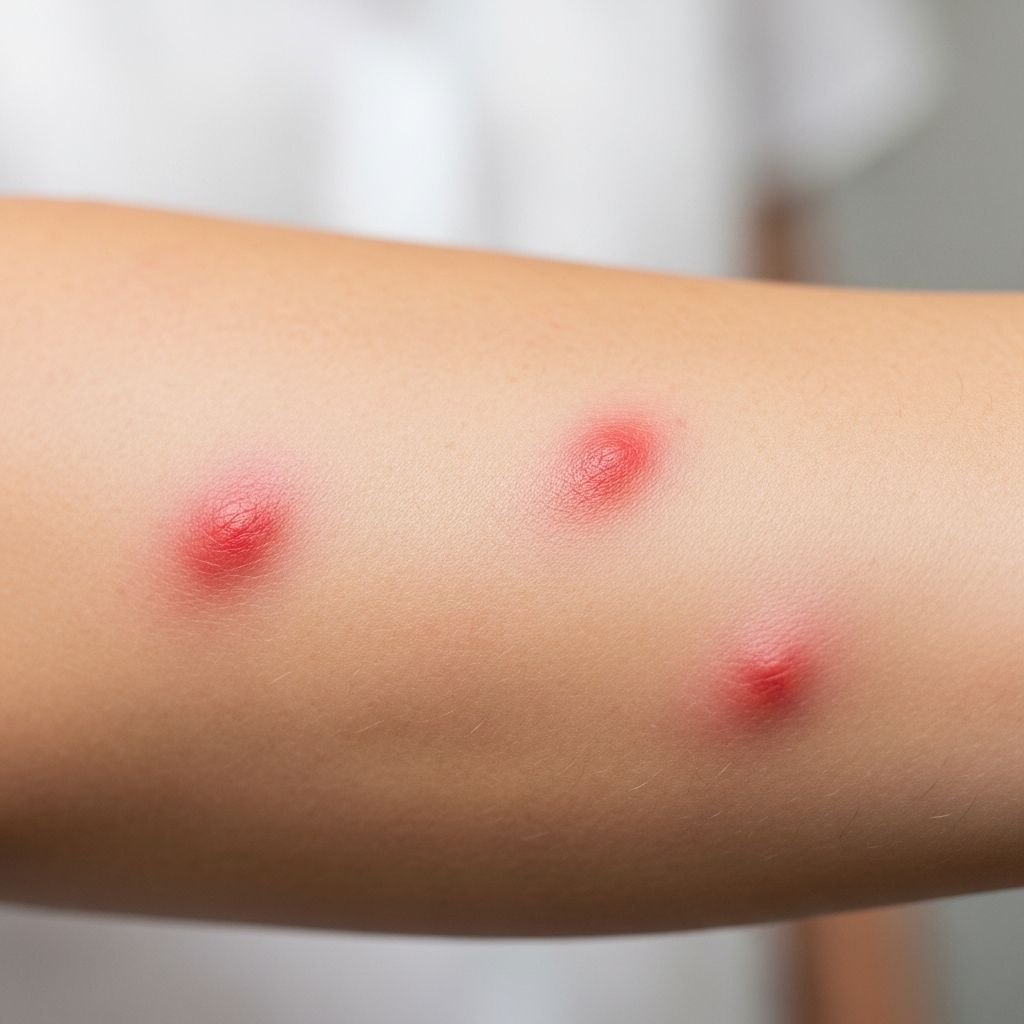
Chronic hives, medically known as chronic idiopathic urticaria (CIU) or chronic spontaneous urticaria (CSU), are red, itchy welts on the skin that persist for more than six weeks. Unlike acute hives that appear suddenly and disappear within hours or days, chronic hives represent a long-term condition that can significantly impact quality of life. Many individuals with chronic hives experience these welts daily for months or even years, making it one of the most challenging dermatological conditions to manage. Understanding the nature of this condition, its potential causes, and available treatment options is essential for anyone dealing with persistent urticaria.
What Are Chronic Hives?
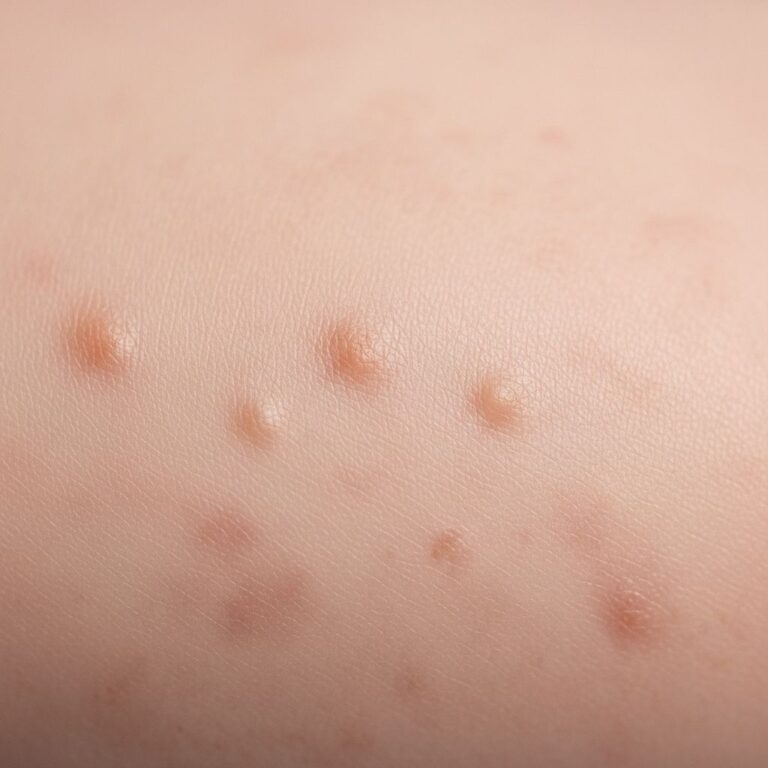
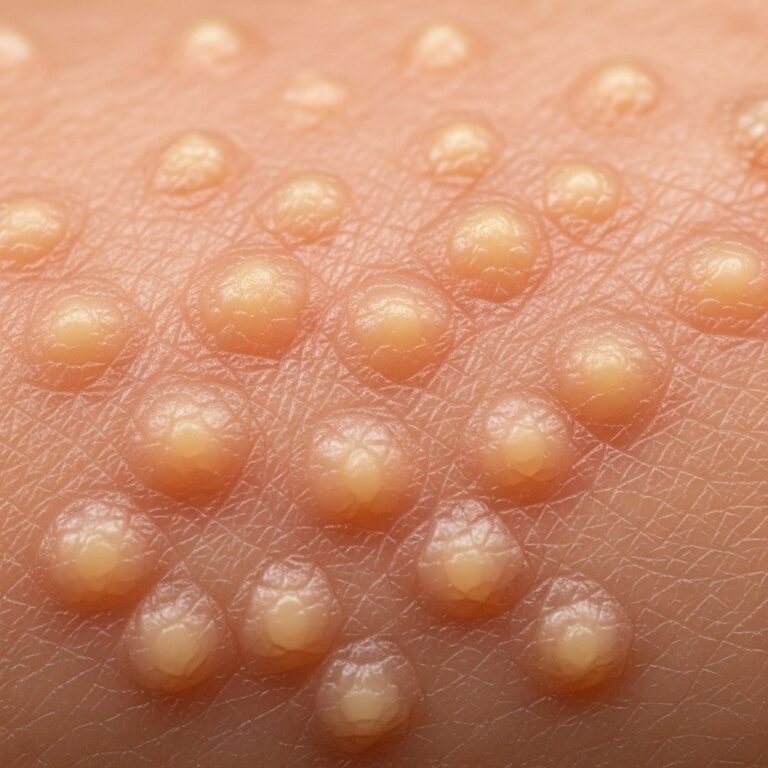
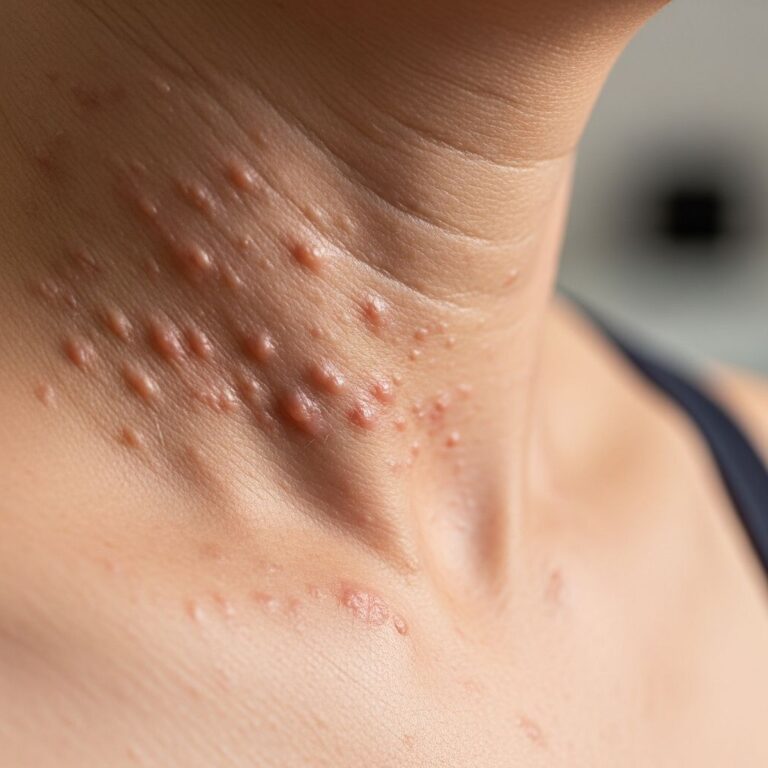
Chronic hives are characterized by repeated episodes of itchy, raised welts on the skin that can vary in size and location. The condition occurs when the immune system releases histamine and other chemical mediators, triggering inflammation and the characteristic appearance of hives. What distinguishes chronic hives from acute hives is their duration and frequency—chronic hives must persist for at least six weeks and typically appear at least twice weekly during this period.
The prevalence of chronic hives affects approximately 5% of the population, with the condition being more common in women between the ages of 30 and 50. However, chronic hives can develop in anyone regardless of age or gender. The unpredictability of chronic hives often proves more frustrating than the physical symptoms themselves, as flare-ups can occur without any identifiable trigger in 80% to 90% of cases.
Acute Versus Chronic Hives
Understanding the distinction between acute and chronic hives is crucial for proper management. Acute hives typically develop within two hours of exposure to a trigger and resolve quickly with appropriate treatment. They may never recur after the initial episode. Chronic hives, by contrast, represent a persistent condition characterized by repeated flare-ups that last for extended periods. While acute hives are frequently caused by identifiable allergic reactions, chronic hives rarely result from allergies and typically have unknown or multiple contributing factors.
Understanding the Causes of Chronic Hives
One of the most challenging aspects of chronic hives is that the exact cause remains unknown for the majority of patients. In approximately 80% to 90% of cases, no specific trigger can be identified, leading to frustration for both patients and healthcare providers. However, when identifiable causes are present, they typically fall into several distinct categories.
Autoimmune Disorders
Approximately 1 in 5 people who develop chronic hives also have an underlying autoimmune disease. Autoimmune conditions occur when the body’s immune system mistakenly attacks its own tissues, leading to chronic inflammation. The most common autoimmune disorder associated with chronic hives is Hashimoto’s thyroiditis, a form of hypothyroidism affecting thyroid function. Other autoimmune conditions linked to chronic hives include lupus, rheumatoid arthritis, and celiac disease. Research indicates that up to half of people with chronic spontaneous urticaria have an underlying autoimmune disorder, though many remain undiagnosed without proper testing.
Infections and Other Medical Conditions
Bacterial and viral infections frequently trigger the onset of chronic hives. Patients may develop hives weeks or months after recovering from an infection, with the connection sometimes going unrecognized. Even common colds can initiate a cycle of chronic hives that persists long after the infection resolves. Other medical conditions contributing to chronic hives include asthma, lymphoma, and liver disease. Additionally, thyroid disorders, systemic lupus erythematosus (SLE), and other inflammatory conditions may predispose individuals to develop chronic urticaria.
Medications and Substances
Certain medications can trigger or exacerbate chronic hives. Nonsteroidal anti-inflammatory drugs (NSAIDs) such as aspirin, ibuprofen, and naproxen sodium are common culprits, particularly when taken regularly for chronic headaches or joint pain. Prescription pain medications, including opioids, can also trigger chronic hives. However, acetaminophen (Tylenol®) does not typically cause chronic idiopathic urticaria. Identifying medication-related triggers is important, as switching to alternative pain relief options may resolve the condition.
Related Stories



Physical Triggers
Physical factors play a significant role in inducing chronic hives. Temperature fluctuations—both extreme heat and cold—can trigger flare-ups, as can physical activity that raises body temperature rapidly. Pressure on the skin from tight clothing, restrictive undergarments, or prolonged contact with objects can initiate hive development. Solar exposure triggers hives in some individuals, while others experience reactions to water contact. Pressure-induced hives may persist as long as the triggering stimulus continues, creating a cycle that requires identifying and eliminating the physical stressor.
Stress, Hormonal Changes, and Lifestyle Factors
Emotional stress and anxiety significantly influence chronic hives development and severity. Major life events—whether stressful or joyful—can precipitate flare-ups. Significant life changes such as death in the family, divorce, marriage, job changes, or moving to a new home frequently correlate with chronic hives onset. Hormonal fluctuations also contribute to hives, with many patients reporting increased flare-ups related to menstrual cycles or hormonal changes. The bidirectional relationship between stress and chronic hives creates a challenging cycle: stress triggers hives, which subsequently causes anxiety and stress about the condition, potentially perpetuating the flare-ups.
Symptoms and Diagnosis
Recognizing Chronic Hives Symptoms
Chronic hives present as red or skin-colored raised welts that may sting, burn, or cause intense itching. These welts can appear anywhere on the body and vary in size from small spots to larger patches. The welts may come and go throughout the day or persist for extended periods. Associated symptoms include swelling beneath the skin (angioedema), particularly around the eyes, lips, and throat. The constant itching can interfere with sleep, concentrate, and overall quality of life, often leading to secondary stress and anxiety.
Diagnostic Approach
Diagnosis of chronic hives begins with a thorough medical history and physical examination. Healthcare providers typically ask about symptom duration, frequency, severity, and potential triggers. Blood tests may be ordered to identify underlying autoimmune conditions or infections, though basic testing often reveals no specific cause. In some cases, allergy testing or elimination diets may be considered if food allergies are suspected. Thyroid function tests are frequently recommended given the strong association between thyroid disorders and chronic hives. A detailed symptom diary kept by the patient can help identify patterns or potential triggers, though this often proves unsuccessful in cases of idiopathic urticaria.
Treatment Options for Chronic Hives
First-Line Treatments
Antihistamines form the cornerstone of chronic hives treatment. Second-generation antihistamines such as cetirizine, loratadine, and fexofenadine are typically prescribed as they cause less drowsiness than first-generation options. For patients not responding to standard-dose antihistamines, healthcare providers may recommend higher doses under medical supervision. Non-drowsy formulations allow patients to maintain normal daytime functioning while managing symptoms.
Advanced Treatment Options
When antihistamines prove insufficient, additional treatment modalities become necessary. Corticosteroids, particularly oral prednisone, may be prescribed during acute flare-ups to reduce inflammation and provide relief. Immunosuppressant medications help regulate the overactive immune response underlying many cases of chronic hives. Cyclosporine represents one such option, though it requires careful monitoring due to potential side effects.
Omalizumab (Xolair®), an injectable monoclonal antibody, has demonstrated significant efficacy for patients with severe chronic hives unresponsive to other treatments. This medication targets immunoglobulin E (IgE) and reduces the immune system’s inflammatory response. Additionally, cyclosporine and other immunosuppressive agents may be considered for particularly resistant cases.
Trigger Avoidance and Self-Care Strategies
While most cases of chronic hives lack identifiable triggers, when triggers are identified, avoidance becomes paramount. Patients experiencing temperature-related hives should avoid extreme temperature exposure. Those with pressure-induced hives should modify clothing choices and avoid restrictive garments. For individuals whose hives worsen with specific NSAIDs, switching to acetaminophen or alternative pain management strategies proves beneficial.
Maintaining a symptom diary helps identify potential patterns, even when triggers remain elusive. Keeping a record of flare-ups, associated activities, food consumption, and emotional stressors may reveal connections that guide treatment modifications. Stress management techniques including regular physical activity, adequate sleep, mindfulness practices, and social support can help reduce emotionally-triggered flare-ups.
Lifestyle Modifications
Several lifestyle changes support chronic hives management. Using lukewarm rather than hot water for bathing prevents temperature-related triggers. Wearing loose-fitting, soft clothing reduces pressure-related hives. Maintaining consistent sleep schedules and managing stress through exercise, meditation, or counseling helps mitigate stress-related flare-ups. Avoiding alcohol, which can worsen inflammation and disrupt sleep, may also prove beneficial.
When to Seek Medical Care
Individuals experiencing hives lasting more than six weeks should consult a healthcare provider for evaluation and diagnosis. Medical attention becomes urgent if hives are accompanied by swelling in the throat, difficulty breathing, or signs of anaphylaxis. Additionally, if standard treatments fail to provide relief or if hives significantly impact daily functioning, sleep, or mental health, consultation with a dermatologist or allergist is warranted. Healthcare providers can adjust treatment plans, investigate underlying causes, and implement more advanced interventions when needed.
Frequently Asked Questions
Q: How long do chronic hives typically last?
A: By definition, chronic hives persist for at least six weeks, but many patients experience them for months or years. The duration varies significantly between individuals, and treatment effectiveness influences how long symptoms persist. Some patients achieve remission with appropriate treatment, while others require long-term management.
Q: Are chronic hives contagious?
A: No, chronic hives are not contagious. They result from internal immune system reactions and cannot be transmitted to other people through contact or exposure.
Q: Can chronic hives be cured?
A: While chronic hives can be effectively managed with appropriate treatment, a definitive cure does not exist. Many patients achieve symptom control and remission with treatment, though the condition may recur. The goal of treatment is to minimize symptoms and improve quality of life.
Q: Should I avoid all allergens if I have chronic hives?
A: Most chronic hives do not result from allergies, so avoiding common allergens typically does not help. However, if specific food allergies are identified through testing, elimination of those foods may be beneficial. Your healthcare provider can determine whether allergen avoidance is appropriate for your situation.
Q: Can diet changes help manage chronic hives?
A: While diet rarely causes chronic hives, foods high in histamine such as aged cheeses, cured meats, fermented foods, and certain beverages may occasionally trigger or worsen symptoms in sensitive individuals. Keeping a food diary may help identify any dietary connections to your flare-ups.
Q: Is chronic hives related to anxiety?
A: Stress and anxiety can trigger or exacerbate chronic hives, and living with chronic hives can create anxiety and stress. This bidirectional relationship means that managing stress through relaxation techniques, exercise, and mental health support can help reduce symptom severity.
Q: What should I do if antihistamines don’t work?
A: If standard antihistamines prove ineffective, inform your healthcare provider. Treatment options include higher-dose antihistamines, corticosteroids, immunosuppressants, or biologic medications like omalizumab. Your provider will work with you to find an effective treatment regimen.
Living with Chronic Hives
Chronic hives significantly impact quality of life for many patients, affecting sleep, work productivity, and emotional wellbeing. The unpredictable nature of the condition and frequent lack of identifiable cause can be particularly frustrating. However, effective treatments are available, and many patients achieve substantial symptom improvement with appropriate management. Open communication with healthcare providers, combined with consistent treatment adherence and lifestyle modifications, provides the best opportunity for controlling symptoms and improving quality of life. Support from family, friends, and potentially support groups for people with chronic hives can help manage the emotional aspects of living with this persistent condition.
References
- Common Chronic Hives Triggers — Cleveland Clinic. 2024. https://health.clevelandclinic.org/chronic-hives-triggers
- Chronic Hives (Chronic Idiopathic Urticaria): Causes & Treatment — Cleveland Clinic. 2024. https://my.clevelandclinic.org/health/diseases/22900-chronic-hives-chronic-idiopathic-urticaria
- Hives: Causes, Symptoms, Diagnosis, Treatment & Prevention — Cleveland Clinic. 2024. https://my.clevelandclinic.org/health/diseases/8630-hives
- When Chronic Spontaneous Urticaria Doesn’t Go Away — WebMD. 2024. https://www.webmd.com/skin-problems-and-treatments/features/hives-dont-go-away
- Chronic Hives & Stress — Cleveland Clinic. 2024. https://my.clevelandclinic.org/watch/psychological-impact-of-chronic-hives
- 7 Steps to Soothe the Itch With Chronic Hives — HealthCentral. 2024. https://www.healthcentral.com/condition/chronic-hives/soothe-the-itch-with-chronic-hives
- Chronic hives – Symptoms and causes — Narayana Health. 2024. https://www.narayanahealth.org/blog/chronic-hives-symptoms-and-causes
Similar Articles








Read full bio of Sneha Tete