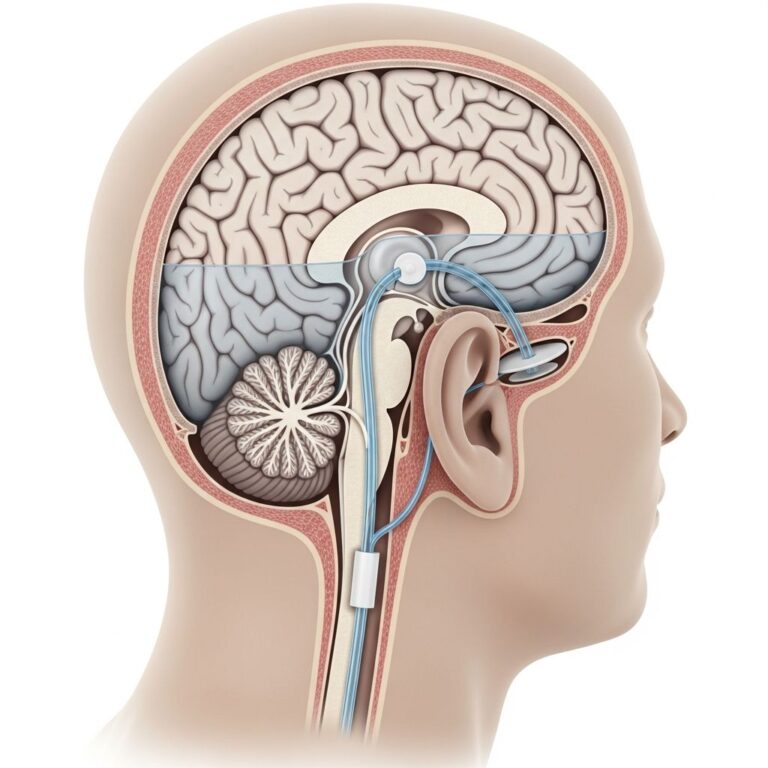
Chronic Illness: Understanding Long-Term Health Conditions
Learn what chronic illness means, how to manage it, and strategies for coping with long-term health conditions.

Chronic illness refers to long-term health conditions that persist for a year or more, often lasting a lifetime. These conditions significantly impact millions of Americans annually, with nearly 100 million people having one or more chronic conditions in the United States. While chronic illnesses are generally treatable and manageable, they require ongoing medical attention and lifestyle modifications to maintain quality of life and prevent complications.
What Defines a Chronic Illness?
A chronic illness is characterized as a long-lasting health condition that typically develops gradually and persists for at least one year or throughout a person’s lifetime. Unlike acute illnesses that develop suddenly and resolve relatively quickly, chronic illnesses are ongoing and require continuous management. The most common chronic conditions affecting Americans include obesity, hypertension, hyperlipidemia, diabetes mellitus, heart disease, and respiratory conditions.
The prevalence of chronic disease has become a significant public health challenge. These conditions account for approximately 90% of the nation’s annual healthcare expenditure, making them not only a personal health concern but also an economic burden on the healthcare system. The development and progression of most chronic diseases are closely linked to lifestyle factors, including diet, physical activity levels, stress management, and smoking habits.
Common Types of Chronic Illnesses
Chronic illnesses encompass a wide range of conditions affecting different body systems and functions. Understanding the various types helps individuals recognize symptoms and seek appropriate medical care.
Metabolic and Cardiovascular Conditions
Metabolic and cardiovascular chronic illnesses represent some of the most prevalent conditions in modern society. Type 2 diabetes mellitus affects millions of Americans and requires careful blood glucose monitoring and lifestyle management. Hypertension, or high blood pressure, increases the risk of heart disease and stroke if left uncontrolled. Hyperlipidemia, characterized by elevated cholesterol levels, contributes to atherosclerosis and cardiovascular events. Obesity is now recognized as a complex chronic disease that affects metabolism and raises the risk of numerous serious health conditions including diabetes, heart disease, and certain cancers.
Autoimmune and Inflammatory Conditions
Chronic, lower-grade inflammation has been associated with multiple chronic diseases, including rheumatoid arthritis, psoriatic arthritis, and other autoimmune disorders. These conditions involve the immune system attacking the body’s own tissues, leading to chronic inflammation, pain, and functional limitations. Proper diagnosis and treatment are essential to prevent disease progression and joint damage.
Neurological and Pain-Related Conditions
Chronic pain conditions affect quality of life significantly and can last for months or years, interfering with daily activities and potentially leading to depression and anxiety. Central sensitization represents a mechanism where the central nervous system undergoes structural, functional, and chemical changes that make it increasingly sensitive to pain signals, even from minor stimuli.
Risk Factors and Development of Chronic Illness
The development and progression of most preventable chronic diseases are fundamentally linked to lifestyle choices and environmental factors. Research demonstrates that individuals who maintain healthy lifestyle behaviors have significantly lower risks of developing chronic conditions compared to those without such habits.
Related Stories



Lifestyle and Behavioral Factors
Poor lifestyle choices represent key factors in the development and progression of preventable chronic diseases. Recent studies show that individuals who maintain a body mass index below 30, do not smoke, exercise approximately 3.5 hours per week, and consume mostly plant-based diets with limited meat have a 78% lower risk of developing chronic disease than those without these healthy lifestyle factors. These modifiable risk factors represent critical intervention points for disease prevention and management.
Dietary patterns significantly influence chronic disease development. Diets high in processed foods, trans fats, added sugars, and saturated fats contribute to obesity, diabetes, and cardiovascular disease. Conversely, nutrition-focused interventions aligned with Mediterranean diet principles—emphasizing whole grains, plant-based foods, and limited animal product consumption—have demonstrated measurable improvements in disease markers and health outcomes.
Inflammation and Systemic Factors
Chronic, systemic inflammation plays a central role in the development and progression of many chronic conditions. Inflammatory markers such as C-reactive protein provide measurable indicators of disease activity and cardiovascular risk. Understanding and addressing the underlying inflammatory processes through comprehensive lifestyle interventions can lead to clinically meaningful improvements in health outcomes.
Managing Chronic Illness: Comprehensive Approaches
Effective chronic disease management requires integrated approaches addressing multiple dimensions of health and wellness. Evidence-based programs that combine nutrition, physical activity, and stress management interventions have demonstrated significant success in improving patient outcomes.
The Role of Nutrition in Disease Management
Nutrition represents one of the most powerful tools for chronic disease management and prevention. Comprehensive lifestyle intervention programs focus on dietary modifications that foster measurable improvements in biometric and laboratory disease markers. Key nutritional principles for chronic disease management include:
- Eliminating trans fats and added sugars from the diet
- Limiting saturated fat consumption to less than 4 grams per meal
- Substituting processed grain products with 100% whole grains
- Emphasizing plant-based foods with limited high-fat animal products
- Incorporating Mediterranean diet principles proven to improve health outcomes
Food-as-medicine strategies extend beyond clinical settings into community environments. Healthcare institutions increasingly partner with community organizations, vendors, and local partners to bring cooking demonstrations, nutrition education, and recipes to libraries and community centers. These programs recognize that addressing food access and nutrition from multiple angles—both in healthcare settings and within communities—creates more sustainable health improvements.
Physical Activity and Exercise
Regular physical activity represents a cornerstone of chronic disease management. Research indicates that approximately 3.5 hours of weekly exercise, combined with other healthy lifestyle factors, contributes significantly to disease prevention and management. Physical activity helps regulate blood glucose levels, reduce blood pressure, improve cholesterol profiles, and maintain healthy body weight.
Exercise programs should be tailored to individual capabilities and medical conditions. Healthcare providers work with patients to develop sustainable activity plans that gradually increase intensity and duration while minimizing injury risk. For individuals with multiple chronic conditions, exercise programs may need to address specific limitations while progressively improving cardiovascular fitness and functional capacity.
Stress Management and Mental Health
Chronic stress contributes to inflammation, elevated blood pressure, and worsening of many chronic conditions. Comprehensive disease management programs integrate stress reduction techniques including meditation, mindfulness practices, and relaxation strategies. Mental health support is essential, as chronic illness often leads to depression and anxiety, which can complicate disease management and reduce adherence to treatment plans.
Medication Management and Medical Monitoring
While lifestyle modifications form the foundation of chronic disease management, appropriate medication therapy remains essential for many conditions. Medication requirements often decrease as patients implement comprehensive lifestyle changes and improve their health markers.
Patients with hypertension and diabetes benefit from regular self-monitoring of blood pressure and fasting glucose levels. Daily monitoring helps identify trends and allows for timely adjustments to treatment plans. When lifestyle interventions successfully lower blood pressure or glucose readings into healthier ranges, patients should consult with their primary care physicians about potential medication adjustments to prevent excessively low readings.
Comprehensive medication reviews ensure that all medications remain necessary and appropriate as patient health status changes. This collaborative approach between patients and healthcare providers optimizes therapeutic outcomes while minimizing potential side effects.
Coping Strategies for Living with Chronic Illness
Successfully managing chronic illness requires psychological adaptation and development of effective coping strategies. Research indicates that shifting from a passive to an active role in disease management significantly improves outcomes and quality of life.
Empowerment Through Education
Patient education represents a critical component of chronic disease management. When clinicians educate patients about their conditions, treatment options, and self-management strategies, patients become empowered to take active roles in their recovery. This education-based approach gives patients hope and increases their engagement with treatment plans.
Shifting Perspective and Mindset
Effective coping involves shifting from an external locus of control—where individuals feel their health is determined by external factors—to an internal locus of control, where they recognize their ability to influence health outcomes through their choices and actions. This psychological shift requires education, consistency, and support from healthcare providers.
Acceptance and Self-Management
For chronic conditions involving pain, acceptance represents a powerful coping tool. Acceptance of the condition combined with willingness to engage in self-management strategies has been shown to improve functional outcomes significantly. Rather than fighting against the reality of chronic illness, patients who accept their condition and focus on what they can control often experience better quality of life and improved health markers.
Comprehensive Lifestyle Intervention Programs
Structured programs combining multiple lifestyle interventions have demonstrated remarkable success in managing chronic conditions. The Lifestyle 180 program at Cleveland Clinic exemplifies this comprehensive approach, showing that 429 participants with one or more chronic conditions experienced significant improvements in health markers after six months of participation.
Program Components and Structure
Comprehensive lifestyle intervention programs typically include:
- An intensive 6-week immersion course with 8 hours of group instruction per week
- Follow-up sessions over 6 months to reinforce learning and maintain progress
- Integrated instruction in nutrition, physical activity, and stress management
- Ongoing medical support with regular monitoring of health markers
- Community-based learning with peer support and group accountability
Documented Outcomes
Research demonstrates that comprehensive lifestyle interventions produce significant and clinically meaningful improvements. Participants typically experience decreased blood pressure, improved cholesterol profiles, reduced blood glucose levels, decreased inflammatory markers, and reduced medication requirements. These improvements indicate that addressing underlying lifestyle factors effectively reverses disease progression and improves health outcomes without increasing healthcare costs.
Functional Medicine and Personalized Care Models
Functional medicine approaches emphasize treating the whole person rather than just managing individual disease markers. These personalized care models examine the underlying causes of chronic disease and develop individualized treatment plans addressing each patient’s unique circumstances, genetics, and environmental factors.
Studies comparing functional medicine care with conventional primary care demonstrate that patients receiving functional medicine care report improved quality of life, better health outcomes, and greater satisfaction with their care. Extended initial visits—typically 60 to 75 minutes compared with much shorter conventional visits—allow clinicians to understand patients’ complete health pictures and develop comprehensive, personalized management strategies.
Food as Medicine: Community-Based Health Promotion
Modern chronic disease management increasingly recognizes food as medicine and extends health promotion beyond clinical settings into communities. Healthcare systems partner with vendors, community organizations, and local partners to address food access and nutrition from multiple angles.
Community-based initiatives include cooking demonstrations, nutrition education workshops at libraries and community centers, partnerships with local food vendors, and targeted programs for priority populations including mothers, infants, and children. These efforts recognize that sustainable improvements in chronic disease management require addressing food access, nutrition knowledge, and community factors that influence health behaviors.
Measuring the impact of food and nutrition programs requires patience, as outcomes often take longer to emerge than surgical or medication interventions. Short-term indicators include increased nutritional knowledge, documented behavior changes, and improved food access. Long-term outcomes include reduced medication requirements, healthier pregnancies, and improved chronic disease markers.
The Role of Preventive Care and Screening
Chronic disease prevention begins with regular medical care and appropriate screening. Primary care providers offer lifelong medical care addressing acute issues like infections while implementing preventive screening for conditions including high blood pressure, diabetes, and various cancers. Early detection through screening allows for intervention before disease progression significantly impacts health and functioning.
Frequently Asked Questions About Chronic Illness
Q: What is the difference between acute and chronic illness?
A: Acute illnesses develop suddenly and resolve relatively quickly with treatment, while chronic illnesses develop gradually and persist for one year or more, often lasting a lifetime. Chronic illnesses require ongoing management to prevent complications and maintain quality of life.
Q: Can chronic illnesses be cured?
A: Most chronic illnesses cannot be completely cured but are highly manageable through appropriate treatment, lifestyle modifications, and medical monitoring. Many patients achieve significant improvement in symptoms and health markers through comprehensive management strategies.
Q: How important is lifestyle modification in chronic disease management?
A: Lifestyle modification is critically important and often represents the foundation of effective chronic disease management. Research shows that comprehensive lifestyle interventions addressing nutrition, physical activity, and stress management can produce significant improvements in health outcomes and reduce medication requirements.
Q: What role does nutrition play in managing chronic illness?
A: Nutrition plays a central role in chronic disease management. Dietary patterns based on whole foods, limited processed items, reduced saturated fats, and plant-based emphasis demonstrate measurable improvements in disease markers including blood pressure, cholesterol levels, and blood glucose control.
Q: How can I stay motivated with long-term chronic disease management?
A: Staying motivated requires shifting to an active rather than passive role in your health management, celebrating small wins and progress markers, engaging with support groups or structured programs, and maintaining regular communication with healthcare providers who can adjust strategies as needed.
Q: Should I continue taking medications while making lifestyle changes?
A: Yes, continue taking prescribed medications as directed while implementing lifestyle changes. As your health improves through better nutrition, exercise, and stress management, consult with your healthcare provider about potential medication adjustments to ensure doses remain appropriate for your improving health status.
References
- Progress Report of the Cleveland Clinic’s Lifestyle 180 Program — National Center for Biotechnology Information (NCBI). 2011. https://pmc.ncbi.nlm.nih.gov/articles/PMC3264524/
- Functional Medicine Model of Care and Patient-Reported Quality of Life — JAMA Network Open. 2019. https://jamanetwork.com/journals/jamanetworkopen/fullarticle/2753520
- How Cleveland Clinic Is Nourishing Community Health — American Heart Association (AHA) News. 2025-11-05. https://www.aha.org/news/blog/2025-11-05-food-medicine-how-cleveland-clinic-nourishing-community-health
- Central Sensitization, Chronic Pain, and Other Symptoms — Cleveland Clinic Journal of Medicine. https://www.ccjm.org/content/90/4/245
- Obesity: What It Is, Classes, Symptoms, Causes — Cleveland Clinic Health Library. 2025. https://my.clevelandclinic.org/health/diseases/11209-weight-control-and-obesity
- Chronic Pain: What It Is, Symptoms, Treatment & Management — Cleveland Clinic Health Library. 2025. https://my.clevelandclinic.org/health/diseases/4798-chronic-pain
- The Role of Chronic, Systemic Inflammation in Rheumatologic Disease — Cleveland Clinic ConsultQD. https://consultqd.clevelandclinic.org/chronic-inflammation-the-exposome-and-the-epidemic-of-chronic-disease-across-our-life-span
Similar Articles








Read full bio of medha deb