Chronic Inflammation: How to Know If You Have It
Learn the signs, causes, and ways to manage chronic inflammation, a silent driver of serious diseases like heart disease and diabetes.
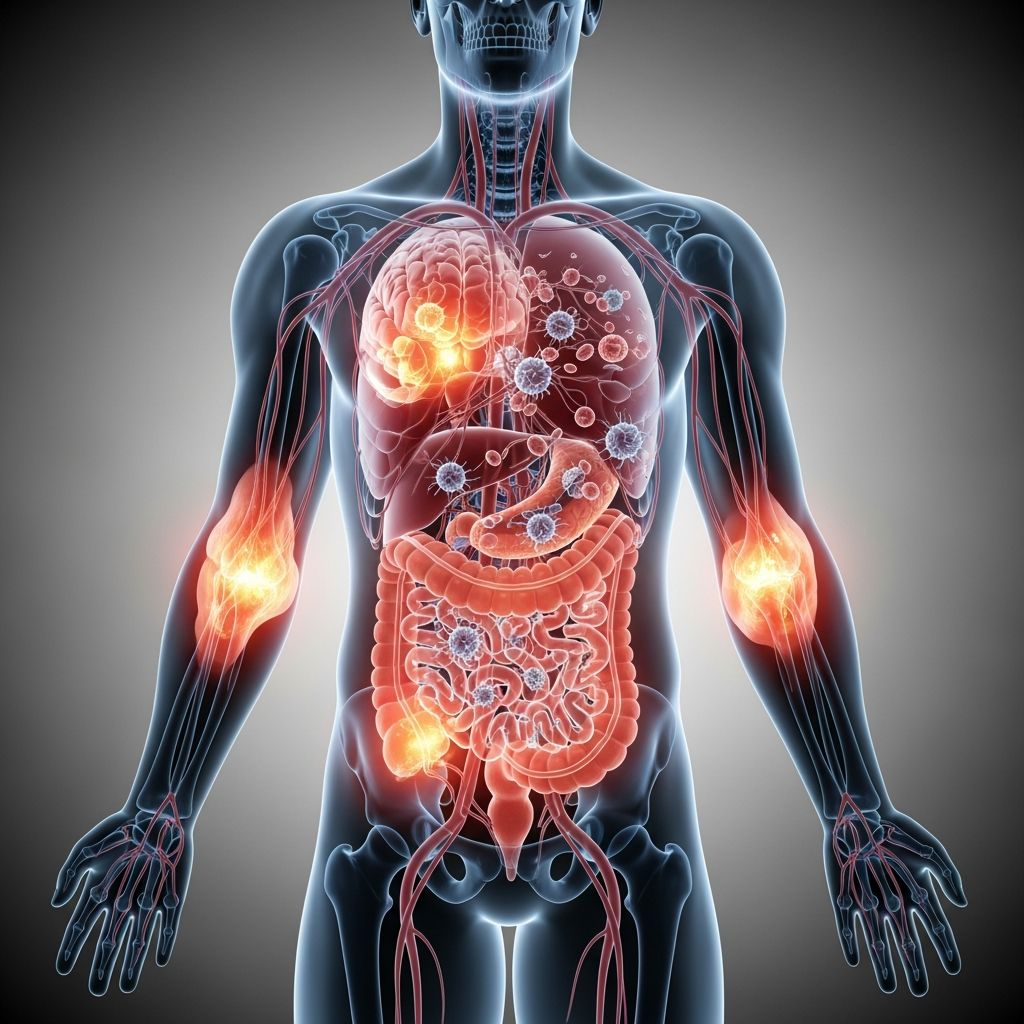
Chronic inflammation is a prolonged, low-grade immune response that persists for months or years, damaging tissues and contributing to numerous diseases unlike the short-term acute inflammation that aids healing.
This silent process often lacks obvious signs, making it hard to detect until it leads to conditions like heart disease or diabetes. Understanding its markers and triggers empowers proactive management.
What Is Chronic Inflammation?
Unlike acute inflammation—which causes visible redness, swelling, heat, and pain from injuries or infections—chronic inflammation simmers quietly. It involves ongoing activation of immune cells like macrophages and lymphocytes, releasing cytokines that promote tissue damage, fibrosis, and granuloma formation.
Dr. Elliot Rosenstein compares it to a thermostat that never fully turns off, constantly signaling mild threat and eroding health over time. This differs from acute responses that resolve quickly, as chronic cases stem from unresolved issues or autoimmune attacks on healthy tissues.
Chronic Inflammation vs. Acute Inflammation
| Aspect | Acute Inflammation | Chronic Inflammation |
|---|---|---|
| Duration | Days to weeks | Months to years |
| Triggers | Injury, infection | Autoimmune, persistent irritants, lifestyle |
| Symptoms | Redness, swelling, pain | Fatigue, joint pain, digestive issues |
| Immune Cells | Neutrophils dominant | Macrophages, lymphocytes |
| Outcome | Healing | Tissue damage, disease |
The table highlights key differences: acute protects and heals, while chronic harms by failing to resolve.
Symptoms of Chronic Inflammation
Chronic inflammation often presents subtly, mimicking other conditions. Common signs include:
- Chronic fatigue and insomnia, unrelated to activity levels
- Body pain, joint aches (arthralgia), and muscle pain (myalgia)
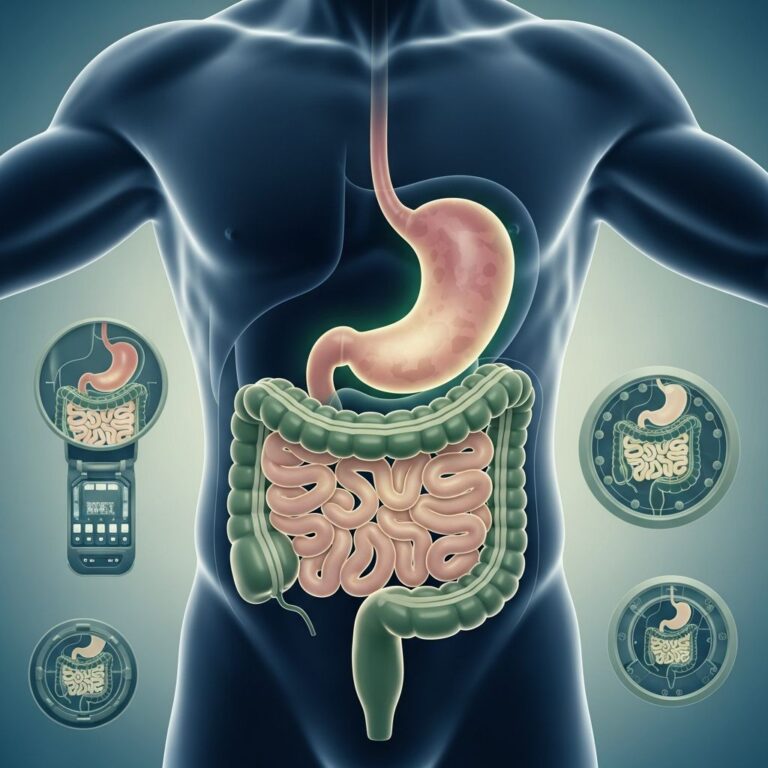
- Gastrointestinal issues like diarrhea, constipation, or acid reflux
- Unexplained weight changes—gain from metabolic disruption or loss
- Frequent infections due to immune exhaustion
- Mood disorders such as depression, anxiety
- Skin problems, brain fog, or low energy
These nonspecific symptoms develop gradually, often dismissed as stress or aging. Persistent joint swelling or rashes may signal more active cases.
Causes of Chronic Inflammation
Multiple factors sustain chronic inflammation:
- Unresolved acute issues: Pathogens like Mycobacterium tuberculosis evade clearance
- Environmental exposures: Toxins, silica dust, or pollutants irritating tissues
- Autoimmune disorders: Rheumatoid arthritis (RA), lupus where immunity attacks self
- Lifestyle factors: Poor diet, obesity, smoking, sedentary habits
- Metabolic stressors: Oxidative damage from free radicals, AGEs, uric acid
Genetics influence susceptibility, but habits like diet and exercise play key roles.
Diseases Linked to Chronic Inflammation
Chronic inflammation drives many conditions:
- Cardiovascular disease via vessel damage
- Type 2 diabetes and insulin resistance
- Cancer from disordered immunity
- Alzheimer’s and cognitive decline
- Autoimmune diseases like RA, IBD (Crohn’s, colitis)
- COPD, asthma from airway inflammation
- Mood disorders, osteoporosis, strokes
Inflammatory diseases account for over half of global deaths, underscoring its impact.
How to Test for Chronic Inflammation
No single test diagnoses it definitively, but blood markers indicate levels:
- C-reactive protein (CRP): Elevated (>3 mg/L) signals systemic inflammation
- Erythrocyte sedimentation rate (ESR): Measures settling speed of red blood cells
- Fibrinogen: High levels (>400 mg/dL) correlate with risk
- Cytokines like IL-6, TNF-alpha: Advanced tests for specific activity
Related Stories



Consult a doctor for testing if symptoms persist; interpret results alongside history.
6 Signs You May Have Chronic Inflammation
- Persistent fatigue: Drains energy despite rest
- Joint/muscle pain: Achy without injury
- Digestive discomfort: Bloating, irregular bowels
- Mood changes: Anxiety, depression
- Weight struggles: Hard to lose despite efforts
- Frequent illnesses: Colds linger longer
Track these over weeks; multiple signs warrant medical review.
Can You Have Chronic Inflammation Without Knowing?
Yes—mild cases produce vague symptoms like brain fog or minor aches, building unnoticed. Without rashes or fever, it evades detection until diseases manifest.
Treatment and How to Reduce Chronic Inflammation
Address root causes:
- Medications: NSAIDs, steroids, biologics for autoimmune cases
- Treat infections: Antibiotics or antivirals
- Lifestyle changes: Core to reduction
Anti-Inflammatory Diet
Emphasize whole foods:
- Fruits/veggies (berries, leafy greens) rich in antioxidants
- Fatty fish (omega-3s: salmon)
- Nuts, olive oil, turmeric (curcumin)
- Avoid processed sugars, trans fats, refined carbs
Exercise Regularly
150 minutes moderate activity weekly reduces cytokines; combine cardio, strength.
Manage Stress and Sleep
7-9 hours nightly; meditation lowers IL-6.
Maintain Healthy Weight
Obesity fuels inflammation; gradual loss helps.
Quit Smoking, Limit Alcohol
Both exacerbate oxidative stress.
Prevention Tips
- Balanced Mediterranean-style diet
- Consistent exercise routine
- Stress reduction (yoga, mindfulness)
- Regular check-ups for markers
- Adequate sleep hygiene
Proactive steps can halt progression early.
Frequently Asked Questions (FAQs)
What is the difference between acute and chronic inflammation?
Acute is short-term healing response with clear signs; chronic is prolonged, low-level damage without obvious symptoms.
Can diet reduce chronic inflammation?
Yes, anti-inflammatory foods like omega-3s and antioxidants lower markers effectively.
Who is at risk for chronic inflammation?
Those with obesity, poor diet, smoking, autoimmune history, or chronic stress.
How do you test for it?
Blood tests like CRP, ESR detect elevated levels.
Is chronic inflammation reversible?
Often yes, through lifestyle changes addressing causes.
References
- Chronic inflammation: a silent threat to health — Atlantic Health. 2023. https://www.atlantichealth.org/health-articles/healthy-living/chronic-inflammation-silent-threat-to-health
- Chronic Inflammation – StatPearls — NCBI Bookshelf. 2023-10-25. https://www.ncbi.nlm.nih.gov/books/NBK493173/
- What causes chronic inflammation, and why it matters — Ohio State University Wexner Medical Center. 2023. https://health.osu.edu/health/general-health/what-causes-chronic-inflammation
- What Is Inflammation? Types, Causes & Treatment — Cleveland Clinic. 2023-11-03. https://my.clevelandclinic.org/health/symptoms/21660-inflammation
- Inflammation – What it Does and How to Reduce It — Bryan Health. 2023. https://www.bryanhealth.com/services/weight-loss-options/weight-loss-surgery/bryan-bariatrics-newsletter-articles/inflammation-what-it-does-and-how-to-reduce-it/
Similar Articles








Read full bio of medha deb