Chronic Joint Inflammation: Causes, Treatments, Guide
Understanding how chronic joint inflammation damages cartilage and bones while exploring effective treatment options.
Understanding Chronic Inflammation in Your Joints
Joint inflammation is a natural part of the body’s healing process. When you experience an injury—such as a twisted ankle or banged-up knee—your immune system responds by triggering inflammation to remove damaged tissue and promote the growth of new, healthy tissue. This acute inflammation, characterized by puffiness, redness, and tenderness, is actually a sign that your immune system is working effectively.
However, sometimes the immune system malfunctions and launches chronic, unhealthy inflammation in the joints without any apparent trigger. This abnormal immune response can lead to persistent pain, stiffness, and progressive joint damage. Unlike the temporary inflammation that aids healing, chronic joint inflammation represents a fundamental failure of immune regulation that requires medical intervention and lifestyle management.
How Chronic Inflammation Damages Joints
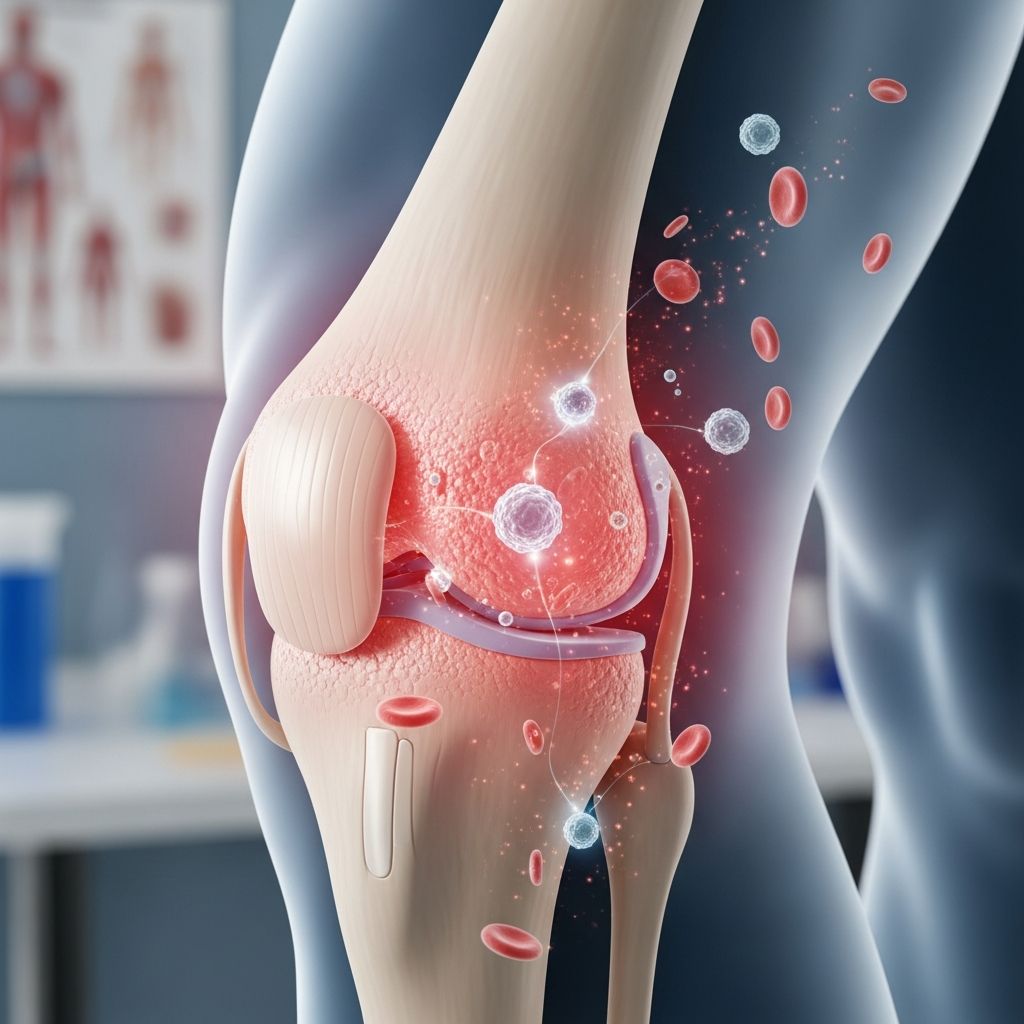
When chronic inflammation develops in the joints, it initiates a cascade of destructive processes. Immune cells accumulate in the joint lining and fluid, where they attract additional immune cells. This cellular infiltration leads to thickening of the joint lining, formation of new blood vessels, and ultimately, irreversible joint damage.
The inflammatory process can affect multiple joint structures simultaneously:
- Cartilage: The smooth, protective tissue that lines joints deteriorates under chronic inflammatory pressure
- Bones: Underlying bone tissue becomes damaged and weakened
- Tendons: Connective tissues that attach muscles to bones experience inflammation and degradation
- Ligaments: Structures responsible for holding joints together become compromised
- Nerves: Irritation of nearby nerves contributes to pain signals
The result is a constellation of symptoms including pain, swelling, stiffness, and progressive functional decline. Importantly, the joint damage caused by chronic inflammation can be progressive and irreversible if left untreated, making early diagnosis and intervention critical.
Types of Inflammatory Arthritis
Multiple forms of inflammatory arthritis exist, each with distinct causes and mechanisms. Understanding your specific condition is essential for developing an effective treatment plan.
Rheumatoid Arthritis (RA)
Rheumatoid arthritis represents one of the most common inflammatory joint conditions. In RA, the immune system mistakenly attacks the synovial lining of joints, particularly affecting the hands, wrists, and feet. Beyond the joints, RA can extend its damaging effects to the heart, lungs, and eyes, making systemic management important. Early diagnosis and aggressive treatment have significantly improved outcomes for RA patients in recent years.
Gout
Gout develops through a distinctly different mechanism than rheumatoid arthritis. This condition involves the accumulation of uric acid in the blood, which crystallizes in the joints. The big toe is the most commonly affected site, though crystals can also deposit in the hands, wrists, or knees. These uric acid crystals activate the body’s inflammatory response, which typically manifests as acute attacks but can progress to chronic inflammation if uric acid levels remain elevated.
Calcium Pyrophosphate Deposition Disease (CPPD)
Also known as pseudogout, CPPD occurs when calcium pyrophosphate crystals accumulate in joints, particularly the knee, wrist, shoulder, ankle, and elbow. Similar to gout, these crystals trigger an inflammatory cascade. While acute attacks are common, untreated CPPD can evolve into chronic inflammation that produces ongoing joint damage and functional limitations.
Related Stories



The Special Case of Osteoarthritis
Osteoarthritis has traditionally been classified as a non-inflammatory form of arthritis, resulting primarily from mechanical wear and tear of the smooth cartilage that lines joints. However, contemporary research has fundamentally altered this understanding. Scientists now recognize that inflammatory cells are present in osteoarthritic joints, though typically in much smaller quantities compared to rheumatoid arthritis or other inflammatory conditions.
This discovery has prompted researchers to investigate whether osteoarthritis might respond to some medications traditionally used for inflammatory arthritis. The presence of low-grade inflammation in osteoarthritis suggests that anti-inflammatory interventions could potentially slow disease progression or reduce symptoms more effectively than previously believed possible.
Medical Treatment Options
Modern medicine offers multiple classes of medications designed to reduce inflammation, suppress immune function, and prevent progressive joint damage. The choice of treatment depends on the specific diagnosis, disease severity, individual patient factors, and response to initial therapy.
Nonsteroidal Anti-Inflammatory Drugs (NSAIDs)
NSAIDs represent the most commonly used class of anti-inflammatory medications. These drugs work by reducing prostaglandin levels—hormone-like substances that promote inflammation throughout the body. Common NSAIDs include ibuprofen, naproxen, and prescription-strength options. While effective for pain relief and inflammation reduction, NSAIDs should be used at the lowest effective dose for the shortest necessary duration due to potential gastrointestinal and cardiovascular risks with long-term use.
Corticosteroids
Both oral and injected corticosteroid preparations suppress inflammation and modulate immune function. These medications are potent anti-inflammatory agents but carry risks with prolonged use, including bone density loss, infections, and metabolic effects. Consequently, they are typically used at the lowest effective doses and for limited durations, often as part of a comprehensive treatment strategy.
Disease-Modifying Antirheumatic Drugs (DMARDs)
DMARDs represent a cornerstone of modern inflammatory arthritis treatment. These medications suppress the immune system and can prevent disease progression and joint damage. Nonbiologic DMARDs, administered through injections or intravenous infusions, have been used for decades. Biologic DMARDs, representing newer therapeutic advances, target specific immune components with greater precision than traditional DMARDs, often producing superior outcomes with fewer systemic side effects.
Janus Kinase Inhibitors
This emerging class of medications interrupts inflammatory signaling pathways within immune cells. Janus kinase inhibitors offer targeted immune suppression and have demonstrated efficacy in conditions like rheumatoid arthritis, providing patients with additional treatment options.
Uric Acid-Lowering Medications
For gout specifically, medications that reduce serum uric acid levels—such as allopurinol and febuxostat—can essentially eliminate gout attacks by preventing crystal formation. These medications have transformed gout from a chronic, recurrent condition into a manageable disease.
Treatment Outcomes and Advances
The development of newer pharmaceutical options has dramatically improved outcomes for inflammatory arthritis patients. Medications to lower uric acid can essentially eliminate gout attacks. More significantly, biologic medications and Janus kinase inhibitors have enabled far more people with rheumatoid arthritis to achieve remission and obtain protection from ongoing joint damage. These advances represent a paradigm shift in arthritis care, shifting from symptom management to disease modification and remission.
Lifestyle Modifications and Non-Pharmacological Approaches
Beyond medications, multiple lifestyle factors significantly influence inflammation levels and joint health. A comprehensive treatment approach integrates pharmacological and non-pharmacological interventions.
Exercise and Physical Activity
Regular exercise provides remarkable anti-inflammatory benefits. Physical activity reduces systemic inflammation markers and supports joint health through multiple mechanisms. Approximately one-third of exercise’s cardiovascular benefits stem from its anti-inflammatory effects. Physical therapy tailored to your specific condition can maintain joint mobility, strengthen supporting muscles, and reduce pain while promoting functional independence.
Dietary Modifications
Diet profoundly influences inflammation levels. Processed foods contain components that promote inflammation and should be minimized. Conversely, Mediterranean-style diets rich in whole grains, vegetables, fruits, and healthy fats possess powerful anti-inflammatory properties. Maintaining a healthy body weight reduces inflammatory burden on joints.
Stress Reduction
Chronic stress elevates inflammatory markers throughout the body. Implementing stress-reduction techniques—such as meditation, yoga, or deep breathing exercises—can help lower inflammation and improve overall health outcomes.
Sleep Optimization
Adequate sleep is essential for immune system regulation and inflammation control. Poor sleep quality and insufficient duration promote inflammatory responses. Adults should target 7-9 hours of quality sleep nightly.
Smoking Cessation
Smoking increases systemic inflammation and accelerates joint damage, particularly in rheumatoid arthritis. Smoking cessation remains one of the most impactful lifestyle modifications available.
Joint Protection Strategies
Wearing splints or braces on affected joints reduces stress and can ease pain. These assistive devices improve function during flare periods and prevent compensation injuries. Additionally, occupational therapy can teach energy-conservation techniques and adaptive strategies for daily activities.
The Role of Chronic Inflammation in Systemic Disease
While this article focuses on joint inflammation, it’s important to recognize that chronic low-grade inflammation represents a systemic phenomenon linked to numerous age-related conditions. Contemporary research demonstrates that chronic inflammation contributes to Alzheimer’s disease, cardiovascular disease, cancer, diabetes, and multiple sclerosis. Understanding and addressing chronic inflammation in joints is therefore part of a broader health strategy that protects multiple organ systems.
Managing Your Condition
If you experience persistent joint pain, swelling, or stiffness, early evaluation by a rheumatologist is critical. Early diagnosis and aggressive treatment of inflammatory arthritis can prevent irreversible joint damage and preserve function. Your treatment plan should be individualized based on your specific diagnosis, disease severity, associated health conditions, and response to interventions. Regular monitoring allows for treatment adjustments as needed to optimize outcomes.
Frequently Asked Questions
Q: What is the difference between acute and chronic joint inflammation?
Acute inflammation is a temporary, beneficial response to injury that helps remove damaged tissue and promote healing. Chronic inflammation represents a persistent, harmful immune response that progressively damages joints and requires medical intervention to prevent permanent damage.
Q: Can joint damage from inflammatory arthritis be reversed?
Unfortunately, joint damage from chronic inflammation is often irreversible. However, modern medications can slow or halt disease progression when started early, preventing additional damage and preserving function.
Q: Is osteoarthritis an inflammatory condition?
While traditionally considered non-inflammatory, current research shows that mild inflammation is present in osteoarthritis, though usually much less than in rheumatoid arthritis. This finding has opened new treatment possibilities.
Q: How long does it take for medications to work?
Different medications work at different speeds. NSAIDs provide rapid relief, while DMARDs typically require weeks to months to demonstrate full effectiveness. Your rheumatologist will monitor your response and adjust treatment accordingly.
Q: Can lifestyle changes alone treat inflammatory arthritis?
While lifestyle modifications provide valuable supplementary benefits, they typically cannot alone control inflammatory arthritis. Most patients require medications to prevent progressive joint damage. However, combining medications with lifestyle changes produces superior outcomes.
References
- Chronic Inflammation and Your Joints — Harvard Health Publishing. 2024. https://www.health.harvard.edu/pain/chronic-inflammation-and-your-joints
- The Hidden Link Between Inflammation and Disease — Harvard T.H. Chan School of Public Health. 2023-10-19. https://www.youtube.com/watch?v=MlEIA9Vb02o
- Inflammation Causes Many Common Diseases of Aging — Harvard Magazine. 2019-04-01. https://www.harvardmagazine.com/2019/04/inflammation-disease-diet
Similar Articles








Read full bio of medha deb