Chronic Inflammatory Demyelinating Polyradiculoneuropathy
Understanding CIDP: Symptoms, diagnosis, and treatment options for this rare nerve disorder.
Understanding Chronic Inflammatory Demyelinating Polyradiculoneuropathy
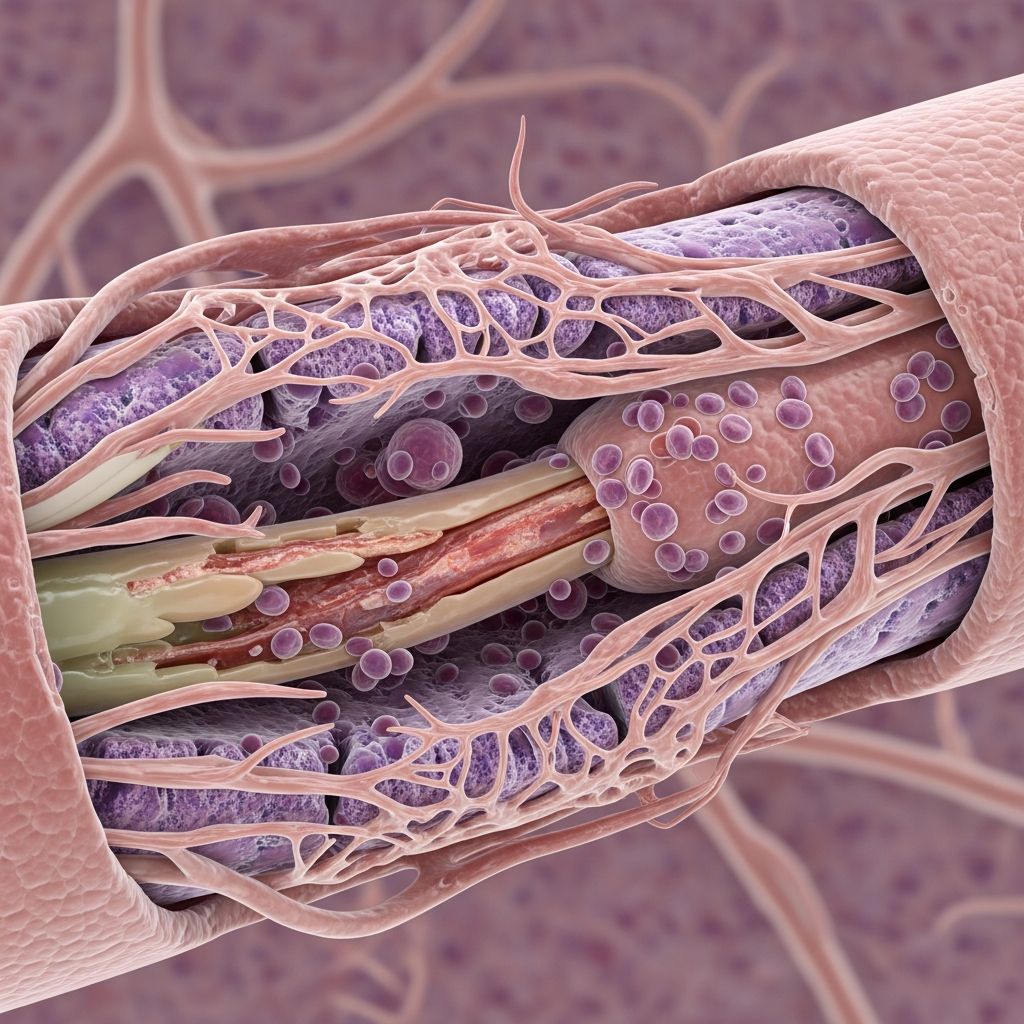
Chronic inflammatory demyelinating polyradiculoneuropathy, commonly known as CIDP, is a rare autoimmune disorder that affects the peripheral nervous system. This neurological condition is characterized by progressive weakness and impaired sensory function primarily in the arms and legs. CIDP occurs when the body’s immune system attacks the myelin sheath, the protective covering surrounding nerve fibers, leading to inflammation and damage of the peripheral nerves and nerve roots.
The condition is considered the chronic counterpart of Guillain-Barré syndrome (GBS), an acute demyelinating illness. Unlike GBS, which typically progresses over three to four weeks, CIDP develops and progresses over an extended period, with symptoms persisting for at least eight weeks. Understanding this condition is essential for patients and healthcare providers to ensure timely diagnosis and appropriate management.
What is CIDP?
CIDP is an acquired autoimmune disease in which the body’s immune system mistakenly attacks and damages the myelin sheath surrounding peripheral nerves. The myelin sheath is crucial for nerve function, as it allows nerve fibers to transmit signals rapidly at speeds of 40 to 60 meters per second. When myelin is damaged or destroyed, nerve signal transmission becomes impaired, resulting in weakness, sensory disturbances, and functional impairment.
The disease is characterized by inflammation of both nerve roots and peripheral nerves, with the inflammatory process leading to demyelination and subsequent axonal degeneration. This progressive deterioration of nerve function distinguishes CIDP from other neuropathic conditions and requires specialized medical evaluation and ongoing management.
Symptoms and Clinical Presentations
CIDP manifests with a variety of symptoms that typically develop gradually over weeks to months. The primary symptoms include progressive muscle weakness and sensory disturbances that affect multiple nerves symmetrically, usually impacting both sides of the body equally.
Primary Symptoms
The chief symptoms of CIDP include slowly progressive weakness of muscles in the hip and shoulder regions, as well as weakness affecting the hands and feet. Patients often experience the following manifestations:
- Progressive muscle weakness in the legs and arms
- Difficulty walking due to weakness or lack of feeling in the feet
- Trouble using arms, hands, or legs due to weakness
- Numbness or decreased sensation, particularly in the feet progressing to hands
- Tingling, prickling, or burning sensations
- Abnormal or incoordinated movements and loss of balance
- Reduced or absent deep tendon reflexes
Additional Symptoms
Beyond the primary symptoms, patients may experience various secondary manifestations that affect their overall quality of life. These additional symptoms include fatigue, which can be debilitating; chronic pain and burning sensations; difficulty with fine motor tasks; impaired vision including double vision; swallowing difficulties; and voice changes or slurred speech. Some patients may also experience breathing difficulties in severe cases. The severity and combination of symptoms vary significantly between individuals, reflecting the heterogeneous nature of CIDP.
Causes and Risk Factors
CIDP is an autoimmune condition, meaning the body’s immune system malfunctions and attacks the protective covering of peripheral nerves. The exact trigger for this immune dysfunction remains unclear in most cases. Unlike acute inflammatory demyelinating polyneuropathy (AIDP), the acute form of GBS, most patients with CIDP cannot identify a preceding viral or infectious illness that preceded symptom onset.
Related Stories



Research has identified various immunological mechanisms involved in CIDP pathogenesis, including autoantibodies against nerve components, particularly at the nodes of Ranvier. These autoantibodies, especially IgG3 and IgG4 subclasses, target nerve proteins including Contactin-associated protein 1 (CASPR). Additionally, abnormalities in T cell populations, including decreased regulatory and naive T cells, along with increased natural killer cell activity, contribute to the inflammatory process. The disorder can be monophasic, relapsing, or progressive in nature, with disease course varying considerably among affected individuals.
Diagnosis of CIDP
Accurate diagnosis of CIDP requires a comprehensive evaluation combining clinical history, physical examination, and specialized diagnostic tests. The diagnosis is established when symptoms persist for at least eight weeks and demonstrate a progressive or relapsing pattern.
Clinical Evaluation
Physicians begin with a thorough patient history, inquiring about symptom onset, progression pattern, family history of neurological disorders, and prior illnesses. The physical examination focuses on identifying symmetric weakness patterns, assessing sensory function, and evaluating reflexes. Weakness affecting both proximal and distal muscles symmetrically is highly suggestive of CIDP.
Electrodiagnostic Studies
Electrodiagnostic testing is the primary basis for CIDP diagnosis. Nerve conduction studies reveal characteristic patterns of demyelination, including slowed conduction velocity, prolonged distal latencies, and conduction blocks. These abnormalities reflect the underlying demyelinating process affecting peripheral nerves.
Imaging Studies
Magnetic resonance imaging (MRI) can demonstrate proximal nerve or root enlargement and gadolinium enhancement, indicating active inflammation and demyelination in the brachial plexus or cauda equina regions. MRI findings support the diagnostic impression and help rule out alternative diagnoses.
Additional Testing
Cerebrospinal fluid (CSF) analysis may show elevated protein levels without significant cell count elevation, a pattern termed albuminocytologic dissociation. While not specific to CIDP, this finding supports the diagnosis when combined with clinical and electrodiagnostic findings. In some cases, nerve biopsy may reveal demyelination and remyelination with characteristic onion bulb formations, though this is typically reserved for cases with diagnostic uncertainty.
Variants of CIDP
CIDP presents in various clinical forms, with typical presentations and several atypical variants. Typical CIDP accounts for approximately 50 to 60 percent of all cases and involves symmetric weakness affecting both proximal and distal muscles.
Atypical CIDP Variants
- Multifocal Acquired Demyelinating Sensory and Motor Neuropathy (MADSAM): Also known as Lewis-Sumner syndrome, this variant features asymmetric deficits affecting individual nerves. It accounts for 6 to 15 percent of CIDP cases and characteristically shows conduction blocks on electrodiagnostic testing.
- Distal Acquired Demyelinating Symmetric (DADS) Neuropathy: This variant presents with length-dependent symmetric sensory or sensorimotor symptoms limited to distal regions, often associated with an IgM paraprotein.
- Pure Sensory Variants: Patients with this presentation have imbalance and incoordination but demonstrate no measurable muscle weakness, though they display typical CIDP abnormalities on nerve conduction studies and respond to CIDP-specific treatments.
- Distal Variant: Sensory and motor deficits in this form do not involve proximal arms and legs, affecting only distal extremities.
Treatment Options
CIDP is a treatable condition, with several therapeutic approaches available to manage symptoms and modify disease progression. Treatment selection depends on individual disease severity, pattern of progression, and response to initial therapy.
Immunosuppressive Therapies
Intravenous immunoglobulin (IVIG) represents a primary treatment option, providing temporary immune system modulation. Plasmapheresis, which removes antibodies from the bloodstream, offers another therapeutic approach. Corticosteroids, including prednisone or other oral agents, help suppress immune system activity and reduce inflammation affecting peripheral nerves.
Long-term Management
For chronic disease management, immunosuppressive agents such as azathioprine, mycophenolate mofetil, or cyclophosphamide may be employed to maintain long-term disease control and reduce relapse frequency. These medications require careful monitoring for potential side effects and require ongoing medical supervision.
Supportive Care
Beyond disease-modifying treatments, comprehensive care includes physical and occupational therapy to maintain muscle strength and functional abilities. Pain management strategies, including medications for neuropathic pain, help address discomfort. Orthotic devices and assistive aids enhance mobility and safety, while psychological support addresses the emotional and social impacts of chronic illness.
Disease Course and Prognosis
CIDP exhibits variable disease courses among affected individuals. Approximately one-third of patients experience a relapsing-remitting pattern, with periods of symptom improvement alternating with relapses requiring intensified treatment. Other patients follow a steadily progressive course with gradual worsening of symptoms over time. A smaller percentage achieve disease stabilization with appropriate treatment.
The condition is treatable and often responsive to immunomodulatory therapies, but treatment is typically ongoing and may require adjustment based on treatment response. Unlike acute GBS, which usually improves spontaneously over months, CIDP generally does not improve without active treatment. Early diagnosis and initiation of appropriate therapy significantly improve outcomes and reduce permanent nerve damage.
Living with CIDP
Patients with CIDP require ongoing medical care and monitoring to ensure optimal disease control and early detection of treatment complications. Regular follow-up appointments with neurologists experienced in managing CIDP are essential. Patients should maintain detailed records of symptom progression and treatment response to facilitate clinical decision-making.
Lifestyle modifications, including energy conservation techniques, fall prevention strategies, and appropriate exercise within individual limitations, help maintain quality of life. Participation in patient support groups provides valuable emotional support and practical information from others with similar experiences. Family education about the condition and its management supports a comprehensive care approach benefiting both patients and their caregivers.
Frequently Asked Questions
Q: Is CIDP hereditary or genetic?
A: No, CIDP is an acquired autoimmune condition, not a hereditary disease. While some genetic factors may predispose individuals to autoimmune conditions, CIDP is not directly inherited from parents to children. The immune system dysfunction develops during a person’s lifetime rather than being present from birth.
Q: Can CIDP be cured?
A: Currently, there is no cure for CIDP, but the condition is highly treatable. With appropriate immunomodulatory therapy, many patients achieve significant symptom improvement and disease stability. Treatment typically requires ongoing management, as discontinuation often leads to symptom recurrence or relapse.
Q: How long does it take to diagnose CIDP?
A: CIDP diagnosis requires symptoms persisting for at least eight weeks, which may mean several months elapse before diagnosis is confirmed. However, once eight weeks have passed and characteristic diagnostic findings are present, diagnosis can be established relatively quickly with appropriate testing.
Q: What is the difference between CIDP and Guillain-Barré Syndrome?
A: While CIDP and GBS both involve immune-mediated demyelination of peripheral nerves, they differ significantly in onset and course. GBS develops rapidly over three to four weeks, reaches a plateau, and usually improves spontaneously over months without recurring. CIDP develops more slowly over at least eight weeks, typically requires ongoing treatment, and may relapse without continued therapy.
Q: Does CIDP affect life expectancy?
A: CIDP typically does not significantly reduce life expectancy. However, severe cases affecting respiratory muscles or requiring intensive treatments may carry greater risks. With appropriate medical management and monitoring, most individuals with CIDP maintain normal life expectancy while managing chronic disease.
Q: Can CIDP cause permanent disability?
A: Without treatment, CIDP can progress to severe disability. However, early diagnosis and appropriate treatment significantly reduce the risk of permanent nerve damage and disability. Some patients may experience residual weakness or sensory changes, but many achieve substantial functional recovery with effective management.
References
- Chronic Inflammatory Demyelinating Polyneuropathy (CIDP) — Cleveland Clinic. 2024. https://my.clevelandclinic.org/health/diseases/cidp-chronic-inflammatory-demyelinating-polyradiculoneuropathy
- Chronic Inflammatory Demyelinating Polyneuropathy — National Organization for Rare Disorders (NORD). 2024. https://rarediseases.org/rare-diseases/chronic-inflammatory-demyelinating-polyradiculoneuropathy/
- Chronic Inflammatory Demyelinating Polyradiculoneuropathy — National Center for Biotechnology Information (NCBI). 2024. https://www.ncbi.nlm.nih.gov/books/NBK563249/
- Chronic Inflammatory Demyelinating Polyneuropathy — Mount Sinai Health System. 2024. https://www.mountsinai.org/health-library/diseases-conditions/chronic-inflammatory-demyelinating-polyneuropathy
- GBS and CIDP: What You Need to Know — GBS/CIDP Foundation International. 2024. https://www.gbs-cidp.org/cidp/
Similar Articles








Read full bio of Sneha Tete