Chronic Kidney Disease: Causes, Stages, and Management
Understanding chronic kidney disease: diagnosis, stages, complications, and evidence-based treatment strategies.
Understanding Chronic Kidney Disease
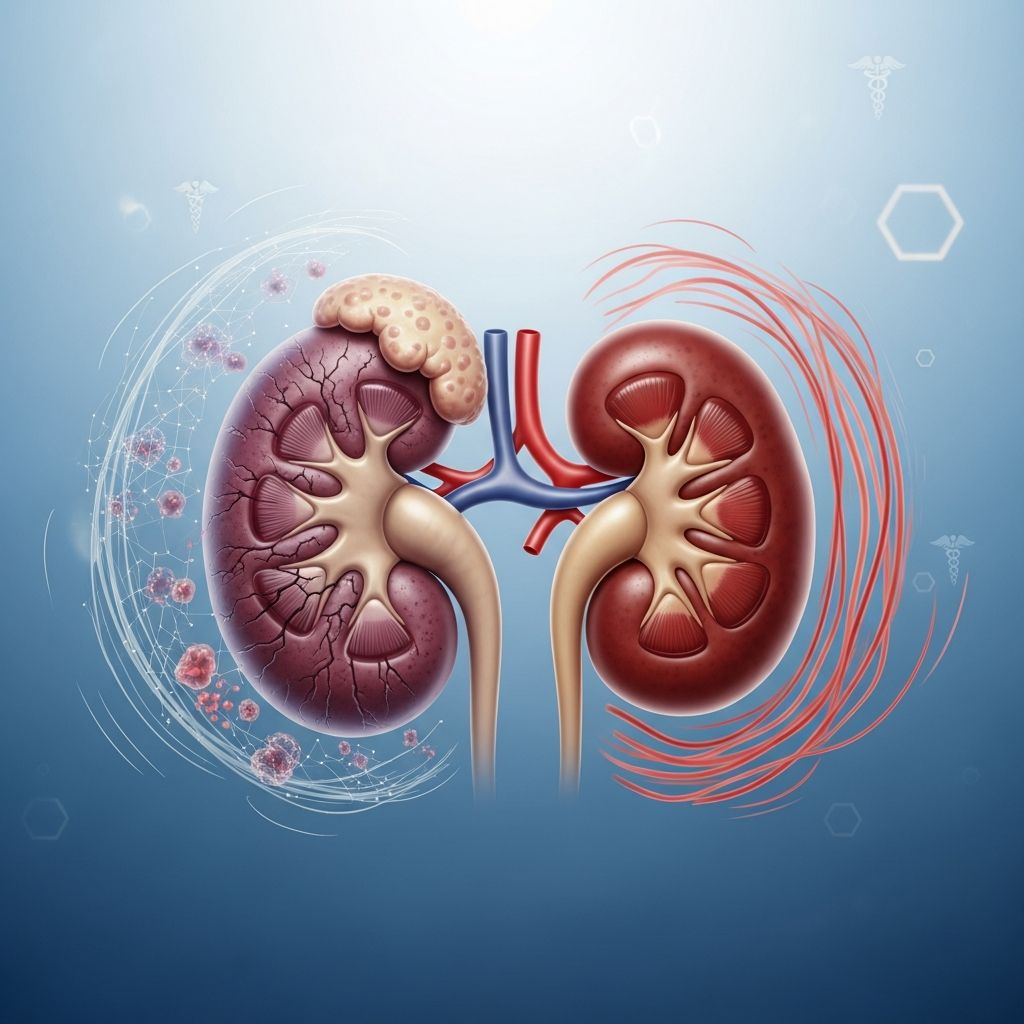
Chronic kidney disease (CKD) is a serious health condition affecting millions of people worldwide. It represents the 16th leading cause of years of life lost globally and affects between 8% to 16% of the population worldwide, making it a significant public health concern. The condition is defined as a persistent abnormality in kidney structure or function lasting more than three months. This abnormality may include a glomerular filtration rate (GFR) of less than 60 mL/min/1.73 m² or albuminuria (protein in urine) of at least 30 mg per 24 hours.
The kidneys are vital organs responsible for filtering blood, removing waste products, maintaining electrolyte balance, and regulating blood pressure. When kidney function declines, these essential processes are compromised, leading to various health complications. Early detection and appropriate management are critical to preventing progression to end-stage kidney disease and reducing associated health risks.
Risk Factors and Causes of Chronic Kidney Disease
Multiple factors contribute to the development of chronic kidney disease. Understanding these risk factors is essential for prevention and early detection.
Primary causes of CKD include:
- Diabetes: The leading cause of chronic kidney disease, accounting for a substantial portion of cases
- High blood pressure: The second most common cause, which damages kidney blood vessels over time
- Glomerulonephritis: Inflammation of the kidney’s filtering units
- Polycystic kidney disease: An inherited disorder causing cysts in the kidneys
- Chronic urinary tract obstructions: Blockages preventing proper urine flow
- Repeated kidney infections: Chronic pyelonephritis damaging kidney tissue
Risk groups requiring screening include:
- Individuals over age 65
- People with a history of acute kidney injury
- Those struggling with obesity
- Individuals with family history of kidney disease
- African Americans, who face 3-4 times higher risk of end-stage renal disease
Stages of Chronic Kidney Disease
Chronic kidney disease is classified into five stages based on glomerular filtration rate (GFR), which measures how effectively the kidneys filter waste from the blood. Understanding your stage helps determine treatment needs and monitoring frequency.
| Stage | GFR Range | Kidney Function | Primary Focus |
|---|---|---|---|
| Stage 1 | >90 mL/min/1.73 m² | Normal kidney function | Monitor for complications and manage risk factors |
| Stage 2 | 60-89 mL/min/1.73 m² | Mildly decreased function | Manage risk factors and slow progression |
| Stage 3a | 45-59 mL/min/1.73 m² | Mildly to moderately decreased | Monitor more frequently, manage complications |
| Stage 3b | 30-44 mL/min/1.73 m² | Moderately decreased | Intensive management and specialist referral |
| Stage 4 | 15-29 mL/min/1.73 m² | Severely decreased | Prepare for kidney replacement therapy |
| Stage 5 | <15 mL/min/1.73 m² | Kidney failure | Dialysis or kidney transplant required |
Symptoms and Clinical Presentation
Many people with early-stage chronic kidney disease experience no symptoms, which is why routine screening is important. However, as the condition progresses, symptoms become more apparent.
Early stage symptoms may include:
- Foamy urine (indicating albuminuria)
- Gross hematuria (blood in urine)
- Nocturia (frequent urination at night)
- Flank pain
- Decreased urine output
Advanced CKD symptoms include:
- Persistent fatigue and weakness
- Poor appetite and metallic taste
- Nausea and vomiting
- Unintentional weight loss
- Itching (pruritus)
- Changes in mental status and difficulty concentrating
- Shortness of breath (dyspnea)
- Peripheral edema (swelling in feet and ankles)
Diagnosis and Testing
Chronic kidney disease is typically identified through routine screening with serum chemistry profile and urine studies, though it may also be discovered as an incidental finding during evaluation for other conditions. Accurate diagnosis is essential for proper staging and treatment planning.
Related Stories



Key diagnostic tests include:
- Serum creatinine: Measures creatinine levels to calculate GFR
- Glomerular Filtration Rate (GFR): The primary measure of kidney function
- Urinalysis: Detects protein, blood, or other abnormalities in urine
- Urine albumin-to-creatinine ratio (UACR): Measures protein excretion
- Blood pressure monitoring: Identifies hypertension contributing to kidney damage
- Imaging studies: Ultrasound or CT scans to assess kidney structure
- Kidney biopsy: Sometimes needed to determine the cause of kidney disease
Once CKD is established, the KDIGO guidelines recommend monitoring eGFR and albuminuria at least annually. For patients at high risk, these measures should be monitored at least twice per year, while patients at very high risk require monitoring at least three times per year.
Complications of Chronic Kidney Disease
As kidney disease progresses, various serious complications can develop, affecting multiple body systems. Understanding these complications helps guide treatment decisions.
Cardiovascular complications: Individuals with kidney disease face higher incidence of heart and blood vessel problems, with increased risk of cardiac events, stroke, and circulation problems. This increased risk stems from both overlapping risk factors like diabetes and hypertension, as well as kidney disease itself.
Anemia: Diseased kidneys cannot produce adequate erythropoietin, leading to low red blood cell counts. Medications such as iron supplements or erythropoietin replacement therapy can help increase hemoglobin levels to 10-11 g/dL.
Bone and mineral disorders: As kidney disease advances, calcium levels drop while phosphorus levels rise, causing bone damage and increased fracture risk. These mineral imbalances require careful management through dietary modifications and medications.
Electrolyte abnormalities: Hyperkalemia (high potassium) can develop as kidneys lose their ability to regulate potassium levels, potentially causing dangerous heart rhythm disturbances.
Metabolic acidosis: Kidneys fail to eliminate excess acid, disrupting the body’s pH balance and causing muscle weakness and bone loss.
Other complications: Malnutrition, depression, and progressive kidney failure may also occur as kidney disease advances.
Management and Treatment Strategies
Effective management of chronic kidney disease requires a comprehensive approach targeting underlying causes and preventing progression. Treatment plans are individualized based on each patient’s specific risk factors and complications.
Medication management includes two categories:
1. Medications treating risk factors: These address conditions that accelerate kidney damage, including blood pressure medications and diabetes medications as essential components of the kidney treatment plan.
2. Medications managing complications: These address specific complications that develop, such as iron or erythropoietin for anemia, medications for bone-mineral disorders, and potassium-binding agents for hyperkalemia.
Lifestyle modifications are critical:
- Following a kidney-friendly diet low in sodium, potassium, and phosphorus
- Maintaining healthy blood pressure through medication and lifestyle changes
- Controlling blood sugar if diabetic
- Limiting fluid intake as kidney function declines
- Avoiding nephrotoxic substances and medications
- Maintaining healthy weight through regular exercise
- Stopping smoking and limiting alcohol consumption
Cardiovascular risk reduction: Managing blood pressure to target levels, controlling lipids, and reducing cardiovascular risk factors are essential components of CKD management to prevent heart disease and stroke.
Albuminuria treatment: Angiotensin-converting enzyme (ACE) inhibitors or angiotensin receptor blockers (ARBs) reduce proteinuria and slow CKD progression.
Monitoring and follow-up: Regular lab work, blood pressure checks, and clinical assessments help track kidney function and guide treatment adjustments.
Prevention and Early Detection
Prevention of chronic kidney disease begins with managing modifiable risk factors. Regular screening is particularly important for individuals at high risk, including those with diabetes, hypertension, obesity, family history of kidney disease, or advanced age.
Early detection allows for timely intervention to slow disease progression. Diagnosis, staging, and appropriate referral of CKD by primary care clinicians are important in reducing the burden of CKD worldwide. Simple blood and urine tests can identify kidney disease before significant damage occurs, enabling preventive measures and early treatment.
Living with Chronic Kidney Disease
Successfully managing chronic kidney disease requires ongoing collaboration between patients and healthcare providers. Understanding your kidney disease stage, knowing your GFR and albumin levels, and adhering to treatment plans are essential for optimal outcomes.
Over one-half of the U.S. population will develop chronic kidney disease during their lifetime, making it a common condition. However, with appropriate management and lifestyle modifications, disease progression can be slowed significantly, preserving kidney function and improving quality of life.
Regular follow-up appointments, medication compliance, dietary adherence, and lifestyle modifications form the foundation of successful CKD management. Patients should work closely with their healthcare team to adjust treatment plans as needed and address any emerging complications promptly.
Frequently Asked Questions
Q: What is the difference between chronic kidney disease and acute kidney injury?
A: Acute kidney injury involves a sudden change in kidney function occurring within 2-7 days, while chronic kidney disease represents persistent kidney damage lasting more than three months. If the duration of kidney disease is unclear, repeat assessments should be performed to distinguish between these conditions.
Q: Can chronic kidney disease be reversed?
A: While CKD cannot be completely reversed, appropriate management can slow progression significantly. Early detection and treatment are key to preserving remaining kidney function and preventing advancement to end-stage kidney disease.
Q: How often should I have my kidney function monitored?
A: Monitoring frequency depends on your CKD stage and risk level. Generally, patients should have eGFR and albuminuria monitored at least annually, though high-risk patients need monitoring twice yearly, and very high-risk patients require monitoring three times per year.
Q: What dietary changes are recommended for CKD?
A: A kidney-friendly diet typically includes limiting sodium intake, controlling potassium and phosphorus levels, managing protein consumption based on your stage, and limiting fluid intake as kidney function declines. A healthcare provider or renal dietitian can provide specific recommendations.
Q: Why are African Americans at higher risk for kidney disease?
A: African Americans face 3-4 times higher risk of end-stage renal disease due to multiple factors including genetic variants like APOL1 that confer higher risk, higher prevalence of diabetes and hypertension, and various socioeconomic factors affecting access to healthcare and disease management.
References
- Chronic Kidney Disease Diagnosis and Management: A Review — National Institutes of Health, National Center for Biotechnology Information. 2020. https://pmc.ncbi.nlm.nih.gov/articles/PMC7015670/
- Kidney Disease Research — Johns Hopkins Bloomberg School of Public Health, Welch Center for Prevention, Epidemiology and Clinical Research. 2024. https://publichealth.jhu.edu/welch-center-for-prevention-epidemiology-and-clinical-research/our-research/research-areas/kidney-disease
- ABCs of Kidney Disease – Complications of Kidney Disease — Johns Hopkins Medicine. 2023. https://www.youtube.com/watch?v=IywrAwCo_i0
- ABCs of Kidney Disease – Management of Chronic Kidney Disease — Johns Hopkins Medicine. 2023. https://www.youtube.com/watch?v=UloLVGxzNt4
- Diagnosis and Staging of Kidney Disease — Johns Hopkins Medicine. 2023. https://www.youtube.com/watch?v=qQCXckiWJto
Similar Articles








Read full bio of Sneha Tete