Chronic Kidney Disease: How to Keep Your Kidneys Healthy
Learn proven strategies to prevent and manage chronic kidney disease through diet, exercise, and lifestyle changes for optimal kidney health.
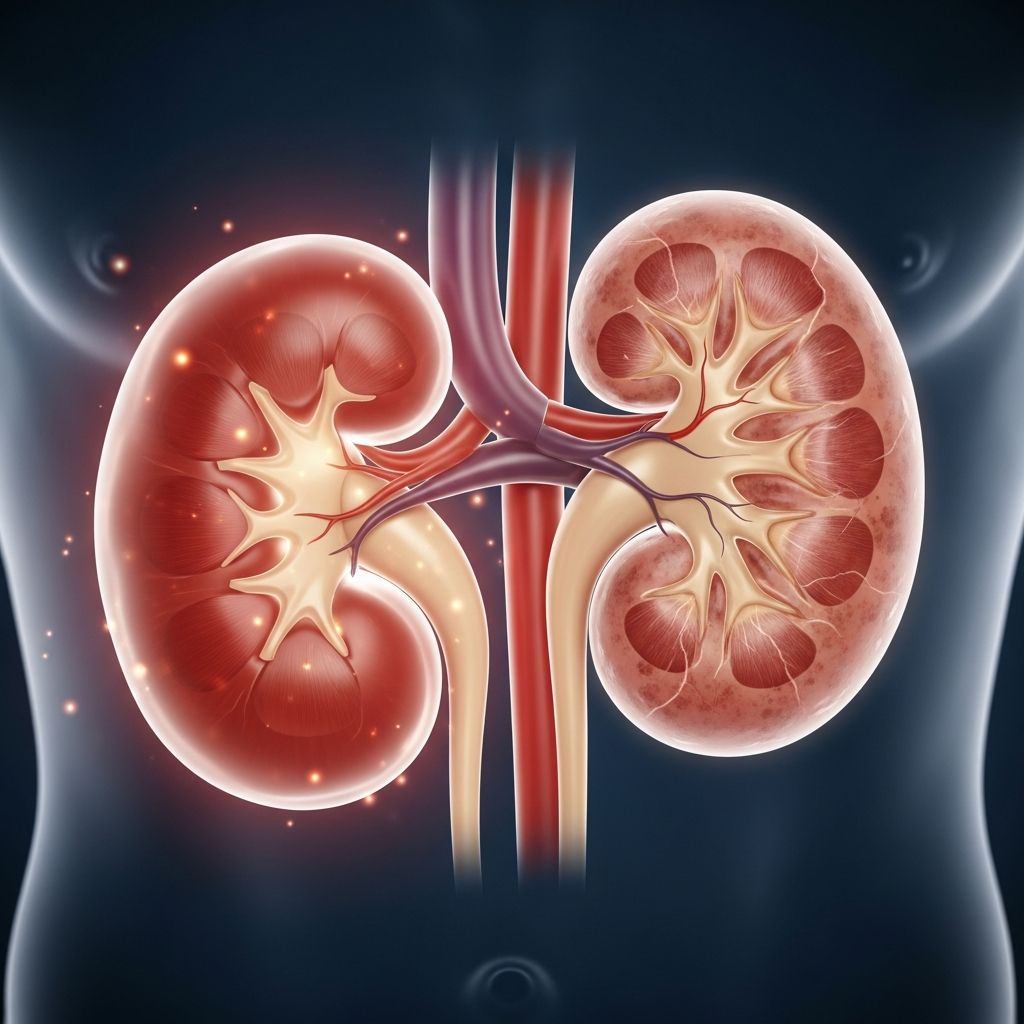
Your kidneys play a vital role in filtering waste from your blood, regulating blood pressure, and maintaining overall fluid balance in the body. Chronic kidney disease (CKD) occurs when kidney function declines over time, often due to unmanaged conditions like diabetes or high blood pressure. Early prevention through lifestyle changes can significantly slow progression and preserve kidney health.
Maintaining healthy kidneys involves a multifaceted approach: adopting a nutrient-focused diet, staying physically active, controlling risk factors, and avoiding harmful substances. This guide outlines evidence-based strategies drawn from authoritative health organizations to help you protect your kidneys effectively.
What Is Chronic Kidney Disease?
Chronic kidney disease is a progressive condition where the kidneys gradually lose their ability to filter blood effectively, leading to waste buildup and potential complications like anemia, bone disease, and cardiovascular issues. It is typically staged from 1 to 5 based on glomerular filtration rate (GFR), with stage 5 indicating end-stage renal disease requiring dialysis or transplant.
Common causes include diabetes, hypertension, glomerulonephritis, and polycystic kidney disease. Risk factors encompass obesity, smoking, family history, and age over 60. Early detection via routine urine and blood tests is crucial, as CKD often presents no symptoms until advanced stages. According to the CDC, about 1 in 7 adults in the U.S. has CKD, underscoring the need for proactive prevention.
Preventing CKD: Key Strategies
Prevention focuses on modifiable risk factors. Lifestyle interventions can reduce CKD incidence by up to 30% in high-risk populations. Core strategies include:
- Control blood pressure: Aim for below 140/90 mm Hg, ideally lower for those with diabetes. Regular monitoring and medications like ACE inhibitors or ARBs protect kidneys.
- Manage diabetes: Keep blood sugar targets met, with A1C tested 2-4 times yearly. Consistent glucose control prevents diabetic nephropathy.
- Maintain healthy weight: Lose excess weight through diet and exercise to reduce obesity-related kidney strain.
- Quit smoking: Tobacco damages blood vessels, accelerating CKD progression.
- Regular screenings: Annual urine tests for albumin and eGFR checks detect issues early.
Diet Tips for Kidney Health
A kidney-friendly diet emphasizes low sodium, controlled protein, and nutrient balance to ease kidney workload. Limit sodium to under 2,300 mg daily, preferably 2,000 mg, to manage blood pressure.
Key dietary recommendations:
- Choose fresh fruits and vegetables: Aim for 5+ portions daily for anti-inflammatory benefits and fiber.
- Incorporate whole grains: Opt for brown rice, oats, and whole wheat over refined carbs.
- Limit protein: For CKD stages 3-4, restrict to 0.6-0.8 g/kg body weight daily; prioritize plant-based sources to reduce acid load.
- Reduce processed foods: Avoid hidden sodium, phosphorus, and potassium in canned goods and fast food.
- Plant-based focus: These diets lower inflammation, aid weight control, and improve blood glucose.
| Nutrient | Daily Limit (General) | CKD Stages 3-4 | Food Examples |
|---|---|---|---|
| Sodium | <2,300 mg | <2,000 mg | Fresh herbs over salt; limit canned soups |
| Protein | Normal | 0.6-0.8 g/kg | Beans, lentils, lean fish |
| Potassium (if high) | Monitor | Restricted | Apples, berries vs. bananas |
| Phosphorus | Monitor | Restricted | Fresh dairy vs. processed cheese |
Related Stories



Work with a registered dietitian for personalized plans, such as the DASH diet, which supports blood pressure control and kidney protection. Hydration is key—drink adequate water unless fluid-restricted.
Exercise and Physical Activity
Regular exercise improves cardiovascular health, controls weight, and supports kidney function. Aim for at least 150 minutes of moderate-intensity aerobic activity weekly, plus resistance training 2+ days.
- Moderate activities: Brisk walking, cycling, swimming—avoid overexertion to prevent dehydration.
- Strength training: Builds muscle to combat sarcopenia, common in CKD.
- Tips: Start slow if sedentary; ensure hydration during endurance activities to avoid rhabdomyolysis.
Physical activity helps regulate blood sugar and pressure, directly benefiting kidneys.
Managing Risk Factors
Addressing comorbidities is paramount. For diabetes, frequent A1C monitoring and medication adherence are essential. Hypertension management includes lifestyle plus drugs like ACE inhibitors, which offer kidney protection.
Other factors:
- Cholesterol control: Stay in target range to prevent vascular damage.
- Sleep: 7-8 hours nightly supports overall metabolic health.
- Alcohol: Limit to reduce blood pressure risk.
Avoiding Nephrotoxic Substances
Minimize kidney harm by limiting NSAIDs (e.g., ibuprofen), which can cause acute injury with frequent use. Adjust medications for reduced renal function and avoid toxins like heavy metals.
Vaccinations are critical: Annual flu shots and pneumococcal vaccines for CKD patients reduce infection risks.
Stages of CKD and Management
Early stages (1-3) emphasize lifestyle and risk factor control. Advanced stages (4-5) may require anemia treatment, electrolyte management, dialysis, or transplant.
| Stage | eGFR (mL/min) | Focus |
|---|---|---|
| 1-2 | >60 | Prevention, monitor risks |
| 3 | 30-59 | Diet, exercise, meds |
| 4 | 15-29 | Prepare for dialysis/transplant |
| 5 | <15 | Dialysis or transplant |
Frequently Asked Questions (FAQs)
Q: Can lifestyle changes reverse CKD?
A: Early stages may stabilize or improve with strict management, but advanced damage is irreversible; focus on slowing progression.
Q: How much water should I drink for kidney health?
A: 8-10 cups daily for most, but consult a doctor if you have fluid restrictions in later CKD stages.
Q: Is a low-protein diet safe long-term?
A: Yes, with monitoring to prevent malnutrition; combine with adequate calories and resistance exercise.
Q: What fruits are kidney-friendly?
A: Apples, berries, grapes—low in potassium; avoid high-potassium options like oranges if restricted.
Q: How often should I get kidney function tests?
A: Annually if at risk; more frequently if diagnosed with CKD.
Working with Healthcare Professionals
Collaborate with nephrologists, dietitians, and primary care providers for tailored plans. Regular check-ups ensure timely interventions.
Adopting these habits not only safeguards kidneys but enhances overall well-being. Start small, track progress, and seek support for lasting change.
References
- Chronic Kidney Disease: Prevention, Diagnosis, and Treatment — American Academy of Family Physicians. 2023-12-01. https://www.aafp.org/pubs/afp/issues/2023/1200/chronic-kidney-disease.html
- Chronic Kidney Disease Prevention (CKD) Fact Sheet — Maryland Department of Health. Accessed 2026. https://health.maryland.gov/phpa/ccdb/Pages/Chronic-Kidney-Disease-Prevention-(CKD)-Fact-Sheet.aspx
- Preventing Chronic Kidney Disease — Centers for Disease Control and Prevention. Accessed 2026. https://www.cdc.gov/kidney-disease/prevention/index.html
- How to Protect Your Kidneys and Prevent Chronic Kidney Disease — Metropolitan Kidney Centers. Accessed 2026. https://www.metropolitankidney.com/kidney-health-101-how-to-protect-your-kidneys-and-prevent-chronic-kidney-disease
- Preventing Chronic Kidney Disease — National Institute of Diabetes and Digestive and Kidney Diseases. Accessed 2026. https://www.niddk.nih.gov/health-information/kidney-disease/chronic-kidney-disease-ckd/prevention
- Chronic kidney disease – Prevention — National Health Service (NHS). Accessed 2026. https://www.nhs.uk/conditions/kidney-disease/prevention/
Similar Articles








Read full bio of medha deb