Chronic Migraine: Causes, Symptoms & Treatment
Understanding chronic migraine: symptoms, triggers, diagnosis, and effective treatment options.
What Is Chronic Migraine?
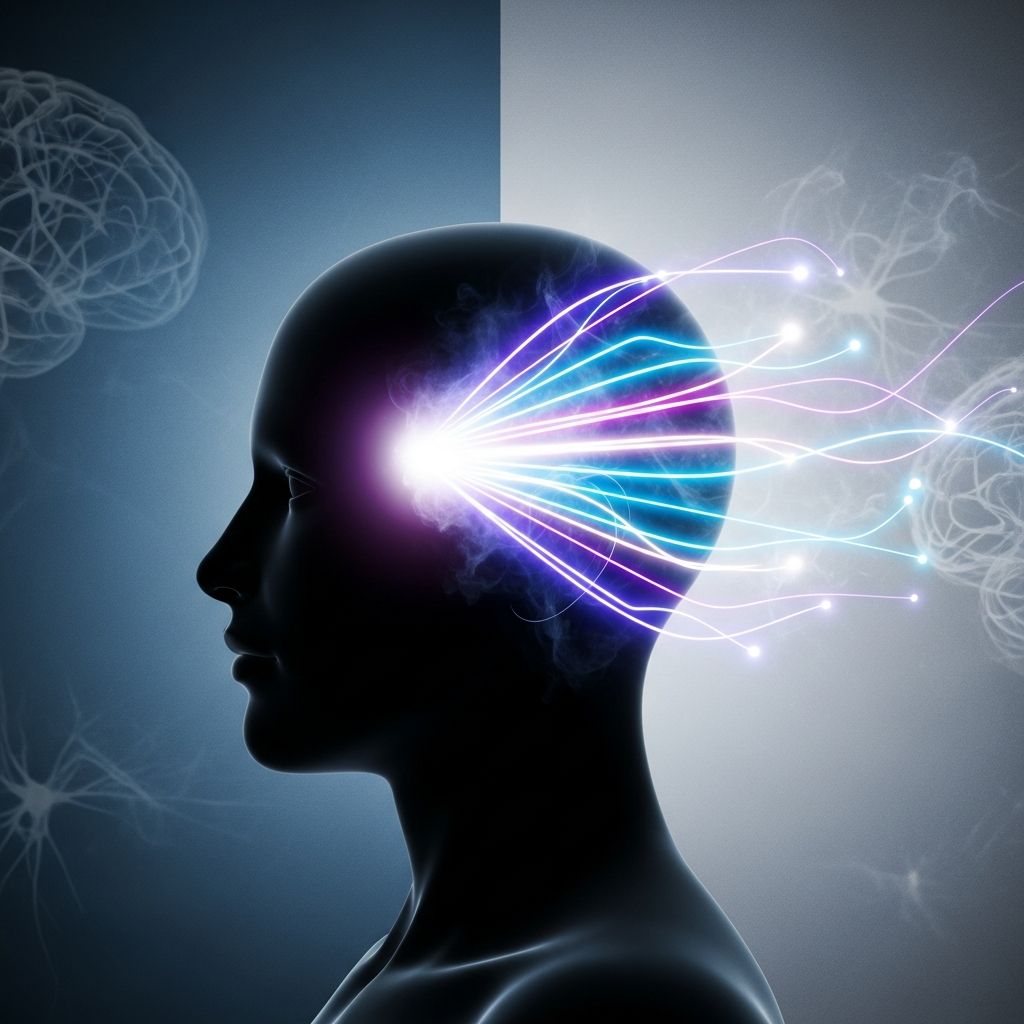
Chronic migraine is a neurological condition defined by frequent or long-lasting episodes of headaches and migraines. Unlike occasional migraines, chronic migraine involves having headaches on at least 15 days per month for three consecutive months, with at least eight of those days meeting the criteria for a migraine. This condition is more than just having severe headaches; it can make daily life extremely difficult, often requiring individuals to retreat to a dark, quiet room until the symptoms subside.
Symptoms of Chronic Migraine
The symptoms of chronic migraine can vary from person to person and may shift daily or even hour by hour. Common symptoms include:
- Severe, throbbing head pain, often on one side
- Nausea and vomiting
- Sensitivity to light and sound
- Visual disturbances (aura)
- Dizziness
- Fatigue
- Difficulty concentrating
Types of Migraine
Migraine Without Aura
Migraine without aura is the most common type. The headache phase must last between four hours and 72 hours and meet at least two of the following criteria:
- Throbbing or pulsating pain
- Moderate to severe pain intensity
- Pain worsened by physical activity
- Associated with nausea and/or vomiting
- Associated with sensitivity to light and sound
Migraine With Aura
Migraine with aura involves one or more of the following aura symptoms:
- Visual disturbances (flashing lights, zigzag lines, blind spots)
- Sensory disturbances (tingling or numbness)
- Speech or language disturbances
- Motor weakness
Causes and Triggers
The exact cause of chronic migraine is not fully understood, but it is believed to involve a combination of genetic, environmental, and lifestyle factors. Common triggers include:
- Stress
- Hormonal changes
- Certain foods and beverages (e.g., caffeine, alcohol, aged cheeses)
- Sleep disturbances
- Environmental factors (e.g., bright lights, loud noises)
- Medication overuse
Diagnosis
Diagnosing chronic migraine involves a thorough evaluation by a healthcare provider. This typically includes:
- A detailed medical history
- A neurological exam
- Questions about daily life, routine, and activities
- Diagnostic imaging scans (e.g., CT scan, MRI) to rule out other conditions
Complications
While chronic migraine is not usually dangerous, it can lead to complications such as:
- Increased risk of stroke and heart attack
- Medication overuse headache
- Depression and anxiety
- Reduced quality of life
Treatment Options
Treatment for chronic migraine focuses on reducing the frequency and severity of migraines, making them less disruptive and more manageable. Options include:
Preventive Medications
Preventive medications can make migraines less severe or less frequent. Common options include:
- Beta-blockers
- Antidepressants
- Anticonvulsants
- Calcitonin gene-related peptide (CGRP) monoclonal antibodies
Acute Treatments
Acute treatments are used to relieve symptoms during a migraine attack. These may include:
- NSAIDs (nonsteroidal anti-inflammatory drugs)
- Triptans
- Ergotamines
- Anti-nausea medications
Combination Therapies
Recent studies suggest that combination therapies, such as using both Botox and anti-CGRP monoclonal antibodies, may provide better relief than individual medication regimens. This approach can be particularly beneficial for patients who do not achieve sufficient relief from a single preventive therapy.
Related Stories



Medical Procedures
In some cases, medical procedures may be considered, such as:
- OnabotulinumtoxinA (Botox) injections
- Neuromodulation devices
Mental Healthcare
Mental healthcare options, such as psychotherapy, can help manage stress and anxiety, which are common contributors to migraines. Various forms of psychotherapy are available, allowing individuals to choose the method that works best for them.
Living with Chronic Migraine
Chronic migraine is a very disabling condition that can significantly impact daily life. It can disrupt work, household chores, social activities, and more. However, with proper management and treatment, many people can reduce the frequency and severity of their migraines and improve their quality of life.
When to Seek Emergency Care
It is important to seek emergency care if you experience symptoms that could indicate a life-threatening condition, such as:
- Sudden, severe headache
- Headache with fever, stiff neck, or confusion
- Headache following a head injury
- Headache with weakness, numbness, or difficulty speaking
Frequently Asked Questions (FAQs)
Q: How is chronic migraine different from episodic migraine?
A: Chronic migraine is diagnosed when a person has headaches on at least 15 days per month for three consecutive months, with at least eight of those days meeting the criteria for a migraine. Episodic migraine involves fewer headache days per month.
Q: Can chronic migraine be cured?
A: While there is no cure for chronic migraine, effective treatments can help manage symptoms and reduce the frequency and severity of attacks.
Q: What lifestyle changes can help manage chronic migraine?
A: Lifestyle changes such as maintaining a regular sleep schedule, managing stress, avoiding known triggers, and staying hydrated can help reduce the frequency and severity of migraines.
Q: Are there any new treatments for chronic migraine?
A: Yes, recent studies have shown that combination therapies, such as using both Botox and anti-CGRP monoclonal antibodies, can provide better relief than individual medication regimens.
References
- Chronic Migraine: What It Is, Causes, Symptoms & Treatment — Cleveland Clinic. https://my.clevelandclinic.org/health/diseases/9638-chronic-migraine
- New study identifies promising treatment plans for chronic migraine — Cleveland Clinic. https://www.lerner.ccf.org/news/article/?title=New+study+identifies+promising+treatment+plans+for+chronic+migraine&id=78a790720f9579bc22b381569488471470508714
- Get Headaches and Migraines Treatment | Cleveland Clinic — Cleveland Clinic. https://my.clevelandclinic.org/services/headaches-and-migraines-treatment
Similar Articles








Read full bio of Sneha Tete