Chronic Obstructive Pulmonary Disease: Symptoms And Treatment
Understand COPD: symptoms, causes, diagnosis, treatments, and self-management strategies for better lung health.
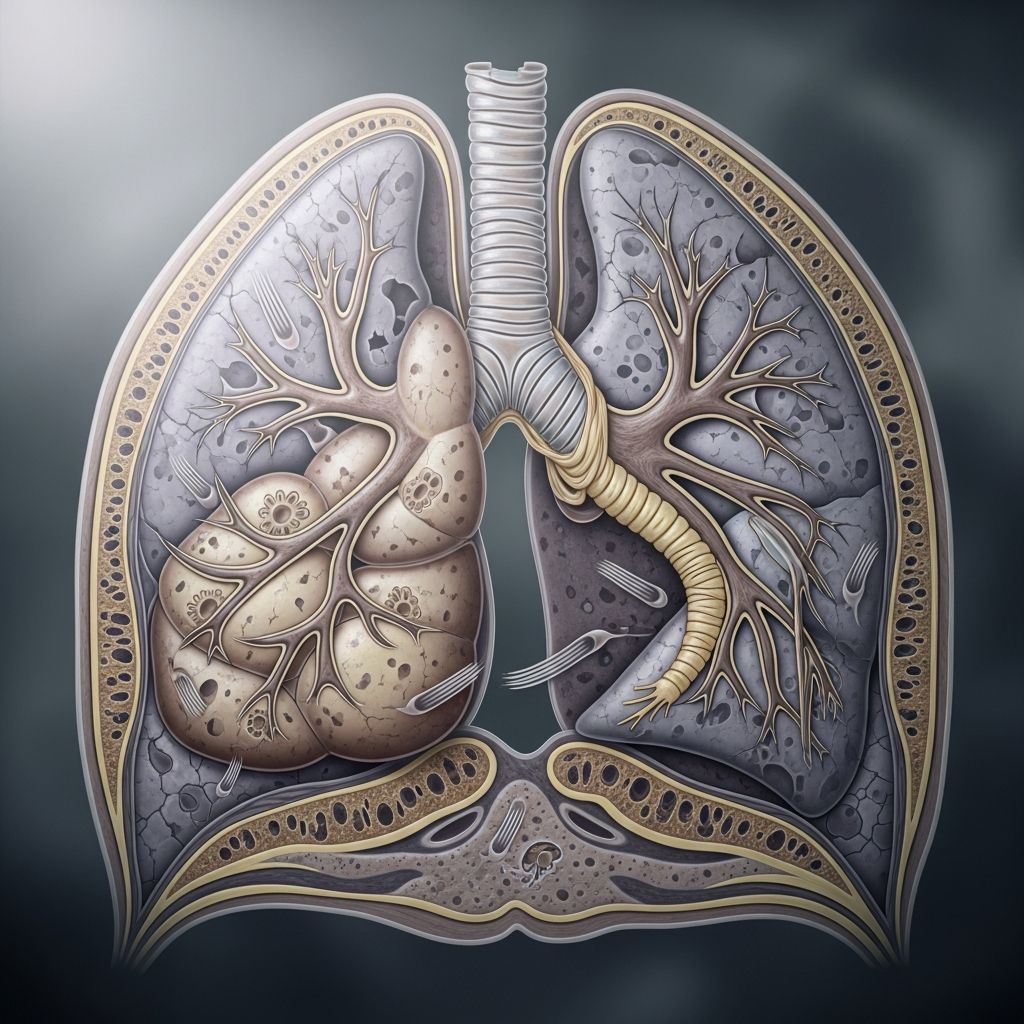
Chronic Obstructive Pulmonary Disease (COPD) is a common lung condition that causes persistent breathing difficulties due to long-term damage to the airways and lung tissue. It encompasses conditions like emphysema and chronic bronchitis, primarily resulting from prolonged exposure to irritants such as cigarette smoke.
What is COPD?
COPD, or Chronic Obstructive Pulmonary Disease, refers to a group of progressive lung diseases characterized by airflow limitation that is not fully reversible. The condition involves inflammation and narrowing of the airways, destruction of lung tissue, and excessive mucus production, making breathing increasingly difficult over time. COPD typically includes two main forms: emphysema, where the air sacs (alveoli) are damaged, leading to reduced oxygen exchange, and chronic bronchitis, involving long-term inflammation of the bronchial tubes with persistent cough and mucus.
The hallmark of COPD is obstructed airflow, measured by spirometry, where the ratio of forced expiratory volume in one second (FEV1) to forced vital capacity (FVC) is less than 0.7 after bronchodilator administration. This obstruction stems from small airway disease and emphysema, causing hyperinflation and gas exchange impairment. Globally, COPD affects over 300 million people and is a leading cause of death, yet it is largely preventable through smoking cessation and reducing exposure to pollutants.
Symptoms of COPD
The primary symptoms of COPD develop gradually and worsen over years, often going unnoticed until significant lung function is lost. The most common include:
- Shortness of breath (dyspnoea), initially during exertion but progressing to occur at rest.
- Chronic cough, which may be dry or productive of sputum, worse in the mornings.
- Wheezing, a whistling sound during breathing due to narrowed airways.
- Frequent chest infections and increased mucus production.
As COPD advances, additional symptoms emerge such as fatigue, weight loss, ankle swelling, and reduced exercise tolerance. Exacerbations—sudden worsenings of symptoms—occur frequently, triggered by infections or pollutants, leading to increased breathlessness, cough, and sputum changes, sometimes with fever. These flare-ups can last days to weeks and significantly impact quality of life, often requiring medical intervention.
Progression of COPD
COPD is a progressive disease, meaning symptoms intensify over time if underlying causes persist. Early stages may present mild breathlessness on exertion, classified as GOLD stage 1 (mild) with FEV1 ≥80% predicted. As it advances to stage 2 (moderate, FEV1 50-79%), daily activities become challenging. Severe stage 3 (FEV1 30-49%) brings persistent symptoms, while stage 4 (very severe, FEV1 <30%) may involve respiratory failure, cor pulmonale (right heart failure), and oxygen dependency.
Progression varies; smokers continue to deteriorate rapidly, while quitting slows decline. Exacerbations accelerate lung function loss, emphasizing prevention. Complications include pneumonia, pulmonary hypertension, anxiety, depression, and heightened lung cancer risk.
Causes of COPD
The predominant cause of COPD in developed countries is long-term tobacco smoking, responsible for 85-90% of cases. Each cigarette damages cilia, triggers inflammation, and promotes protease-antiprotease imbalance, leading to emphysema. Not all smokers develop COPD due to genetic and environmental modifiers.
Other key risk factors include:
- Occupational exposures to dust, chemicals, fumes (e.g., coal, grain, cadmium).
- Indoor air pollution from biomass fuel in poorly ventilated homes, common in developing countries.
- Alpha-1 antitrypsin deficiency (AATD), a genetic condition causing early-onset emphysema in non-smokers.
- Asthma, especially with smoking history, increases COPD risk.
- Outdoor pollution and secondhand smoke.
Rarely, connective tissue diseases or HIV contribute. In the UK, smoking remains the top cause, but occupational COPD affects up to 15% of cases.
Related Stories



Diagnosis of COPD
Diagnosing COPD begins with clinical history focusing on risk factors like smoking and symptoms. Physical exam may reveal prolonged expiration, wheezing, or hyperinflation signs like barrel chest.
Spirometry is the gold standard, confirming airflow obstruction (post-bronchodilator FEV1/FVC <0.7). Full lung function tests assess severity, gas transfer, and reversibility. Additional tests include:
- Chest X-ray to exclude other conditions and assess hyperinflation.
- CT scan for emphysema extent or bronchiectasis.
- Arterial blood gases for severe cases to check oxygenation and CO2 retention.
- Blood tests for AATD screening if early-onset or non-smoker.
Early diagnosis via spirometry in at-risk individuals (aged 35+, smokers/ex-smokers with symptoms) improves outcomes.
Treatment of COPD
COPD treatment aims to relieve symptoms, prevent exacerbations, and improve quality of life; it cannot reverse damage. Key strategies:
Smoking Cessation
The single most effective intervention, halting disease progression. Support includes nicotine replacement, varenicline, bupropion, and counseling. Quitters gain 2-3 years of lung function preservation.
Drug Treatments
Inhalers are cornerstone:
- Bronchodilators: Short-acting (SABA/SAMA, e.g., salbutamol, ipratropium) for relief; long-acting (LABA/LAMA, e.g., salmeterol, tiotropium) for maintenance.
- Inhaled corticosteroids (ICS) added for frequent exacerbations or asthma-COPD overlap.
- Combination inhalers (LABA/LAMA/ICS) for severe disease.
Oral treatments for exacerbations: prednisolone, antibiotics if infection suspected. Mucolytics like carbocisteine for chronic cough.
Oxygen Therapy
Long-term oxygen therapy (LTOT) for chronic hypoxemia (PaO2 <7.3 kPa) improves survival. Used 15+ hours/day.
Non-Invasive Ventilation
BiPAP for acute hypercapnic respiratory failure during exacerbations.
Pulmonary Rehabilitation
Structured exercise, education, and nutrition programs reduce breathlessness, enhance fitness, and lower exacerbation risk. Offered to most patients post-exacerbation or with exercise limitation.
Surgery
Rarely: Lung volume reduction for upper-lobe emphysema; bullectomy; lung transplant for end-stage.
Exacerbations
Exacerbations are acute worsenings increasing breathlessness, sputum volume/color, beyond daily variation. Triggers: infections (50-70%), pollution, weather. Treated with increased bronchodilators, steroids (30-40mg prednisolone 5 days), antibiotics (e.g., amoxicillin if purulent sputum). Hospitalization if severe. Prevention via vaccinations (influenza, pneumococcal), ICS in frequent exacerbators.
Living with COPD
Managing COPD involves lifestyle adaptations:
- Exercise: Regular activity like walking to build stamina; pulmonary rehab ideal.
- Diet: Balanced, high-protein if underweight; small frequent meals to ease breathing.
- Stay warm: Cold air triggers symptoms; use heaters.
- Avoid triggers: Smoke, pollutants, strong smells.
- Travel: Inform airlines for oxygen; check altitude risks.
- Sex and relationships: Positions minimizing breathlessness; communicate with partner.
Action plans guide exacerbation recognition and response.
Prevention of COPD
Primary prevention: Avoid smoking, reduce occupational exposures, improve indoor ventilation in high-risk areas. Secondary: Early spirometry screening, prompt treatment of exacerbations. Public health measures target tobacco control and pollution reduction.
Prognosis
COPD prognosis depends on severity, exacerbations, comorbidities. BODE index (Body mass, Obstruction, Dyspnoea, Exercise) predicts mortality. Median survival post-diagnosis: 3-5 years for severe cases, longer with management. Smoking cessation and rehab improve outlook.
Frequently Asked Questions (FAQs)
What is the difference between COPD and asthma?
COPD causes irreversible airflow limitation from lung damage, while asthma is often reversible with inflammation. They can overlap (ACO).
Can COPD be cured?
No, but treatments control symptoms and slow progression, especially quitting smoking.
How does smoking cause COPD?
Smoke irritates airways, causes inflammation, destroys alveoli, and impairs clearance.
When should I seek help for worsening symptoms?
If breathlessness increases, sputum changes, or fever develops—follow your action plan.
Is pulmonary rehab suitable for all COPD patients?
Yes, for most with symptoms impacting daily life; it improves endurance and mood.
References
- COPD – Symptoms and causes — Mayo Clinic. 2023-10-06. https://www.mayoclinic.org/diseases-conditions/copd/symptoms-causes/syc-20353679
- Chronic Obstructive Pulmonary Disease (COPD) — Cleveland Clinic. 2023-11-13. https://my.clevelandclinic.org/health/diseases/8709-chronic-obstructive-pulmonary-disease-copd
- Chronic Obstructive Pulmonary Disease — NCBI StatPearls. 2023-07-17. https://www.ncbi.nlm.nih.gov/books/NBK559281/
- Chronic obstructive pulmonary disease — NHS. 2023-05-18. https://www.nhs.uk/conditions/chronic-obstructive-pulmonary-disease-copd/causes/
- COPD Causes and Risk Factors — American Lung Association. 2024-01-10. https://www.lung.org/lung-health-diseases/lung-disease-lookup/copd/what-causes-copd
Similar Articles








Read full bio of Sneha Tete