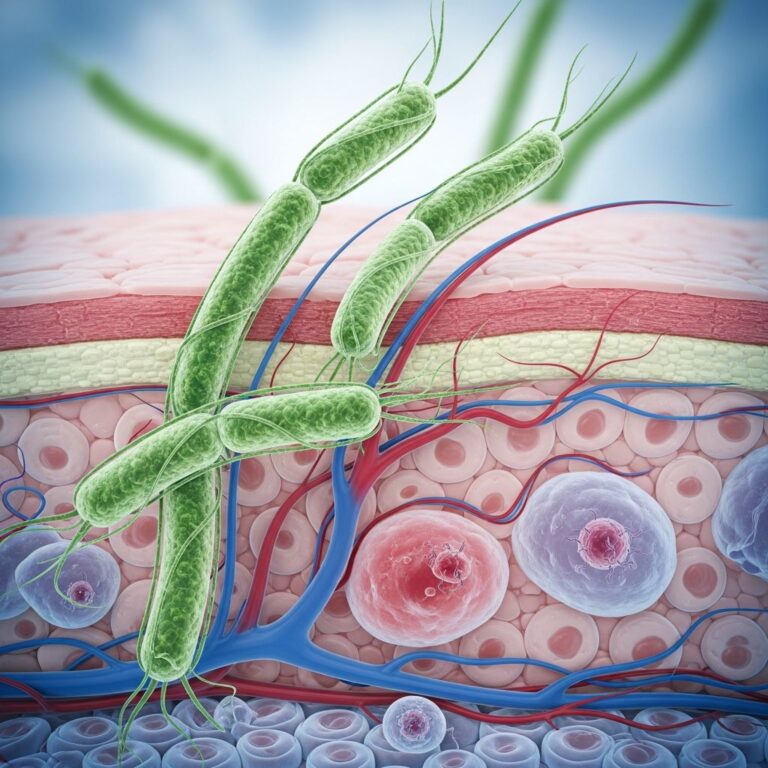
Chronic Otitis Media, Cholesteatoma & Mastoiditis
Understanding chronic ear infections, abnormal growths, and mastoid bone complications.
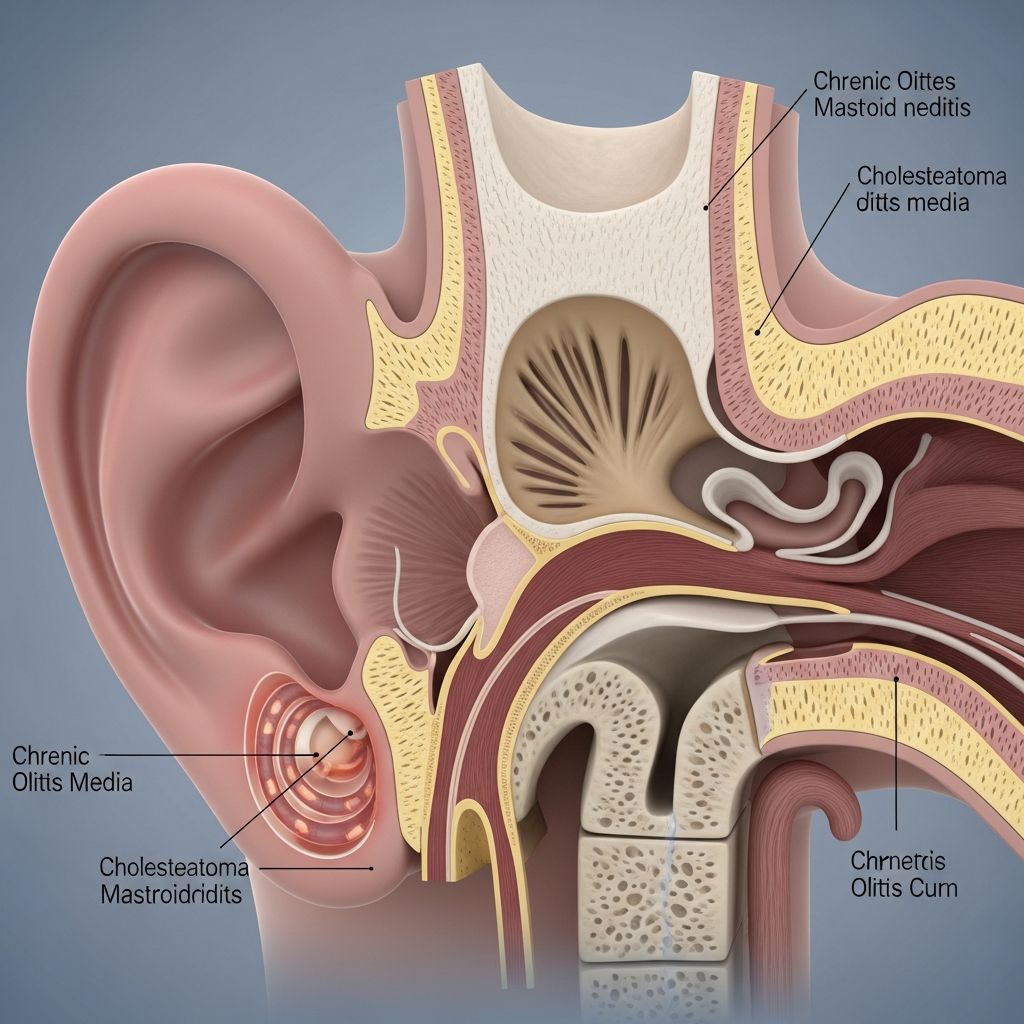
Chronic Otitis Media, Cholesteatoma, and Mastoiditis: A Comprehensive Guide
Chronic ear infections represent a significant health concern affecting millions of people worldwide. Among the most serious forms are chronic otitis media, cholesteatoma, and mastoiditis—conditions that, if left untreated, can lead to permanent hearing loss, balance disorders, and life-threatening complications. This guide provides an in-depth overview of these interconnected conditions, their causes, symptoms, and available treatment options.
Understanding Chronic Otitis Media
Chronic otitis media is a persistent inflammatory condition of the middle ear that extends beyond the typical acute infection period. Unlike acute otitis media, which develops suddenly and usually resolves with appropriate treatment, chronic otitis media involves ongoing inflammation and fluid accumulation in the middle ear space. The prevalence of this condition is substantial—it is estimated that between 0.5% to 30% of populations in various communities have chronic otitis media, affecting over 20 million people globally.
How Chronic Otitis Media Develops
The development of chronic otitis media typically follows a predictable sequence. Initially, upper respiratory tract congestion—often caused by viral infections—leads to swelling of the eustachian tube mucosa. This swelling progressively obstructs the tube at its narrowest point, the isthmus, preventing normal drainage and ventilation of the middle ear. As secretions accumulate behind this obstruction, the environment becomes conducive to bacterial infection, potentially progressing to acute otitis media. When this cycle repeats or fails to resolve completely, chronic otitis media may develop.
The eustachian tube plays a critical role in maintaining middle ear health by regulating pressure, facilitating drainage, and providing mucociliary clearance. When one or more of these functions becomes compromised, fluid and infection accumulate in the middle ear space, initiating the chronic inflammatory process.
Cholesteatoma: Formation and Complications
Cholesteatoma is an abnormal skin growth in the middle ear that consists of accumulated dead skin cells and other debris. Of the estimated 20 million people worldwide with chronic otitis media, approximately one-fourth—about 5 million—have cholesteatomas associated with their condition. This condition is particularly notable for its destructive potential and the serious complications it can cause if left untreated.
How Cholesteatoma Forms
The precise mechanism of cholesteatoma formation is not completely understood; however, poor eustachian tube function plays a central role. When the eustachian tube fails to function properly, negative pressure develops in the middle ear. This pressure difference pulls a portion of the eardrum (tympanic membrane) inward, creating a pocket or retraction pocket. Over time, this pocket fills with desquamated skin cells, cerumen, and other debris. The accumulation of these materials creates the characteristic cyst structure of a cholesteatoma.
Cholesteatomas can also form as a result of eardrum perforation due to chronic infection or trauma. Dead skin cells from the external auditory canal may migrate through the perforation into the middle ear, where they accumulate and form a cholesteatoma. While some cholesteatomas are congenital—present from birth—most develop as complications of chronic ear infections.
Related Stories



Destructive Properties of Cholesteatoma
The most concerning characteristic of cholesteatoma is its erosive power. The epithelial growth produces enzymes and inflammatory mediators including lysosomal enzymes, collagenases, and prostaglandins that actively break down bone. This destructive process affects the delicate ossicular chain—the three tiny bones (hammer, anvil, and stirrup) that transmit sound vibrations through the middle ear.
Studies demonstrate that partial or complete destruction of ossicles occurs in approximately 80% of patients with cholesteatomas, compared to only about 20% erosion rate in chronic non-cholesteatomatous otitis media. The long process of the anvil and the body of the anvil are particularly vulnerable to damage. In cholesteatomas located in areas of tension, the ossicular erosion rate reaches approximately 90%.
Beyond the ossicular chain, cholesteatomas can erode through the hardest bone in the body—the otic capsule—and damage other critical ear structures. This erosion can compromise hearing, balance mechanisms, and facial nerve function, potentially causing permanent disability if the cholesteatoma grows unchecked.
Clinical Presentation of Cholesteatoma
Patients with cholesteatoma typically present with characteristic symptoms. The most frequent complaint is otorrhea (discharge from the ear), reported in approximately 66.5% of cases. This discharge is often foul-smelling and may be bloody. Other common symptoms include hearing loss (hypoacusis), tinnitus (ringing in the ear), and combinations of these symptoms. Some patients experience vertigo or balance problems as the infection affects the inner ear structures. The presence of these symptoms in the context of chronic ear disease should raise suspicion for cholesteatoma and warrant imaging evaluation.
Mastoiditis: Infection of the Mastoid Bone
Mastoiditis occurs when a serious middle ear infection spreads into the mastoid bone, which is located behind the middle ear and contains numerous air cells. The mastoid air cells are lined with modified respiratory mucosa and connect with the middle ear antrum. When middle ear infection spreads to these air cells, it initiates a progressive inflammatory process that can become life-threatening if not promptly treated.
Pathophysiology of Mastoiditis
Mastoiditis develops through a well-described sequence of pathological changes. Initially, hyperemia and edema affect the mucosal lining of the mastoid air cells. Subsequently, serous exudate collects in the cells, which may progress to purulent (pus-filled) exudate. As pus accumulates in the confined air cell spaces, pressure on the thin bony septa (dividing walls) causes bone necrosis. When pus from multiple adjacent cells coalesces, abscess cavities form, further compromising the structural integrity of the mastoid bone.
Risk Factors and Population Groups
While the incidence of clinically significant mastoiditis has declined substantially since the introduction of antimicrobial agents, it remains an important clinical concern. Certain populations face heightened risk: older adults, diabetic patients, immunocompromised individuals, and debilitated patients are all at particular risk for developing mastoiditis and experiencing severe complications. Additionally, infants and children have a higher propensity for developing this condition, likely due to anatomical and immunological factors.
Symptoms of Acute Mastoiditis
Early manifestations of acute mastoiditis mirror those of acute otitis media—patients experience hearing loss, ear pain (otalgia), and fever. As the infection progresses, clinical signs become more pronounced: swelling, redness, and tenderness develop over the mastoid bone. The external ear (pinna) may be displaced outward and downward due to the underlying swelling. Purulent discharge may emerge through a perforation in the tympanic membrane.
Serious Complications and Life-Threatening Sequelae
When chronic otitis media, cholesteatoma, or mastoiditis progress without adequate treatment, they can cause devastating complications affecting structures far beyond the ear itself.
Bone and Brain Complications
Chronic otitis media with mastoiditis can erode through the roof of the mastoid antrum, creating a pathway for infection to reach the temporal lobe of the brain and cause a temporal lobe abscess. The infection may also extend posteriorly, causing septic thrombosis of the lateral (sigmoid) sinus—a blood clot formation in a major venous drainage pathway from the brain. These life-threatening complications can cause altered consciousness, severe headaches, and potential death if not emergently treated.
In severe cases, infection may spread beyond the temporal bone to involve the base of the skull, meninges (brain membranes), and brain tissue itself, causing meningitis—an infection of the protective membranes surrounding the brain and spinal cord.
Neurological Complications
The facial nerve, which passes through the temporal bone and controls facial muscle movement, is vulnerable to damage from chronic ear infections. Permanent facial paralysis is a frequent complication in severe cases. Additionally, cranial nerves 9 (glossopharyngeal), 10 (vagus), and 12 (hypoglossal) may also be affected, causing swallowing difficulties, voice changes, and tongue dysfunction.
Hearing and Balance Disorders
Ossicular chain destruction from cholesteatoma or chronic infection results in conduction hearing loss—the inability to transmit sound vibrations efficiently to the inner ear. When destructive changes involve the inner ear structures, sensorineural hearing loss (from damage to nerve structures) may occur. Combined with bone erosion and inflammation, many patients with untreated disease experience profound hearing loss or complete deafness. Inner ear involvement can also cause vertigo—severe spinning sensations and balance dysfunction that significantly impairs quality of life.
Diagnostic Evaluation
Clinical Assessment
Diagnosis begins with a thorough history and otoscopic examination. Healthcare providers assess for signs of middle ear disease including discharge, tympanic membrane perforation, and inflammation. History of recurrent ear infections, previous ear surgery, or presence of risk factors helps guide diagnostic thinking.
Imaging Studies
High-resolution computed tomography (CT) imaging of the temporal bone represents the gold standard for definitive diagnosis of cholesteatoma and assessment of bone erosion. CT imaging accurately depicts the extent of disease, identifies bone destruction patterns, and helps surgeons plan appropriate intervention.
Treatment Approaches
Medical Management
Early detection and treatment are vital to prevent complications. For mastoiditis, oral antibiotics such as ciprofloxacin, combined with specialized eardrops, represent first-line therapy. Hospitalized patients may receive intravenous antibiotics to achieve higher drug concentrations and prevent infection spread. Appropriate antimicrobial therapy arrests the infectious process in many cases when initiated early.
Surgical Intervention
When medical management proves insufficient or complications have already developed, surgical intervention becomes necessary. For mastoiditis, surgical drainage of infected fluid or mastoidectomy (surgical removal of infected mastoid bone) may be required to control the infection.
Cholesteatoma management typically requires surgical removal (tympanoplasty or ossiculoplasty) to eliminate the disease and prevent its continued growth and destruction. The specific surgical approach depends on disease location, extent of erosion, and individual patient factors. Surgical treatment aims to eradicate the disease while preserving or restoring hearing function when possible.
Epidemiology and Prevalence
The global burden of these ear conditions is substantial. The annual incidence of cholesteatoma has been reported as approximately 6 cases per 100,000 inhabitants annually in some populations, with peak incidence occurring in the second and third decades of life. Notably, some populations demonstrate lower prevalence rates—anatomic and morphological variations that facilitate better middle ear aeration appear to provide protective effects against disease development.
Brazilian epidemiological studies involving 450 patients found a 30% rate of cholesteatomatous chronic otitis media, with bilateral presentation in 12% of cases. Forty-five percent of affected patients were 18 years old or younger, emphasizing the significant disease burden in pediatric and adolescent populations. Male patients comprised 70% of cases in these studies.
Prevention and Management Strategies
Prevention of these conditions focuses on maintaining eustachian tube function and promptly treating upper respiratory infections and acute otitis media. Avoiding water exposure in ears with active infection or perforation helps prevent disease progression. For patients with chronic drainage, regular medical follow-up and appropriate antibiotic therapy minimize infection severity.
Recognition of disease in its early stages allows intervention before destructive complications develop. Individuals experiencing persistent ear drainage, hearing loss, tinnitus, or balance problems should seek evaluation from an otolaryngologist (ear, nose, and throat specialist) to establish a diagnosis and initiate appropriate treatment.
Conclusion
Chronic otitis media, cholesteatoma, and mastoiditis represent serious ear conditions with significant potential for morbidity and mortality if left untreated. Understanding these conditions—their formation, progressive nature, and potential complications—is essential for patients, families, and healthcare providers. Early recognition and appropriate treatment, whether medical or surgical, can prevent devastating complications including permanent hearing loss, facial paralysis, brain abscess, and death. Individuals with symptoms suggestive of chronic ear disease should pursue prompt medical evaluation to establish an accurate diagnosis and initiate timely intervention.
Frequently Asked Questions
Q: What is the difference between acute and chronic otitis media?
A: Acute otitis media develops suddenly and typically resolves within a few weeks with treatment, while chronic otitis media involves persistent inflammation lasting more than three months with ongoing fluid accumulation and recurrent infections.
Q: Can cholesteatoma be prevented?
A: While not always preventable, maintaining eustachian tube health, promptly treating upper respiratory infections, and avoiding water exposure in ears with perforation or drainage can reduce risk. Early treatment of acute otitis media may help prevent chronic disease development.
Q: Is surgery always necessary for cholesteatoma treatment?
A: Yes, cholesteatoma typically requires surgical removal as there is no single effective medical treatment. Surgery aims to eradicate the disease and prevent progressive bone destruction and complications.
Q: Can mastoiditis cause permanent complications?
A: Yes, untreated mastoiditis can cause permanent facial paralysis, hearing loss, brain abscess, and meningitis. Prompt antibiotic treatment and surgical intervention when necessary can prevent these serious outcomes.
Q: What populations are at highest risk for these ear conditions?
A: Infants and children, older adults, diabetic patients, and immunocompromised individuals face higher risk. Those with anatomical variations affecting eustachian tube function also have increased susceptibility.
References
- Epidemiology of middle ear and mastoid cholesteatomas — Elsevier/Brazilian Journal of Otorhinolaryngology. 2015. https://www.elsevier.es/en-revista-brazilian-journal-otorhinolaryngology-english-edition–497
- How untreated ear infections can affect your long-term hearing health — GoHealth Urgent Care. 2025. https://www.gohealthuc.com/library/how-untreated-ear-infections-can-affect-your-long-term-hearing-health
- Otitis Externa, Otitis Media, and Mastoiditis — PubMed Central/National Institutes of Health. 2014. https://pmc.ncbi.nlm.nih.gov/articles/PMC7173526/
- Ear infections and Disorders — Brigham and Women’s Hospital. 2025. https://www.brighamandwomens.org/surgery/otolaryngology/ear/ear-infections-and-disorders
- What is Mastoiditis — Canada Pharmacy. 2025. https://www.canadapharmacy.com/blog/what-is-mastoiditis
Similar Articles








Read full bio of Sneha Tete