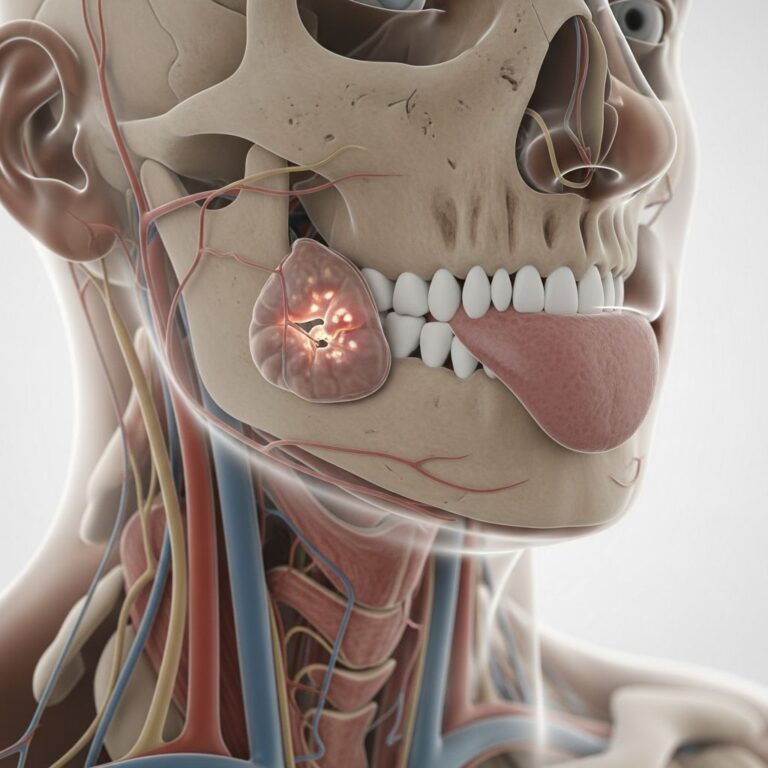
Chronic Pain: Understanding Causes, Symptoms & Treatment
Comprehensive guide to chronic pain management and recovery strategies for long-term relief.
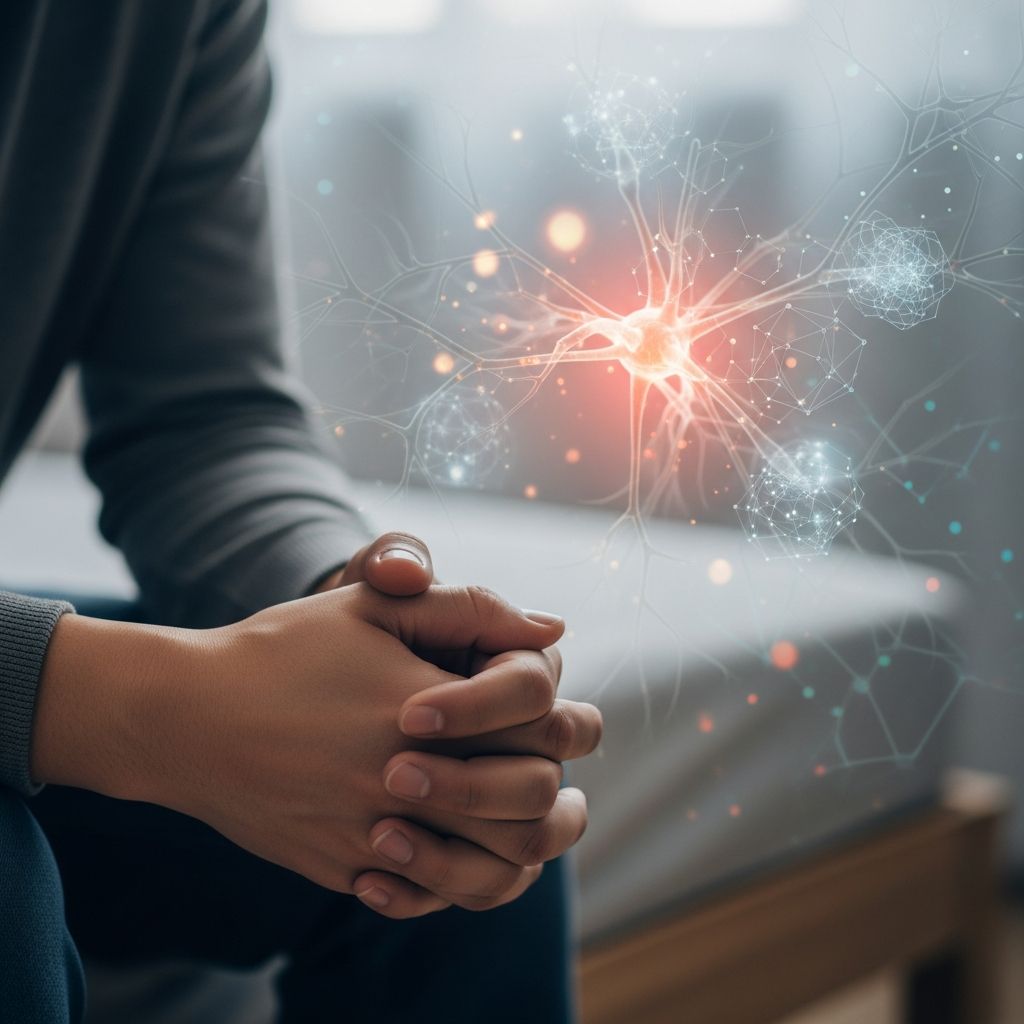
Understanding Chronic Pain: What It Is and How It Affects Your Life
Chronic pain is a persistent condition that lasts for more than three months and significantly impacts millions of people worldwide. Unlike acute pain, which serves as a warning signal for injury or illness and typically resolves as the body heals, chronic pain continues long after the initial cause has resolved. Healthcare providers consider pain to be chronic if it lasts or recurs for more than three months, and this ongoing discomfort can occur anywhere in your body. The experience of chronic pain is highly subjective—only the person experiencing it can truly identify and describe the sensation—making diagnosis and treatment planning particularly challenging for healthcare providers.
Chronic pain can manifest in many different ways, affecting your ability to work, sleep, enjoy family time, and participate in activities you love. Over time, the restriction of activities due to pain can lead to decreased physical fitness, which paradoxically can increase pain levels even with minor activities. This creates a difficult cycle where pain leads to inactivity, which leads to deconditioning, which leads to more pain. Understanding chronic pain and seeking appropriate treatment early can help break this cycle and restore your quality of life.
What Causes Chronic Pain?
Chronic pain arises from various underlying conditions and can involve different types of pain mechanisms. The causes of chronic pain are diverse and often multifactorial, meaning multiple factors may contribute to your experience of persistent pain. Common conditions that lead to chronic pain include arthritis, irritable bowel syndrome, endometriosis, migraines, headaches, back pain, neck pain, and joint pain.
Modern pain science has revealed that chronic pain involves both peripheral pain (pain signals originating from specific body locations) and centralized pain (where the nervous system itself becomes sensitized and amplifies pain signals). Chronic pain is essentially your nervous system perceiving ongoing danger or problems, so it continues to send pain signals even after the injury or illness that initially caused it has healed or resolved. Healthcare providers are increasingly recognizing that addressing only peripheral pain is not sufficient for patients who also have centralized pain components.
Recognizing the Symptoms of Chronic Pain
Chronic pain manifests differently for each person, but common symptoms include persistent aches, cramps, and various forms of discomfort that may be constant or intermittent. Specific examples include migraines, headaches, back pain, neck pain, and joint discomfort. The pain may occur all the time or come and go in recurring patterns, and it can be localized to one area or distributed throughout your body.
Because pain is subjective and can vary greatly from person to person, working with a pain specialist can help you get a clear answer about whether you’re dealing with peripheral pain, centralized pain, or a combination of both. This accurate diagnosis is crucial for developing an effective treatment plan tailored to your specific pain condition.
Comprehensive Pain Management Approaches
When chronic pain disrupts your quality of life and does not improve with standard treatments such as aspirin or ibuprofen, comprehensive pain management becomes essential. Pain management includes several approaches to manage pain effectively, incorporating medications, physical therapy, talk therapy, medical procedures, and complementary medicine techniques. Through a personalized pain management plan, healthcare providers help you manage all kinds and causes of pain while improving your overall quality of life.
Treatment Components
A comprehensive pain management approach typically includes:
- Medication Management: Using safe, proven effective medications that can help manage chronic pain, including non-addicting medications appropriate for your specific condition
- Physical Rehabilitation: Working with physical and occupational therapists to regain strength, endurance, flexibility, and proper body mechanics
- Behavioral Health: Incorporating talk therapy and psychological coping strategies to address the emotional and mental aspects of chronic pain
- Medical Procedures: Utilizing interventional pain management procedures when appropriate for your condition
- Complementary Medicine: Including techniques such as relaxation training, breathing exercises, and mindfulness practices
- Education: Learning about pain, proper posture, body mechanics, and self-management strategies
Related Stories



The Role of Interdisciplinary Pain Treatment Teams
Effective chronic pain management requires expertise from multiple healthcare specialties working together in a coordinated manner. An interdisciplinary pain treatment team typically includes pain physicians, pain psychologists, behavioral health specialists, certified nurse practitioners, social workers, and physical and occupational therapists, all specially trained in pain management.
Pain physicians manage your medical care, including medication adjustment and trying alternative medications when needed. Physical and occupational therapists help you regain strength, endurance, and flexibility through targeted exercise and movement training. Psychologists and counselors guide you in understanding, identifying, and changing thoughts and feelings that can increase your stress response and pain levels. This comprehensive team approach addresses the biological, psychological, and social factors related to your pain.
Specialized Chronic Pain Rehabilitation Programs
For individuals with complex, treatment-resistant chronic pain that has lasted longer than three months and significantly impacts daily life, specialized rehabilitation programs offer intensive, evidence-based treatment. The Chronic Pain NeuroRehabilitation Program combines the expertise of medical, physical, and psychological healthcare providers to help manage chronic pain that hasn’t improved with surgery and medication.
What to Expect From Intensive Pain Rehabilitation
The Chronic Pain NeuroRehabilitation Program is typically a four-to-six week intensive outpatient program that meets Monday through Thursday for three to four hours per day between 8 a.m. and 4 p.m. This active, day treatment program requires no hospital stay and provides intensive physical and behavioral therapies to help you manage your pain effectively.
During this program, your personalized treatment plan may include:
- Treatment directed by pain and neurological management physicians, nurses, and behavioral therapists with special pain training
- Physical and occupational therapy exercise classes and individual sessions
- Medication management, typically including weaning off unhelpful medications and trying non-addicting alternatives
- Group behavioral therapies for pain incorporating the most evidence-based psychological treatments
- Group skills training focused on improving mindset, managing stress, and addressing emotions that impact pain and mood
- Chemical dependency education as needed
- Family education and counseling to involve loved ones in your recovery
- Relaxation training, including breathing and mindfulness techniques
The program strives to help you restore your quality of life and reduce the suffering your pain causes. While chronic pain is generally not curable, it is still possible to live a happy, full, and active life while managing some pain. Many patients complete the program with significantly less pain than before treatment and with improved ability to engage in daily activities.
Introductory Pain Management Education
For those new to comprehensive pain rehabilitation, introductory classes familiarize patients with the treatment model combining expertise from many different specialties. These programs teach essential skills for managing pain and understanding it from both sensory and emotional perspectives, specifically designed for patients whose chronic pain has lasted longer than three months.
Benefits of Comprehensive Chronic Pain Management
The sooner you seek treatment for chronic pain, the sooner you can start enjoying life again. Comprehensive pain management offers numerous benefits beyond simple pain reduction. These benefits include improved ability to work and participate in daily activities, better sleep quality, enhanced relationships with family and friends, increased physical fitness and functional capacity, and an overall improved quality of life.
Patients who engage in comprehensive pain management programs learn strategies for maintaining ongoing wellness that become a lasting way of life, ensuring that pain-relieving benefits endure long after formal treatment concludes. This education empowers you to become an active participant in your own pain management rather than a passive recipient of treatments.
Accessing Specialized Pain Management Services
Board-certified pain management physicians are dedicated to helping you return to a normal, productive lifestyle. Pain Management Centers are conveniently located throughout various regions, making it easier to access care close to home. During your initial appointment, you’ll receive a comprehensive medical assessment that includes your past medical history, surgical history, and detailed pain history, followed by a thorough examination. Your healthcare team will then develop an individualized treatment plan designed to give you the best potential for long-term pain relief.
One of the key advantages of comprehensive pain centers is the ability to collaborate with physicians in various sub-specialty areas to develop effective treatment plans tailored to your unique situation. Multiple outpatient clinics provide easy access to ongoing care, ensuring you receive consistent, coordinated treatment.
Frequently Asked Questions About Chronic Pain
Q: How is chronic pain defined differently from acute pain?
A: Acute pain comes on suddenly and is caused by something specific, typically resolving as the body heals. Chronic pain persists for more than three months and often continues even after the initial injury or illness has resolved. Chronic pain represents your nervous system continuing to perceive ongoing danger and sending pain signals long after the initial problem has healed.
Q: Can chronic pain actually be cured?
A: While chronic pain is generally not curable in the traditional sense, it is absolutely possible to live a happy, full, and active life while managing it. The goal of treatment is not necessarily to eliminate pain entirely but to reduce suffering, restore quality of life, and help you resume normal activities and enjoyment.
Q: What makes chronic pain treatment so complex?
A: Chronic pain is complex because it involves biological, psychological, and social factors. Pain is also subjective—only the person experiencing it can truly identify and describe it—making diagnosis challenging. Additionally, chronic pain often involves both peripheral pain signals and centralized pain sensitization, requiring multiple treatment approaches.
Q: How long does a typical chronic pain rehabilitation program last?
A: A typical intensive outpatient chronic pain rehabilitation program lasts four to six weeks, meeting Monday through Thursday for three to four hours per day. The exact length depends on your individual progress and needs.
Q: What role do family members play in chronic pain treatment?
A: Family education and counseling are key components of comprehensive chronic pain programs. Involving family members helps them understand your condition, support your recovery, and learn strategies to help you maintain progress after formal treatment ends.
Q: Are there non-medication options for managing chronic pain?
A: Yes, comprehensive pain management includes many non-medication approaches such as physical therapy, occupational therapy, psychological counseling, behavioral strategies, relaxation training, mindfulness techniques, and medical procedures. A personalized treatment plan combines multiple approaches tailored to your specific condition.
References
- Comprehensive Pain Recovery Program — Cleveland Clinic. 2025. https://my.clevelandclinic.org/departments/neurological/depts/spine/comprehensive-pain-recovery-program
- Chronic Pain Rehabilitation — Cleveland Clinic. 2025. https://my.clevelandclinic.org/departments/rehabilitation/services/chronic-pain
- Department of Pain Management at Cleveland Clinic — Cleveland Clinic. August 10, 2013. https://www.youtube.com/watch?v=AUdLZruAhQE
- Chronic Pain Management — Cleveland Clinic. 2025. https://my.clevelandclinic.org/departments/anesthesiology/depts/pain-management
- What’s the Difference Between Acute and Chronic Pain? — Cleveland Clinic Health. 2025. https://health.clevelandclinic.org/acute-vs-chronic-pain
- 7 Causes of Chronic Pain — Cleveland Clinic Health. 2025. https://health.clevelandclinic.org/what-causes-chronic-pain
- Chronic Pain: What It Is, Symptoms, Treatment & Management — Cleveland Clinic. 2025. https://my.clevelandclinic.org/health/diseases/4798-chronic-pain
- Pain Management: What It Is, Types, Benefits & Risks — Cleveland Clinic. 2025. https://my.clevelandclinic.org/health/treatments/21514-pain-management
Similar Articles








Read full bio of Sneha Tete