Chronic Pruritus Of Unknown Origin: Expert Guide To Relief
Understanding chronic itch without visible cause: diagnosis, management, and impact on quality of life.
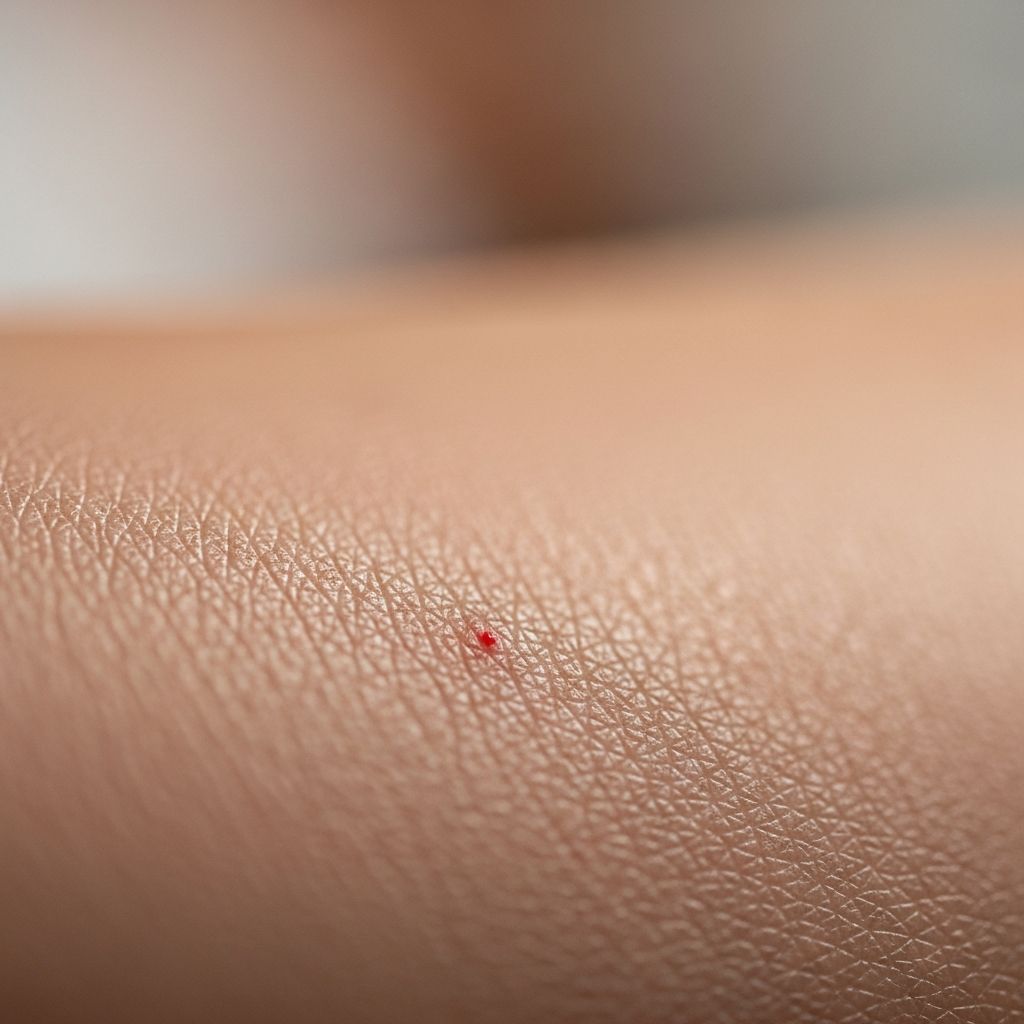
Chronic pruritus of unknown origin (CPUO), also known as chronic idiopathic pruritus or generalised pruritus of unknown origin, is defined as an itch lasting longer than 6 weeks in the absence of a known cause. This condition challenges patients and clinicians due to its elusive nature and significant impact on daily life.
Introduction
CPUO represents a frustrating subset of chronic pruritus where no underlying dermatological, systemic, neurological, or psychiatric cause can be identified despite thorough investigation. Itching, or pruritus, triggers an irresistible urge to scratch, often leading to a vicious cycle of worsening skin damage and psychological distress. While chronic pruritus affects up to 20% of the general population, CPUO specifically lacks detailed prevalence studies but is noted to increase with age.
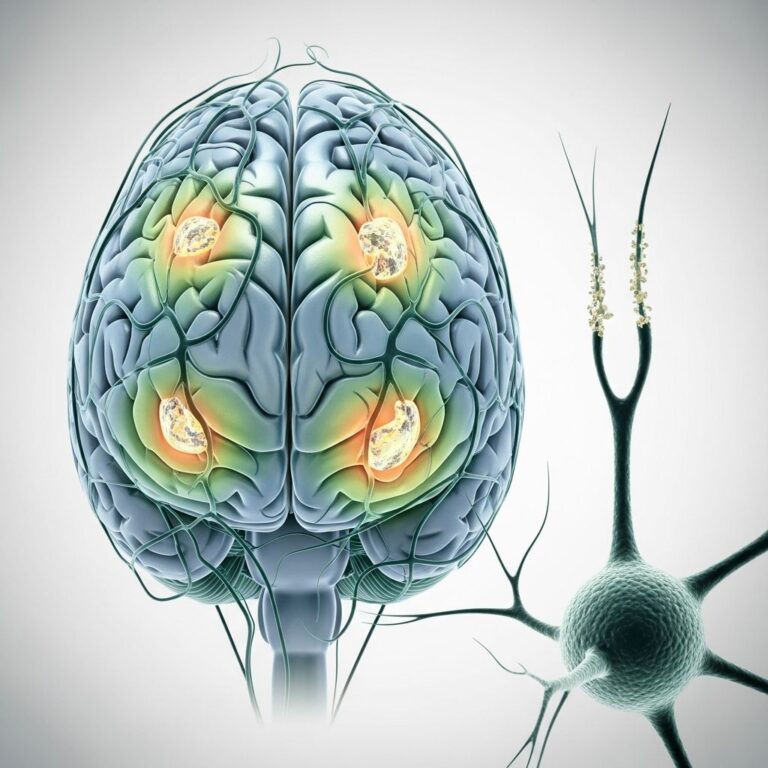
The sensation of itch is mediated by a complex interplay of neural pathways, immune responses, and skin barrier functions. In CPUO, these mechanisms remain poorly understood, distinguishing it from pruritus with visible skin changes or identifiable triggers.
Demographics
No comprehensive epidemiological data exists solely for CPUO, but chronic pruritus overall shows higher prevalence in older adults. Studies indicate that pruritus prevalence rises from about 8% in individuals under 60 years to over 37% in those above 80 years. Women may report higher rates, potentially due to hormonal influences or increased healthcare-seeking behavior. CPUO is more common in the elderly, where age-related skin dryness (xerosis) and reduced immune surveillance complicate diagnosis.
In clinical settings, CPUO accounts for a notable portion of unexplained itch cases, with up to 50% of rash-free pruritus patients falling into this idiopathic category.
Causes
By definition, CPUO has no identifiable cause, making it a diagnosis of exclusion. However, ongoing research explores potential contributors like subtle neurogenic inflammation, mast cell activation, or microvascular changes. Some patients show nonspecific findings such as mild eosinophilia or elevated IgE levels, hinting at low-grade allergic or inflammatory processes.
Recent studies have identified unique blood biomarkers in CPUO patients, including lower levels of certain metabolites, suggesting metabolic dysregulation as a possible factor. These findings could pave the way for targeted therapies.
Clinical Features
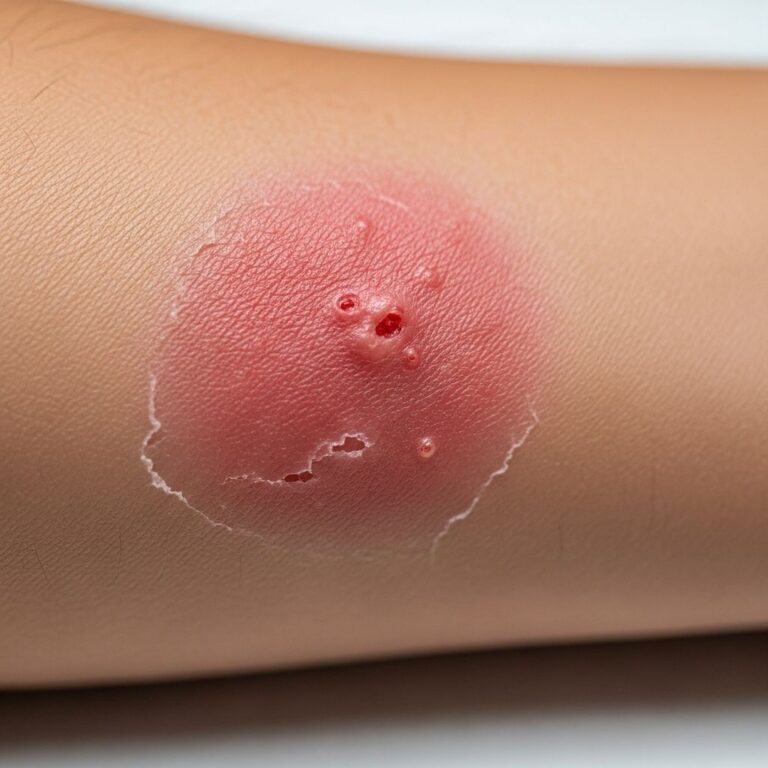
In CPUO, pruritus can be localised or generalised, often affecting the trunk, limbs, or entire body. The skin typically appears normal but may show secondary changes from scratching, such as erythema (redness), xerosis (dryness), or excoriations (scratch marks). Chronic scratching leads to lichenification—thickened, leathery skin with accentuated markings—and potential hyperpigmentation.
Itch intensity varies, often worsening at night due to circadian rhythms in cytokine release and reduced distractions. Patients describe it as burning, stinging, or crawling sensations. Without visible primary lesions, the focus shifts to history and systemic evaluation.
Complications
Persistent scratching in CPUO causes significant skin barrier disruption, increasing risks of secondary bacterial infections like impetigo or cellulitis. Lichen simplex chronicus may develop from habitual scratching, perpetuating the itch-scratch cycle.
Related Stories



- Skin changes: Lichenification, excoriations, hyperpigmentation, secondary infections.
- Sleep disturbances: Insomnia from nocturnal itch, leading to daytime fatigue.
- Psychological impact: Anxiety, depression, reduced quality of life; itch can exacerbate preexisting mental health conditions.
- Social effects: Embarrassment from visible scratches, isolation, impaired work productivity.
Overall, CPUO profoundly affects mental health, with studies linking chronic itch to higher rates of mood disorders.
Diagnosis
CPUO is diagnosed only after excluding all other pruritus categories as per the International Forum for the Study of Itch classification: dermatological, systemic, neurological, psychiatric, multifactorial, or unknown origin. A meticulous history, physical exam, and targeted tests are essential.
Differential Diagnoses
Key differentials include:
- Dermatological: Atopic dermatitis, psoriasis, urticaria, scabies (often with burrows).
- Systemic: Chronic kidney disease (uremic pruritus), liver disease (cholestasis), thyroid disorders, diabetes, iron deficiency, malignancies (e.g., Hodgkin lymphoma, paraneoplastic itch).
- Neurological: Postherpetic neuralgia, brachioradial pruritus, multiple sclerosis, stroke-related itch.
- Psychiatric: Delusional parasitosis, obsessive-compulsive disorder, anxiety-induced itch.
- Multifactorial: Combinations like dry skin plus medications or age-related changes.
Malignancy-associated pruritus may precede diagnosis by months, often severe and nocturnal.
Methods of Diagnosis
Diagnosis relies on:
- History: Onset, duration, location, aggravating/relieving factors, family history, medications, systemic symptoms (weight loss, fever).
- Examination: Full skin check for subtle lesions, excoriations; neurological exam.
- Laboratory tests: CBC (eosinophilia), ESR/CRP, liver/kidney function, thyroid function, ferritin, IgE, glucose/HbA1c.
- Skin biopsy: For non-scratched lesions; shows nonspecific dermal eosinophils or hypersensitivity.
- Advanced tests: If indicated—chest X-ray, malignancy screen, nerve conduction studies, psych evaluation.
Biopsy of excoriations is unhelpful, showing only secondary changes. Refer for neurology or oncology if red flags present.
Treatment
Treatment targets symptom relief and itch-scratch cycle interruption, as no cure exists for idiopathic cases. Start with non-pharmacological measures, escalate to medications.
Lifestyle Modifications
- Avoid irritants: Hot showers, harsh soaps, wool clothing.
- Moisturise frequently with emollients (e.g., ceramide-based).
- Cool environment, loose cotton clothes.
- Habit reversal therapy or cognitive behavioural therapy (CBT) for scratching control.
- Stress management: Relaxation techniques, adequate sleep hygiene.
Empiric Therapies
- Topical: Corticosteroids (potent for lichenified areas), capsaicin cream (desensitises nerves), menthol/aloe vera for cooling.
- Antihistamines: Non-sedating (cetirizine) daytime; sedating (hydroxyzine) at night.
- Phototherapy: Narrowband UVB effective for refractory cases.
Systemic Agents
| Drug Class | Examples | Dose/Duration | Notes |
|---|---|---|---|
| Gabapentinoids | Gabapentin, Pregabalin | 300-900mg/day, titrate | First-line for neuropathic component; monitor sedation. |
| Antidepressants | Paroxetine (SSRI), Mirtazapine | 20mg/day 4-6 weeks | Strong evidence for SSRIs; mirtazapine for sleep. |
| Opioid modulators | Naltrexone | 25-50mg/day | For severe cases; GI side effects. |
| Immunosuppressants | Cyclosporine | 3-5mg/kg/day | Short-term; monitor kidneys. |
Emerging therapies: Biologics like dupilumab (IL-4/13 inhibitor), JAK inhibitors (tofacitinib). All systemic treatments are off-label; trial 4-6 weeks.
Outcome
CPUO is not life-threatening but chronic, often persisting indefinitely or recurring. Quality of life suffers due to sleep loss, mood changes, and social withdrawal. Early intervention improves control, but complete resolution is rare. Long-term follow-up is crucial, as new causes may emerge.
Frequently Asked Questions (FAQs)
Q: How long does chronic pruritus of unknown origin last?
A: It often persists for months or years, but treatments can provide relief and reduce severity.
Q: Can CPUO be cured?
A: No definitive cure exists, but symptom management is effective for many patients.
Q: Is CPUO a sign of cancer?
A: Rarely, but exclusion of malignancy is essential, especially with systemic symptoms.
Q: What is the first step in treatment?
A: Lifestyle changes and moisturisers, followed by topical therapies.
Q: When should I see a specialist?
A: If itch lasts >6 weeks without rash or improvement with basic care.
References
- Chronic pruritus of unknown origin – DermNet — DermNet NZ. 2023. https://dermnetnz.org/topics/chronic-pruritus-of-unknown-origin
- Chronic Pruritus: A Review — PubMed/NCBI. 2024-05-21. https://pubmed.ncbi.nlm.nih.gov/38809527/
- Pruritus: Diagnosis and Management — American Academy of Family Physicians (AAFP). 2022-01-01. https://www.aafp.org/pubs/afp/issues/2022/0100/p55.html
- Pruritus (itch) – without a rash — Primary Care Dermatology Society (PCDS). Accessed 2026. https://www.pcds.org.uk/clinical-guidance/pruritus-without-a-rash
- Chronic Pruritus of Unknown Origin: A Therapeutic Approach — Actas Dermo-Sifiliográficas. 2025. https://www.actasdermo.org/es-chronic-pruritus-unknown-origin-articulo-S0001731025006519
- Pruritus: Causes & Treatments for Itchy Skin — Cleveland Clinic. Accessed 2026. https://my.clevelandclinic.org/health/diseases/11879-pruritus
Similar Articles








Read full bio of medha deb