Chronic Sinusitis: Symptoms, Causes & Treatment
Understanding chronic sinusitis: causes, symptoms, diagnosis, and effective treatment options for lasting relief.
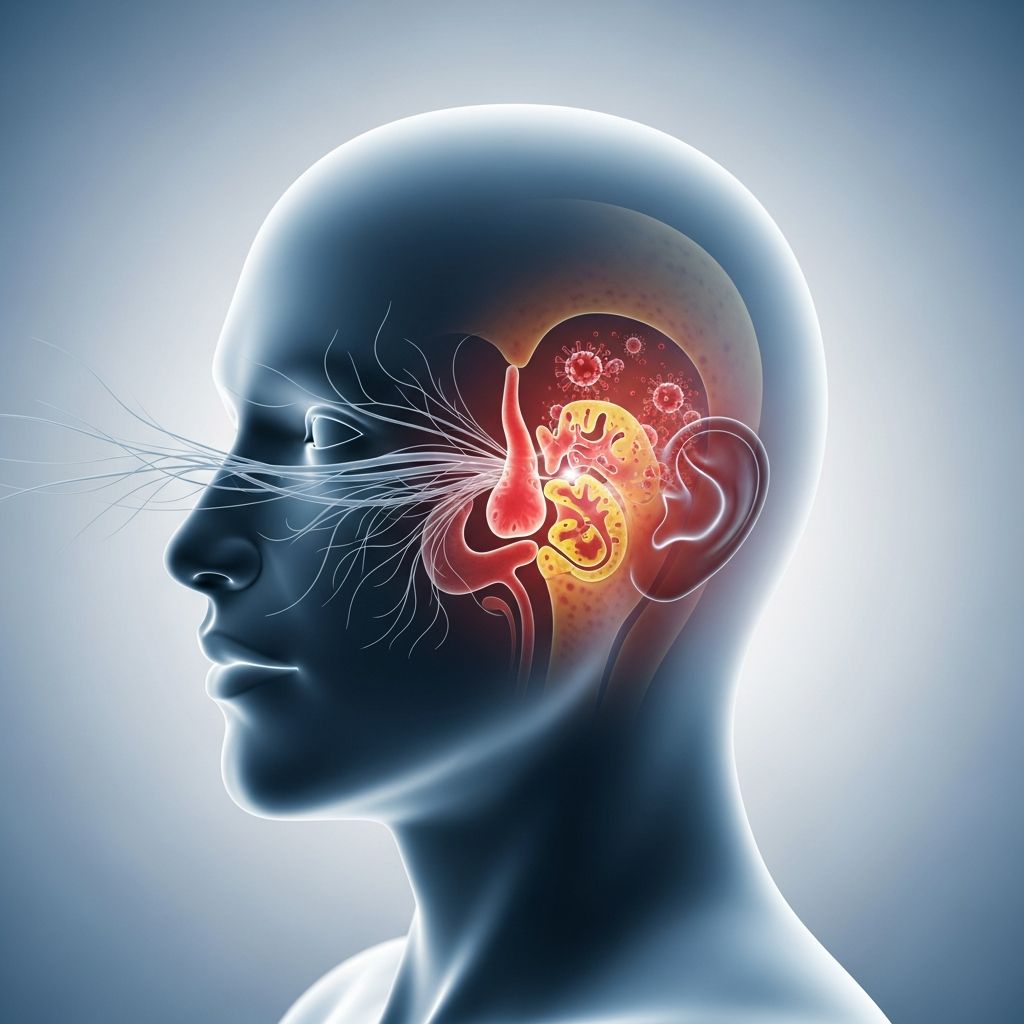
Understanding Chronic Sinusitis
Chronic sinusitis is a long-lasting inflammation in your sinuses or a sinus infection that persists beyond the typical timeframe. Unlike acute sinusitis, which typically resolves within approximately 10 days, chronic sinusitis involves symptoms that don’t go away within 12 weeks or more. This condition affects millions of people and can significantly impact quality of life, causing persistent facial pain, congestion, and drainage that interferes with daily activities.
The sinuses are hollow spaces around your eyes, nose, and forehead that produce mucus to keep your nasal passages moist and healthy. When these spaces become inflamed or infected, the swelling prevents normal mucus drainage, creating pressure and discomfort. Understanding the distinction between acute and chronic sinusitis is essential for proper treatment planning and long-term management.
What Causes Chronic Sinusitis?
Chronic sinusitis develops when something continuously irritates or inflames your sinuses. Several factors can contribute to this persistent condition:
Infectious Causes
Viruses, bacteria, and fungal infections can trigger chronic sinusitis. While viral infections are the most common initial cause of acute sinusitis, secondary bacterial infections may develop if symptoms persist. Fungal infections, though less common, can lead to chronic inflammation in certain individuals.
Structural Abnormalities
Physical features of your nasal anatomy can predispose you to chronic sinusitis. A deviated septum—where the wall between your nasal passages is misaligned—can obstruct normal mucus drainage. Similarly, nasal polyps, which are small benign growths in the nasal lining, can block sinus openings and prevent adequate drainage.
Allergic Conditions
Allergies represent a significant factor in chronic sinusitis development. Allergic reactions cause inflammation and swelling of the nasal lining, impeding mucus clearance and creating an environment where secondary infections may develop.
Other Contributing Factors
Environmental irritants, immune system disorders, gastroesophageal reflux disease (GERD), and cystic fibrosis can all contribute to chronic sinusitis. Cigarette smoke and other pollutants may irritate the nasal passages and impair natural defense mechanisms.
Recognizing Symptoms of Chronic Sinusitis
Chronic sinusitis presents with symptoms that persist for 12 weeks or longer. Unlike acute sinusitis, which may cause more severe acute symptoms, chronic sinusitis typically involves milder but more persistent manifestations:
Primary Symptoms
Facial Pain and Pressure: You may experience constant or intermittent pain, pressure, or tenderness around your face, particularly in the areas above your eyebrows, cheekbones, and forehead. This discomfort often worsens when bending over or lying down.
Nasal Congestion and Stuffiness: Persistent nasal obstruction prevents normal airflow through your nose, forcing you to breathe through your mouth and disrupting sleep patterns.
Post-Nasal Drip: Thick mucus drains down the back of your throat, causing a constant tickle, frequent coughing, and throat clearing. This symptom can be particularly bothersome at night.
Discolored Nasal Discharge: Yellow or green mucus in your nose indicates bacterial involvement and may drain from your nostrils or down your throat.
Related Stories



Associated Symptoms
Beyond the primary symptoms, chronic sinusitis may cause halitosis (bad breath), headaches, ear pain or fullness, and general fatigue. The persistent nature of these symptoms distinguishes chronic sinusitis from recurrent acute episodes.
Diagnosing Chronic Sinusitis
Proper diagnosis requires a comprehensive evaluation combining patient history, physical examination, and diagnostic testing. Healthcare providers follow established diagnostic criteria to confirm chronic sinusitis and identify underlying causes.
Initial Evaluation
Your provider will conduct a detailed discussion about your symptoms, their duration, and how they affect your daily life. They’ll ask about previous sinus infections, allergies, environmental exposures, and any treatments you’ve already tried. Understanding your complete medical history helps providers develop targeted treatment strategies.
Physical Examination
During the physical exam, your provider examines your nasal passages using specialized instruments. They assess for signs of inflammation, nasal polyps, or anatomical abnormalities. This examination provides valuable information about the extent and nature of your condition.
Diagnostic Testing
Several imaging and laboratory tests may be ordered to confirm diagnosis and identify underlying causes:
Nasal Endoscopy: A thin, flexible tube with a camera allows direct visualization of your nasal passages and sinuses, helping identify polyps, deviated septum, or other abnormalities.
Computed Tomography (CT) Scan: This imaging study provides detailed cross-sectional images of your sinuses, revealing inflammation patterns, blockages, and structural issues that may not be visible during physical examination.
Allergy Testing: If allergies are suspected, allergy testing identifies specific triggers, guiding treatment recommendations.
Bacterial or Fungal Cultures: Samples of nasal secretions may be cultured to identify specific infectious organisms, particularly if fungal infection is suspected.
Treatment Options for Chronic Sinusitis
Chronic sinusitis treatment focuses on controlling inflammation, managing underlying causes, and preventing symptom recurrence. Most approaches employ a stepwise strategy, beginning with conservative measures before considering more invasive interventions.
Medical Management
Nasal Corticosteroid Sprays: These medications reduce inflammation in the nasal lining and sinuses, helping control symptoms and improve drainage. They’re typically considered first-line therapy.
Saline Nasal Irrigations: Regular saline rinses help flush debris and thick mucus from your nasal passages, reducing congestion and promoting drainage.
Oral or Topical Decongestants: These medications temporarily relieve congestion, though prolonged use can lead to rebound congestion.
Antibiotics: Prolonged antibiotic courses may be prescribed if bacterial infection is confirmed, though treatment duration differs significantly from acute sinusitis therapy.
Antifungal Medications: If fungal infection is identified, specific antifungal treatments become necessary.
Allergy Management
If allergies contribute to your chronic sinusitis, allergy treatment becomes essential. Options include antihistamines, allergy immunotherapy, or biological medications targeting specific inflammatory pathways.
Surgical Interventions
When medical management proves inadequate, surgical options may provide lasting relief. Healthcare providers typically recommend surgery only after confirming that anticipated benefits exceed those of continued medical management alone.
Functional Endoscopic Sinus Surgery (FESS): This minimally invasive procedure uses specialized endoscopic instruments inserted through your nose to remove tissue obstructions, open blocked sinus passages, and improve drainage without external incisions.
Balloon Sinuplasty: This less invasive technique uses a small balloon catheter to gently dilate blocked sinus openings, restoring normal drainage patterns. Recovery time is typically shorter than traditional surgery.
Caldwell-Luc Surgery: For specific sinus cavities, this approach accesses the sinus through an opening in your mouth, creating an alternative drainage pathway.
Understanding the Difference Between Chronic and Recurrent Sinusitis
It’s important to distinguish chronic sinusitis from recurrent acute sinusitis. Chronic sinusitis involves persistent symptoms that don’t resolve for 12 weeks or longer. Recurrent sinusitis, by contrast, involves four or more distinct sinus infection episodes within one year, but with symptom-free periods between infections. This distinction affects treatment approaches and prognosis.
Personalized Treatment Planning
No two individuals experience chronic sinusitis identically. Successful treatment requires personalized care plans addressing your specific symptoms, underlying causes, and quality of life impacts. Your healthcare provider works with you to establish realistic expectations, explaining that chronic sinusitis may require long-term medical management even after successful treatment. Understanding potential for disease recurrence and the importance of ongoing preventive care helps ensure sustained improvement.
Frequently Asked Questions About Chronic Sinusitis
Q: How long does chronic sinusitis last?
A: By definition, chronic sinusitis persists for 12 weeks or longer. Without appropriate treatment, symptoms may continue indefinitely. With proper medical or surgical management, many people experience significant improvement, though some may require ongoing maintenance therapy.
Q: Can chronic sinusitis go away on its own?
A: Unlike acute sinusitis, which often resolves spontaneously, chronic sinusitis rarely disappears without treatment. The persistent inflammation typically requires intervention to achieve symptom relief and prevent complications.
Q: Is surgery always necessary for chronic sinusitis?
A: Surgery is not always necessary. Most cases respond well to medical management including nasal corticosteroids, saline irrigations, and allergy treatment. Surgery is typically considered only when medical therapy fails to provide adequate relief after reasonable trial periods.
Q: Will chronic sinusitis come back after treatment?
A: Chronic sinusitis may recur, particularly if underlying causes like allergies persist. However, ongoing preventive measures and medical management can significantly reduce recurrence risk and maintain symptom control.
Q: What’s the difference between sinusitis and chronic sinusitis?
A: Acute sinusitis typically resolves within 10 days and is often viral. Chronic sinusitis persists for 12 weeks or longer and usually involves persistent inflammation from various causes requiring ongoing management.
Q: Can allergies cause chronic sinusitis?
A: Yes, untreated allergies frequently contribute to chronic sinusitis development by causing continuous inflammation and swelling that obstructs normal sinus drainage.
When to Seek Medical Care
Contact your healthcare provider if you experience facial pain, congestion, or post-nasal drip lasting more than 10 days, or if symptoms persist for 12 weeks or longer. Early evaluation and diagnosis enable more effective treatment planning and symptom management. Your healthcare provider can determine whether your condition represents acute sinusitis, chronic sinusitis, or recurrent acute episodes, each requiring different management approaches.
References
- Chronic Sinusitis: Symptoms, Causes & Treatment — Cleveland Clinic. 2023-07-26. https://my.clevelandclinic.org/health/diseases/17700-chronic-sinusitis
- Clinical Practice Guideline: Surgical Management of Chronic Rhinosinusitis in Adults — American Academy of Otolaryngology-Head and Neck Surgery Foundation. 2024. https://pubmed.ncbi.nlm.nih.gov/40424072/
- Sinus Infection (Sinusitis): Causes, Symptoms & Treatment — Cleveland Clinic. 2023-03-09. https://my.clevelandclinic.org/health/diseases/17701-sinusitis
- Sinus Surgery: Types, Procedure & Recovery — Cleveland Clinic. 2022-06-29. https://my.clevelandclinic.org/health/treatments/15854-sinus-surgery-overview
Similar Articles








Read full bio of Sneha Tete