Chronic Spontaneous Urticaria: Causes, Diagnosis & Treatment
Understanding chronic spontaneous urticaria: causes, diagnosis, treatment options, and management strategies for persistent itchy hives.
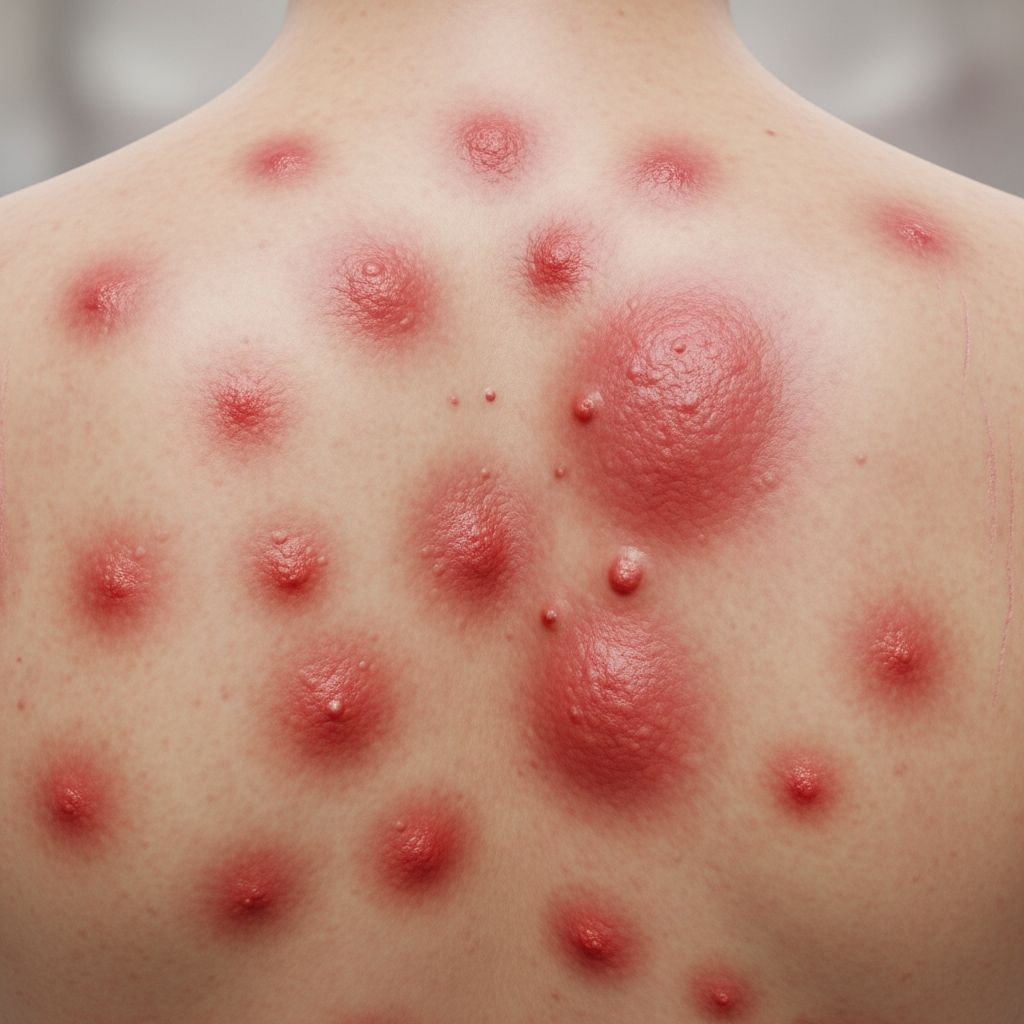
Chronic spontaneous urticaria (CSU), also known as chronic idiopathic urticaria or chronic ordinary urticaria, is defined as the spontaneous appearance of itchy weals (hives) with or without angioedema that persist on most days of the week for a duration of 6 weeks or longer, without an identifiable specific cause or trigger.
What is chronic spontaneous urticaria?
CSU is a mast cell-driven inflammatory skin disease characterized by recurrent episodes of transient, itchy wheals and sometimes deeper swelling (angioedema). Unlike acute urticaria or inducible forms, CSU occurs spontaneously without external triggers like pressure, cold, or allergens. Weals typically last less than 24 hours in individual lesions, resolving without scarring, which helps differentiate it from urticarial vasculitis.
The condition affects approximately 0.5–1% of the population, predominantly women aged 20–40 years, though it can occur at any age. It persists for more than 1 year in most patients and significantly impairs quality of life due to itch, sleep disturbance, and emotional distress.
Who gets chronic spontaneous urticaria?
CSU is more common in adults, particularly women, with a female-to-male ratio of about 2:1. Peak incidence is between 20 and 40 years, but it can affect children and the elderly. Risk factors include autoimmune diseases (e.g., thyroid disorders), atopy, and stress. Up to 50% of cases may have an autoimmune basis, with detectable functional autoantibodies against IgE receptors on mast cells.
- Prevalence: 0.5–1% worldwide
- Most common in women (60–80% of cases)
- Associated comorbidities: thyroid autoimmunity (10–20%), other autoimmune diseases
What causes chronic spontaneous urticaria?
In most cases (60–80%), no specific cause is identified, hence “spontaneous.” Pathogenesis involves mast cell degranulation releasing histamine, leading to wheals and itch. Triggers may include:
- Autoimmunity: Circulating autoantibodies (e.g., anti-FcεRI or anti-IgE) activate mast cells (30–50% of cases).
- Pseudoallergens: Food additives, natural salicylates, or medications like NSAIDs.
- Infections: Helicobacter pylori, parasites, or viral infections (treat if identified).
- Inflammation: Gastritis, cholecystitis, or other systemic inflammation.
Rarely, underlying conditions like malignancy or vasculitis mimic CSU.
What are the clinical features of chronic spontaneous urticaria?
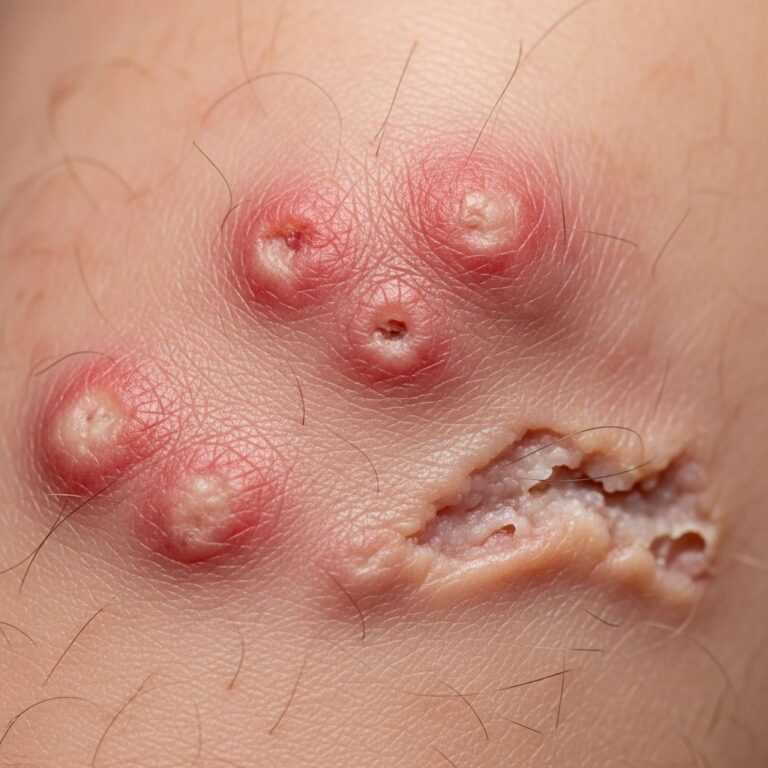
Symptoms include red, itchy wheals (1–2 mm to several cm) that migrate and resolve within 24 hours. Angioedema affects 40–50% of patients, causing deeper swelling of lips, eyelids, hands, or feet, sometimes painful rather than itchy.
- Weals: Surrounded by a red flare, blanch on pressure, fleeting (hours).
- Angioedema: Non-pitting swelling, lasts 24–72 hours.
- Symptom duration: Daily or near-daily for >6 weeks.
- Associated symptoms: Burning, stinging; systemic fatigue, headache in severe cases.
Symptoms worsen with stress, heat, alcohol, or NSAIDs.
How is the diagnosis of chronic spontaneous urticaria made?
Diagnosis relies primarily on clinical history and examination, excluding inducible urticaria and other differentials. International guidelines (EAACI/GA²LEN/EDF/WAO) recommend a step-wise approach.
Related Stories



History key points:
- Duration >6 weeks, frequency (most days/week).
- Lesion duration (<24 hours excludes vasculitis).
- Triggers, medications, infections, family history.
Routine tests (limited to avoid unnecessary costs):
- Differential blood count (eosinophilia?).
- ESR or CRP (inflammation marker).
- Thyroid function (TSH).
Further tests only if history suggests: H. pylori test, skin prick testing, autologous serum skin test (ASST) for autoimmunity, biopsy if lesions >24 hours.
| Step | Recommended Investigations |
|---|---|
| 1. Routine | CBC with differential, ESR/CRP, TSH |
| 2. If indicated | H. pylori, allergy tests, ASST, biopsy |
| 3. Advanced | Autoantibodies, tryptase (rarely) |
What is the differential diagnosis for chronic spontaneous urticaria?
- Chronic inducible urticaria: Triggered by stimuli (dermographism, cholinergic).
- Urticarial vasculitis: Lesions >24 hours, purpura, systemic symptoms.
- Mastocytosis: Darier’s sign, elevated tryptase.
- Drug-induced: Persistent after cessation (e.g., opioids).
- Hereditary angioedema: No itch, abdominal pain, family history.
Investigations for chronic spontaneous urticaria
As per guidelines, avoid extensive screening. Start with history-guided basics; escalate for refractory cases.
- Skin biopsy: If suspected vasculitis (leukocytoclastic changes).
- ASST: Positive in 30% autoimmune CSU.
- Rule out infection/inflammation.
What is the treatment for chronic spontaneous urticaria?
Step-wise per international guidelines: aim for symptom control and quality of life improvement. First-line: second-generation H1-antihistamines.
Step 1: Second-generation H1-antihistamines
Bilastine, cetirizine, desloratadine, fexofenadine, levocetirizine, rupatadine (standard dose). Effective in 50%. Avoid first-generation (sedating).
Step 2: Up-dosing H1-antihistamines
Increase to 2–4x standard dose after 2–4 weeks if inadequate response. Safe and effective in 60–70% refractory cases.
Step 3: Omalizumab
Anti-IgE monoclonal antibody, 300 mg SC every 4 weeks (or 150 mg in some). Response in 65–80% within 1–4 weeks. Indicated post-antihistamine failure.
Step 4: Cyclosporine or alternatives
Cyclosporine A (immunosuppressant) for refractory cases. Others (off-label): H2-antihistamines (limited evidence), montelukast, dapsone, hydroxychloroquine, methotrexate—use cautiously due to side effects.
Short-course oral corticosteroids for exacerbations; avoid long-term.
Treat identifiable causes (e.g., H. pylori eradication).
| Step | Treatment | Evidence Level |
|---|---|---|
| 1 | 2nd-gen H1-antihistamine (standard dose) | Strong |
| 2 | Up-dosing (up to 4x) | Strong |
| 3 | Omalizumab 300 mg/4 weeks | Strong |
| 4 | Cyclosporine; alternatives | Moderate |
Complications of chronic spontaneous urticaria
- Quality of life impairment: Comparable to ischemic heart disease (itch, insomnia, anxiety).
- Psychiatric: Depression, somatization (40%).
- Work/school absenteeism.
- Rare: Laryngeal angioedema (emergency).
Prevention of chronic spontaneous urticaria
Not preventable; avoid known aggravators (NSAIDs, tight clothes, stress). Early diagnosis and treatment prevent chronicity.
Chronic spontaneous urticaria guidelines
EAACI/GA²LEN/EDF/WAO/CSACI (2016–updated): Limited diagnostics, step-wise therapy as above. AAD endorses similar.
Patient information for chronic spontaneous urticaria
- Track symptoms/diet in diary.
- Avoid triggers, use non-sedating antihistamines.
- Expect 50% spontaneous remission in 1 year; treatment accelerates.
- Refer to specialist if no response to up-dosed antihistamines in 4 weeks.
Frequently Asked Questions
Q: How long does chronic spontaneous urticaria last?
A: Average 2–5 years; 50% remit by 1 year, but can persist longer. Treatment shortens duration.
Q: Is chronic spontaneous urticaria contagious?
A: No, it’s not infectious or contagious.
Q: Can diet help chronic spontaneous urticaria?
A: Pseudoallergen-free diet (3 weeks) may benefit some; evidence limited.
Q: When to see a doctor for hives?
A: If lasting >6 weeks, daily, or with swelling/breathing issues.
Q: Is omalizumab safe long-term?
A: Yes, well-tolerated; monitor for rare anaphylaxis.
References
- Chronic Urticaria: Following Practice Guidelines — Skin Therapy Letter. 2023. https://www.skintherapyletter.com/urticaria/chronic-urticaria-following-practice-guidelines/
- A Practical Approach to Diagnosing and Managing Chronic Spontaneous Urticaria — PMC (Springer). 2024-05-24. https://pmc.ncbi.nlm.nih.gov/articles/PMC11169305/
- Chronic spontaneous urticaria — DermNet NZ. Recent update. https://dermnetnz.org/topics/chronic-spontaneous-urticaria
- Key messages: Urticaria guidelines — American Academy of Dermatology (AAD). 2023. https://www.aad.org/member/clinical-quality/guidelines/urticaria
- Chronic Spontaneous Urticaria: A Review — JAMA Network. 2024. https://jamanetwork.com/journals/jama/article-abstract/2824115
- Guidelines for the management of chronic spontaneous urticaria — PMC (British Journal of Dermatology). 2021-09-07. https://pmc.ncbi.nlm.nih.gov/articles/PMC8457139/
- Urticaria: chronic spontaneous urticaria — Primary Care Dermatology Society (PCDS). Recent. https://www.pcds.org.uk/clinical-guidance/urticaria-spontaneous-syn-chronic-ordinary-urticaria
Similar Articles








Read full bio of medha deb