Chronic Superficial Scaly Dermatitis: Causes, Treatment, and Outcomes
Understanding chronic superficial scaly dermatitis: symptoms, diagnosis, and effective management strategies.
Chronic Superficial Scaly Dermatitis: Understanding Parapsoriasis
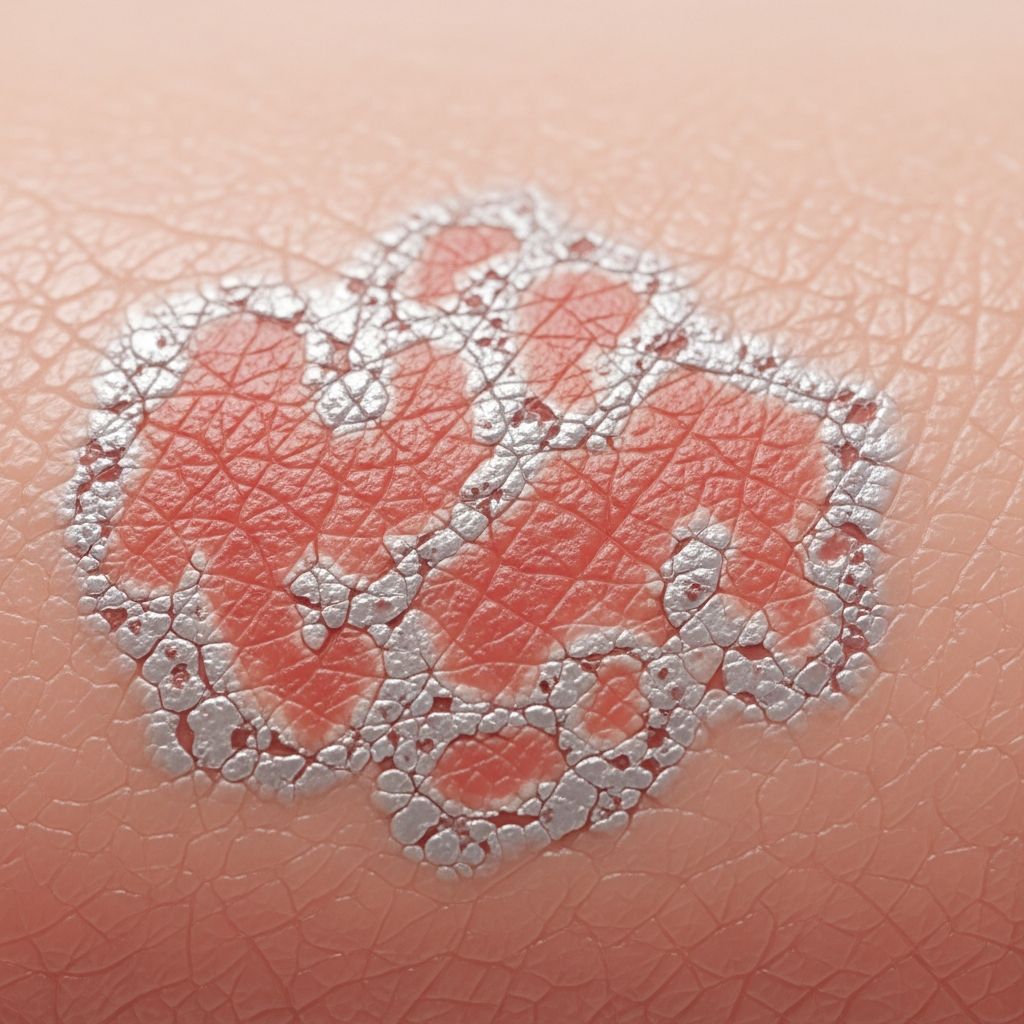
Chronic superficial scaly dermatitis (CSSD), also known as parapsoriasis or digitate dermatosis, is a chronic inflammatory skin condition characterized by the development of round or oval red, scaly patches primarily affecting the limbs and trunk. This relatively uncommon dermatological condition can be subdivided into two distinct presentations: small plaque parapsoriasis (SPP) and large plaque parapsoriasis (LPP). While SPP is considered a benign chronic condition, LPP carries potential premalignant implications with an associated risk of progression to mycosis fungoides, a form of cutaneous T-cell lymphoma. CSSD predominantly affects older individuals and shows a notable male predominance, though the exact incidence and prevalence of this condition remains unknown.
Causes and Pathogenesis
The underlying cause of chronic superficial scaly dermatitis remains unclear, with researchers proposing several competing hypotheses to explain its development. One prominent theory suggests that CSSD may represent a precursor to mycosis fungoides or an early manifestation of the disease itself. Histological examination reveals that lesions are primarily comprised of clonal CD4+ T-cells, though notably, the presence of these T-cell clones does not appear to increase the risk of malignant transformation.
An alternative hypothesis proposes that CSSD may be associated with viral infections, particularly agents such as Epstein-Barr virus, cytomegalovirus, and human herpesviruses (HHV6 and HHV8). This viral association theory remains under investigation, with additional research needed to establish definitive causal relationships. The multifactorial nature of CSSD suggests that the condition likely results from a complex interaction between immune dysfunction, genetic predisposition, and potentially environmental or infectious triggers.
Clinical Features and Presentation
Chronic superficial scaly dermatitis typically begins with the development of one or more red, slightly scaly patches that predominantly appear on the limbs and trunk. The clinical presentation can vary in several important ways:
- Lesions may be well-demarcated or poorly defined
- The patches often display a tendency toward chronicity with periods of activity and remission
- Once lesions resolve, they frequently recur in the same location or in adjacent regions
- SPP lesions typically measure 2–5 centimetres in diameter
- LPP lesions exceed 5 centimetres in diameter
- LPP may be associated with skin atrophy, telangiectasia (dilated blood vessels), and mottled hyperpigmentation
Presentation Across Skin Types
The clinical features of CSSD are remarkably consistent across different skin types, with no significant variations in appearance or presentation patterns observed between different racial and ethnic groups. This uniformity in clinical presentation is useful for clinicians when evaluating patients with suspected parapsoriasis.
Diagnosis
The diagnosis of chronic superficial scaly dermatitis is primarily established through clinical evaluation based on the characteristic morphology and distribution of skin lesions. Physicians assess the size, color, scaling patterns, and location of patches to differentiate CSSD from other papulosquamous disorders. In cases where the diagnosis remains uncertain or when there is concern regarding potential malignant transformation, skin biopsy may be performed to confirm the diagnosis and examine the histopathological features of the lesions.
The clinical examination should also include careful assessment for any signs that might suggest progression to mycosis fungoides, including changes in lesion thickness, alterations in coloration, increased scaling intensity, crusting, or evidence of skin atrophy.
Related Stories



Differential Diagnoses
Several other dermatological conditions must be considered and excluded when evaluating a patient with suspected chronic superficial scaly dermatitis:
- Psoriasis: Characterized by thick, scaly patches with silvery scales and a different distribution pattern
- Seborrheic dermatitis: Typically affects the scalp, face, and intertriginous areas with yellow or white crusty scales
- Pityriasis rosea: Presents with characteristic round spots with raised borders and often follows a viral prodrome
- Actinic keratosis: A precancerous condition with scaly patches that come and go, primarily from sun exposure
- Ichthyosis: A genetic condition causing fish scale-like appearance with generalized distribution
- Mycosis fungoides: Early-stage cutaneous lymphoma that can resemble CSSD but carries significant malignant potential
Complications and Associated Risks
Although CSSD is generally considered a benign condition, it carries several important clinical implications that require ongoing surveillance. The primary concern involves the potential for transformation to mycosis fungoides, making it essential for patients to remain aware of any changes in their skin lesions such as alterations in colour, thickening of lesions, increases in scaling intensity, crusting, or apparent thinning of affected areas.
Beyond the risk of cutaneous lymphoma, individuals with CSSD have been reported to demonstrate elevated risk for systemic complications including thromboembolism, acute myocardial infarction, stroke, and malignancy including non-Hodgkin lymphoma. These associations underscore the importance of comprehensive medical surveillance and appropriate preventive healthcare measures.
Treatment Options
The management approach to chronic superficial scaly dermatitis depends on several factors including symptom severity, cosmetic concerns, and patient preferences. Notably, parapsoriasis does not inherently require treatment, as it is fundamentally a benign condition. However, when patients experience significant symptoms or express concern about appearance, various therapeutic options become available.
Topical Treatments
Topical corticosteroids represent a primary therapeutic option and may effectively treat itching associated with CSSD. Studies indicate that topical corticosteroids may be more effective than emollients when utilized twice daily for 8–12 weeks. These agents work through anti-inflammatory mechanisms and inhibition of cell proliferation.
Emollients and moisturizers serve to relieve dryness and scaling, providing symptomatic relief and improving the overall appearance of affected skin. Simple emollients should be applied regularly to maintain skin hydration and reduce inflammatory responses.
Systemic and Advanced Therapies
Phototherapy can effectively clear the patches, at least temporarily, and represents a valuable option for patients with extensive involvement or those who have failed to respond adequately to topical treatments. The mechanism involves immune modulation and reduction in T-cell activity within affected skin areas.
Bexarotene, a retinoid compound, has been studied as a treatment option with evidence supporting its mechanism of action through inhibition of cell proliferation. Oral medications and other systemic therapies may be considered in cases of extensive or treatment-resistant disease.
Prevention
Currently, there is no known method of preventing the development of chronic superficial scaly dermatitis. The condition’s unclear etiology and unpredictable nature make primary prevention strategies unavailable. However, patients with established CSSD should focus on general skin health maintenance through appropriate moisturization and sun protection to minimize potential exacerbating factors.
Long-term Outlook and Prognosis
The long-term outcome of CSSD is highly variable among affected individuals. Most cases persist throughout a person’s lifetime with minor fluctuations in activity, though spontaneous resolution may occur in some patients. This unpredictable course necessitates individualized management strategies tailored to each patient’s specific circumstances and preferences.
Surveillance Recommendations
Given the potential for malignant transformation, appropriate monitoring protocols should be established. Experts recommend:
- Regular skin checks every 3–6 months initially, then yearly once stability is established
- Biopsies of suspicious lesions that demonstrate concerning changes
- Patient education regarding warning signs of progression to mycosis fungoides
- Comprehensive medical evaluation for systemic manifestations
Variation in Skin Types
The clinical presentation of chronic superficial scaly dermatitis remains consistent across different skin types, with no significant variations reported in disease manifestation, severity, or response to treatment among patients of different racial and ethnic backgrounds. This consistency ensures that diagnostic criteria and treatment recommendations remain applicable universally.
Patient Considerations and Quality of Life
While CSSD may resemble cutaneous T-cell lymphoma and carries the ability to transform into mycosis fungoides, most patients experience a generally favorable clinical course with manageable symptoms. The variable nature of the condition means that some individuals may experience extended periods of remission or mild disease activity, while others may require more intensive management.
Patients should be informed that the condition, while chronic, is typically not life-threatening when appropriately monitored. Cosmetic concerns can often be addressed through appropriate treatment, and most cases respond reasonably well to available therapeutic interventions. Psychological support and patient education regarding the benign nature of most cases can significantly improve quality of life and reduce anxiety related to diagnosis.
Frequently Asked Questions
Q: What is the difference between small plaque parapsoriasis and large plaque parapsoriasis?
A: Small plaque parapsoriasis (SPP) lesions measure 2–5 centimetres in diameter and are considered benign, while large plaque parapsoriasis (LPP) lesions exceed 5 centimetres and carry potential premalignant risk with possibility of progression to mycosis fungoides. LPP may also feature skin atrophy, telangiectasia, and mottled hyperpigmentation.
Q: Is chronic superficial scaly dermatitis contagious?
A: No, CSSD is not contagious. It is an inflammatory skin condition resulting from immune dysfunction rather than infectious agents, though viral infections may potentially contribute to its development.
Q: What is the risk of developing mycosis fungoides with CSSD?
A: While LPP carries potential premalignant implications, the presence of clonal T-cells does not appear to increase the actual risk of malignant transformation. However, cases of progression to mycosis fungoides have been reported, necessitating regular surveillance.
Q: How long does treatment typically last?
A: Topical corticosteroid therapy is often continued for 8–12 weeks for optimal effectiveness. Phototherapy may provide temporary clearance, while some patients may require long-term management. Treatment duration varies based on individual response and disease severity.
Q: Can CSSD spontaneously resolve?
A: Yes, spontaneous resolution may occur in some individuals, though most cases persist for a person’s lifetime with minor fluctuations. The unpredictable nature of the condition means outcomes vary significantly among patients.
Q: Are there any systemic health risks associated with CSSD?
A: Research has reported elevated risks of thromboembolism, acute myocardial infarction, stroke, and cancer including non-Hodgkin lymphoma in individuals with CSSD, warranting comprehensive medical surveillance.
Conclusion
Chronic superficial scaly dermatitis represents a chronic inflammatory dermatological condition with variable presentation and outcomes. While generally benign in nature, particularly in its SPP form, the condition requires appropriate clinical recognition, careful monitoring for malignant transformation, and thoughtful management tailored to individual patient needs. Advances in understanding the pathophysiology continue to inform therapeutic options, with topical corticosteroids, phototherapy, and emollients providing effective symptom management. Long-term surveillance and patient education remain essential components of comprehensive care for individuals with this uncommon but important dermatological condition.
References
- Chronic Superficial Scaly Dermatitis (Parapsoriasis) — DermNet New Zealand. Accessed January 28, 2026. https://dermnetnz.org/topics/chronic-superficial-scaly-dermatitis
- Understanding Skin Lesions: Causes, Symptoms, and Treatment — WebMD. https://www.webmd.com/skin-problems-and-treatments/scaly-skin
- Parapsoriasis — Dermatologic Disorders — Merck Manuals Professional Edition. https://www.merckmanuals.com/professional/dermatologic-disorders/psoriasis-and-other-papulosquamous-disorders/parapsoriasis
- Parapsoriasis — Dermatologic Disorders — MSD Manuals Professional Edition. https://www.msdmanuals.com/professional/dermatologic-disorders/psoriasis-and-other-papulosquamous-disorders/parapsoriasis
- Parapsoriasis—A Diagnosis with an Identity Crisis: A Narrative Review — PMC National Center for Biotechnology Information. https://pmc.ncbi.nlm.nih.gov/articles/PMC9110571/
- Parapsoriasis — Patient Dermatology Information Leaflets — Newcastle Hospitals NHS Foundation Trust. https://www.newcastle-hospitals.nhs.uk/services/dermatology/patient-dermatology-information-leaflets/parapsoriasis/
Similar Articles








Read full bio of Sneha Tete