Chronic Urticaria: Causes, Symptoms, Diagnosis and Treatment
Complete guide to chronic urticaria: understanding hives, diagnosis methods, and effective treatment options.
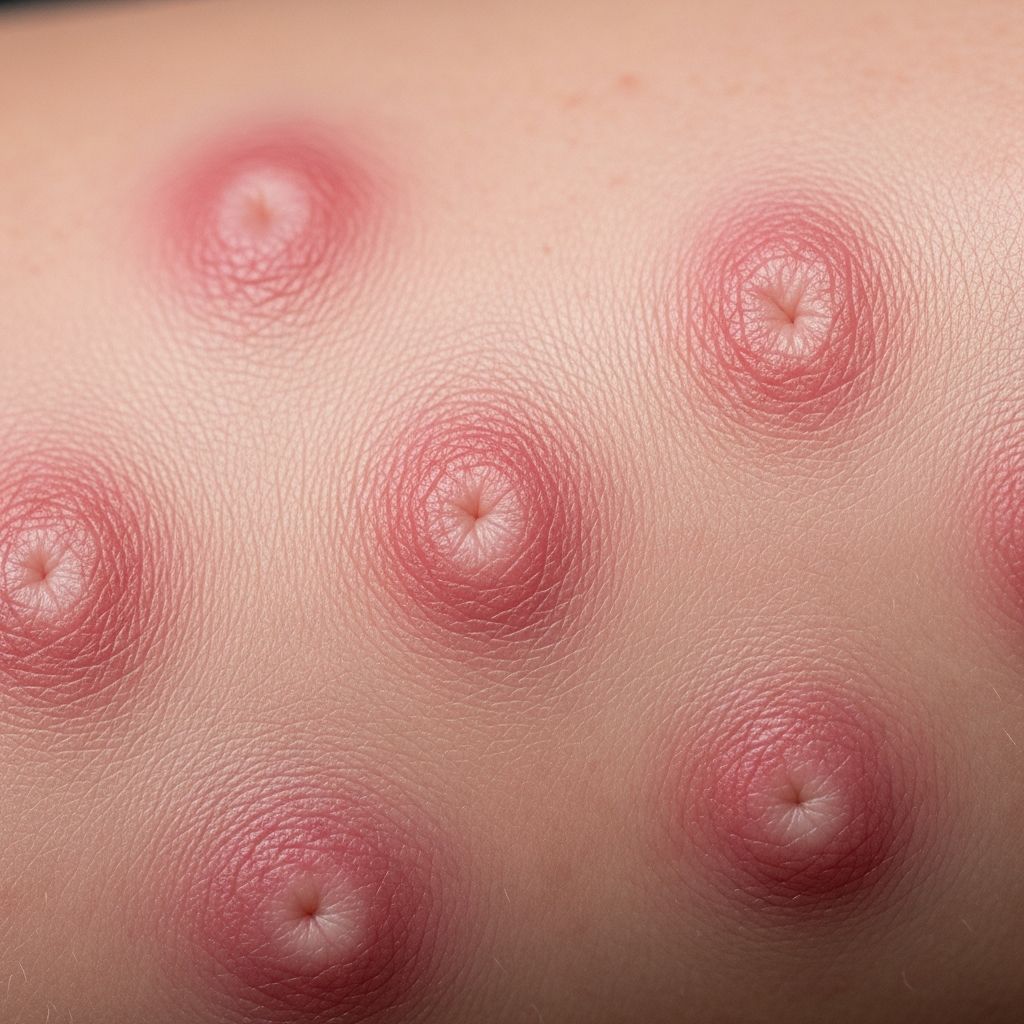
Chronic urticaria, commonly known as chronic hives, is a persistent skin condition characterized by the repeated appearance of red, itchy welts on the skin lasting longer than six weeks. Unlike acute urticaria, which resolves within days or weeks, chronic urticaria can significantly impact quality of life due to its prolonged nature and unpredictable symptomatology. This condition affects a substantial portion of the population at some point in their lives, with most cases being idiopathic in nature, meaning the underlying cause remains unknown.
Definition and Classification
Chronic urticaria is defined by the continuous or frequently recurring appearance of hives for a minimum of six weeks. The condition presents in several distinct forms, each requiring specific diagnostic and therapeutic approaches. Healthcare providers classify urticaria into three main categories to guide appropriate management strategies.
The three main types of urticaria are:
- Acute urticaria – symptoms lasting 6 weeks or less, typically triggered by identifiable factors such as foods, medications, or infections
- Chronic inducible urticaria – hives triggered by specific physical stimuli including pressure, temperature changes, sunlight exposure, or water contact
- Chronic spontaneous urticaria – unprovoked hives appearing daily or almost daily without obvious external triggers
Chronic spontaneous urticaria (CSU) represents the most common form of chronic urticaria, accounting for the majority of cases where the cause cannot be identified through standard diagnostic workup.
Causes and Pathophysiology
The underlying mechanisms of chronic urticaria involve complex immunological and inflammatory processes. In chronic spontaneous urticaria, the body’s immune system becomes dysregulated, leading to inappropriate activation of mast cells and basophils. These cells release inflammatory mediators, particularly histamine, which diffuse through skin tissues and trigger the characteristic itching and whealing responses.
While many cases of chronic urticaria are idiopathic, certain underlying medical conditions may contribute to symptom development. Potential associated conditions include:
- Thyroid autoimmune disorders
- Systemic inflammatory conditions
- Parasitic infections
- Chronic infections
- Certain malignancies
- Hepatitis C infection
Approximately 20-30% of chronic urticaria cases may have an identifiable triggering factor, though in the majority of patients, despite thorough investigation, no specific cause is discovered.
Triggering Factors and Aggravating Influences
Even in cases of chronic spontaneous urticaria, certain factors can exacerbate existing symptoms and worsen disease severity. Patients benefit substantially from identifying and avoiding these aggravating elements. Common exacerbating factors include:
- Aspirin and non-steroidal anti-inflammatory drugs (NSAIDs)
- Alcohol consumption
- Tight or constrictive clothing
- Excessive heat or cold exposure
- Emotional stress
- Menstrual cycle fluctuations in women
- Infections, particularly upper respiratory infections
Patient education regarding these triggers represents a crucial component of management strategy, allowing individuals to optimize their symptom control through behavioral modifications.
Clinical Presentation and Symptoms
Chronic urticaria manifests as recurrent episodes of hives that may vary in appearance, distribution, and severity. The characteristic lesions appear as raised, erythematous (red) wheals typically measuring 2-3 millimeters to several centimeters in diameter. These lesions are intensely pruritic and may coalesce into larger plaques covering substantial body surface areas.
Related Stories



The typical clinical presentation includes:
- Red or skin-colored raised welts (wheals) of varying sizes
- Intense itching that often worsens in evening hours or with heat exposure
- Individual lesions that typically resolve within 24 hours but are replaced by new lesions
- Lesions that may occur in crops throughout the day
- Associated angioedema (deeper tissue swelling) in some cases
- Symptoms occurring with variable frequency, from daily to intermittent
The chronic nature of this condition frequently results in significant psychological impact, including sleep disturbance, anxiety, depression, and substantial reduction in quality of life. The unpredictability of hive appearance and the persistent itching sensation can severely affect work productivity, social functioning, and emotional well-being.
Diagnosis and Evaluation
Diagnosing chronic urticaria typically follows a stepwise clinical approach focused on confirming the chronic nature of symptoms and ruling out alternative diagnoses. The diagnosis is primarily clinical, based on history and physical examination findings rather than specific laboratory tests.
Diagnostic Steps
Step 1: Confirm Chronic vs. Acute Urticaria
The initial diagnostic step involves determining whether urticaria is acute or chronic. This determination is straightforward: chronic urticaria is defined by daily or nearly daily symptoms persisting for six weeks or longer. Healthcare providers will document the onset, duration, frequency, and pattern of hive appearance.
Step 2: Determine the Type of Chronic Urticaria
Once chronic urticaria is confirmed, the clinician must differentiate between chronic inducible and chronic spontaneous urticaria. This determination involves identifying whether specific triggers consistently provoke hive formation. Dermatographism testing—observing whether hives appear following firm stroking of the skin—can help identify inducible forms.
Step 3: Rule Out Underlying Causes
The diagnostic evaluation includes limited laboratory testing to exclude underlying systemic diseases that might contribute to urticaria. Recommended initial investigations include:
- Complete blood count with differential to identify eosinophilia or other hematologic abnormalities
- Inflammatory markers including C-reactive protein and erythrocyte sedimentation rate
- Thyroid-stimulating hormone (TSH) measurement to exclude thyroid dysfunction
- Liver function tests if systemic disease is suspected
Routine allergy testing with skin prick tests is not indicated in chronic spontaneous urticaria evaluation, as allergic sensitization is not typically the underlying mechanism in these cases. If specific allergic triggers are suspected based on clinical history, targeted allergy testing may be considered.
Clinical Evaluation Approach
Healthcare providers conduct thorough clinical evaluation including:
- Detailed medical history documenting onset, pattern, duration, and severity of symptoms
- Identification of potential triggering factors through careful questioning
- Review of current and recent medications
- Assessment of associated symptoms suggesting systemic involvement
- Physical examination characterizing current lesions and assessing dermatographism
- Evaluation for signs of anaphylaxis or angioedema
- Maintenance of symptom diaries with photographic documentation to track disease patterns
Patients should be referred to board-certified allergists or dermatologists for comprehensive evaluation, particularly when diagnosis is uncertain or standard treatment approaches prove ineffective.
Treatment and Management Strategies
The fundamental principle underlying chronic urticaria management is symptom control rather than identifying and treating the underlying cause, particularly in chronic spontaneous urticaria where no cause can be identified. Treatment approaches follow a stepwise progression, beginning with first-line pharmacotherapy and advancing to more intensive interventions based on treatment response.
First-Line Pharmacological Treatment
Second-generation H1-antihistamines represent the cornerstone of chronic urticaria treatment. These medications function by blocking histamine receptors on target tissues, thereby preventing or reducing histamine-induced symptoms. Commonly prescribed second-generation antihistamines include cetirizine, loratadine, and fexofenadine, which provide effective symptom control with minimal central nervous system effects.
Key features of second-generation antihistamines include:
- Non-sedating properties allowing daytime use without impairment
- Selective H1 receptor antagonism with minimal anticholinergic effects
- Regular dosing providing sustained symptom control
- Excellent safety profile with minimal drug interactions
- Availability in both prescription and nonprescription formulations
First-generation antihistamines such as diphenhydramine are no longer recommended for routine chronic urticaria management due to significant anticholinergic properties and central nervous system depression, despite their higher potency against histamine.
Escalation of Therapy
If standard-dose second-generation antihistamines fail to achieve adequate symptom control within 2-4 weeks, dose escalation represents the recommended next step. Antihistamine doses can be increased up to four times the standard dose at 2-4 week intervals based on symptom response.
For patients not responding adequately to high-dose antihistamines, additional pharmacological agents include:
Omalizumab (Xolair) – A monoclonal antibody targeting immunoglobulin E (IgE), omalizumab effectively reduces mast cell activation in patients with refractory chronic urticaria. This agent demonstrates robust clinical efficacy in patients failing antihistamine therapy and has become a standard second-line agent in many treatment algorithms.
Cyclosporine (Sandimmune) – An immunosuppressive agent that inhibits T-cell activation, cyclosporine proves effective in severe cases resistant to other therapies. However, its potential for adverse effects necessitates careful patient selection and monitoring.
BTK Inhibitors – Bruton’s tyrosine kinase inhibitors represent a novel therapeutic class for chronic spontaneous urticaria. Remibrutinib (Rhapsido) is the first BTK inhibitor approved for this indication. BTK inhibitors work by blocking intracellular signaling pathways that promote mast cell degranulation and histamine release.
Dupilumab – This monoclonal antibody targeting IL-4 receptor alpha has received FDA approval for treating chronic spontaneous urticaria in individuals aged 12 and older, offering an alternative for patients with inadequate response to standard therapies.
Corticosteroid Use
Systemic corticosteroids play a limited role in chronic urticaria management, primarily reserved for acute flares of disease activity. Short courses of corticosteroids (3-10 days) at doses of 0.5-1 mg/kg/day may help alleviate severe symptom exacerbations and reduce flare duration. Long-term corticosteroid therapy is not recommended due to significant adverse effects associated with prolonged use.
Topical corticosteroids lack efficacy in chronic urticaria and do not constitute part of standard management approaches, with the exception of potent topical formulations in patients with localized delayed-pressure urticaria.
Non-Pharmacological Management
Lifestyle modifications and behavioral strategies complement pharmacological therapy in chronic urticaria management. Patients benefit from:
- Identification and avoidance of known triggering factors
- Elimination of aspirin and NSAIDs from medication regimens
- Alcohol avoidance or significant reduction
- Wearing loose, comfortable clothing to minimize skin irritation
- Use of cool compresses to provide symptomatic relief of itching
- Maintenance of skin care routines using gentle, non-irritating products
- Stress reduction techniques including relaxation training and mindfulness
- Documentation of symptoms and triggers through diary maintenance
Disease Course and Prognosis
Chronic urticaria demonstrates variable disease courses, with some patients experiencing remission while others develop prolonged symptoms lasting years. The prognosis for chronic urticaria is generally favorable, with spontaneous remission rates reaching approximately 80% within the first twelve months of disease onset.
In patients whose urticaria persists beyond the initial year, symptoms may continue for several additional years, though eventual complete resolution remains likely in most cases. Importantly, chronic urticaria is not life-threatening, though it substantially impacts quality of life through persistent itching, sleep disruption, and psychosocial effects.
Factors potentially influencing disease duration include disease severity at presentation, presence of associated systemic conditions, and adherence to appropriate treatment regimens. Most patients ultimately achieve complete remission without residual sequelae.
Frequently Asked Questions
Q: What is the difference between acute and chronic urticaria?
A: Acute urticaria resolves within six weeks, typically triggered by identifiable factors such as foods or medications. Chronic urticaria persists for six weeks or longer, often without an identifiable cause, and significantly impacts quality of life due to its prolonged and unpredictable nature.
Q: Why is the cause of my chronic urticaria unknown?
A: In approximately 70-80% of chronic spontaneous urticaria cases, no specific underlying cause can be identified despite thorough investigation. The condition appears to result from dysregulation of the immune system affecting mast cell function, rather than from external triggering factors.
Q: How long does chronic urticaria last?
A: Disease duration varies considerably between individuals. Approximately 80% of patients experience spontaneous remission within the first twelve months. However, some patients may experience symptoms for several years before resolution occurs. Complete remission ultimately occurs in most cases.
Q: What should I avoid if I have chronic urticaria?
A: Patients should avoid aspirin, NSAIDs, and alcohol, as these substances can exacerbate symptoms. Additionally, tight clothing, excessive heat or cold exposure, and stress may worsen hives. Identifying and avoiding personal triggers identified through symptom diaries is crucial.
Q: Are allergy tests necessary for chronic urticaria diagnosis?
A: Standard allergy testing (skin prick tests) is not indicated in chronic spontaneous urticaria evaluation, as allergic sensitization is not typically the underlying mechanism. Testing may be considered only if specific allergic triggers are suspected based on clinical history.
References
- Chronic Urticaria: Causes, Symptoms, Diagnosis, & Treatment — Allergy & Asthma Network. 2024. https://allergyasthmanetwork.org/chronic-urticaria/cu-causes-symptoms-diagnosis-treatment/
- Chronic Urticaria – StatPearls — National Center for Biotechnology Information (NCBI). 2025. https://www.ncbi.nlm.nih.gov/books/NBK555910/
- Acute and Chronic Urticaria: Evaluation and Treatment — American Academy of Family Physicians. 2017. https://www.aafp.org/pubs/afp/issues/2017/0601/p717.html
- Chronic Urticaria: Symptoms, Diagnosis and Treatment — Clínica Universidad de Navarra. 2024. https://www.cun.es/en/diseases-treatments/diseases/chronic-urticaria
- Chronic Spontaneous Urticaria (CSU) — Australasian Society of Clinical Immunology and Allergy. 2024. https://www.allergy.org.au/patients/skin-allergy/urticaria-hives-chronic
Similar Articles








Read full bio of Sneha Tete