Chronic Venous Insufficiency: Causes, Symptoms & Treatment
Learn about chronic venous insufficiency, its causes, symptoms, diagnosis, and comprehensive treatment options.
What Is Chronic Venous Insufficiency?
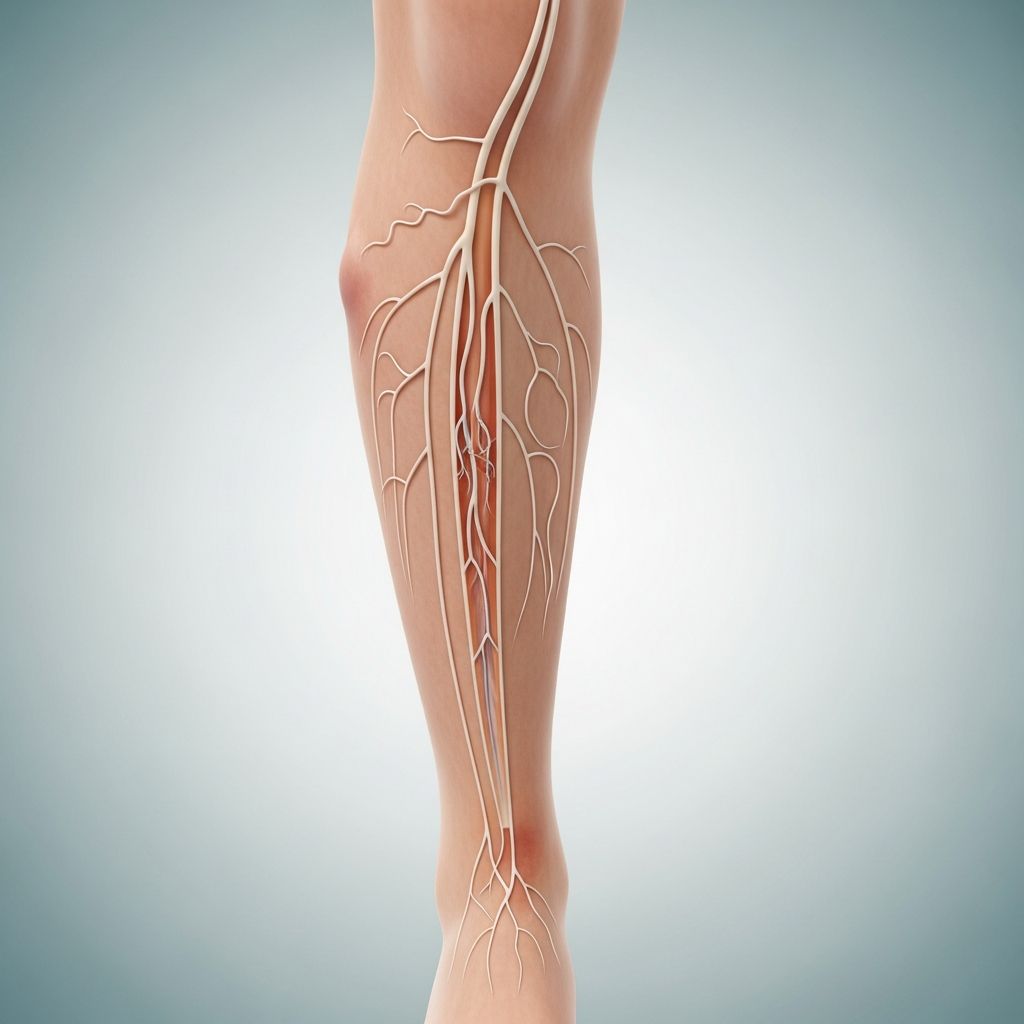
Chronic venous insufficiency (CVI) is a medical condition in which the veins in the legs struggle to return blood efficiently back to the heart. This condition develops when the valves inside the veins become damaged or weakened, preventing proper blood flow and causing blood to pool in the lower extremities. The veins are equipped with one-way valves that typically ensure blood flows upward against gravity; however, when these valves fail, blood can flow backward, creating abnormal pressure in the veins and leading to a cascade of symptoms and complications.
CVI is increasingly common, with approximately 150,000 new cases diagnosed annually in the United States, and nearly $500 million is spent annually on the care of these patients. The condition affects quality of life significantly and can lead to lost work productivity if left unmanaged. Understanding the underlying mechanisms, risk factors, and available treatment options is essential for both patients and healthcare providers to prevent disease progression and complications.
Causes and Risk Factors of Chronic Venous Insufficiency
Chronic venous insufficiency develops through various mechanisms, with incompetent venous valves being the primary underlying cause. The condition can result from several distinct origins:
Primary Causes
The most common cause of CVI is a history of deep vein thrombosis (DVT), which damages the valves in leg veins. When a blood clot forms and subsequently resolves, it can permanently damage the valve structure, leading to venous reflux. Other primary causes include congenital abnormalities where individuals are born with improperly developed leg veins that predispose them to blood flow issues.
Secondary Risk Factors
Several lifestyle and demographic factors increase the risk of developing chronic venous insufficiency:
- Being female, as women are more commonly affected than men
- Age and increasing height
- Obesity and excess body weight
- Prolonged sitting or standing without movement
- Sedentary lifestyle and lack of regular exercise
- Smoking and tobacco use
- High blood pressure in the legs due to prolonged immobility
- History of phlebitis (inflammation of a vein close to the skin)
- Family history of venous disease
- Pregnancy and hormonal changes
- Previous vein surgery or trauma to the legs
Clinical Manifestations and Symptoms
Chronic venous insufficiency presents with a range of symptoms that can vary in severity from mild to debilitating. Early recognition of these symptoms is crucial for initiating timely treatment and preventing disease progression.
Common Symptoms
Patients with CVI typically experience the following manifestations:
- Swelling in the legs and ankles (edema) that may worsen throughout the day
- Leg pain, dull aching, heaviness, or cramping sensations
- Tightness or fullness in the calves
- Leg pain while walking that improves with rest
- Varicose veins, which are enlarged, twisted veins visible on the skin surface
- Pruritus (itching) of the affected areas
- Skin discoloration, often appearing darkened or brown near the ankles
- Restless leg syndrome with a constant urge to move the legs
- Telangiectasias (dilated small blood vessels) and reticular veins (small web-like veins)
- Open sores or ulcers on the legs that do not heal properly
- Limb heaviness and fatigue
Related Stories



Disease Progression
Without proper treatment, chronic venous insufficiency is progressive and can lead to serious complications. The condition may advance from mild varicose veins and edema to severe skin changes, ulceration, and infection. Some patients develop postphlebitic syndrome, a condition characterized by persistent pain and swelling following a deep vein thrombosis. If left untreated, nearly 60% of patients develop phlebitis, which often progresses to deep vein thrombosis in more than 50% of cases, creating potentially life-threatening complications.
Diagnosis of Chronic Venous Insufficiency
Accurate diagnosis of CVI involves a combination of clinical evaluation and specialized imaging techniques to assess the severity and identify the underlying venous abnormalities.
Physical Examination
During the initial evaluation, healthcare providers perform a thorough physical examination that includes:
- Visual assessment of the legs for varicose veins, skin changes, and edema
- Palpation of the lower extremities to assess swelling and skin temperature
- Specialized maneuvers to determine valve competency
- Assessment of limb circumference to measure edema
- Evaluation of skin integrity and presence of ulcers
Ultrasound Imaging
Duplex ultrasound is the gold standard diagnostic test for chronic venous insufficiency. This non-invasive imaging technique uses sound waves to visualize the veins and assess blood flow patterns. The ultrasound can identify valve incompetence, venous reflux, and thrombosis. The test evaluates both superficial and deep venous systems to determine the extent of disease and guide treatment decisions.
Severity Assessment
The CEAP classification system (Clinical, Etiology, Anatomy, Pathophysiology) is used to standardize the assessment and reporting of CVI severity. The revised Venous Clinical Severity Score (VCSS) has been developed to help assess disease severity and determine the efficacy of treatments over time. These tools enable consistent communication among healthcare providers and help track disease progression.
Treatment and Management Strategies
The management of chronic venous insufficiency is individualized based on disease severity, patient preferences, and response to initial therapies. The primary goals of treatment are to reduce discomfort and edema, stabilize skin appearance, reduce venous reflux and varicose veins, and promote healing of any existing ulcers.
Conservative Therapies
Most patients benefit from starting with conservative, non-invasive approaches:
Leg Elevation
Elevating the legs above the level of the heart when not standing helps facilitate venous return, decreases blood pooling, and reduces swelling. Patients are encouraged to elevate their legs for 15-20 minutes several times daily and when resting or sleeping.
Exercise and Physical Activity
Regular exercise that stimulates the calf muscles is essential for improving circulation. Activities such as walking, swimming, and cycling activate the calf muscle pump, which assists in returning blood to the heart. Resistance exercises and weight management also help optimize venous function and reduce disease severity.
Compression Therapy
Compression therapy is one of the most effective non-surgical treatments for chronic venous insufficiency. Compression stockings, sleeves, and bandages apply graduated pressure to the legs, promoting blood flow from the legs to the heart and reducing swelling. Various compression levels are available, with some requiring prescription. Patients should wear compression garments during the day, particularly when standing or walking, to maximize therapeutic benefits.
Lifestyle Modifications
Additional lifestyle changes that support CVI management include:
- Avoiding prolonged sitting or standing
- Taking frequent breaks to move and stretch
- Maintaining a healthy body weight
- Smoking cessation
- Wearing appropriate footwear
- Keeping skin clean and moisturized
Pharmacologic Treatments
When conservative therapies alone are insufficient, medications may be prescribed to reduce inflammation, manage pain, and improve symptoms. These pharmacologic agents can complement compression therapy and lifestyle modifications to optimize patient outcomes.
Minimally Invasive Procedures
For patients with moderate to severe CVI who do not adequately respond to conservative measures, minimally invasive procedures offer effective alternatives to traditional surgery:
Endovenous Ablation
Endovenous laser therapy and radiofrequency ablation are minimally invasive procedures that use heat to close damaged veins from the inside. A catheter is inserted into the affected vein, and either laser energy or radiofrequency waves are applied to damage the vein wall, causing it to seal shut. Blood is then rerouted through healthy veins, improving overall circulation.
Sclerotherapy
In sclerotherapy, a chemical solution, salt water, or foam is injected directly into the problematic vein. This causes the vein to harden and eventually disappear as the body absorbs it. This technique is particularly effective for smaller varicose veins and spider veins.
Surgical Interventions
For individuals with severe symptoms that do not respond to pharmacological or endovenous therapy, surgical management may be considered. Surgical options include vein ligation (tying off the vein) and vein stripping (removing the affected vein). Surgery is particularly beneficial for patients with persistent discomfort and disability, recurrent varicose veins, inability to cooperate with compression treatment, and chronic nonhealing venous ulcers. Surgical treatment is typically combined with compression stockings for optimal outcomes.
Complications of Untreated Chronic Venous Insufficiency
Delayed or absent treatment of chronic venous insufficiency can result in rapid disease progression and serious complications that significantly impact patient health and quality of life:
Venous Ulcers
Chronic venous ulcers are among the most common and serious complications of untreated CVI. These are painful, open sores typically located on the lower leg and ankle area that develop due to prolonged venous hypertension and tissue damage. Venous ulcers are notoriously difficult to treat and are very prone to recurrence if the underlying venous insufficiency is not corrected.
Infection and Cellulitis
If venous ulcers become infected, the infection can spread throughout the leg, causing a dangerous condition called cellulitis. This bacterial infection requires prompt medical attention and a full course of antibiotics to prevent serious systemic complications.
Deep Vein Thrombosis
Without adequate treatment, chronic venous insufficiency increases the risk of developing deep vein thrombosis, a potentially life-threatening condition in which blood clots form in the deep veins of the legs. Severe hemorrhage is also a possible complication of advanced untreated CVI.
Prognosis and Long-term Outlook
Chronic venous insufficiency is not a benign disorder and carries significant morbidity if left untreated. The condition is progressive, meaning it tends to worsen over time without appropriate management. With timely diagnosis and comprehensive treatment, many patients experience substantial symptom improvement and can maintain quality of life. However, recurrences are common if venous hypertension persists, and ongoing management is typically necessary. The financial cost of CVI care, particularly for severe cases requiring multiple interventions or managing complications, can be substantial. Early intervention with conservative therapies and appropriate escalation to minimally invasive or surgical procedures when necessary offers the best prognosis and outcomes.
Frequently Asked Questions
Q: What is the difference between varicose veins and chronic venous insufficiency?
A: While varicose veins are enlarged, twisted veins visible on the skin, they are actually a symptom or manifestation of chronic venous insufficiency. CVI is a broader condition involving valve dysfunction and impaired blood return to the heart, of which varicose veins are one clinical sign.
Q: Can chronic venous insufficiency be prevented?
A: While you cannot prevent CVI entirely if you have genetic predisposition or history of DVT, you can reduce your risk by maintaining a healthy weight, exercising regularly, avoiding prolonged sitting or standing, not smoking, and seeking prompt treatment for deep vein thrombosis.
Q: Is chronic venous insufficiency dangerous?
A: CVI can be serious if left untreated. Without proper management, it can progress to complications including venous ulcers, infections, deep vein thrombosis, and severe bleeding. However, with appropriate treatment, most patients manage symptoms effectively.
Q: How long does it take to see improvement with compression therapy?
A: Many patients notice improvement in swelling and discomfort within several weeks of consistent compression therapy use. However, maximum benefit typically takes several months of regular use combined with other lifestyle modifications.
Q: Will my chronic venous insufficiency come back after treatment?
A: Recurrence is common if the underlying venous hypertension is not adequately addressed. This is why ongoing management with compression, exercise, and lifestyle modifications is often recommended even after minimally invasive procedures or surgery.
References
- Venous Insufficiency — National Center for Biotechnology Information (NCBI), National Library of Medicine. 2024. https://www.ncbi.nlm.nih.gov/books/NBK430975/
- Chronic Venous Insufficiency: Causes, Symptoms & Treatment — Cleveland Clinic. 2024. https://my.clevelandclinic.org/health/diseases/16872-chronic-venous-insufficiency-cvi
- Chronic Venous Insufficiency — Penn Medicine, University of Pennsylvania. 2024. https://www.pennmedicine.org/conditions/chronic-venous-insufficiency
- Chronic Venous Insufficiency — Society for Vascular Surgery. 2024. https://vascular.org/your-vascular-health/vascular-conditions/chronic-venous-insufficiency
- Chronic Venous Insufficiency: Risk Factors, Symptoms & Treatment — Tampa General Hospital. 2024. https://www.tgh.org/institutes-and-services/conditions/chronic-venous-insufficiency
- Chronic Venous Insufficiency — UCSF Department of Surgery. 2024. https://surgery.ucsf.edu/condition/chronic-venous-insufficiency
- Venous Insufficiency: MedlinePlus Medical Encyclopedia — U.S. National Library of Medicine. 2024. https://medlineplus.gov/ency/article/000203.htm
Similar Articles








Read full bio of Sneha Tete