Chronic Venous Insufficiency: Causes, Symptoms & Treatment
Understanding CVI: Learn about causes, symptoms, diagnosis, and effective treatment options.
What Is Chronic Venous Insufficiency?
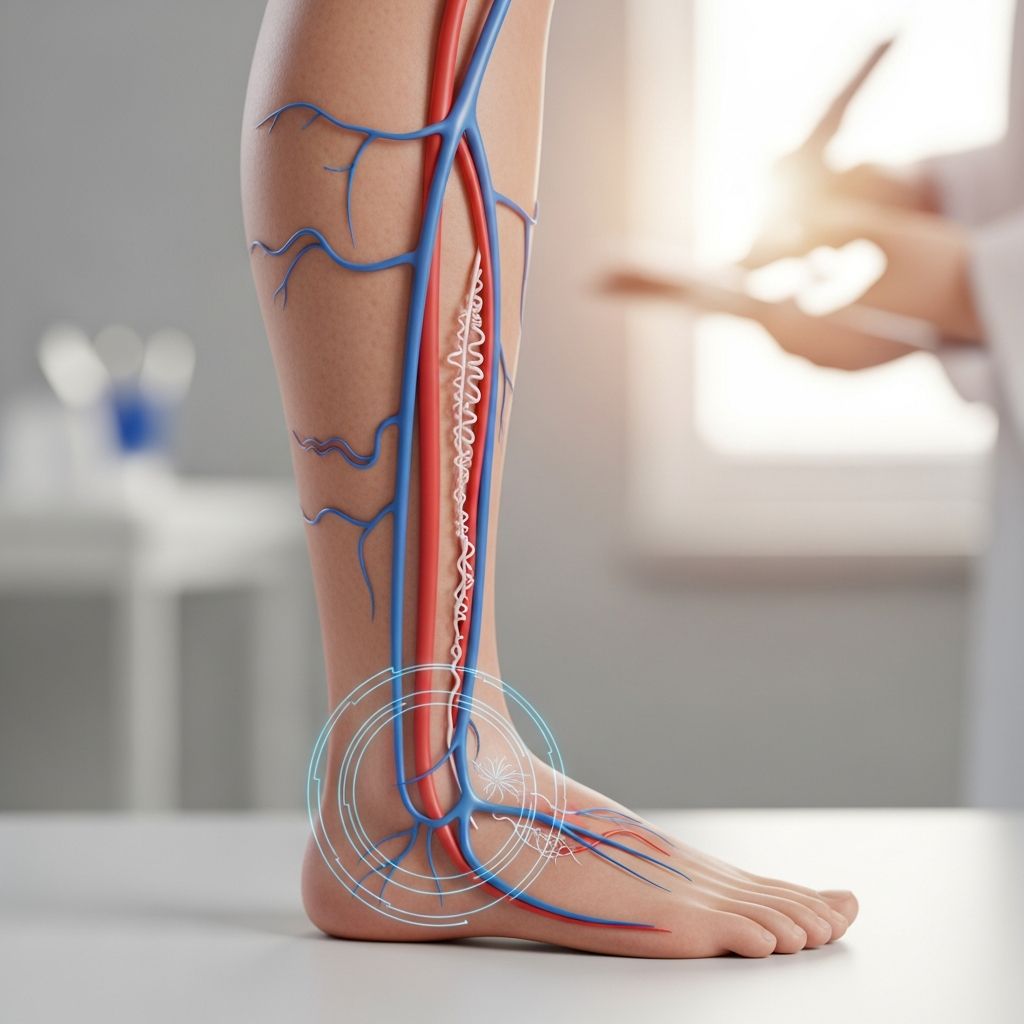
Chronic venous insufficiency (CVI) is a form of venous disease that occurs when veins in your legs become damaged and cannot manage blood flow properly. Normally, valves in your leg veins keep blood flowing back up to your heart against gravity. When these valves become damaged, blood struggles to flow upward and instead pools in your legs. This condition causes blood to accumulate in your leg veins, creating increased pressure that leads to uncomfortable symptoms like swelling, pain, and skin changes. CVI is a progressive condition that worsens over time without proper treatment and can significantly impact your quality of life.
How Common Is Chronic Venous Insufficiency?
Venous disease in general is very common throughout the population. Approximately 1 in 3 adults suffer from varicose veins, which are often an early sign of blood flow problems. Each year, about 1 in 50 adults with varicose veins go on to develop chronic venous insufficiency. Overall, CVI affects about 1 in 20 adults, making it a significant health concern. The condition usually affects people over age 50, with risk increasing substantially as you get older. Additionally, about 20% to 50% of people who have experienced deep vein thrombosis (DVT) develop post-thrombotic syndrome, usually within one to two years.
Understanding Venous Disease Stages
Venous disease progresses through different stages, and understanding where you fall on this spectrum is important for determining appropriate treatment. You will be diagnosed with chronic venous insufficiency if you are at stage 3 or above. It is crucial to understand that having varicose veins does not automatically mean you have CVI. However, varicose veins are a sign that blood flow problems exist and could worsen over time. Therefore, it is essential to inform your healthcare provider about any new varicose veins you notice, as early intervention can help prevent progression to more severe stages.
What Causes Chronic Venous Insufficiency?
Chronic venous insufficiency develops when the valves in your leg veins do not work properly. Your leg veins contain one-way valves that help blood flow in the correct direction toward your heart. If a valve becomes damaged, it cannot close properly. When this happens, gravity takes over, and blood struggles to flow upward. Instead, blood flows backward in a situation known as venous reflux. This backward flow causes blood to pool in the veins, leading to the increased pressure characteristic of CVI.
Primary Causes of Valve Malfunction
Causes of valve malfunction may be congenital, primary, or secondary. Deep vein thrombosis (DVT) is the most common cause of chronic venous insufficiency. When a blood clot forms in a deep leg vein, it can damage the valve, preventing normal function. People with a history of DVT face a significantly higher risk of developing CVI. Other causes include damage to leg veins from injury or surgery, pregnancy-related changes, obesity, and prolonged periods of immobility.
Risk Factors for Developing CVI
If you have risk factors for CVI, you are more likely than other people to develop the disease. Understanding these risk factors can help you take preventive measures and monitor your health more closely.
- Age over 50 years old
- Family history of venous disease
- History of deep vein thrombosis (DVT)
- Obesity or being overweight
- Pregnancy
- Smoking
- Sedentary lifestyle or lack of exercise
- Prolonged sitting or standing for extended periods
- Previous leg injury or surgery
- Weak leg muscles that cannot effectively squeeze blood forward
Symptoms of Chronic Venous Insufficiency
CVI can cause a wide range of symptoms that vary in severity. Early symptoms may appear mild but can become increasingly severe without effective treatment. Common symptoms include:
Related Stories



- Swelling in the ankles and legs
- Burning sensation or “pins and needles” feeling in the legs
- Tightness in the calves
- Heavy or itchy legs
- Pain when walking that stops with rest
- Restless leg syndrome with overwhelming urge to move your legs
- Reddish-brown discoloration of skin, typically near the ankles
- Flaking or dry skin on the legs and feet
- Leathery-looking skin appearance
- Varicose veins
- Venous ulcers
Complications Without Treatment
Without proper treatment, CVI can lead to serious complications. The condition slows down blood flow from your legs back up to your heart, raising the pressure in your leg veins significantly. This increased pressure can cause your tiniest blood vessels, called capillaries, to burst. When this happens, the skin in that area takes on a reddish-brown color and can easily break open if bumped or scratched. Skin damage can lead to the development of venous ulcers, which are difficult to heal and can become infected.
How Is Chronic Venous Insufficiency Diagnosed?
Chronic venous insufficiency is diagnosed through a combination of physical examination and ultrasound imaging. During the physical exam, your provider will assess your legs for signs of the condition, check for swelling, skin changes, and varicose veins. Your provider will also ask about your symptoms and medical history, including any previous blood clots or vein problems.
Ultrasound imaging is the primary diagnostic tool used to confirm CVI. This non-invasive test uses sound waves to create detailed images of your leg veins and allows your provider to visualize blood flow and valve function. Ultrasound can detect venous reflux and determine the severity of your condition, helping guide treatment decisions.
Treatment Options for Chronic Venous Insufficiency
Treatment for chronic venous insufficiency involves a comprehensive approach tailored to your individual needs. The best treatment depends on how far your condition has progressed and other medical conditions you may have. Your provider will work with you to develop a personalized treatment plan. The goals of treatment are to reduce symptoms, improve blood flow, prevent complications, and enhance your quality of life.
Lifestyle Changes
The foundation of CVI treatment involves making healthy lifestyle modifications that support better vein function and blood flow:
- Exercise regularly to strengthen leg muscles and improve circulation
- Maintain a healthy weight to reduce pressure on leg veins
- Elevate your legs above heart level regularly to promote blood flow back to the heart
- Avoid prolonged sitting or standing; move around frequently
- Wear compression stockings as recommended by your provider
- Avoid tight clothing that restricts blood flow
- Quit smoking if applicable
- Follow a heart-healthy diet
Compression Therapy
Compression therapy is a cornerstone of CVI treatment. Compression stockings or wraps apply graduated pressure to your legs, helping veins push blood back toward your heart against gravity. This treatment reduces swelling, pain, and the risk of blood clots. Your provider will recommend the appropriate compression level for your condition and show you how to apply compression garments correctly.
Medications
Medications used to treat CVI include those designed to improve blood flow and prevent complications:
- Medications to increase blood flow in the veins
- Anticoagulants or blood thinners to prevent blood clots
- Antibiotics to treat or prevent skin infections
- Pain relievers for discomfort management
- Medications to promote ulcer healing
Nonsurgical Procedures
When lifestyle changes and compression therapy are insufficient, your provider may recommend minimally invasive procedures:
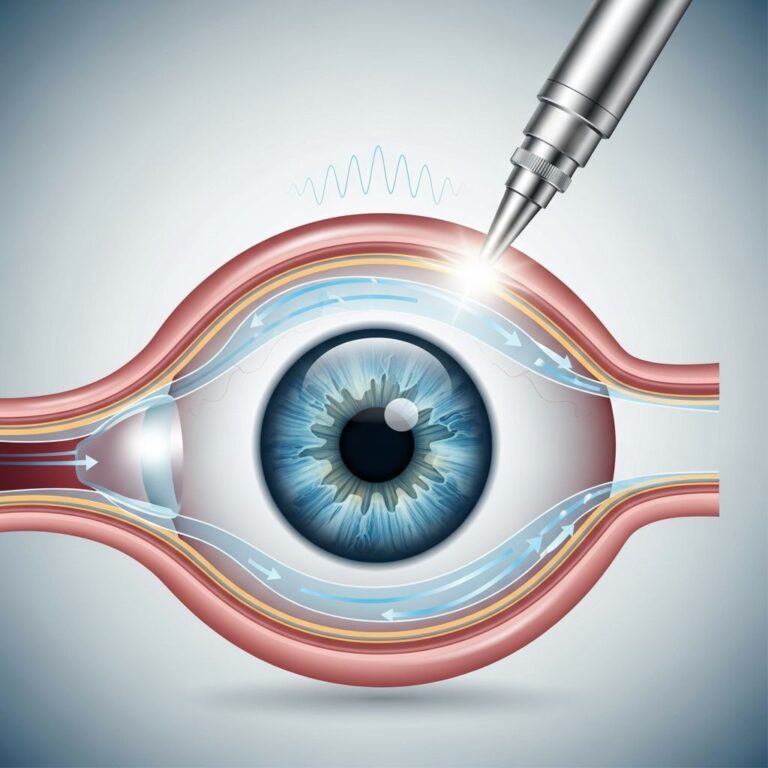
- Endovenous laser ablation: Uses laser energy to seal damaged veins
- Radiofrequency ablation: Uses heat to close problematic veins
- Sclerotherapy: Injects medication into veins to cause them to collapse
- Ultrasound-guided foam sclerotherapy: Combines ultrasound with foam medication for treatment
Surgical Treatments
In more severe cases, your physician may recommend surgery:
- Vein ligation: Surgical procedure that ties off damaged veins to prevent blood from passing through
- Vein stripping: Surgical removal of damaged veins, with blood rerouted through healthy veins
- Vein bypass: Creates an alternative route for blood flow around damaged veins
Can Chronic Venous Insufficiency Be Prevented?
Sometimes CVI cannot be prevented, particularly if you have genetic predispositions or have experienced DVT. However, you can significantly lower your risk of developing CVI and other vein problems by making important lifestyle changes. These preventive strategies are especially important if you have a family history of venous disease or other risk factors.
Prevention Strategies
- Exercise regularly to maintain healthy leg muscle function
- Maintain a healthy weight through diet and physical activity
- Avoid smoking and tobacco products
- Avoid prolonged periods of sitting or standing; move frequently throughout the day
- Elevate your legs when resting to promote blood flow
- Follow a balanced, heart-healthy diet
- Stay hydrated by drinking adequate water
- Avoid tight clothing that restricts circulation
- Manage other health conditions like high blood pressure and diabetes
- Consider compression stockings during long flights or car rides
Prognosis and Long-Term Outlook
CVI usually is not life-threatening and does not result in amputation. However, it is a progressive disease that can cause significant discomfort, pain, and reduced quality of life if left untreated. The good news is that chronic venous insufficiency cannot be cured, but you can effectively manage the condition with lifestyle changes and other treatments your provider recommends. With proper management and adherence to your treatment plan, most people experience significant symptom improvement and maintain a good quality of life.
Living with Chronic Venous Insufficiency
If you have been dealing with venous disease for some time, you may feel frustrated and wish it would simply disappear. Fortunately, there is much you can do on your own to manage your symptoms and feel better. The key to success is sticking with your treatment program. Vein problems are often more than just a cosmetic concern; CVI gets worse over time and can greatly interfere with your quality of life without proper management.
Talk with your provider about strategies for keeping up a daily treatment plan and making compression therapy doable for your lifestyle. Consistency is essential for managing CVI effectively. Many people find that establishing a routine with their compression therapy, exercise regimen, and lifestyle modifications makes the treatment more sustainable and leads to better outcomes.
Frequently Asked Questions About Chronic Venous Insufficiency
Q: What is the difference between varicose veins and chronic venous insufficiency?
A: Varicose veins are enlarged, twisted veins that are visible under the skin. While they indicate blood flow problems, having varicose veins does not necessarily mean you have CVI. CVI is diagnosed at stage 3 or above of venous disease and involves more significant valve damage and blood pooling. However, varicose veins are a warning sign that blood flow issues exist and could progress to CVI over time.
Q: Is chronic venous insufficiency life-threatening?
A: CVI is usually not life-threatening and does not result in amputation. However, it is a progressive condition that can significantly affect quality of life through pain, swelling, and skin complications if left untreated. Proper management can help prevent progression and complications.
Q: Can chronic venous insufficiency be cured?
A: No, chronic venous insufficiency cannot be cured. However, symptoms can be effectively managed with lifestyle changes, compression therapy, medications, and sometimes procedures or surgery. With appropriate treatment, most people experience significant improvement in symptoms and quality of life.
Q: How long does it take to see improvement with treatment?
A: The timeline for improvement varies depending on the severity of your condition and the treatments used. Many people notice symptom improvement within weeks of starting compression therapy and lifestyle changes. Procedures may take longer to show full results, sometimes several weeks to months.
Q: What should I do if I think I have chronic venous insufficiency?
A: If you notice symptoms such as leg swelling, pain, skin discoloration, or varicose veins, contact your healthcare provider. They can perform a physical examination and ultrasound to diagnose your condition and recommend an appropriate treatment plan tailored to your needs.
Q: Can I prevent chronic venous insufficiency if I have a family history?
A: While genetic factors increase your risk, you can still lower your chances of developing CVI by maintaining a healthy weight, exercising regularly, avoiding smoking, not sitting or standing for long periods, and elevating your legs regularly. These lifestyle modifications are particularly important if you have a family history of venous disease.
Q: Are there any restrictions on activities with chronic venous insufficiency?
A: Most people with CVI can continue their normal activities with proper management. In fact, regular exercise is encouraged to maintain leg muscle strength and promote circulation. However, you should avoid prolonged standing or sitting without moving, and your provider may recommend precautions before surgery or long-distance travel.
References
- Chronic Venous Insufficiency (CVI) — Cleveland Clinic. 2024. https://my.clevelandclinic.org/health/diseases/16872-chronic-venous-insufficiency-cvi
- Chronic Venous Insufficiency Risk Increases With Age, but Is Not a Serious Threat to Health — Discover Magazine. 2024. https://www.discovermagazine.com/health/chronic-venous-insufficiency-risk-increases-with-age
- Venous Insufficiency — Cleveland Clinic Abu Dhabi. 2024. https://www.clevelandclinicabudhabi.ae/en/health-hub/health-resource/diseases-and-conditions/venous-insufficiency
- Venous Disease Treatment: Options & Details — Cleveland Clinic. 2024. https://my.clevelandclinic.org/health/treatments/17613-venous-disease-treatments
- Varicose Veins and Venous Insufficiency — Cleveland Clinic Journal of Medicine. 2023. https://www.ccjm.org/content/91/7/401
Similar Articles








Read full bio of Sneha Tete