Chrysanthemum Allergy: Symptoms, Diagnosis & Prevention In 2025
Understanding chrysanthemum contact dermatitis: causes, symptoms, and management for gardeners and florists.
What is chrysanthemum?
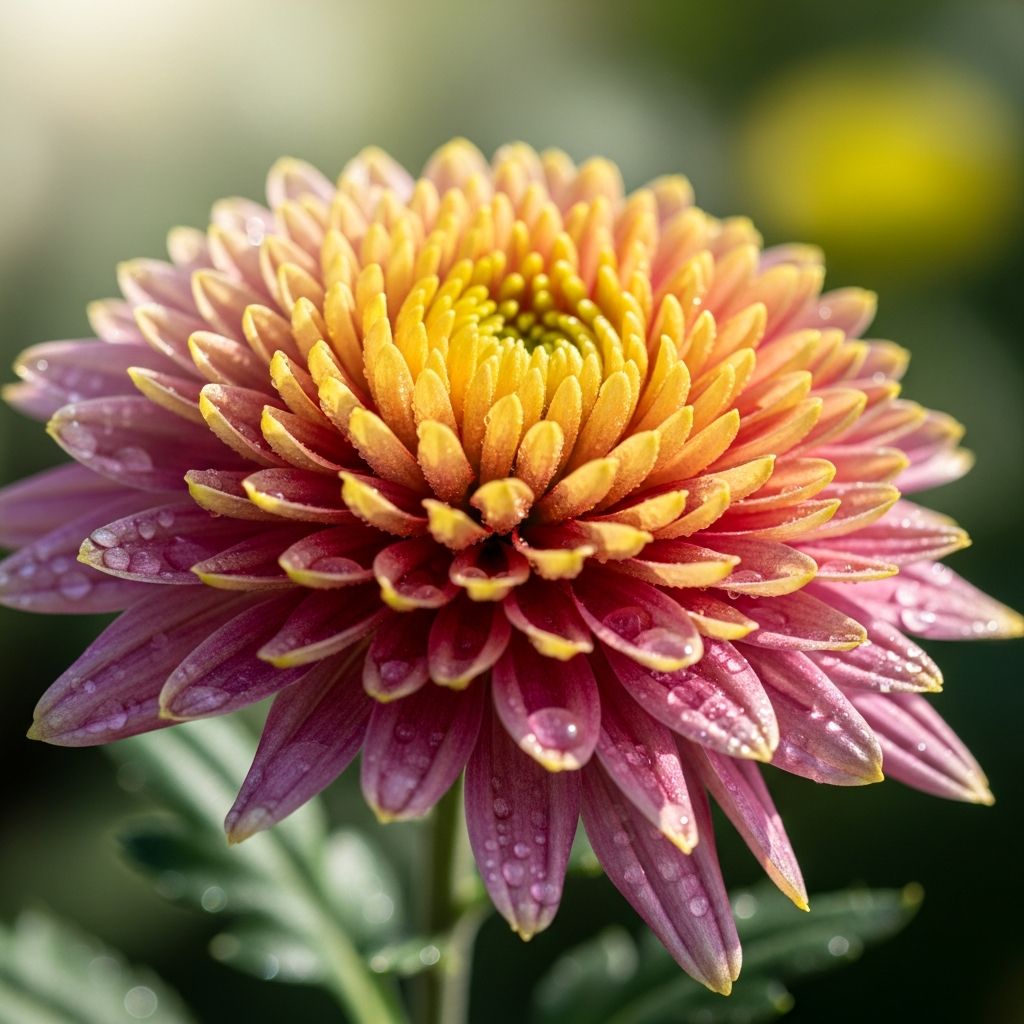
Chrysanthemums are popular ornamental flowers belonging to the large
Asteraceae
(Compositae) family, which includes relatives like dahlias, sunflowers, marigolds, zinnias, and cosmos. These vibrant blooms have been cultivated for over 2000 years, originating in Asia, particularly China, where they were initially grown as herbs believed to possess life-extending properties. Today, chrysanthemums are grown worldwide, with over 200 species encompassing annuals, herbaceous perennials, and small shrubs. Many cities host Chrysanthemum Societies dedicated to their cultivation and exhibition.A single chrysanthemum bloom consists of hundreds of tiny flowers called
florets
: outerray florets
form the petal-like structures, while centraldisk florets
create the eye. The botanical name is X dendranthema, reflecting its hybrid nature. While prized for gardens and floral arrangements, chrysanthemums pose significant risks forallergic contact dermatitis
, particularly among florists, horticulturalists, and amateur gardeners.Historical and cultural uses
In traditional Chinese medicine, chrysanthemums held mystical status. Legends describe boiled roots as remedies for headaches, young sprouts and petals in salads for vitality, and leaves brewed into festive drinks. These herbal applications highlight their dual role as both beauty and medicine, though modern evidence for therapeutic benefits is limited and overshadowed by allergy concerns.
Allergens in chrysanthemum
The primary allergens in chrysanthemums are
sesquiterpene lactones (SQLs)
, a group of compounds unique to the Compositae family. These lipophilic molecules reside on the surface of flowers, leaves, and stems, often concentrated intrichomes
(fine plant hairs). Trichomes facilitate allergen dispersal into the air, enabling airborne contact dermatitis even without direct handling.SQLs penetrate the skin barrier, triggering a type IV delayed hypersensitivity reaction in sensitized individuals. Key allergens include parthenolide (also found in feverfew) and other lactones like costunolide and dehydrocostus lactone. Exposure occurs via direct contact during bud removal, pruning, or arranging flowers, with allergens transferring to skin, clothing, and tools.
Clinical features of chrysanthemum dermatitis
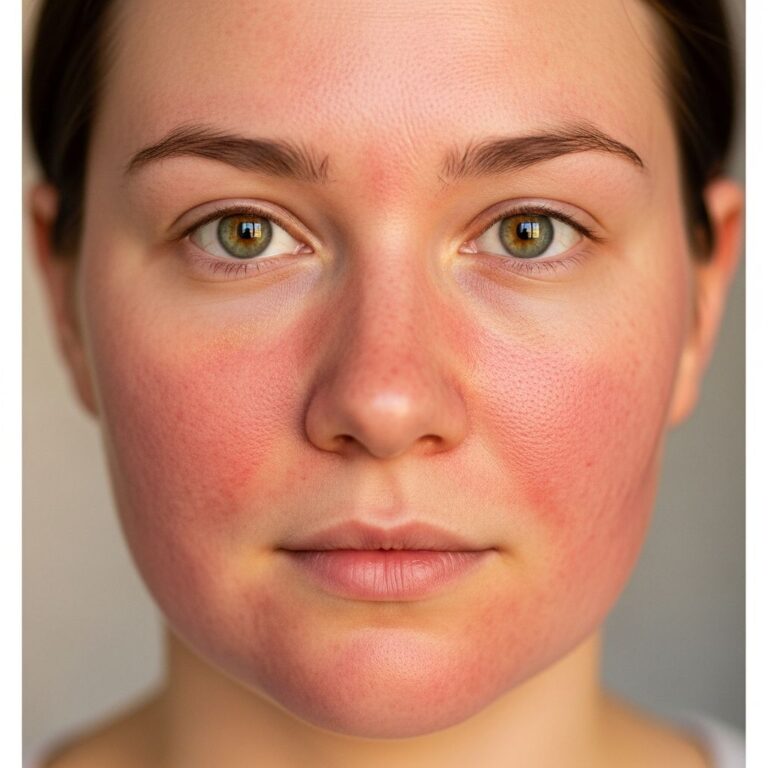
**Allergic contact dermatitis** from chrysanthemums typically begins on the
fingertips
, where workers snap off flower buds, releasing allergens. The reaction spreads toforearms
,face
,neck
, and eyelids due to inadvertent transfer or airborne exposure. Initial symptoms include intenseitching
,redness
, andvesicles
(small blisters) that evolve into scaly, thickened plaques.The dermatitis can be remarkably persistent, lasting months despite allergen avoidance. Chronic exposure may lead to
chronic actinic dermatitis (CAD)
, a severe photosensitivity disorder combining plant allergy with UV sensitivity, predominantly affecting older men with outdoor occupations.Less commonly,
contact urticaria
manifests as immediate itchy wheals within minutes of handling, resolving spontaneously in an hour. This type I hypersensitivity involves histamine release and requires prick testing for diagnosis.| Feature | Description |
|---|---|
| Onset site | Fingertips, then forearms/face |
| Symptoms | Itch, vesicles, scaling, lichenification |
| Duration | Weeks to months; chronic in severe cases |
| Complications | Chronic actinic dermatitis, secondary infection |
Epidemiology and occupational risk
Chrysanthemums are the
leading cause
of occupational dermatitis from Compositae plants, accounting for up to 80% of cases among florists and nursery workers. Studies show sensitization rates of 5-10% in florists, rising with years of exposure. Amateur gardeners face similar risks during seasonal planting. Women predominate due to workforce demographics, but chronic forms affect men more.Related Stories



Global prevalence varies; in Europe, Compositae allergy constitutes 1-2% of patch-tested patients, with chrysanthemum implicated in many. New Zealand reports align, with florists frequently presenting to dermatologists.
Cross-reactivity in Asteraceae family
Sensitization to chrysanthemum SQLs confers
cross-reactivity
across the Asteraceae family. Affected individuals must eliminate all related plants from home and garden, as pollen traces trigger reactions on exposed skin. Common cross-reactants include:- Feverfew (Tanacetum parthenium): Used in skincare; parthenolide causes dermatitis.
- Ragweed (Ambrosia spp.): Airborne pollen allergy.
- Dandelion (Taraxacum officinale): Common weed.
- Marigold (Tagetes spp.), sunflower, artichoke, lettuce.
Use parthenolide-free products labeled ‘purified extract’ to avoid reactions.
Diagnosis
Diagnosis relies on clinical history of plant exposure and characteristic distribution, confirmed by
patch testing
. Standard allergens include Compositae mix (5-6% pet., containing SQLs) and specific SQLs like parthenolide (0.1%). Positive reactions (D2-D4) show erythema, papules, or vesicles.Sesquiterpene lactone mix is commercially available. Airborne pattern suggests inhalant exposure. Differential diagnoses: irritant dermatitis, photoallergic contact dermatitis, airborne photocontact dermatitis.
Patch test allergens
- Sesquiterpene lactone mix (0.1% pet.)
- Compositae mix (5% pet.)
- Parthenolide 0.1%
Differential diagnosis
- Irritant contact dermatitis: Non-immunologic, from mechanical injury or sap.
- Photoallergic dermatitis: UV-enhanced reaction.
- Atopic dermatitis: Flexural, personal/family atopy history.
- Chronic actinic dermatitis: Persistent photosensitivity.
- Phytophotodermatitis: Phototoxic from psoralens (e.g., parsnip).
Management and prevention
Avoidance is paramount: ban all Asteraceae plants from environment. Use barrier creams (containing SQL absorbers like allantoin), gloves (nitrile preferred over latex), and protective clothing. Wash immediately post-exposure with soap/water.
For acute dermatitis: potent topical corticosteroids (e.g., clobetasol 0.05%) under occlusion, emollients, oral antihistamines. Severe/persistent cases warrant systemic corticosteroids (prednisone 0.5-1 mg/kg tapered over 2-4 weeks) or immunosuppressants (azathioprine, cyclosporine).
Florists may need career counseling; patch test family members preemptively.
Prognosis
With strict avoidance, most improve within weeks, but chronic lichenification persists. CAD carries risk of squamous cell carcinoma. Ongoing exposure leads to occupational disability.
Related conditions
Frequently Asked Questions
What occupations are at highest risk for chrysanthemum allergy?
Florists, horticulturalists, nursery workers, and gardeners handling Compositae plants.
How does chrysanthemum dermatitis spread?
Starts on fingertips, spreads via hand transfer to face/forearms; airborne allergens affect neck/eyelids.
Can I still garden if allergic to chrysanthemums?
No; eliminate all Asteraceae plants to prevent flares.
What does patch testing involve?
Allergens taped to back for 48h; read at day 2/4 for delayed reactions.
Is chrysanthemum allergy curable?
Not curable; managed by lifelong avoidance.
Patient information leaflet
Print this page for patients. Chrysanthemum allergy causes itchy rash from handling flowers. Avoid all daisy-family plants. Use gloves, wash hands. See dermatologist for patch tests/treatment.
References
- Chrysanthemum – DermNet — DermNet NZ (Hon A/Prof Marius Rademaker). 2025. https://dermnetnz.org/topics/chrysanthemum
- Feverfew – DermNet — DermNet NZ. 2025. https://dermnetnz.org/topics/feverfew
- Chrysanthemum allergy image — DermNet NZ. 2025. https://dermnetnz.org/imagedetail/13133-chrysanthemum-allergy
- Seventh age itch: Preventing and managing dry skin in older people — bpac.org.nz. 2014-09-01. https://bpac.org.nz/BPJ/2014/september/docs/BPJ63-dryskin.pdf
Similar Articles








Read full bio of medha deb