Chyluria: Causes, Symptoms, Diagnosis & Treatment
Understanding chyluria: Learn about causes, symptoms, diagnosis methods, and effective treatment options.
Understanding Chyluria: A Complete Guide
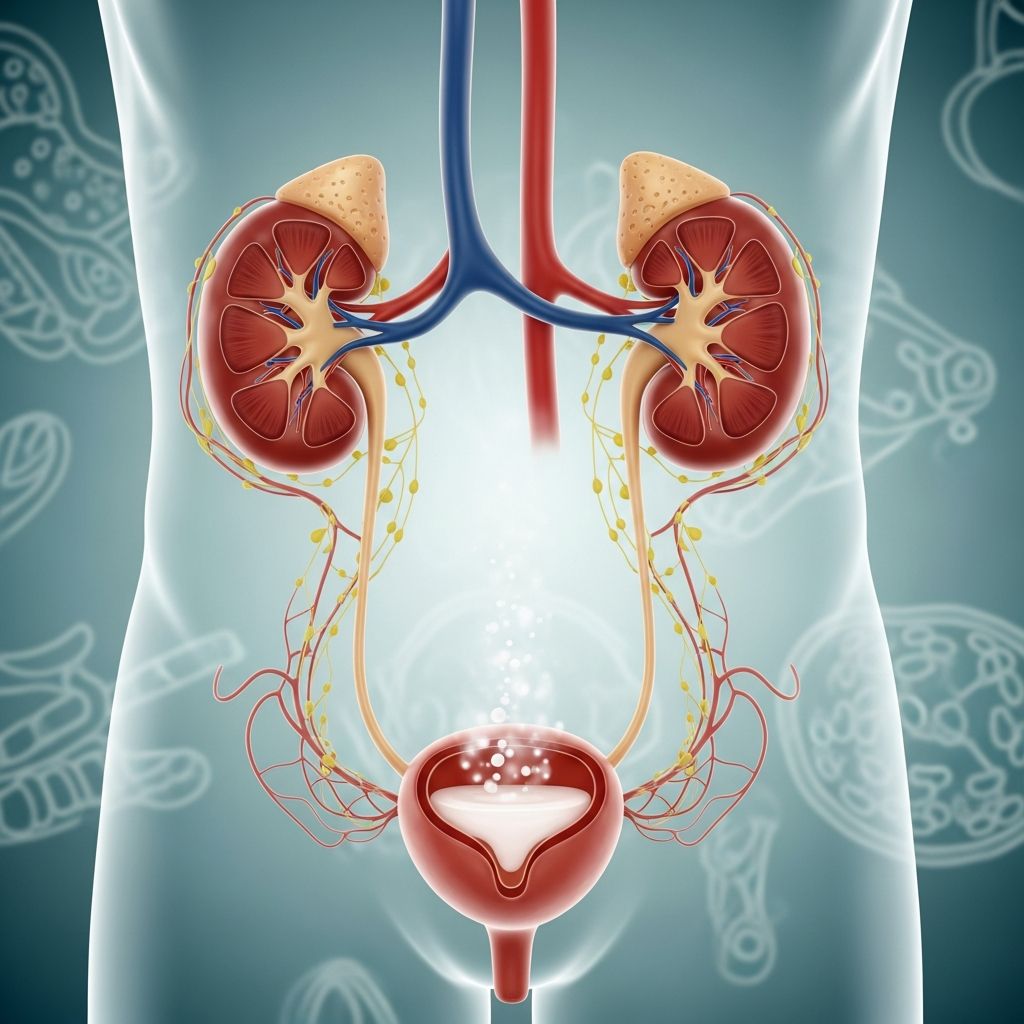
Chyluria is a medical condition in which chyle—a fluid containing fats and lymph—appears in your urine, giving it a distinctive milky white appearance. This condition can occur due to various underlying causes, ranging from parasitic infections to complications from surgical procedures. While chyluria can sometimes resolve on its own, understanding its causes, symptoms, and treatment options is essential for managing this condition effectively. The good news is that more than 70% of chyluria cases respond well to conservative treatment approaches.
What Is Chyluria?
Chyluria refers to the presence of chyle in urine, which results in the characteristic milky white or cloudy appearance of urine. Chyle is a fluid produced by the lymphatic system that contains fats, lymphocytes, and other nutrients absorbed from the digestive tract. Under normal circumstances, chyle remains contained within the lymphatic vessels and doesn’t enter the urinary system. When dysfunction occurs in the lymphatic system, chyle can leak into the urinary tract, leading to chyluria.
The condition can vary significantly in severity. In some cases, it may be asymptomatic and discovered incidentally during routine urinalysis. In other cases, chyluria can cause considerable discomfort and lead to serious complications such as vitamin deficiencies, malnutrition, and immunosuppression if left untreated.
Causes of Chyluria
Chyluria can develop from both parasitic and non-parasitic causes. Understanding the underlying cause is crucial for determining the most appropriate treatment strategy.
Parasitic Causes
The most common parasitic cause of chyluria worldwide is infection with Wuchereria bancrofti, a parasitic nematode that affects the lymphatic system. This parasite is particularly prevalent in tropical and subtropical regions. The infection leads to obstruction of peripheral lymphatic vessels and increased pressure within these vessels, causing collateral flow of lymph to redirect from intestinal lymphatic vessels into the lymphatic vessels of the kidney and ureter. The subsequent inflammation causes dilation of lymph vessels and development of urinary fistulae, allowing chyle to pass into the urine.
Non-Parasitic Causes
Non-parasitic causes of chyluria include a diverse range of conditions:
– Congenital lymphatic malformations such as lymphangiomatosis and Gorham-Stout syndrome
– Tumors and malignancies, including acute myeloid leukemia and testicular cancer
– Blunt or penetrating trauma
– Surgical complications, including partial or complete kidney removal, kidney transplantation, and surgery for kidney or abdominal cancers
– Congenital syndromes such as Noonan and Turner syndromes
– Lymphatic to vesical fistulae
– Radiation therapy
– Infections unrelated to parasites
– Pregnancy-related complications
Among non-parasitic causes, lymphatic malformations are the most common, particularly in developed Western countries where parasitic infections are rare.
Symptoms of Chyluria
The symptoms of chyluria vary depending on the severity of the condition and the underlying cause. The most obvious symptom is the milky white or cloudy appearance of urine. Beyond this characteristic presentation, patients may experience:
– Pain or discomfort during urination (dysuria)
– Blood in the urine (hematuria)
– Increased frequency of urination
– In severe cases: weight loss, malnutrition, vitamin deficiencies, and immunosuppression
– Recurrent urinary tract infections
Some patients may have no symptoms at all and discover chyluria only through routine medical testing. The presence of symptoms often correlates with the severity of chyle leakage and the duration of the condition.
Diagnosis of Chyluria
A healthcare provider will diagnose chyluria through a combination of clinical evaluation and specialized testing. Your provider will ask detailed questions about your symptoms, medical history, and any recent surgeries or trauma.
Diagnostic Tests
Related Stories



Several tests may be ordered to confirm chyluria and determine how chyle is entering the urinary system:
– Urinalysis: Examination of urine under a microscope to identify the presence of chyle and fat globules
– Triglyceride tests: Measuring triglyceride levels in the urine to confirm the presence of fats
– Ultrasonography: Imaging of the kidneys and urinary tract to identify structural abnormalities
– Lymphangiography: Specialized imaging that visualizes the lymphatic system to locate the source of chyle leakage
– Endoscopy: Direct visualization of the urinary tract using a thin, flexible instrument
These tests work together to confirm the diagnosis and identify the underlying cause, which is essential for developing an effective treatment plan.
Treatment Options for Chyluria
Treatment for chyluria ranges from conservative management to invasive surgical interventions. Your healthcare provider will recommend the most appropriate approach based on the severity of your symptoms, the underlying cause, and how well your body responds to initial treatments.
Conservative Treatment
Conservative management is the first-line treatment for most chyluria cases, and it has a success rate exceeding 70%. Conservative approaches aim to reduce chyle production and allow the lymphatic system to heal naturally.
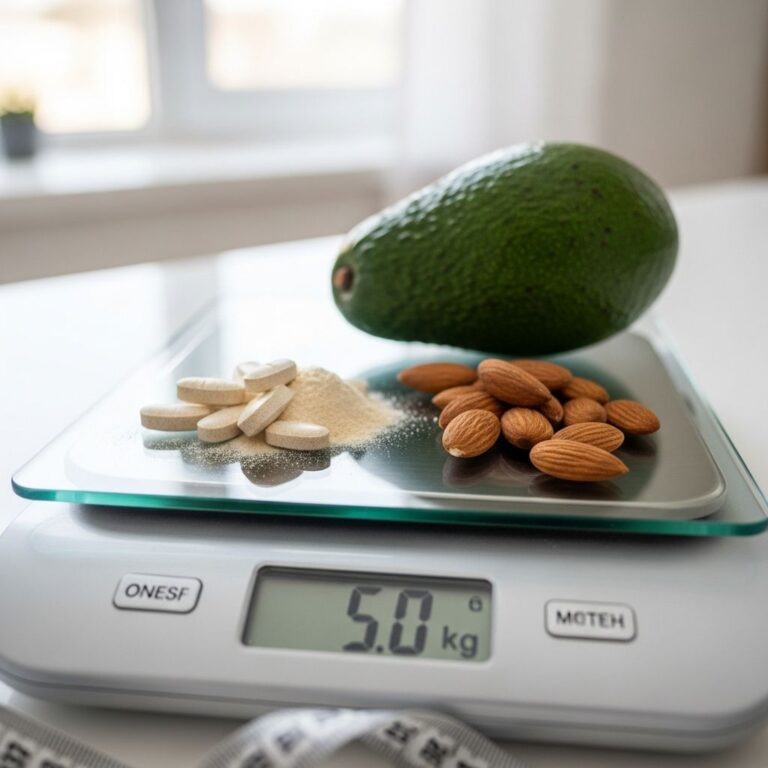
Dietary Modifications: Your healthcare provider may recommend a strict low-fat, high-protein diet as a fundamental component of conservative treatment. Limiting fat intake helps your body produce less chyle. The recommended fat restriction typically involves consuming less than 25 grams of fat daily. Your diet should emphasize:
– Leafy green vegetables
– Vitamins A, D, E, and K
– High-protein foods including lean meats, fish, and legumes
– Whole grains and complex carbohydrates
Rest and Fluid Intake: Your healthcare provider may recommend bed rest and increasing your fluid intake to help flush the lymphatic system and promote natural healing. Adequate hydration supports overall lymphatic function and helps maintain proper urinary flow.
Parenteral Nutrition: In some cases, your healthcare provider may recommend parenteral nutrition (PN), also called total parenteral nutrition (TPN). With this treatment, you receive your caloric and nutritional needs through intravenous (IV) fluids, bypassing the digestive system and reducing chyle production temporarily while the lymphatic system recovers.
Medications: Certain medications can help manage chyluria. For parasitic infections, anti-filarial drugs such as diethylcarbamazine (DEC) may be prescribed, typically administered at 6 mg/kg/day for 21 days. Other medications may include ivermectin, albendazole, and benzathine penicillin. Medications that inhibit cholesterol absorption in the small intestine, such as ezetimibe, may also be effective in reducing chyle production.
Abdominal Binders: Some healthcare providers recommend abdominal binders, which increase intra-abdominal pressure and reduce lympho-urinary reflux, though evidence supporting this approach is limited.
Minimally Invasive Treatment
If conservative treatment fails after a reasonable period, minimally invasive procedures may be recommended. Sclerotherapy is the most common minimally invasive approach.
Sclerotherapy: This procedure involves injecting a special chemical solution (sclerosant) directly into the renal pelvis (the center of the kidney). The sclerosant causes inflammation and scarring of the lymphatic vessels, effectively sealing the leak. Common sclerosing agents include:
– Silver nitrate (0.1-3%)
– Povidone iodine (0.2%)
– Sodium iodide (1-25%)
– Potassium bromide (10-25%)
– Dextrose (50%)
Embolization: When lymphatic imaging can demonstrate the source of the lymph leak, the damaged lymphatic vessel may be sealed using an embolization procedure. This minimally invasive technique involves catheterization to block or seal the leaking vessel without requiring major surgery.
Invasive Surgical Treatment
For patients who do not respond to conservative or minimally invasive treatments, surgical intervention may be necessary. Surgical options vary depending on the underlying cause and may include procedures to repair or reconstruct the lymphatic system, remove affected tissue, or correct the anatomical defect causing chyle leakage.
Recommended Diet for Chyluria Management
Dietary management plays a central role in treating chyluria. Following a low-fat, high-protein diet can significantly improve symptoms and promote healing of the lymphatic system.
| Food Category | Recommended Foods | Foods to Avoid |
|---|---|---|
| Proteins | Lean chicken, fish, turkey, legumes, tofu | Fatty meats, processed meats, full-fat dairy |
| Vegetables | Leafy greens, broccoli, carrots, asparagus | High-fat prepared vegetables |
| Fruits | Apples, berries, citrus fruits, melons | Avocados, coconut |
| Grains | Whole wheat bread, brown rice, oats | Croissants, pastries, fried foods |
| Dairy | Fat-free or low-fat milk, yogurt | Whole milk, cream, cheese, ice cream |
When to Seek Medical Help
You should contact your healthcare provider if you experience:
– Milky white or cloudy urine
– Blood in your urine
– Pain or burning during urination
– Increased urinary frequency
– Unexplained weight loss or malnutrition
– Signs of recurring urinary tract infections
Early diagnosis and treatment can prevent complications and improve outcomes significantly.
Frequently Asked Questions
Q: Can chyluria go away on its own?
A: Yes, up to 50% of chyluria cases may resolve spontaneously without treatment. However, don’t wait passively; implementing conservative measures like dietary changes and increased fluid intake can accelerate recovery and prevent complications.
Q: What is the success rate of conservative treatment?
A: More than 70% of chyluria cases respond well to conservative treatment approaches including dietary modifications, rest, and increased fluid intake. This makes conservative management the preferred first-line treatment option.
Q: How long does it take for chyluria to resolve?
A: The duration varies depending on the underlying cause and severity of the condition. While some cases resolve within weeks to months with conservative treatment, others may require months to years. Your healthcare provider can give you a more specific timeline based on your individual situation.
Q: Is chyluria caused by parasites common in the United States?
A: Parasitic chyluria due to Wuchereria bancrofti is rare in the United States but common in tropical and subtropical regions. Non-parasitic causes like lymphatic malformations are more common in developed Western countries.
Q: What complications can occur if chyluria is left untreated?
A: Untreated chronic chyluria can lead to malnutrition, fat-soluble vitamin deficiency, weight loss, hypoproteinemia, immunosuppression, and recurrent urinary tract infections.
Q: Are there any permanent side effects from sclerotherapy?
A: Sclerotherapy is generally safe with minimal side effects. Some patients may experience temporary discomfort or mild bleeding, but serious complications are rare when performed by experienced specialists.
Q: Can pregnancy cause chyluria?
A: Yes, pregnancy-related complications are among the documented non-parasitic causes of chyluria. Hormonal changes and increased pressure on the lymphatic system during pregnancy can occasionally trigger this condition.
Q: What should I eat if I have chyluria?
A: Follow a strict low-fat, high-protein diet with less than 25 grams of fat daily, emphasizing leafy greens, vitamins A, D, E, and K, and lean proteins. Your healthcare provider can provide a detailed meal plan tailored to your specific needs.
Conclusion
Chyluria, while potentially concerning, is highly treatable with the right approach. The presence of chyle in your urine doesn’t necessarily mean you’re facing a long-term health crisis—most cases respond excellently to conservative treatment. By working closely with your healthcare provider, following dietary recommendations, and remaining patient during the healing process, you can effectively manage this condition and prevent complications. If conservative measures don’t produce results within a reasonable timeframe, minimally invasive and surgical options offer additional hope for resolution. The key is early diagnosis, appropriate treatment, and consistent follow-up care.
References
- Chyluria: Causes, Symptoms, Diagnosis & Treatment — Cleveland Clinic. 2024. https://my.clevelandclinic.org/health/diseases/24171-chyluria
- Chyluria — Nemours KidsHealth. 2024. https://kidshealth.org/en/parents/chyluria.html
- Chyluria — Children’s Hospital of Philadelphia. 2024. https://www.chop.edu/conditions-diseases/chyluria
- Chyluria: what does the clinician need to know? — National Center for Biotechnology Information (NCBI), U.S. National Library of Medicine. 2020. https://pmc.ncbi.nlm.nih.gov/articles/PMC7366404/
- Chyluria — Nicklaus Children’s Hospital. 2024. https://www.nicklauschildrens.org/conditions/chyluria
Similar Articles








Read full bio of medha deb