Ciclopirox: 6 Effective Uses For Fungal Skin And Nails
Discover how ciclopirox combats fungal infections with its unique broad-spectrum action and minimal side effects for skin and nails.

Ciclopirox stands out as a broad-spectrum topical antifungal medication effective against a range of dermatophytes, yeasts, and certain bacteria, primarily used for superficial skin and nail infections.
Understanding the Science Behind Ciclopirox
This hydroxypyridone agent operates through a multifaceted mechanism that disrupts fungal cell integrity by chelating metal ions essential for fungal enzymes, inhibiting processes like DNA replication and energy production. Unlike azoles or allylamines, ciclopirox alters fungal cell membrane permeability and blocks key metabolic pathways, leading to fungal cell death. It also exhibits antibacterial effects against Gram-positive and Gram-negative bacteria, and anti-inflammatory properties by suppressing prostaglandin and leukotriene synthesis via 5-lipoxygenase and cyclooxygenase inhibition.
Primary Applications in Dermatology
Ciclopirox targets common fungal conditions where topical therapy suffices. Key uses include:
- Athlete’s foot (tinea pedis): Relieves itching, scaling, and cracking between toes.
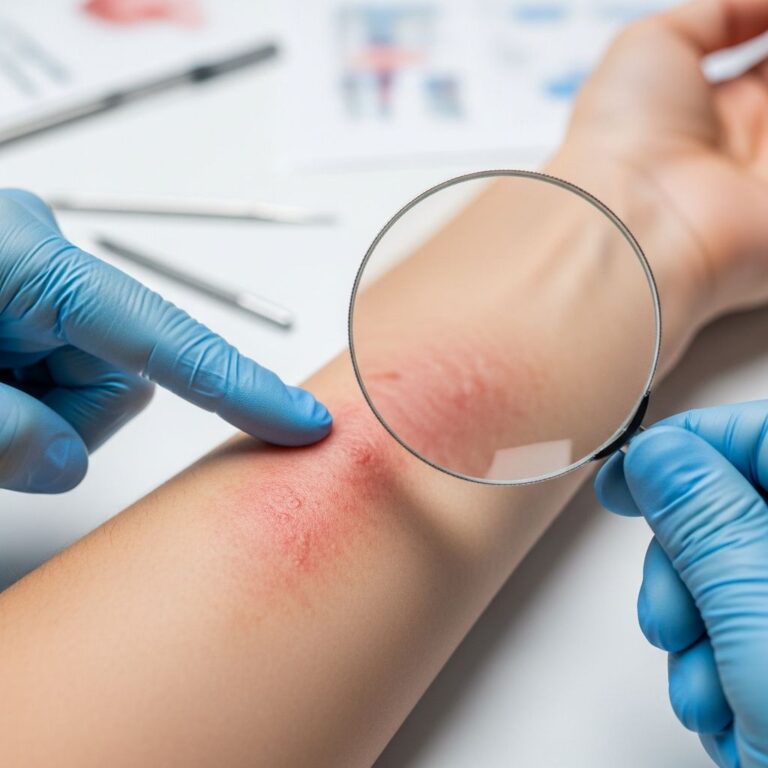
- Ringworm (tinea corporis): Clears circular, scaly patches on the body.
- Jock itch (tinea cruris): Treats groin-area rashes with redness and irritation.
- Nail fungus (onychomycosis): Addresses mild to moderate cases in fingernails and toenails, especially due to Trichophyton rubrum, when used with nail trimming.
- Cutaneous candidiasis: Manages infections from Candida species in moist skin areas like folds.
- Seborrheic dermatitis: Controls flaky, itchy scalp and skin conditions linked to Malassezia yeast.
Its versatility extends to intertrigo in skin folds and paronychia around nails, benefiting from combined antifungal, antibacterial, and soothing effects.
Available Formulations and Targeted Delivery
Ciclopirox comes in forms optimized for specific sites:
| Formulation | Typical Use | Application Frequency |
|---|---|---|
| Cream or gel (1% ciclopirox olamine) | Skin infections (tinea, candidiasis) | Twice daily for 2-4 weeks |
| Nail lacquer or solution (8%) | Onychomycosis | Daily, with weekly removal |
| Shampoo (1%) | Seborrheic dermatitis, scalp infections | Twice weekly initially, then maintenance |
| Lotion or suspension | Moist areas, broader skin coverage | Twice daily |
These options allow precise treatment, with nail lacquers penetrating keratin layers effectively for onychomycosis.
Proven Effectiveness from Clinical Evidence
Studies affirm ciclopirox’s reliability. A retrospective analysis of 613 dermatophytosis patients using 1% cream twice daily for 6 weeks showed 73.89% complete cure, 75.37% mycological cure, and 77.65% clinical cure rates. It outperformed clotrimazole in tinea pedis trials, with faster symptom relief (93% improvement at week 1 vs. 71%). For onychomycosis, it’s indicated for mild-moderate cases in immunocompetent patients. Seborrheic dermatitis trials reported superiority over vehicle controls with twice-daily then once-daily regimens.
In candidiasis, multicenter trials demonstrated quicker cures than imidazoles. A Cochrane review supports its efficacy for tinea pedis versus placebo. Even in treatment-resistant cases, cure rates reached 72.15%, highlighting its role as a first- or second-line option.
Step-by-Step Guide to Proper Use
- Clean and dry the affected area thoroughly.
- Apply a thin layer of cream/gel to cover skin lesions, extending 1-2 cm beyond edges, twice daily.
- For nails, file surface, apply lacquer daily, remove weekly with alcohol, and repeat for up to 48 weeks.
- Shampoo: Lather into wet hair/scalp, leave 3 minutes, rinse; use 2-4 weeks initially.
- Wash hands after application; avoid eyes, mouth, mucous membranes.
- Continue full course even if symptoms improve to prevent recurrence.
Combine with hygiene: Keep areas dry, wear breathable fabrics, trim nails regularly.
Potential Adverse Reactions and Management
Local effects are mild and infrequent (<5%): redness, itching, burning at site, dryness, or peeling. Nail use may cause periungual inflammation or discoloration. Rare systemic absorption occurs with intact skin, but avoid large areas or broken skin. Discontinue if severe irritation develops. No significant drug interactions due to topical nature.
Related Stories



- Common (1-10%): Application-site erythema, pruritus.
- Rare: Allergic contact dermatitis, nail changes.
Pregnant/breastfeeding individuals: Limited data; use only if benefits outweigh risks. Not for children under 10 for nail lacquer without advice.
Special Considerations for Vulnerable Groups
Immunocompromised patients: May require systemic antifungals; topical ciclopirox suits mild cases only.
Diabetes/peripheral vascular disease: Monitor closely as healing may delay; combine with foot care.
Children/elderly: Safe topically; adjust for smaller areas.
Avoid in lunula-involved severe onychomycosis or non-responsive strains.
When to Seek Professional Advice
Consult a doctor if no improvement in 4 weeks, worsening symptoms, spreading infection, fever, or nail separation/pain. Differential diagnoses like psoriasis or eczema may mimic fungal issues. Lab tests (KOH prep, culture) confirm diagnosis.
Prevention Strategies to Avoid Recurrence
Minimize risk with:
- Daily foot hygiene, thorough drying.
- Breathable shoes/socks, rotation to air out.
- Avoid walking barefoot in public areas.
- Trim nails straight, disinfect clippers.
- Treat tinea promptly to halt spread.
Maintenance therapy (e.g., weekly shampoo) sustains seborrheic dermatitis control.
Frequently Asked Questions (FAQs)
Is ciclopirox safe for daily use on skin?
Yes, for prescribed durations (2-6 weeks typically); minimal absorption limits risks.
How long until ciclopirox works on nail fungus?
Visible improvement in months; full treatment up to 48 weeks for toenails.
Can ciclopirox treat yeast diaper rash?
Effective against Candida; consult pediatrician for infants.
Does it interact with oral antifungals?
No known interactions; topical action is localized.
What if I miss a dose?
Apply ASAP; resume schedule, don’t double.
Comparing Ciclopirox to Other Antifungals
| Feature | Ciclopirox | Clotrimazole | Terbinafine |
|---|---|---|---|
| Spectrum | Fungi + bacteria + anti-inflammatory | Fungi (azoles) | Dermatophytes mainly |
| Forms | Cream, lacquer, shampoo | Cream, solution | Cream, spray |
| Cure Rates (Tinea) | 73-84% | 71% (week 1) | High, but less broad |
| Side Effects | Mild local | Local irritation | Burning |
Ciclopirox excels in mixed infections due to broader activity.
References
- Ciclopirox – Uses, Benefits, Side Effects And Medicines — Zeelab Pharmacy. 2023. https://zeelabpharmacy.com/generic-salt/ciclopirox
- Ciclopirox: Uses, Benefits & Guide for Fungal Skin — Kaya Skin Clinic Blog. 2023. https://www.kaya.in/blog/ciclopirox-uses-benefits-fungal-infections-guide
- Ciclopirox: Uses, Interactions, Mechanism of Action — DrugBank Online. 2024-02-23. https://go.drugbank.com/drugs/DB01188
- Ciclopirox Topical: MedlinePlus Drug Information — MedlinePlus (U.S. National Library of Medicine). 2024. https://medlineplus.gov/druginfo/meds/a604021.html
- Ciclopirox Therapeutic Cheat Sheet — Next Steps in Dermatology. 2023. https://nextstepsinderm.com/derm-topics/ciclopirox-therapeutic-cheat-sheet/
- Topical Ciclopirox Olamine 1%: Revisiting a Unique Antifungal — PMC (NCBI). 2019-07-26. https://pmc.ncbi.nlm.nih.gov/articles/PMC6615394/
- Ciclopirox (Loprox): Uses & Side Effects — Cleveland Clinic. 2024. https://my.clevelandclinic.org/health/drugs/19826-ciclopirox-topical-suspension
Similar Articles








Read full bio of medha deb