Ciclosporin: An Immunosuppressant (Neoral)
Comprehensive guide to ciclosporin (Neoral): uses in transplants, arthritis, psoriasis, dosage, side effects, and patient advice for safe use.
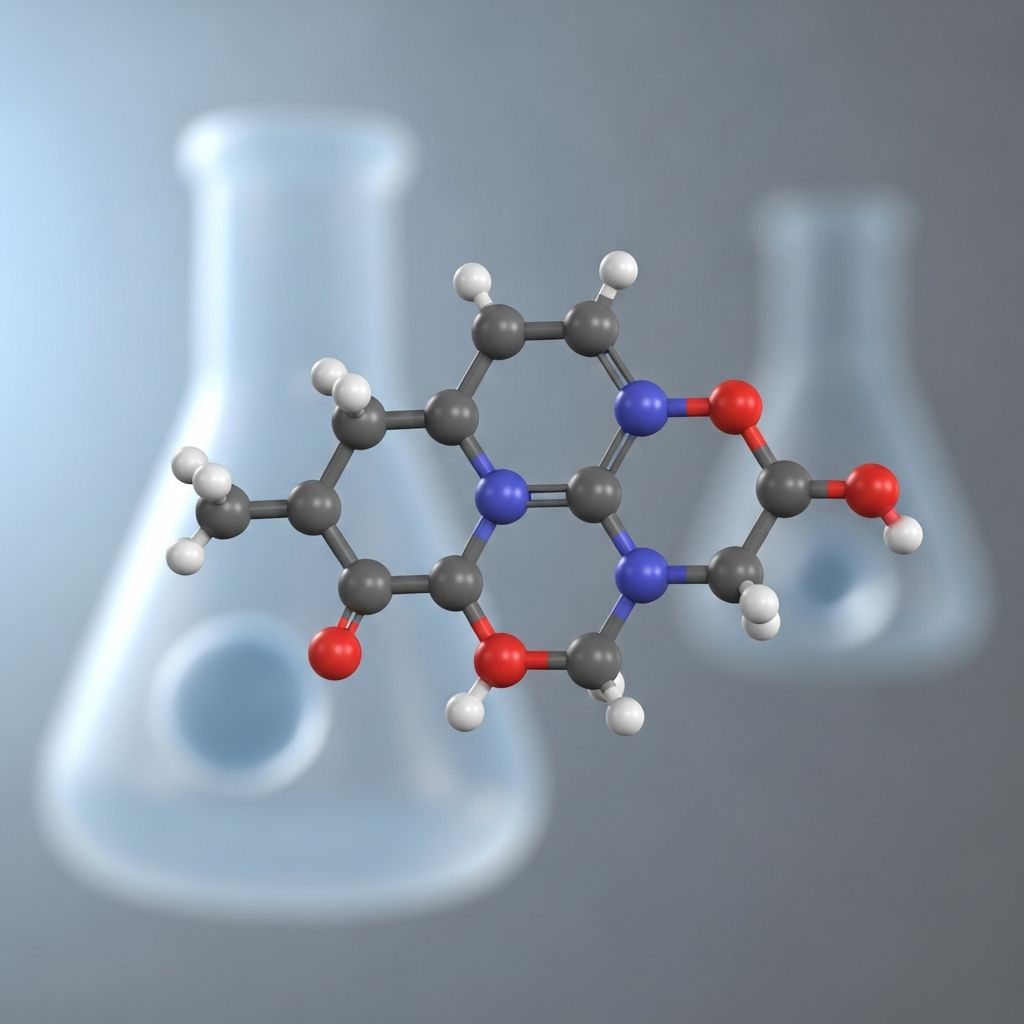
Ciclosporin, also known as cyclosporine and marketed as Neoral, is a potent calcineurin inhibitor immunosuppressant medication primarily used to prevent organ transplant rejection and treat various autoimmune and inflammatory conditions. It works by suppressing the immune system’s T-cell activity, reducing the risk of graft rejection in kidney, liver, heart transplants, and addressing issues like rheumatoid arthritis and severe psoriasis.
About ciclosporin tablets/capsules and liquid
Ciclosporin is available in oral formulations such as capsules (e.g., Neoral soft gelatin capsules in 10 mg, 25 mg, 50 mg, and 100 mg strengths) and an oral solution (100 mg/mL). These forms are designed for immediate microemulsion in the aqueous environment of the stomach, ensuring consistent absorption compared to older formulations like Sandimmune. The active ingredient, a cyclic polypeptide of 11 amino acids derived from the fungus Beauveria nivea (formerly Tolypocladium inflatum), provides reliable bioavailability.
Neoral offers improved pharmacokinetics: in renal transplant, rheumatoid arthritis, and psoriasis patients, the area under the curve (AUC) is 20-50% greater, and peak concentrations (Cmax) are 40-106% higher than with Sandimmune, allowing for more predictable dosing.
Key facts about ciclosporin
- Drug type: Immunosuppressant; calcineurin inhibitor.
- Brands: Neoral, Sandimmune, Gengraf, and generics; ophthalmic forms include Restasis, Cequa for dry eyes.
- Forms: Oral capsules, oral solution, intravenous injection, eye drops.
- Common uses: Prevents rejection in kidney, liver, heart transplants; treats severe rheumatoid arthritis, plaque psoriasis, atopic dermatitis, and nephrotic syndrome.
- Onset: Effects in psoriasis may appear within 2 weeks; full transplant protection requires monitoring blood levels.
- Duration: Long-term use common in transplants; short-term (up to 1 year) for psoriasis to minimize risks.
- Age suitability: Approved for adults and children in transplant settings; dosing adjusted by weight.
About your medicine
Your doctor has prescribed ciclosporin to dampen your overactive immune response. In transplant patients, it prevents white blood cells from attacking the new organ. For autoimmune diseases like rheumatoid arthritis or psoriasis, it reduces inflammation by inhibiting T-lymphocytes, the main targets of this drug.
Ciclosporin selectively inhibits immunocompetent lymphocytes in the G0 and G1 phases of the cell cycle, suppressing T-helper cells more than T-suppressor cells, and blocking lymphokine production like interleukin-2 (IL-2).
How ciclosporin works
Ciclosporin binds to cyclophilin, an intracellular protein in T-cells, forming a complex that inhibits calcineurin phosphatase. This prevents dephosphorylation and nuclear translocation of NF-AT (nuclear factor of activated T-cells), blocking transcription of IL-2 and other cytokines essential for T-cell proliferation and activation. Consequently, it suppresses cell-mediated immunity, prolonging allograft survival without broadly affecting humoral immunity.
In transplants, this mechanism counters graft-versus-host disease and rejection. In inflammatory conditions, it reduces cytokine-driven inflammation.
When to take ciclosporin
Take ciclosporin consistently every 12 hours (twice daily) to maintain steady blood levels. For transplants, start 4-12 hours pre-operation. Mix oral solution with orange or apple juice (not grapefruit), milk, or soft drinks if needed, but avoid grapefruit entirely as it raises drug levels dangerously.
Swallow capsules whole with water. Take on an empty stomach or with a low-fat meal for best absorption, but maintain routine.
How to take ciclosporin
- Use the same brand/form consistently; do not switch without medical advice due to absorption differences.
- Shake oral solution well before measuring with provided syringe.
- For children or those with swallowing issues, consult for dilution instructions.
- Monitor blood pressure, kidney function, and drug levels regularly (trough levels 100-400 ng/mL depending on indication).
- Do not stop abruptly; taper under supervision to avoid rejection flare-ups.
Related Stories



Common questions about ciclosporin
How long does ciclosporin take to work?
In psoriasis, skin improvements start in 2 weeks, peaking at 12-16 weeks. Transplant protection is immediate with therapeutic levels. Rheumatoid arthritis benefits in 4-8 weeks.
Is it safe for long-term use?
Yes in transplants with monitoring; limited to 1 year in psoriasis due to kidney risks.
Can I drink alcohol?
Limited alcohol ok, but excess harms liver/kidneys already stressed by the drug.
Dosage for ciclosporin
Dosage is individualized based on blood levels, weight, and response. Key guidelines:
| Indication | Initial Adult Dose | Maintenance | Notes |
|---|---|---|---|
| Renal Transplant | Neoral: 9±3 mg/kg/day (divided BID), start 4-12h pre-op | 3±1 mg/kg/day; trough 100-400 ng/mL | Adjust for levels |
| Liver/Heart Transplant | Neoral: 8-9 mg/kg/day IV/oral | Taper to 3-5 mg/kg/day | Higher initial |
| Rheumatoid Arthritis | 2.5 mg/kg/day (divided BID) | Max 4 mg/kg/day | If no response in 16 weeks, discontinue |
| Psoriasis | 2.5 mg/kg/day (divided BID) | Max 4 mg/kg/day; <1 year | Clearance in 6 weeks or stop |
Pediatric: Weight-based, similar ratios. Always follow lab-guided adjustments.
Taking ciclosporin with other medicines and herbal supplements
Ciclosporin interacts with many drugs via CYP3A4 inhibition/induction. Key interactions:
- Avoid: Grapefruit juice/products (increases levels 200%).
- Increases ciclosporin: Antibiotics (erythromycin), antifungals (keto-conazole), calcium blockers (diltiazem).
- Decreases ciclosporin: Rifampicin, phenytoin, St John’s wort.
- Monitor closely: Other immunosuppressants (tacrolimus), statins (rhabdomyolysis risk), NSAIDs (nephrotoxicity).
Inform your doctor of all medications.
Common side effects of ciclosporin
Side effects are dose-dependent and reversible. Common (>10%):
- Nephrotoxicity (monitor creatinine).
- Hypertension.
- Hirsutism/hypertrichosis.
- Gum hyperplasia.
- Tremor, headache.
- GI upset (nausea, diarrhea).
- Increased lipids, uric acid.
Serious side effects and allergic reactions
Serious risks (report immediately):
- Severe hypertension/malignant HTN.
- Acute/chronic kidney injury.
- Lymphoma, skin cancers (long-term).
- Seizures, encephalopathy.
- Anaphylaxis (IV form).
- Infections (due to immunosuppression).
Allergic signs: rash, swelling, breathing difficulty—seek emergency care.
Whether ciclosporin is safe in pregnancy and breastfeeding
Limited data; category C. Use only if benefits outweigh risks. Minimal excretion in breast milk, but avoid breastfeeding due to immunosuppression risks to infant. Effective contraception advised.
Patient tips for ciclosporin
- Regular blood tests for levels, kidney/liver function, BP.
- Sun protection (increased skin cancer risk).
- Good oral hygiene for gum health.
- Low-salt diet for BP.
- Vaccinations: avoid live vaccines.
Find out more about ciclosporin
Consult NHS guidelines, NICE recommendations, or transplant centers for protocols. Patient.info resources available.
Frequently Asked Questions (FAQs)
Q: What if I miss a dose?
Take as soon as remembered unless near next dose; do not double. Contact doctor if multiple misses.
Q: Can I drive on ciclosporin?
Yes, unless dizziness/tremor occurs.
Q: How to store?
Room temp, protect from light; discard expired.
Q: Is generic equivalent?
Yes, but monitor levels when switching.
References
- Ciclosporin — Wikipedia. 2023-10-01. https://en.wikipedia.org/wiki/Ciclosporin
- Neoral Label — FDA (Novartis). 2009-07-31. https://www.accessdata.fda.gov/drugsatfda_docs/label/2009/050715s028,050716s029lbl.pdf
- Cyclosporine (oral route) — Mayo Clinic. 2023-05-01. https://www.mayoclinic.org/drugs-supplements/cyclosporine-oral-route/description/drg-20075815
- Cyclosporine: Uses, Interactions — DrugBank Online. 2024-01-01. https://go.drugbank.com/drugs/DB00091
- Cyclosporine (Sandimmune, Neoral) — Children’s Hospital of Pittsburgh. 2023-01-01. https://www.chp.edu/our-services/transplant/liver/education/medications/cyclosporine-sandimmune-neoral
- Cyclosporine Capsules — Cleveland Clinic. 2024-01-01. https://my.clevelandclinic.org/health/drugs/19532-neoral-or-gengraf-cyclosporine-oral-capsule
- Cyclosporine — MedlinePlus (NIH). 2024-01-01. https://medlineplus.gov/druginfo/meds/a601207.html
Similar Articles








Read full bio of medha deb