Cilantro Benefits: 9 Science-Backed Health Advantages
This aromatic herb packs a nutritional punch with antioxidants, vitamins, and potential health perks from detox to blood sugar control.
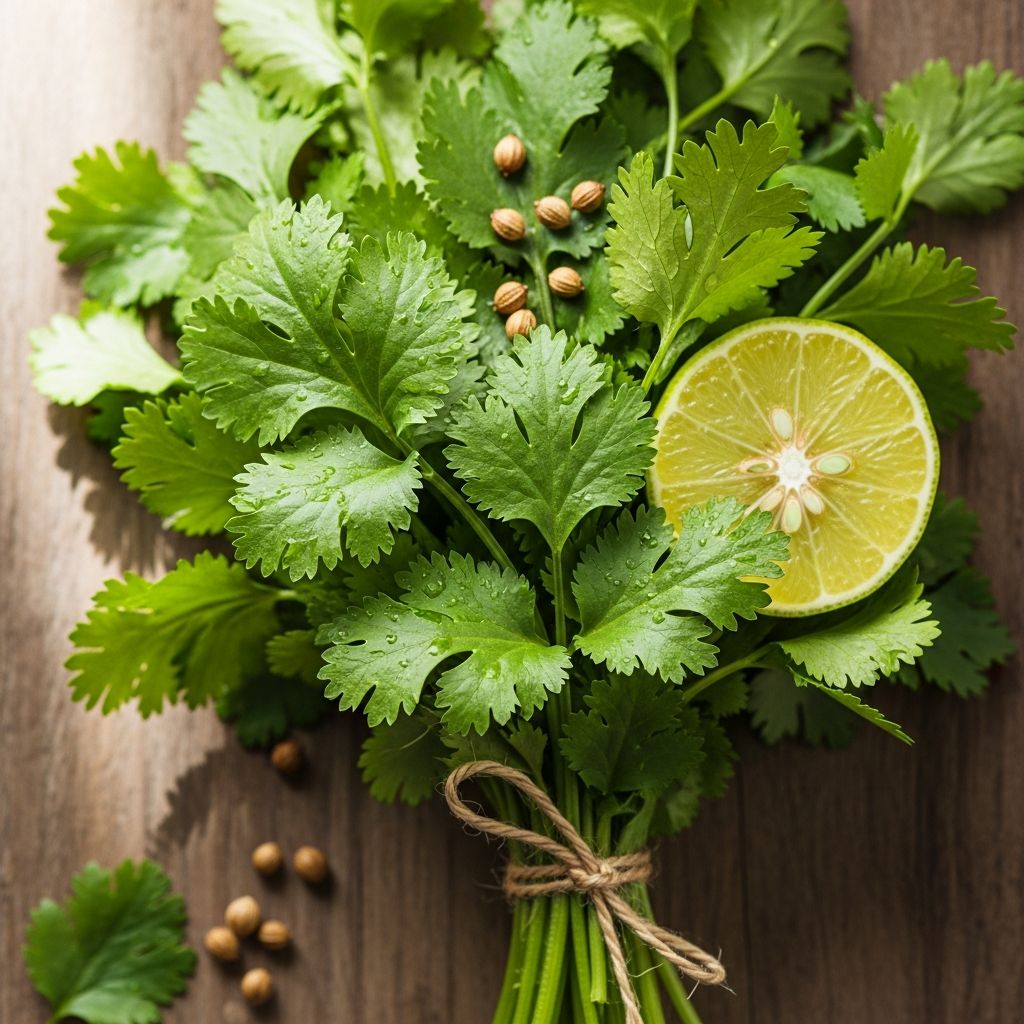
Cilantro, also known as coriander leaves or Chinese parsley, is a vibrant herb celebrated for its fresh, citrusy flavor in cuisines worldwide, from Mexican salsas to Indian curries and Thai soups. Beyond enhancing dishes, cilantro delivers a range of potential health benefits backed by its nutrient profile and bioactive compounds. This article explores nine key advantages, nutritional details, culinary tips, and considerations for safe use.
What Is Cilantro?
Cilantro refers to the fresh leaves and stems of the Coriandrum sativum plant, distinct from its dried seeds called coriander. Native to the Mediterranean and parts of Asia, it has been cultivated for over 8,000 years, with remnants found in ancient Israeli caves. Today, it’s a staple in global cooking for its bright, slightly pungent taste that some love and others liken to soap due to genetic sensitivity to aldehydes.
Nutritionally modest per serving but potent when added generously, one tablespoon (about 1 gram) provides vitamins A, C, and K, plus folate, potassium, and manganese. A full cup offers 16 calories, trace protein, and fiber, making it a low-calorie flavor booster.
Cilantro Nutrition Facts
Cilantro shines as an antioxidant-rich herb with essential micronutrients. Key components include:
- Vitamins: High in vitamin K for blood clotting and bone health; vitamin C for immune support and wound healing; vitamin A (from beta-carotene) for vision and skin; folate for DNA synthesis and heart protection.
- Minerals: Potassium for blood pressure regulation; smaller amounts of calcium, magnesium, iron, and selenium.
- Antioxidants: Quercetin, beta-carotene, lutein, zeaxanthin, and polyphenols that combat oxidative stress linked to chronic diseases.
- Other: Fiber for digestion; no fat or cholesterol.
| Nutrient (per 1 cup raw) | Amount | % Daily Value* |
|---|---|---|
| Calories | 16 | 1% |
| Vitamin K | ~200% DV | 200% |
| Vitamin C | ~10% DV | 10% |
| Vitamin A | ~30% DV | 30% |
| Folate | ~10% DV | 10% |
| Potassium | ~5% DV | 5% |
| *Based on 2,000-calorie diet; values approximate from sources. | ||
While not a nutrient powerhouse alone, cilantro encourages healthier eating by replacing salt and adding flavor without calories.
9 Cilantro Benefits
1. Packed With Antioxidants
Cilantro’s antioxidants, including quercetin and vitamins C and E, neutralize free radicals, reducing oxidative damage tied to cancer, heart disease, and aging. Studies highlight its role in protecting cells from inflammation and lipid peroxidation.
2. May Detox Heavy Metals
Cilantro uniquely binds to heavy metals like mercury, lead, aluminum, and arsenic, aiding their excretion via urine. Animal studies show it mobilizes toxins from tissues, especially when paired with chlorella. Add it to fish dishes for dual benefits.
3. Supports Heart Health
Rich in potassium and antioxidants, cilantro lowers blood pressure, cholesterol, and triglycerides. It dissolves arterial plaque and prevents oxidative vessel damage, reducing stroke and heart disease risk.
4. Helps Manage Blood Sugar
Known as an “anti-diabetic” herb, cilantro stimulates insulin secretion, improves sensitivity, and lowers glucose levels, comparable to some medications in rat studies. Those on diabetes drugs should monitor intake.
5. Promotes Brain Health
Extracts protect neurons, reducing Alzheimer’s and Parkinson’s symptoms in animal models by curbing seizures and enhancing memory. Human trials are pending, but its antioxidants support cognitive function.
6. Eases Anxiety and Improves Sleep
Cilantro extracts rival anti-anxiety drugs like Valium in rodents, calming nerves without side effects. Larger human quantities may be needed for sedation.
Related Stories



7. Aids Digestion
Stimulates enzymes to reduce gas, bloating, nausea, IBS symptoms, and indigestion—ideal post-spicy meals. Coriander seeds amplify these effects.
8. Fights Foodborne Illness
Dodecenal in cilantro kills Salmonella, Listeria, and other pathogens as effectively as antibiotics like gentamicin. Eight other compounds bolster its antimicrobial power, explaining its use in ethnic cuisines.
9. Potential Anticancer Properties
Limited data shows cilantro inhibits prostate cancer cell growth, reducing invasiveness and colony formation via gene expression changes. More research needed.
Other Potential Cilantro Benefits
- Skin Health: Soothes hives, poison ivy; vitamin C aids healing.
- Bone Support: Vitamin K strengthens bones and teeth.
- Antifungal: Combats infections.
- Menstrual Health: Regulates cycles.
Things to Watch Out For
Cilantro is safe for most, but those with low blood sugar or on diabetes meds should moderate use due to hypoglycemic effects. Genetic taste aversion affects 4-14% of people. Rare allergies possible; wash thoroughly to avoid contaminants. Consult doctors if pregnant or on medications.
How to Add More Cilantro to Your Diet
Fresh is best—add to salads, smoothies, salsas, soups, guacamole, curries, or as garnish. Blend into pesto or chimichurri. Store upright in water or fridge-wrapped up to a week; freeze in ice cubes. Use seeds (coriander) ground for warmth.
Bottom Line
Cilantro’s antioxidants, vitamins, and compounds offer promising benefits for detox, digestion, heart, brain, and metabolic health. While animal studies dominate, its low-risk profile makes it a smart dietary addition. Aim for fresh handfuls daily for flavor and wellness.
Frequently Asked Questions (FAQs)
Is cilantro the same as coriander?
Yes, cilantro is the fresh leaves; coriander is the seeds from the same plant, with milder, nutty flavor.
Why does cilantro taste like soap to some?
A genetic variant makes people hypersensitive to aldehydes, affecting 4-14% globally.
Can cilantro lower blood sugar too much?
Possibly; monitor if hypoglycemic or on diabetes meds.
Does cilantro really detox mercury?
Animal studies support metal-binding; pair with binders for efficacy.
How much cilantro should I eat daily?
1/4 to 1 cup fresh provides benefits without excess; start small.
References
- Health Benefits of Cilantro — WebMD. 2023. https://www.webmd.com/diet/health-benefits-cilantro
- Cilantro: 7+ Reasons to Love this Super-Herb for Your Health — Integrative Medicine of NJ. 2022. http://integrativemedicineofnj.com/cilantro-7-reasons-to-love-this-super-herb-for-your-health
- Health Benefits of Cilantro — Advanced Health (PDF). 2024-06. https://advancedhealth.com/wp-content/uploads/2024/06/80-May-Cilantro-handout.pdf
- Cilantro (coriander): Benefits, nutrition, and preparation tips — Medical News Today. 2023. https://www.medicalnewstoday.com/articles/277627
- The Naturopathic Kitchen: Cilantro 101 — AANMC. 2023. https://aanmc.org/featured-articles/naturopathic-kitchen-cilantro-101/
Similar Articles








Read full bio of Sneha Tete