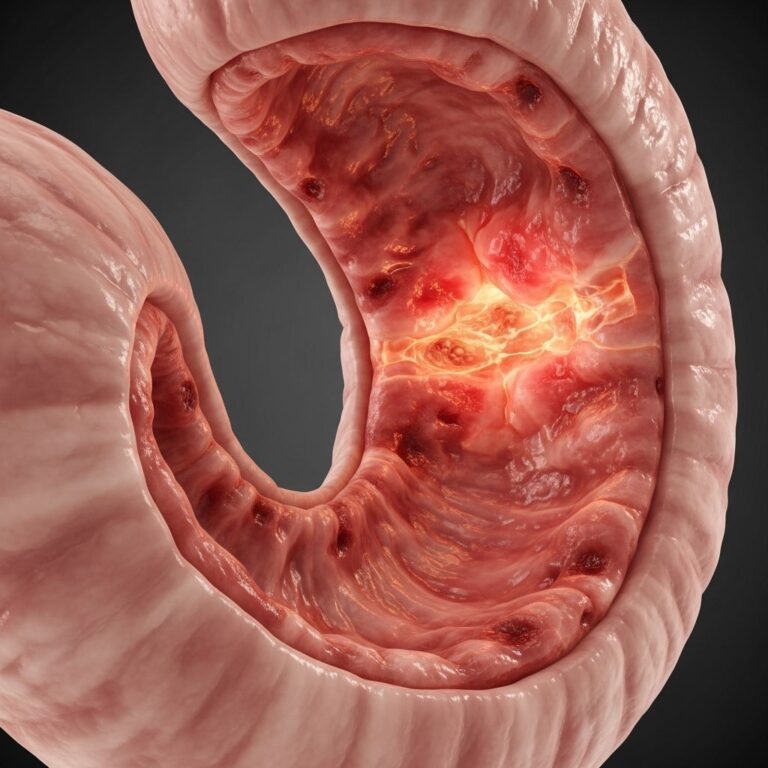
Cimetidine to Reduce Stomach Acid (Tagamet)
Comprehensive guide to Cimetidine (Tagamet): uses, dosage, side effects, and precautions for treating heartburn, ulcers, and excess stomach acid.

Cimetidine, commonly known by the brand name Tagamet, is a histamine H2 receptor antagonist (H2 blocker) that effectively reduces stomach acid production. It is widely used to treat conditions such as heartburn, gastroesophageal reflux disease (GERD), peptic ulcers, and excessive acid production disorders like Zollinger-Ellison syndrome. Available both over-the-counter (OTC) for heartburn relief and by prescription for more serious conditions, Cimetidine helps alleviate symptoms by blocking histamine from stimulating acid secretion in the stomach’s parietal cells.
About Cimetidine Tablets
Cimetidine tablets, marketed as Tagamet or Tagamet HB, come in various strengths including 200 mg, 300 mg, 400 mg, and 800 mg oral tablets, as well as a 300 mg/5 mL oral solution. The OTC version (Tagamet HB) is typically 200 mg and suitable for adults and children 12 years and older to prevent and relieve heartburn symptoms. Prescription strengths are used for short-term treatment of ulcers and other acid-related issues.
Originally developed in 1971 and approved by the FDA in 1979, Cimetidine was the first H2 blocker introduced, revolutionizing treatment for acid-peptic disorders before proton pump inhibitors (PPIs) like omeprazole became dominant. Today, it remains a valuable option, especially for short-term use or when PPIs are unsuitable.
Key Facts
- Drug group: H2 blockers (histamine H2 receptor antagonists)
- Available as: Tablets (200 mg, 300 mg, 400 mg, 800 mg) and oral solution
- Used for: Heartburn, indigestion, GERD, peptic ulcers, Zollinger-Ellison syndrome
- OTC for: Heartburn prevention and relief (ages 12+)
- Prescription for: Ulcers, erosive esophagitis, hypersecretory conditions
- Common brands: Tagamet, Tagamet HB, Good Sense Heartburn Relief
- Is it addictive? No
Before Taking Cimetidine
Who Can and Cannot Take Cimetidine Tablets
Most adults and children over 12 can safely take OTC Cimetidine for heartburn. However, certain individuals should avoid it or consult a doctor first:
- People with kidney or liver disease, as Cimetidine is cleared by these organs and dosage adjustments may be needed.
- Those with a history of acute porphyria, immune thrombocytopenia, or hypersensitivity to Cimetidine or other H2 blockers.
- Pregnant or breastfeeding women—Cimetidine passes into breast milk in small amounts; use only if benefits outweigh risks.
- Children under 12—OTC use not recommended; prescription use requires medical supervision.
- Patients with swallowing difficulties or ‘alarm symptoms’ like unexplained weight loss, vomiting blood, or black stools—see a doctor promptly.
Common Questions About Taking Cimetidine
- Age limit: OTC for 12+ years; younger children only under prescription.
- Pregnancy/Breastfeeding: Category B; generally safe but consult doctor.
- Driving: May cause dizziness or drowsiness; avoid if affected.
- Alcohol: Limit intake as it can worsen heartburn and interact with medication.
- Timing with food: Take with or without food; antacids should be spaced 1-2 hours apart.
Interactions with Other Medicines
Cimetidine uniquely inhibits several cytochrome P450 enzymes (CYP1A2, CYP2C9, CYP2D6, CYP3A4), leading to interactions with numerous drugs. It reduces clearance of medications like warfarin (increased bleeding risk), theophylline (toxicity), phenytoin, propranolol, amitriptyline, and lidocaine. It also affects absorption of ketoconazole, itraconazole, and atazanavir by raising gastric pH.
Related Stories



| Drug Class | Examples | Effect |
|---|---|---|
| Anticoagulants | Warfarin | Increased INR/bleeding risk |
| Beta-blockers | Propranolol, Metoprolol | Increased levels/effects |
| Antidepressants | Amitriptyline | Increased side effects |
| Benzodiazepines | Diazepam, Chlordiazepoxide | Prolonged sedation |
| Antifungals | Ketoconazole | Reduced absorption |
Always inform your doctor or pharmacist of all medications, including supplements. Unlike other H2 blockers (famotidine, ranitidine), Cimetidine has the highest interaction potential.
How and When to Take Cimetidine
Dosage
Dosage varies by condition and product strength. Always follow label or prescription instructions.
| Condition | Adult OTC (200 mg) | Adult Prescription | Children (Prescription) |
|---|---|---|---|
| Heartburn Prevention | 200 mg 30-60 min before meals | N/A | Not OTC |
| Heartburn Relief | 200 mg with water at symptom onset | 300-400 mg up to 4x/day | 20-40 mg/kg/day divided |
| Duodenal Ulcer | N/A | 800 mg at bedtime or 300 mg 4x/day x4-6 weeks | 20-40 mg/kg/day |
| GERD/Maintenance | N/A | 400 mg twice daily | Consult doctor |
| Zollinger-Ellison | N/A | 300 mg 4x/day; titrate up | N/A |
Maximum OTC: 400 mg/day (2 tablets). Do not use for >14 days without doctor advice.
How to Take It
- Swallow tablets whole with water; do not crush or chew.
- Can be taken with or without food.
- For oral solution, measure with provided device.
- If using antacids, take 1-2 hours before or after Cimetidine.
Side Effects of Cimetidine Tablets
Cimetidine is generally well-tolerated with few side effects, especially at OTC doses. Most resolve as body adjusts.
Common Side Effects
These affect >1 in 100 people:
- Headache
- Dizziness or drowsiness
- Diarrhea
- Nausea, vomiting
- Constipation (rare)
Serious Side Effects (Rare)
Seek immediate medical help for:
- Signs of allergy: rash, itching, swelling, severe dizziness, trouble breathing.
- Mental changes: confusion, hallucinations (esp. elderly).
- Blood disorders: unusual bruising/bleeding, fatigue.
- Heart issues: irregular heartbeat.
- Liver problems: yellowing skin/eyes, dark urine.
- Uncontrolled muscle movements.
Long-term use may increase risks of infections, fractures, or vitamin B12 deficiency, though less than PPIs.
How to Cope with Side Effects
- Headaches: Rest, hydrate, paracetamol; see doctor if persistent.
- Dizziness: Sit/lie down, avoid alcohol/driving.
- Diarrhea: Drink fluids; contact doctor if severe.
- Feeling sick: Small bland meals, ginger.
Pregnancy and Breastfeeding
Cimetidine is FDA Pregnancy Category B—no proven risk in animal studies, limited human data. Crosses placenta minimally. Use if clearly needed. Appears in breast milk at low levels (<1% dose); monitor infant for diarrhea/headaches. Preferred alternatives: antacids or ranitidine.
Other Medicines, Food, and Cimetidine
Besides drug interactions, Cimetidine may alter food absorption (e.g., iron, calcium). Take iron supplements 2 hours apart. Foods like caffeine/chocolate/spicy meals can counteract acid reduction—avoid triggers.
Common Questions
Frequently Asked Questions (FAQs)
How quickly does Cimetidine work?
Starts reducing acid within 1 hour; peak effect in 1-3 hours, lasting 4-6 hours for heartburn relief.
Can I take Cimetidine every day?
OTC for occasional use (<14 days). Long-term requires prescription monitoring.
Is Cimetidine better than omeprazole?
PPIs like omeprazole are stronger for severe GERD/ulcers but Cimetidine has fewer long-term risks and is OTC.
Does Cimetidine cause weight gain?
Not typically; rare reports but unconfirmed.
Can children take Cimetidine?
OTC from 12 years; younger only by prescription (20-40 mg/kg/day).
Analgesics and Cimetidine
Short-term paracetamol is safe. NSAIDs (ibuprofen) may cause ulcers—use lowest dose/shortest time with Cimetidine protection. Avoid aspirin long-term. Cimetidine reduces NSAID-induced gastric damage.
References
- Cimetidine (Tagamet): Uses, Side Effects, Interactions — WebMD. 2024. https://www.webmd.com/drugs/2/drug-7035/tagamet-oral/details
- Cimetidine — VCA Animal Hospitals. 2023. https://vcahospitals.com/know-your-pet/cimetidine
- Cimetidine (Tagamet HB): Uses, Side Effects, Interactions & More — GoodRx. 2025-01-10. https://www.goodrx.com/cimetidine/what-is
- Cimetidine — NCBI StatPearls. 2024-08-15. https://www.ncbi.nlm.nih.gov/books/NBK544255/
- Cimetidine: Uses, Interactions, Mechanism of Action — DrugBank. 2025. https://go.drugbank.com/drugs/DB00501
- Cimetidine Oral Solution (Tagamet HB) — Cleveland Clinic. 2024. https://my.clevelandclinic.org/health/drugs/20868-cimetidine-oral-solution
- Cimetidine — MedlinePlus. 2025-01-01. https://medlineplus.gov/druginfo/meds/a682256.html
Similar Articles








Read full bio of medha deb